
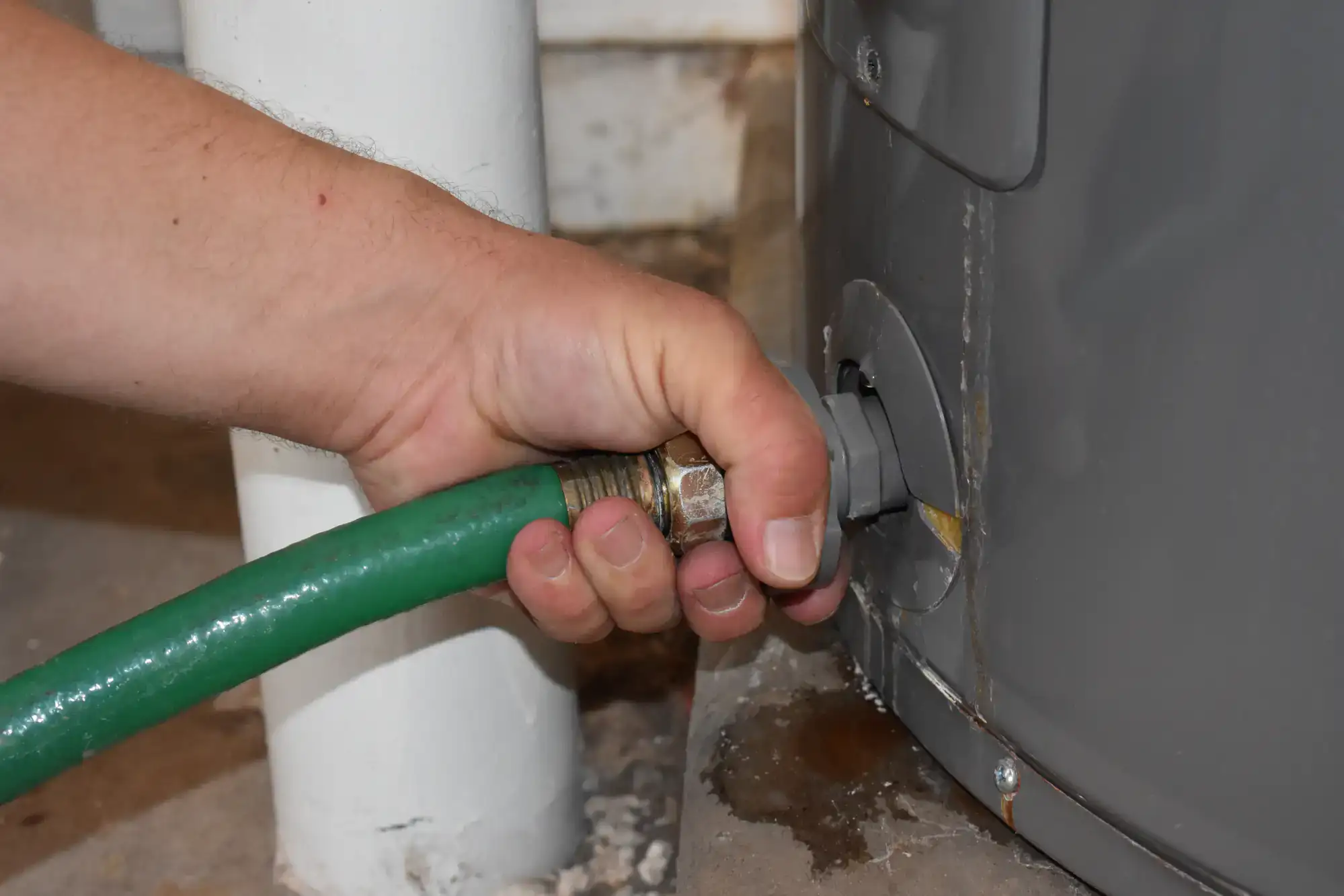
Hear from Our Customers
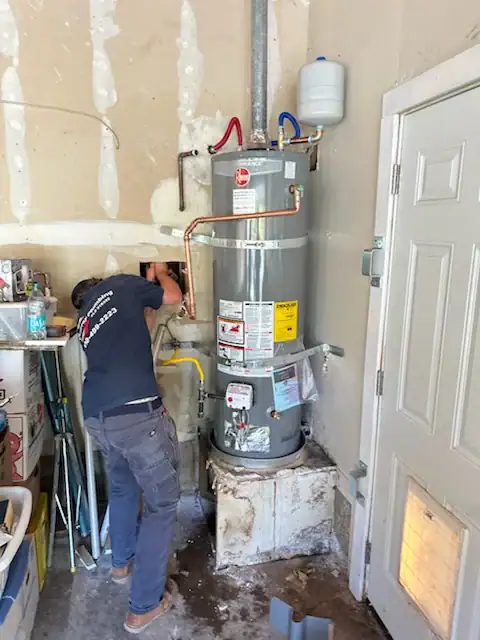
A failed water heater in Gold Run isn’t just an inconvenience it’s a real problem. You’re 40 miles from Sacramento, the nearest hardware store is in Colfax, and overnight temperatures in the foothills can drop to freezing between December and February. When your unit goes down in that window, you need someone who actually shows up, not someone who treats your address like a long-haul detour.
Placer County’s water is hard. Calcium and magnesium build up inside tank water heaters faster here than in valley communities, which means your unit may be losing efficiency well before it fully fails. Most homes in the 95717 ZIP code were built in the 1980s and 1990s which puts a lot of water heaters in Gold Run either at or well past the end of their rated lifespan.
When the replacement is done right permitted through Placer County’s Building Division, installed by a certified technician, and sized correctly for your household you get reliable hot water, a valid manufacturer’s warranty, and a clean record on your property. No surprises on the bill. No follow-up calls to fix what should have been done the first time.
We’ve been doing this for over 60 years. Five generations of family ownership which means the name on the truck is the name on the line every single time. That kind of track record doesn’t survive six decades by sending unqualified technicians or hiding fees in the fine print.
Gold Run isn’t a quick stop on the way to somewhere else. It’s a community with real history California Historical Landmark No. 405 and residents who’ve been here long enough to know when a contractor is serious and when they’re not. We hold a 4.7 out of 5 rating on Google across 369 verified reviews, and customers consistently call out the same things: technicians who show up on time, explain the work before starting, and leave the space cleaner than they found it.
If you’re managing a vacation property off Magra Road or a full-time residence in the foothills, the standard of work is the same. You get a licensed plumber, a permitted installation, and a company that answers the phone when something goes wrong.

It starts with a call or a request for an estimate. Before anyone drives out to Gold Run, you’ll have a clear price range not a vague “it depends” answer that leaves you guessing. We give you real numbers upfront, and the final bill reflects what was quoted. In some cases, customers have paid less than the original estimate.
Once the job is scheduled, a licensed technician comes to your property, assesses the existing unit, and walks you through the replacement options. For Gold Run homes with hard water from Placer County’s mineral-heavy supply, that conversation often includes tank sizing, anode rod selection, and whether a tankless system makes sense for your usage pattern especially relevant if the property sits empty for months at a time and you’re heating water around the clock for no reason.
We pull the required Placer County Building Division permit as part of the job. That step is not optional under California’s Plumbing Code, and skipping it can create real problems when you sell the property or file an insurance claim. The installation is inspected, documented, and on record. When the technician leaves, your new unit is running, the old one is out, and the work is done typically in a single visit.
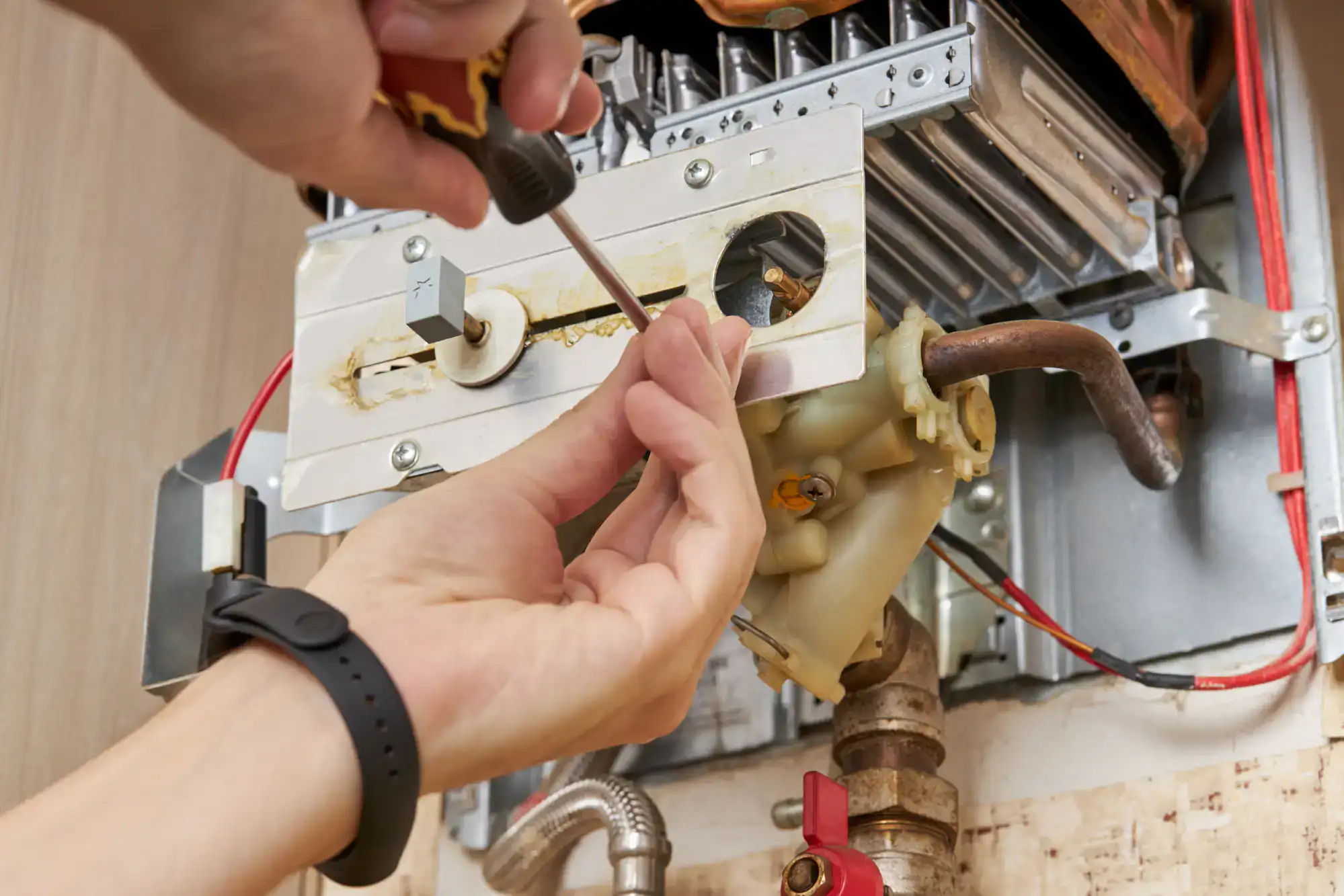
Ready to get started?
Not every Gold Run home has the same hot water needs, and we don’t pretend otherwise. A full-time residence with two or three occupants has different demands than a seasonal cabin that sits vacant from October through April. The right unit for your property depends on usage patterns, existing gas or electric configuration, and how Placer County’s hard water has affected your current setup.
For standard tank replacements, costs typically run between $882 and $1,816 depending on unit size, fuel type, and the condition of existing connections. Tankless systems which only heat water on demand and can make real sense for vacation properties that don’t need standby heat 24 hours a day generally range from $1,400 to $3,900 installed. Both options are available through us, and the technician will help you understand the trade-offs honestly before any decision is made.
Every replacement includes the Placer County permit, a certified installation that keeps the manufacturer’s warranty fully intact, and a technician who understands what hard water in the Sierra foothills does to a water heater over time. If your unit is showing signs of sediment buildup, inconsistent temperature, or unusual noise, those are worth mentioning when you call it helps the technician arrive prepared and keeps the job efficient.
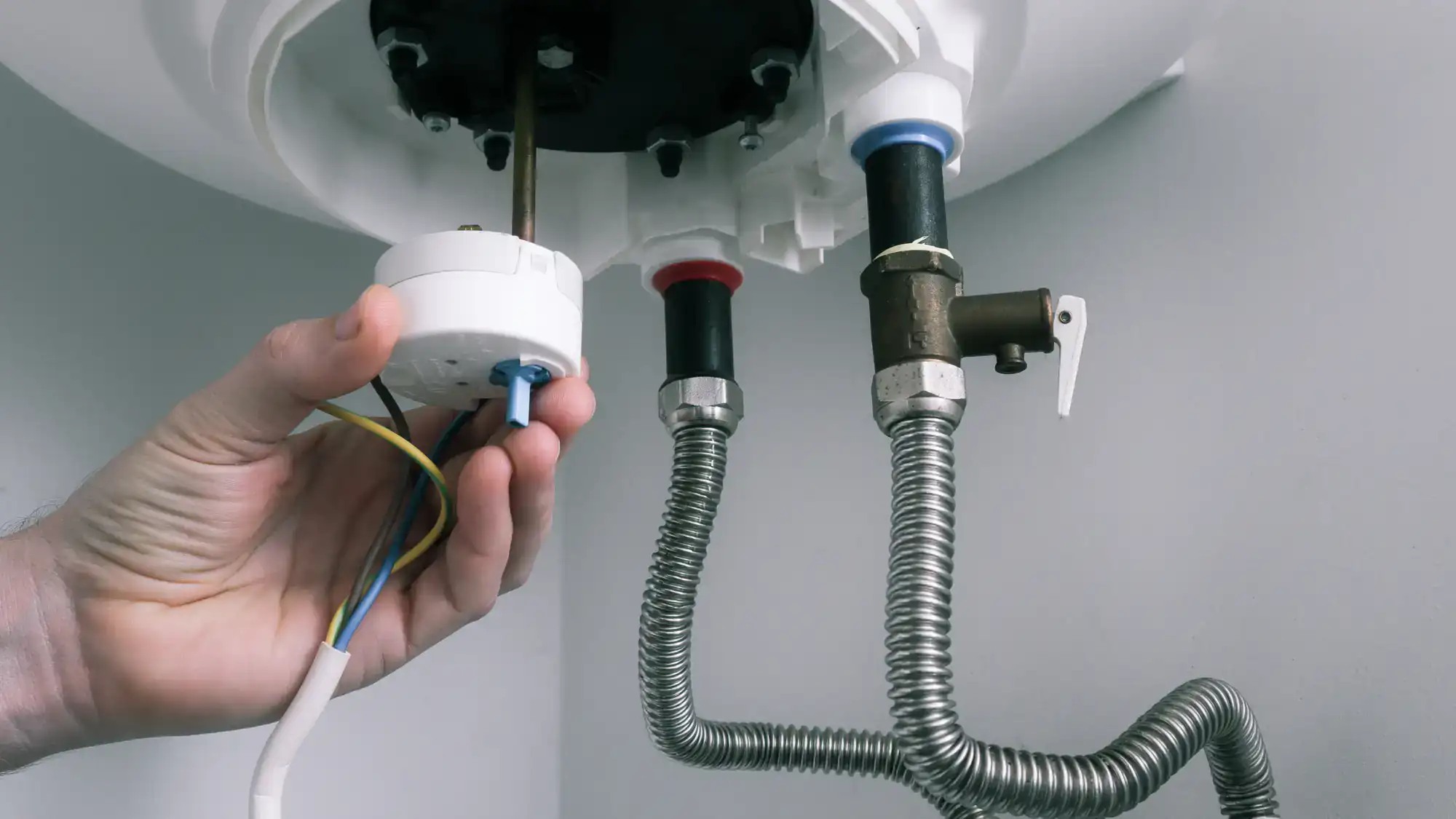
Yes and this is one of the most commonly skipped steps when homeowners hire an unlicensed contractor or attempt a DIY replacement. Under the California Plumbing Code, it is explicitly unlawful to install, remove, or replace a water heater without a permit from the Authority Having Jurisdiction. For Gold Run, that means the Placer County Building Division.
The permit requires an on-site inspection to confirm the installation meets current California code including energy efficiency standards that took effect under the 2024 ICC residential requirements. If the work is done without a permit, it can surface as a compliance issue during a home sale, complicate an insurance claim related to water damage, or leave you liable if something goes wrong with the installation. We handle the Placer County permit as a standard part of every water heater replacement it’s included in the process, not an add-on.
The national average lifespan for a tank water heater is 8 to 15 years, but that range assumes relatively neutral water chemistry. Placer County’s water supply carries high levels of calcium and magnesium minerals that accumulate as sediment at the bottom of the tank over time. That sediment layer forces the heating element to work harder, reduces the unit’s efficiency, and shortens its operational life compared to what the manufacturer’s warranty period might suggest.
For Gold Run homeowners, this means a unit that’s been running for 10 or 12 years may already be operating well below capacity even if it hasn’t fully failed yet. Signs to watch for include longer recovery times after heavy use, a rumbling or popping sound when the unit is heating, inconsistent water temperature, or visible rust-colored water at the tap. Annual flushing can slow sediment buildup, but once it’s significant, replacement is usually the more cost-effective path. If your unit is in that age range, it’s worth having it assessed before a cold snap forces the decision for you.
The core difference is how and when each system heats water. A traditional tank unit keeps a set volume of water typically 40 to 50 gallons heated continuously, regardless of whether anyone is using it. A tankless system heats water on demand, only running when a tap is open.
For a full-time Gold Run residence with consistent daily hot water use, a properly sized tank unit is often the simpler and more cost-effective choice upfront. But for seasonal or vacation properties and Gold Run has a significant number of them, given that over half of the community’s housing units are intermittently occupied a tankless system eliminates the standby energy cost of heating a full tank around the clock for months when no one is home. The higher upfront cost of a tankless unit ($1,400 to $3,900 installed versus $882 to $1,816 for a tank) can offset over time through lower utility bills, particularly if the property sits empty for extended periods. A technician from our team can walk you through which option makes more financial sense for your specific usage pattern before any work begins.
We offer 24/7 emergency service and next-day scheduling for non-emergency replacements. For Gold Run residents, that matters more than it might for someone in a dense suburb you’re roughly 40 miles northeast of Sacramento on I-80, and not every plumbing company is willing to make that drive on short notice or be transparent about what it costs to do so.
For emergency situations a failed unit on a cold January night, a leak that’s actively causing damage, or a vacation property discovered with no hot water at the start of a trip we dispatch after hours and on weekends. For planned replacements, next-day availability means you’re not sitting without hot water for a week waiting for an open slot. When you call, you’ll get a real response time, not a vague answer.
The honest answer depends on the unit’s age, the nature of the problem, and the cost comparison between a repair and a replacement. As a general rule, if the unit is more than 10 years old and the repair cost exceeds 50% of what a new unit would cost installed, replacement is usually the smarter financial decision especially in an area like Gold Run where hard water accelerates wear and a repaired unit may fail again within a year or two.
Specific signs that typically point toward replacement rather than repair include a corroded or leaking tank (which cannot be meaningfully repaired), a failed heating element in a unit that’s already past its prime, persistent sediment buildup causing efficiency loss, or a unit that requires frequent service calls. If the issue is a faulty thermostat, a worn pressure relief valve, or a deteriorated anode rod in an otherwise sound unit under 8 years old, repair often makes sense. When you call us, the technician will give you a straight assessment not a default recommendation toward the higher-ticket option.
For a standard tank water heater replacement in Gold Run, the typical installed cost runs between $882 and $1,816. That range accounts for unit size, fuel type (gas or electric), and the condition of existing connections and shut-offs. Tankless water heater installations generally run between $1,400 and $3,900 installed, depending on the system and any modifications needed to the gas line or electrical supply.
A few factors specific to Gold Run can affect where your job lands in those ranges. Older homes in the 95717 ZIP code many built in the 1980s and 1990s sometimes have aging connections or configurations that need to be brought up to current Placer County code as part of the replacement. That work is always disclosed before it’s done, not added to the bill after the fact. The Placer County permit is included in our process, so there are no hidden fees for compliance. When you request an estimate, you’ll get a real number and the final invoice reflects what was quoted. In some cases, customers have paid less than the original estimate.