
Hear from Our Customers
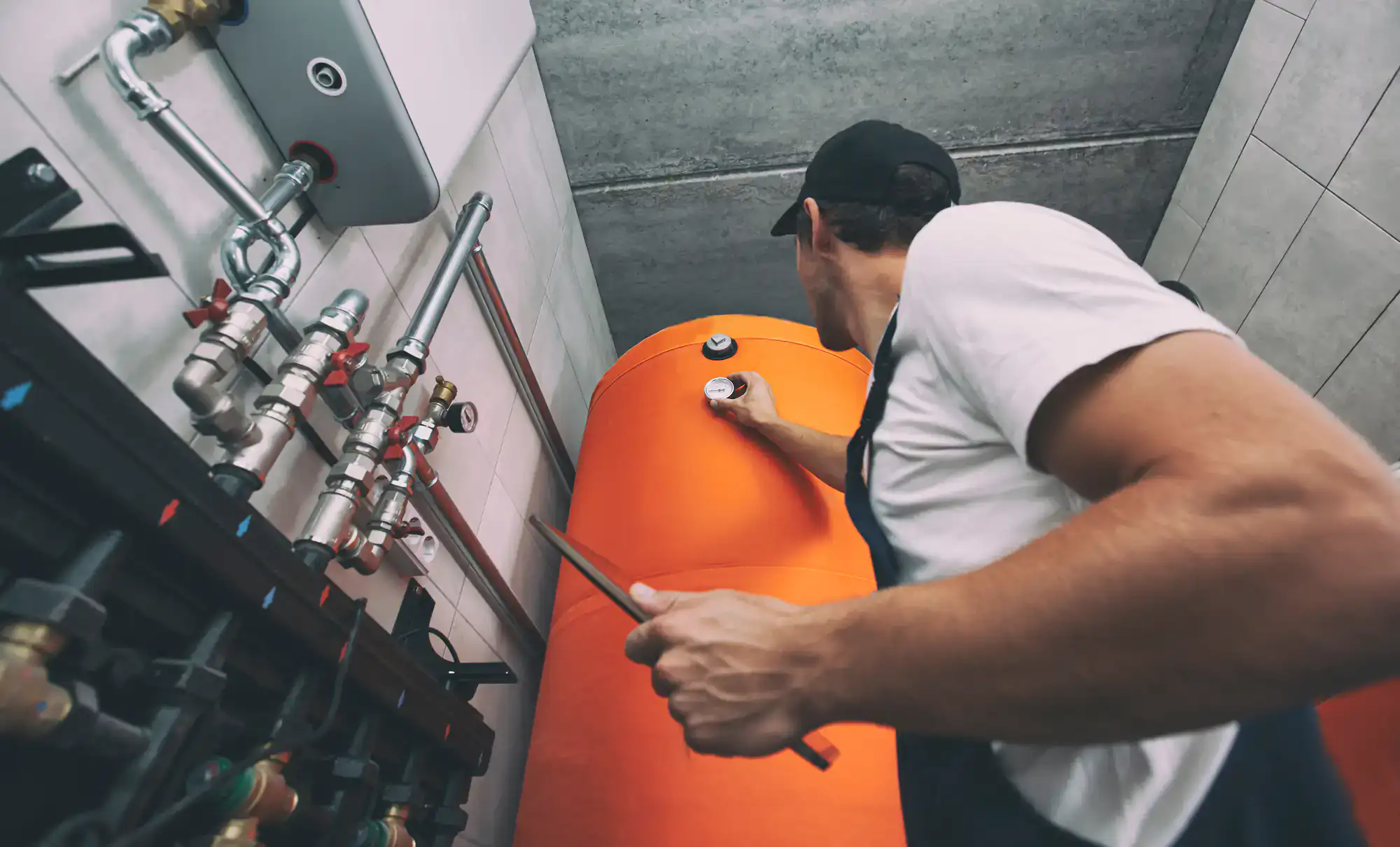
The most immediate thing you notice is that the hot water doesn’t run out. No more timing your showers around someone else’s, no more lukewarm water halfway through a load of dishes. A properly sized gas tankless unit delivers 5 to 10-plus gallons per minute on demand continuously so the whole household runs without anyone losing the race to the tap.
What most Little Pocket homeowners don’t realize until after the switch is how much the old tank was costing them every month just sitting there. Conventional tanks heat water around the clock whether you’re using it or not. A tankless system eliminates that standby loss entirely, cutting water heating energy costs by 24 to 34 percent and in Sacramento, where PG&E bills already climb hard from May through September, that difference shows up every single month.
There’s also the longevity factor, and it matters more here than people expect. Sacramento’s water supply runs hard around 15.2 grains per gallon and that mineral content grinds through conventional tanks faster than the manufacturers’ estimates suggest. A tankless unit installed correctly, with proper inlet filtration and annual descaling, is built to last 20-plus years in these conditions. For a midcentury ranch home in Little Pocket, that likely means the last water heater you’ll ever need to buy for this house.
We started Murray Plumbing in 2009 as a licensed tradesman operation, building this company one job at a time in Sacramento County. There’s no call center routing your request to whoever’s available. When you call, you’re reaching a local operation that knows what’s actually inside the older homes throughout Little Pocket and the surrounding neighborhoods.
The midcentury ranch homes along Riverside Boulevard and throughout Little Pocket were built decades before today’s tankless systems existed. That means older gas lines, original venting configurations, and infrastructure that sometimes needs updating before a new unit can go in safely. That’s not a problem it’s just something you need a plumber who’s seen it before, not one who’s guessing.
We hold a 4.7 out of 5 Google rating across 93 reviews. The themes that come up consistently: showed up same day, price matched the quote, fixed it right the first time. That’s the standard we hold ourselves to on every job in the 95822 ZIP code.
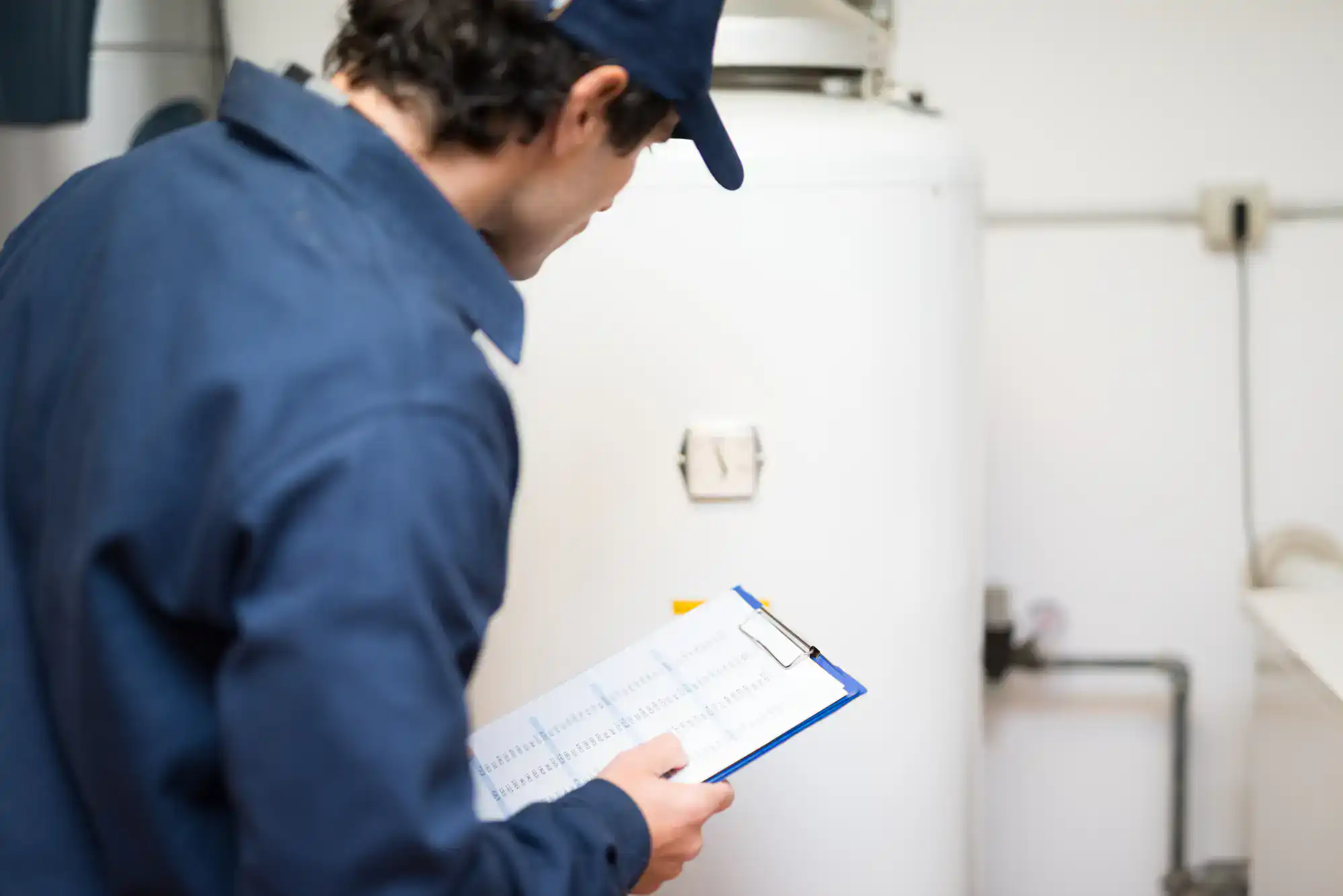
It starts with a call and a same-day visit in most cases. Before any pricing conversation happens, one of our licensed technicians walks through your home’s existing setup gas line diameter, current venting, available clearances, and the condition of the supply infrastructure. For a lot of Little Pocket homes built in the 1950s and ’60s, this step is where potential issues get identified upfront rather than discovered mid-job. The assessment is what makes the quote real.
Once the full picture is clear, you get a complete price including any gas line modifications, venting adjustments, or permit fees that apply to your specific installation. That number doesn’t change after the work starts. We pull the City of Sacramento Building Division permit as part of the job. You don’t fill out forms, you don’t schedule inspections, and you don’t navigate the permit office. It’s handled.
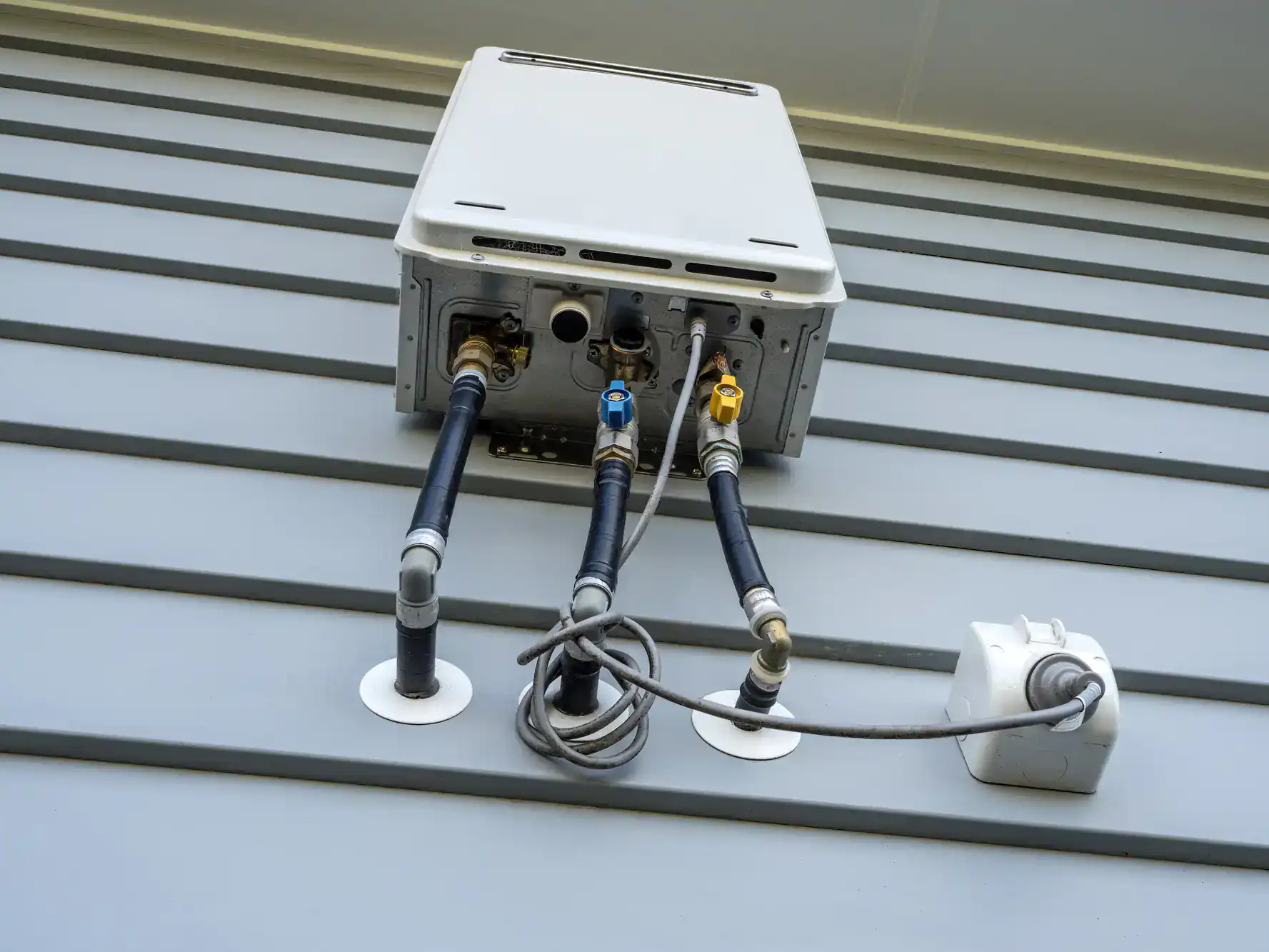
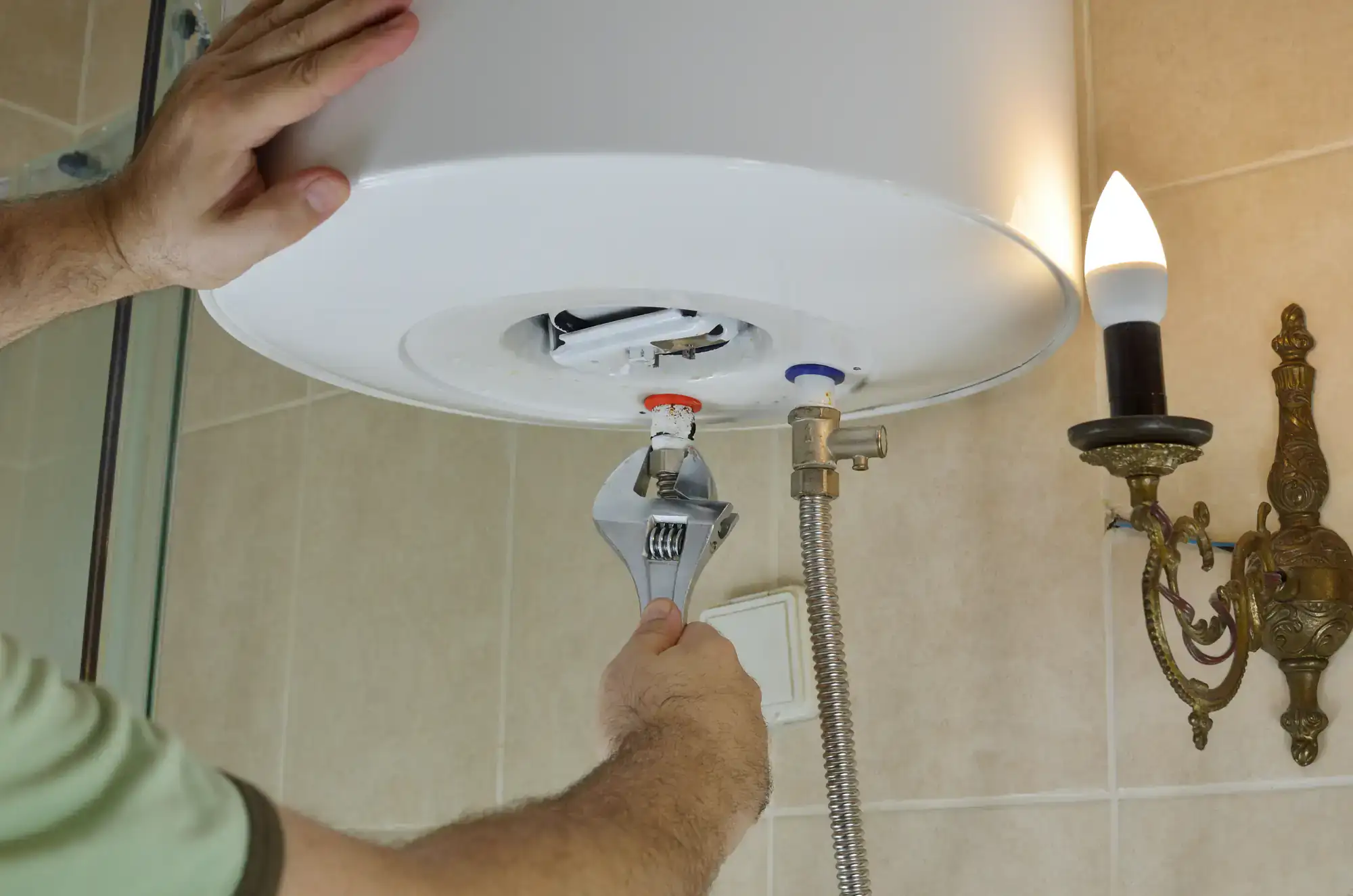
Installation day is straightforward from your end. The old unit comes out, the new tankless system goes in, all connections are tested, and our technician walks you through the unit before leaving. The City of Sacramento inspection gets scheduled and completed as part of the process. When it’s done, your installation is fully permitted, code-compliant, and documented which matters when you’re protecting a home worth close to $770,000.
Ready to get started?
Every tankless water heater installation in Little Pocket includes a pre-installation infrastructure assessment, full permit acquisition through the City of Sacramento Building Division, all required connections and venting work, and a final walkthrough before our technician leaves. There are no line items that appear after the fact. The quote you receive before work begins is the price you pay.
Gas line evaluation is a standard part of every job here not an upsell. Many of the homes in Little Pocket were built before 3/4-inch gas supply lines were the norm for appliances like today’s tankless units. If your existing line needs to be upsized or rerouted, that gets identified during the assessment and priced into the quote before anything is touched. The same applies to venting clearance requirements, termination heights, and combustible material distances are all verified against current California Plumbing Code before installation begins.
Because Sacramento’s water is hard, every installation also includes proper inlet filtration setup and a conversation about annual descaling the single most important maintenance step for keeping a tankless unit running at full efficiency in this climate. Scale buildup inside a heat exchanger is the leading cause of premature failure in the Sacramento market, and it’s entirely preventable with the right setup from day one. We’re available 24/7, so if anything comes up after installation, you’re not waiting until business hours to get it addressed.
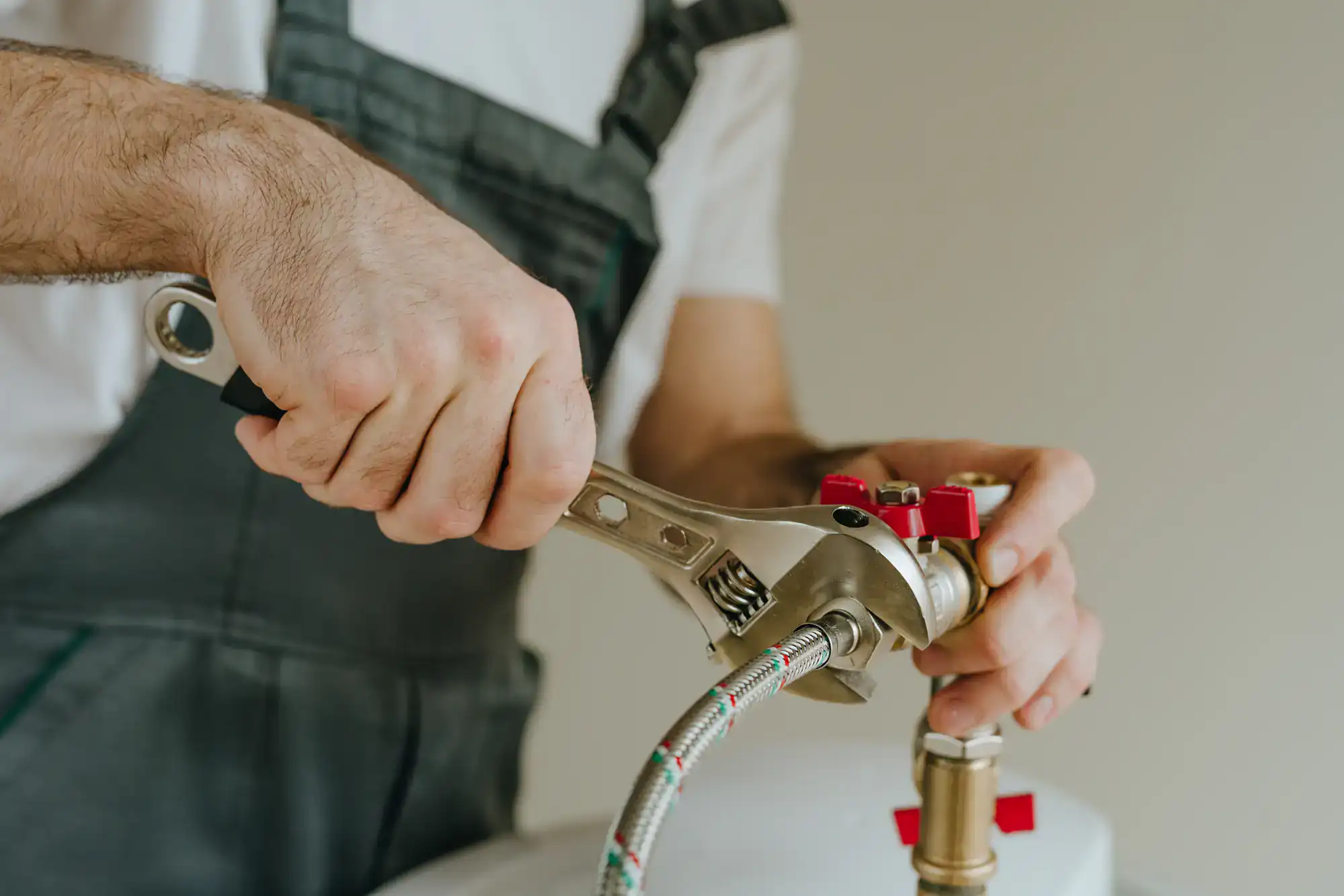
Yes and there are no exceptions. Under California Plumbing Code Section 502.1, every water heater replacement in Sacramento County requires a permit, and Little Pocket falls within the City of Sacramento’s Building Division jurisdiction. That means the permit goes through the city, not a separate municipal authority, and the installation needs to pass a city inspection before it’s considered complete.
This isn’t a technicality worth skipping. If a water heater installed without a permit causes flood damage or a fire, your homeowner’s insurance company can deny the claim. In a neighborhood where homes are valued close to $770,000, that’s a serious exposure. We pull the permit as part of every installation in Little Pocket it’s included in the job, not an add-on. You don’t have to manage any part of that process.
For most Little Pocket homeowners, the total cost of a gas tankless water heater installation runs between $1,400 and $3,895, with the national average landing around $2,629. Where your job falls in that range depends on the unit itself, the condition of your existing gas line and venting, and whether any infrastructure modifications are needed.
That last part is worth paying attention to if you own one of the neighborhood’s older ranch homes. Many houses built in the 1950s and ’60s throughout Little Pocket have gas supply lines that are undersized for today’s tankless units and bringing that line up to spec typically adds $1,500 to $2,500 to the project. We assess this during the pre-installation walkthrough and give you the full number before any work begins. No surprises mid-job, no revised invoices after the fact.
It can if the unit isn’t set up correctly and maintained annually. Sacramento’s municipal water supply runs at approximately 15.2 grains per gallon, which puts it in the hard-to-very-hard range. That mineral content builds up inside a tankless unit’s heat exchanger over time, and if it’s left unchecked, it reduces efficiency by up to 29 percent and significantly shortens the unit’s lifespan.
The good news is that this is entirely manageable with the right installation and a consistent maintenance routine. Proper inlet filtration helps reduce the mineral load hitting the heat exchanger from day one. Annual descaling flushing the system with a food-grade descaling solution clears out any buildup before it becomes a problem. We walk every Little Pocket customer through this process at the end of installation so you know exactly what to expect and when to schedule it.
For a straightforward replacement where the gas line is adequately sized and the venting configuration works for the new unit most installations are completed in two to four hours. If the job requires gas line modifications or venting adjustments, which is more common in Little Pocket’s older housing stock than in newer neighborhoods, the timeline extends to a half-day or full day depending on the scope.
The pre-installation assessment is what keeps the timeline predictable. When one of our licensed technicians evaluates your home’s existing infrastructure before the job starts, there are no mid-installation discoveries that extend the day unexpectedly. We schedule same-day service for most calls in Little Pocket, so in the majority of cases, you can go from calling in the morning to having a fully installed, permitted, and operational tankless system by the same evening.
For most Little Pocket homeowners, the answer is yes and the math is straightforward. A tankless system eliminates standby energy loss, which is the energy a conventional tank burns 24 hours a day just keeping stored water hot. That alone cuts water heating costs by 24 to 34 percent. In Sacramento, where summer energy bills are already significant, that reduction adds up across the year.
The longevity argument is equally compelling here. Sacramento’s hard water shortens the lifespan of conventional tanks units that should last 12 years often fail in 8 in this market. A properly installed and maintained tankless system lasts 20-plus years. If you’re replacing a tank unit today in a Little Pocket home you plan to stay in, you’re likely buying the last water heater this house will ever need. That changes the upfront cost conversation entirely when you spread it across two decades of use.
This comes up regularly in Little Pocket, and it’s not a dealbreaker it just needs to be handled correctly. Most gas tankless water heaters require a 3/4-inch gas supply line with adequate pressure to operate at full capacity. Many of the ranch homes throughout Little Pocket were built in the 1950s and ’60s with smaller diameter lines that made sense for the appliances of that era but don’t meet today’s requirements for a tankless unit.
When this is the case, the gas line needs to be upsized before the new unit can be installed. We identify this during the pre-installation assessment before any pricing is finalized and before any work begins. The cost of the gas line modification gets included in your upfront quote, so there’s no revised number handed to you after the job is already underway. It’s a solvable problem, and knowing about it in advance is the only way to handle it without friction.