
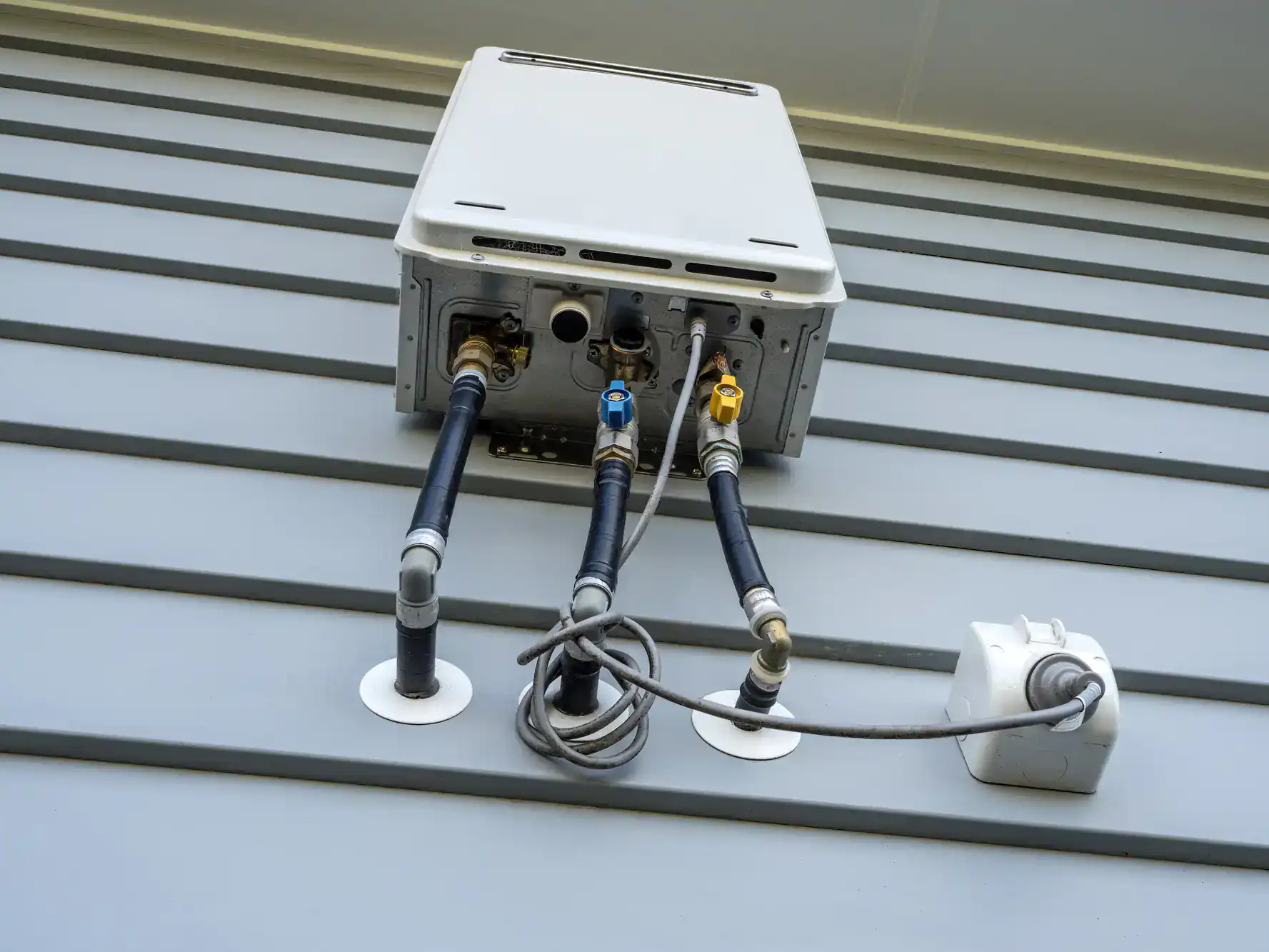
Tankless Water Heater Installation
Get a free quote for tankless water heater installation from your local plumbing team.
We’ll contact you about your tankless water heater installation request. Privacy policy
Hear from Our Customers
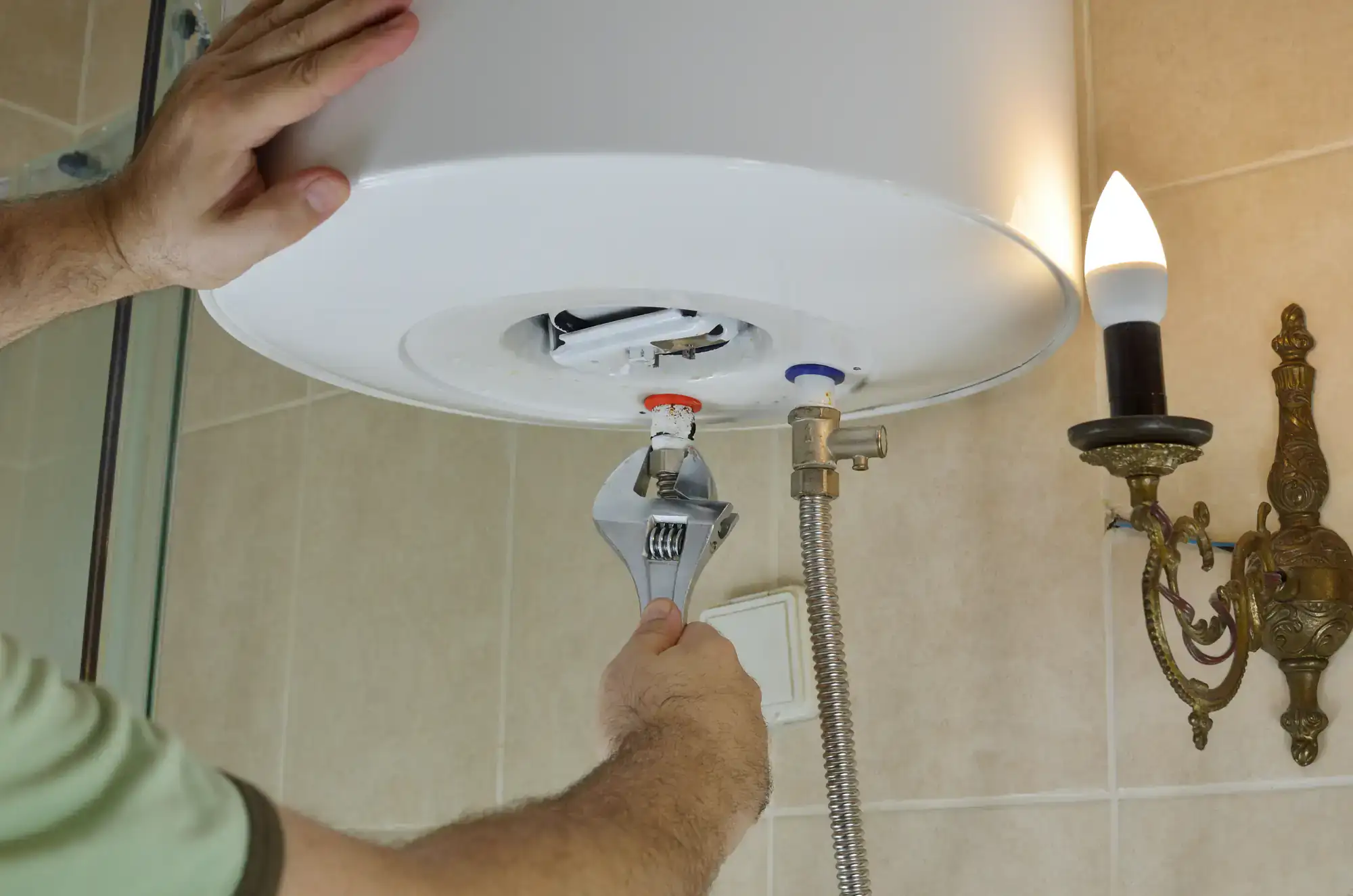
When a tankless system is sized and installed correctly, you get continuous hot water on demand no tank sitting in a corner slowly losing heat, no cold-water surprise mid-shower when someone else turns on a faucet. That shift is more noticeable than most people expect, especially in a busy household.
For Curtis Park homeowners, the energy savings piece matters too. Sacramento summers push PG&E bills up fast, and a conventional tank sitting in a hot garage or utility closet is working harder than it should just to maintain temperature. Switching to a tankless system eliminates that standby heat loss entirely field studies have shown up to a 37% reduction in water heating energy use compared to a standard natural draft tank. Over time, that adds up.
There’s also the longevity argument. Most tankless units last 20 years or more, compared to the 8–12-year lifespan of a conventional tank. For a Curtis Park home that’s already been standing for 80 or 100 years and is worth close to a million dollars, investing in a system that won’t need replacing again in a decade just makes sense. You’re not patching something you’re upgrading it.
Murray Plumbing was founded in 2009 by Ryan Murray, a tradesman who came up through construction and built this company one job at a time. That background shows in how we do the work thorough assessments before any quote, honest pricing before any wrench turns, and licensed technicians on every job without exception.
We hold a 4.7 out of 5 rating on Google across 93 reviews, and customers consistently call out the same things: we showed up on time, the price was fair, and the final bill sometimes came in under the original estimate. That last part is rare in this industry, and it’s worth paying attention to.
We serve Sacramento County directly, which means full familiarity with the City of Sacramento’s building department, local permit requirements, and the specific plumbing challenges that come with Curtis Park’s pre-war housing stock. From the Craftsman bungalows near Curtis Park to the Tudor Revivals closer to Land Park, this is not unfamiliar territory. We’ve worked on hundreds of homes in this neighborhood specifically, and we understand what it takes to upgrade a 1920s bungalow without compromising its original character.
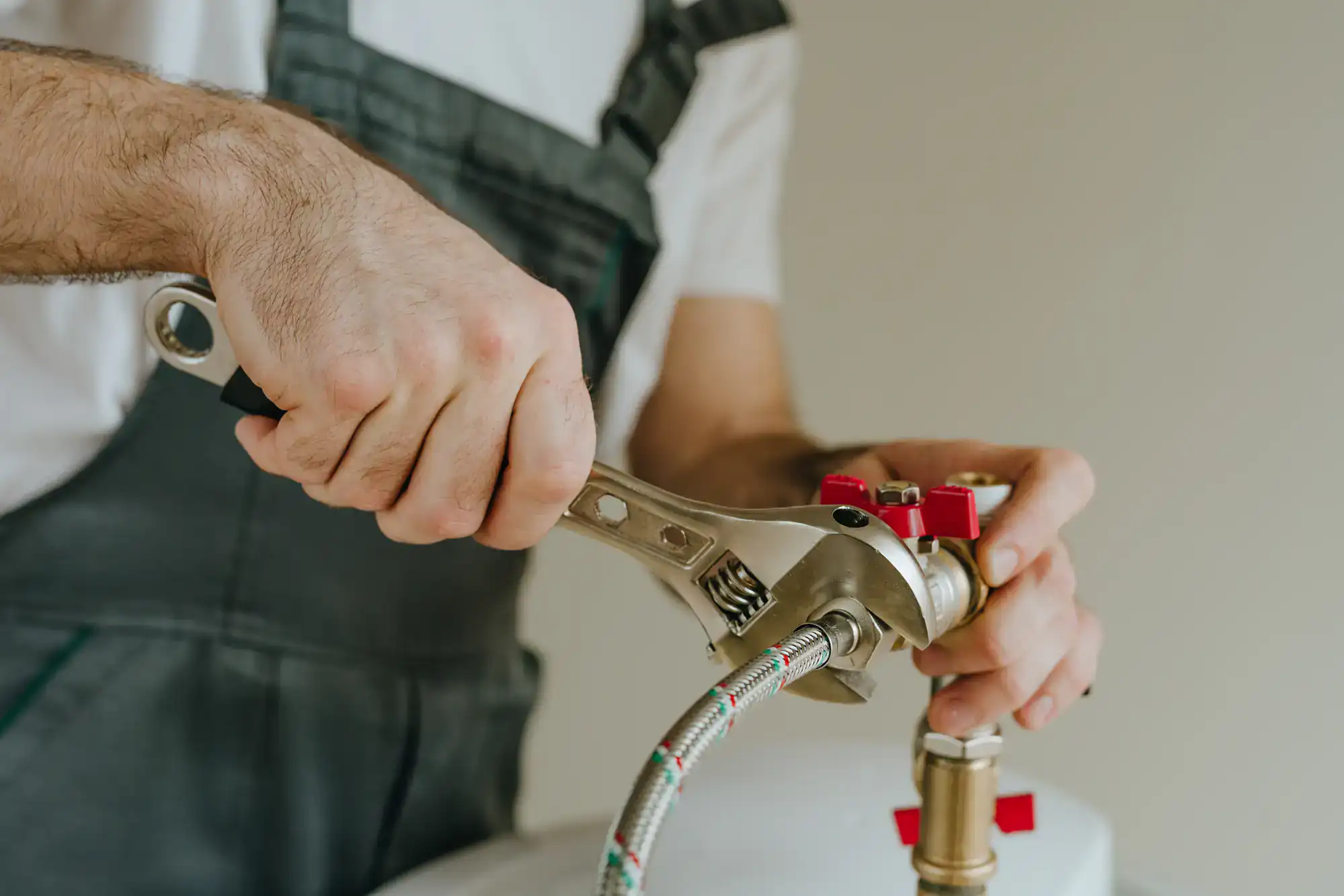
It starts with an honest assessment of your home’s existing infrastructure not a generic quote over the phone. In Curtis Park, where many homes were built in the 1910s through 1940s, that assessment matters more than most people realize. Gas lines from that era are often undersized for a modern tankless unit, and venting configurations built around original natural draft systems don’t always translate directly to what a high-efficiency unit requires. We need to know what we’re working with before we commit to anything.
Once the assessment is complete, you get a full upfront quote gas line upgrades, venting modifications, seismic strapping, all of it. Sacramento County requires a permit for every water heater installation under California Plumbing Code Section 502.1, and we handle that entire process: application, scheduling the inspection, and getting the final sign-off from the City of Sacramento’s building department. You don’t touch a form.
The installation itself is handled by our licensed plumbers who know how to work carefully in older homes original plaster walls, tight utility spaces, and century-old framing require a different level of attention than new construction. When the job is done, we test the system, close the permit, and you have documentation that protects your home’s value and your homeowner’s insurance coverage going forward.
Ready to get started?
A tankless water heater installation in Curtis Park isn’t a one-size-fits-all job. The homes here are old, and old homes have specific infrastructure realities that have to be addressed before a new system can perform the way it’s supposed to. Our process covers every part of that: gas supply line evaluation and upgrade if needed, proper direct-vent or power-vent configuration based on your home’s existing setup, California-required seismic strapping, and full compliance with the 2024 DOE efficiency standards that now apply to all new gas-fired tankless units in California.
Every installation includes permit management through the City of Sacramento’s building department. For a Curtis Park homeowner with a home valued near a million dollars, that permit record isn’t a formality it’s protection. Unpermitted plumbing work surfaces during home sales, and in a market where Curtis Park homes are moving competitively, it’s not a risk worth taking.
We install gas tankless units sized specifically to your household’s peak hot water demand not a generic recommendation based on square footage. That sizing process accounts for the number of fixtures, simultaneous usage patterns, and your home’s specific gas supply capacity. The result is a system that actually performs the way it was advertised, in a home that’s been standing long before most of Sacramento’s suburbs existed.
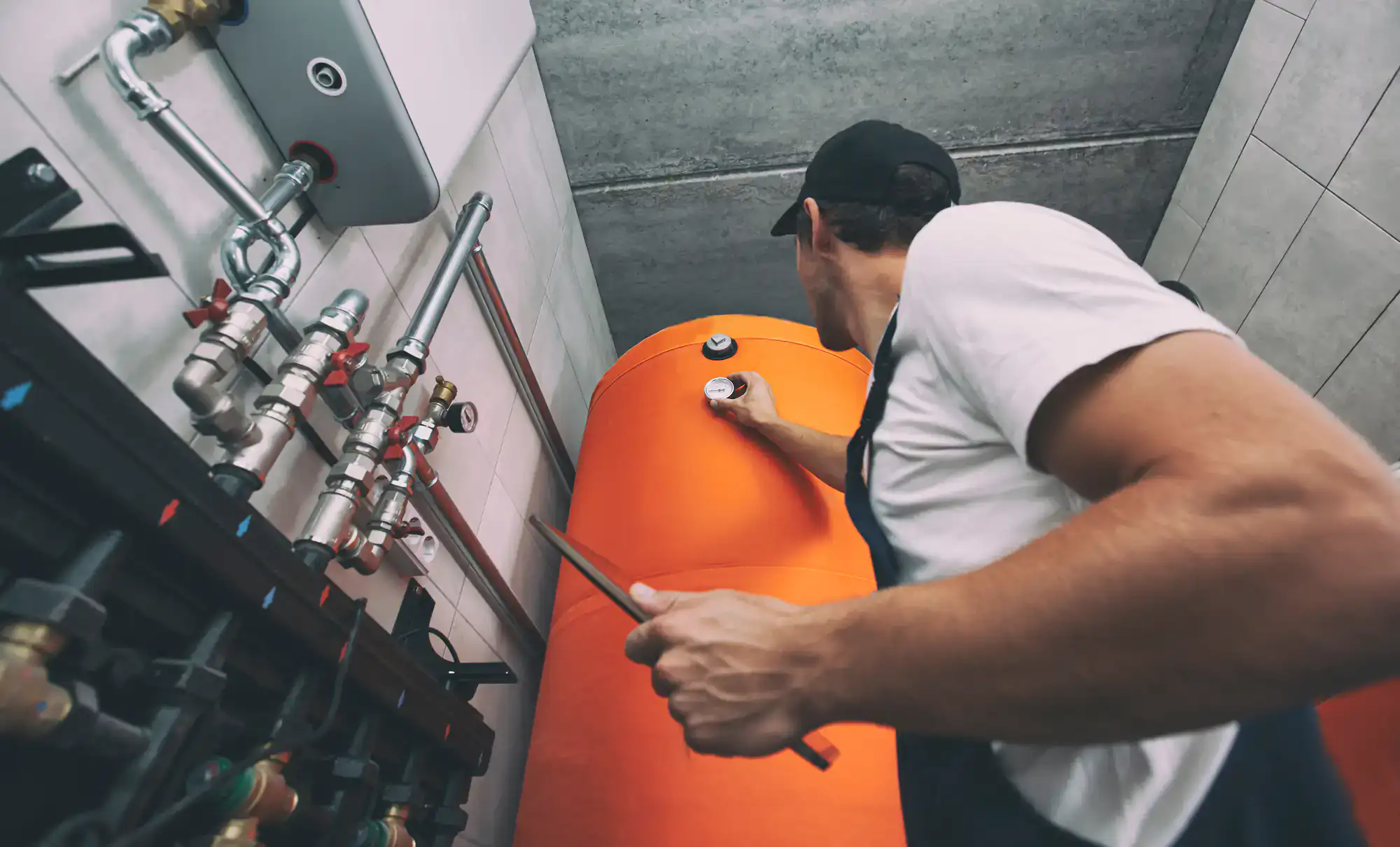
In many cases, yes and it’s one of the most important things to check before any tankless installation in Curtis Park. Most homes in this neighborhood were built between the 1910s and 1940s, and the original gas lines were sized for the appliances of that era. A modern gas tankless water heater typically requires a minimum ¾-inch gas line, and many whole-home units need a full 1-inch line to deliver adequate BTU capacity. If your existing line is undersized, the unit will underperform regardless of its rated output.
This is exactly why we conduct a full assessment before quoting anything. If your gas line needs to be upgraded, you’ll know the complete cost including that upgrade before any work begins. There are no surprises after the walls are open. For a home that’s been standing for a century, knowing what you’re working with upfront is the only responsible way to approach the job.
Yes, without exception. California Plumbing Code Section 502.1 requires a permit for every water heater installation or replacement in Sacramento County, and the City of Sacramento’s building department enforces this for Curtis Park specifically. After installation, a building inspection is required to confirm the work meets code before the permit can be officially closed.
For Curtis Park homeowners, this isn’t just a regulatory technicality. With median home values in the neighborhood approaching a million dollars, unpermitted plumbing work is a real liability one that shows up during home sales and can complicate or kill a transaction at the worst possible time. Buyers’ agents and inspectors at this price point routinely check permit history. We handle the entire permit process from start to finish: application, inspection scheduling, and final sign-off. You don’t have to navigate the City of Sacramento’s building department on your own.
The national average for a tankless water heater installation runs between $1,400 and $3,895, with most jobs landing around $2,600. In Curtis Park, the total cost can be higher depending on the condition of your home’s existing infrastructure. If your gas line needs to be upgraded to support a tankless unit which is common in the neighborhood’s pre-war housing stock that work typically adds $1,500 to $2,500 to the project. Venting modifications can add cost as well, depending on your home’s current configuration.
The important thing is knowing the full number before work starts, not after. We quote the complete job upfront including any gas line upgrades, venting changes, seismic strapping, and permit fees required by Sacramento County. Customers have specifically noted that their final bill came in under the original estimate. That’s not the norm in this industry, but it reflects how we approach pricing: honestly, with the full picture on the table from the beginning.
Yes but it requires a proper assessment first, not an assumption. The homes in Curtis Park are genuinely historic, and they come with plumbing infrastructure that reflects when they were built. Galvanized steel supply pipes, undersized gas lines, and original venting configurations are all common in homes from this era. None of these are automatic disqualifiers for going tankless, but they do need to be evaluated and addressed before installation.
A licensed plumber who understands pre-war construction will check your gas supply capacity, assess the existing venting setup, and identify any modifications needed to bring the system up to current California Plumbing Code requirements. In most Curtis Park homes, those modifications are manageable and the result is a system that performs reliably for 20+ years in a home that was already built to last. The key is working with someone who knows what to look for in an older home, not someone treating it like a 1990s tract house.
For a straightforward replacement where the gas line is adequately sized and the venting configuration is compatible a tankless water heater installation typically takes four to eight hours in a single visit. In Curtis Park, where homes often require some infrastructure work before the unit can be installed, the timeline can extend depending on the scope of that work.
We handle same-day installations on most calls, which matters when your water heater has already failed and your household is without hot water. The permit process runs parallel to the installation we submit the application to the City of Sacramento’s building department and schedule the inspection, so the permitting doesn’t add unnecessary delay to getting your system up and running. By the time the inspection is complete and the permit is closed, you have a fully documented, code-compliant installation and a system that’s ready to run for the next two decades.
For most Curtis Park homeowners currently on natural gas, a gas tankless unit remains the more practical choice particularly in homes where the existing electrical panel isn’t sized to handle the load that an electric tankless system requires. Electric tankless units demand significant amperage, and upgrading a panel in a historic Curtis Park home adds cost and complexity that often makes the gas route more straightforward.
From a performance standpoint, gas tankless units deliver higher flow rates typically 5 to 10-plus gallons per minute which means they handle simultaneous demand across multiple fixtures without dropping temperature. Sacramento’s climate also works in your favor here: groundwater temperatures are moderate year-round, so a properly sized gas unit doesn’t have to work as hard as it would in colder climates to reach your target output temperature. California’s regulatory landscape around gas appliances is evolving, and it’s worth discussing long-term options with a licensed installer but for a Curtis Park home on an existing gas system today, a high-efficiency gas tankless unit sized correctly for your household is a sound, long-term investment.