Low water pressure isn't just annoying—it's often a warning sign of serious plumbing problems that can damage your home and drain your wallet.
Share:
Summary:
Low water pressure rarely happens overnight. Most homeowners notice a gradual decline that becomes more obvious over time, making it easy to dismiss as “just one of those things.” But your plumbing system doesn’t lose pressure without reason.
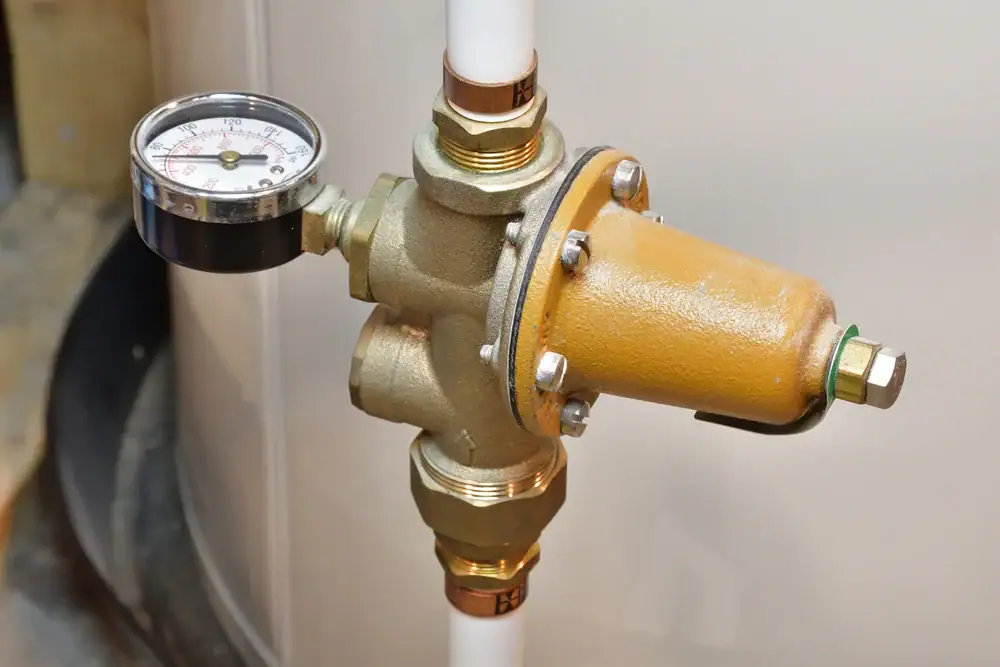
The most common culprits include corroded pipes, especially in older homes with galvanized steel plumbing that develops rust buildup over time. Hidden leaks can also divert water away from your fixtures, reducing the pressure you feel at faucets and showerheads. Sometimes the issue stems from your pressure regulator —a bell-shaped component that controls water flow into your home—which can malfunction and suddenly drop pressure throughout your entire house.
Major leaks are one of the most serious causes of low water pressure, and they’re often the hardest to detect until significant damage occurs. Unlike a dripping faucet you can see and hear, these leaks happen behind walls, under floors, or in your yard where they quietly steal water pressure while potentially causing thousands of dollars in damage.
When water escapes through hidden leaks, less reaches your fixtures, creating that frustrating weak flow you experience daily. But the pressure drop is just the beginning of your problems. These leaks can damage your home’s foundation, promote mold growth, and contaminate your drinking water supply. The longer they go unaddressed, the more extensive and expensive the damage becomes.
You might notice bubbling paint, unexplained wet spots, or hear the sound of running water when all fixtures are turned off. If low pressure affects only one area of your home, there’s likely a leak nearby. Some homeowners discover they’ve been living with major leaks for months or even years, unaware that their gradually declining water pressure was actually their home crying out for help.
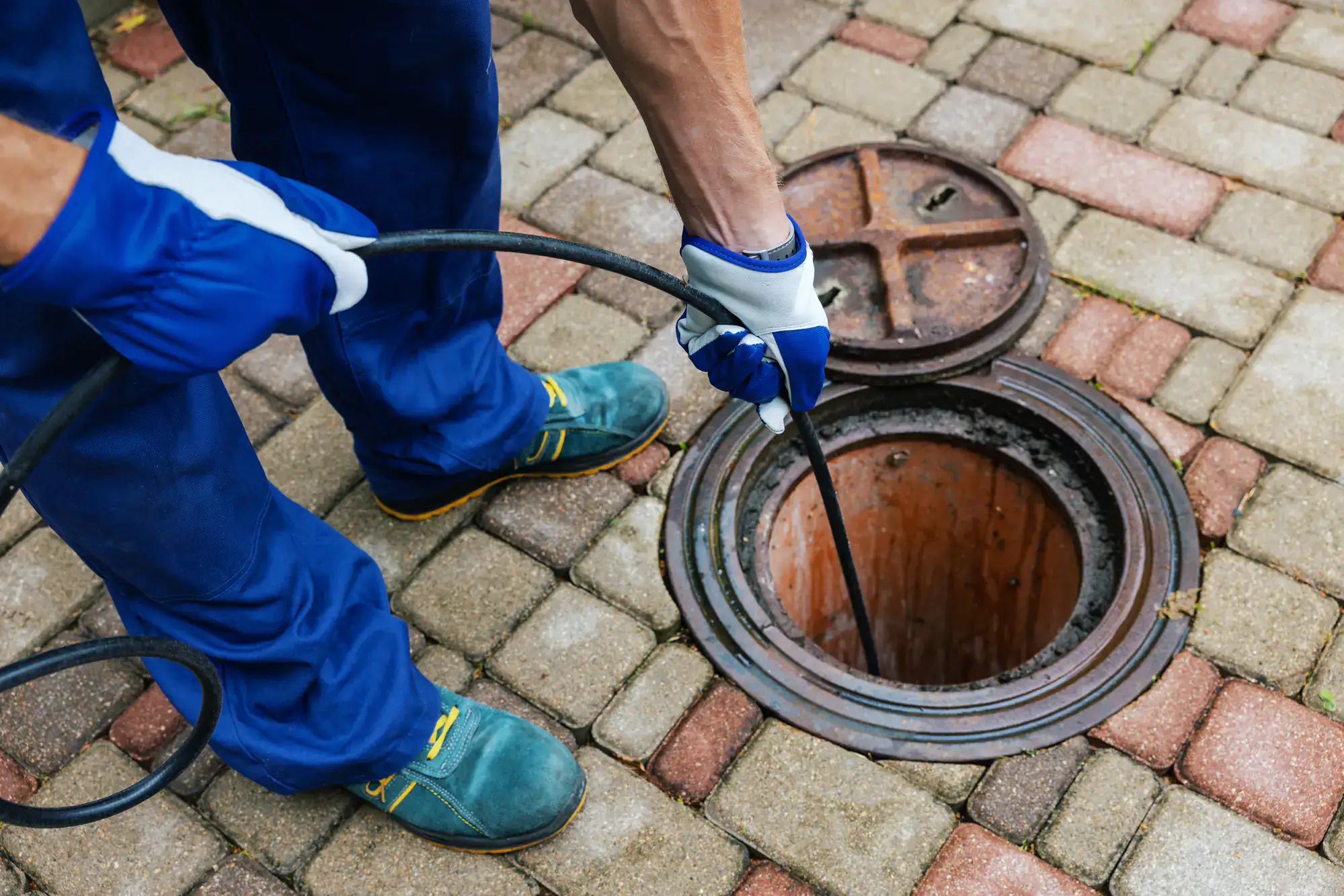
Professional leak detection services use specialized equipment to locate these hidden problems without unnecessary digging or wall demolition. The investment in proper detection pays for itself by preventing the extensive damage that uncontrolled leaks inevitably cause.
Older homes in Folsom, El Dorado Hills, and surrounding areas often feature galvanized steel pipes that seemed like a good idea decades ago but create serious problems today. These pipes develop rust and corrosion on the inside, gradually narrowing the pathway for water flow and reducing pressure throughout your home.
The corrosion process happens slowly, which explains why many homeowners don’t notice the pressure drop until it becomes severe. What starts as minor rust buildup eventually restricts water flow so significantly that normal household activities become frustrating exercises in patience. You might notice rusty or discolored water, especially first thing in the morning, which indicates advanced corrosion inside your pipes.
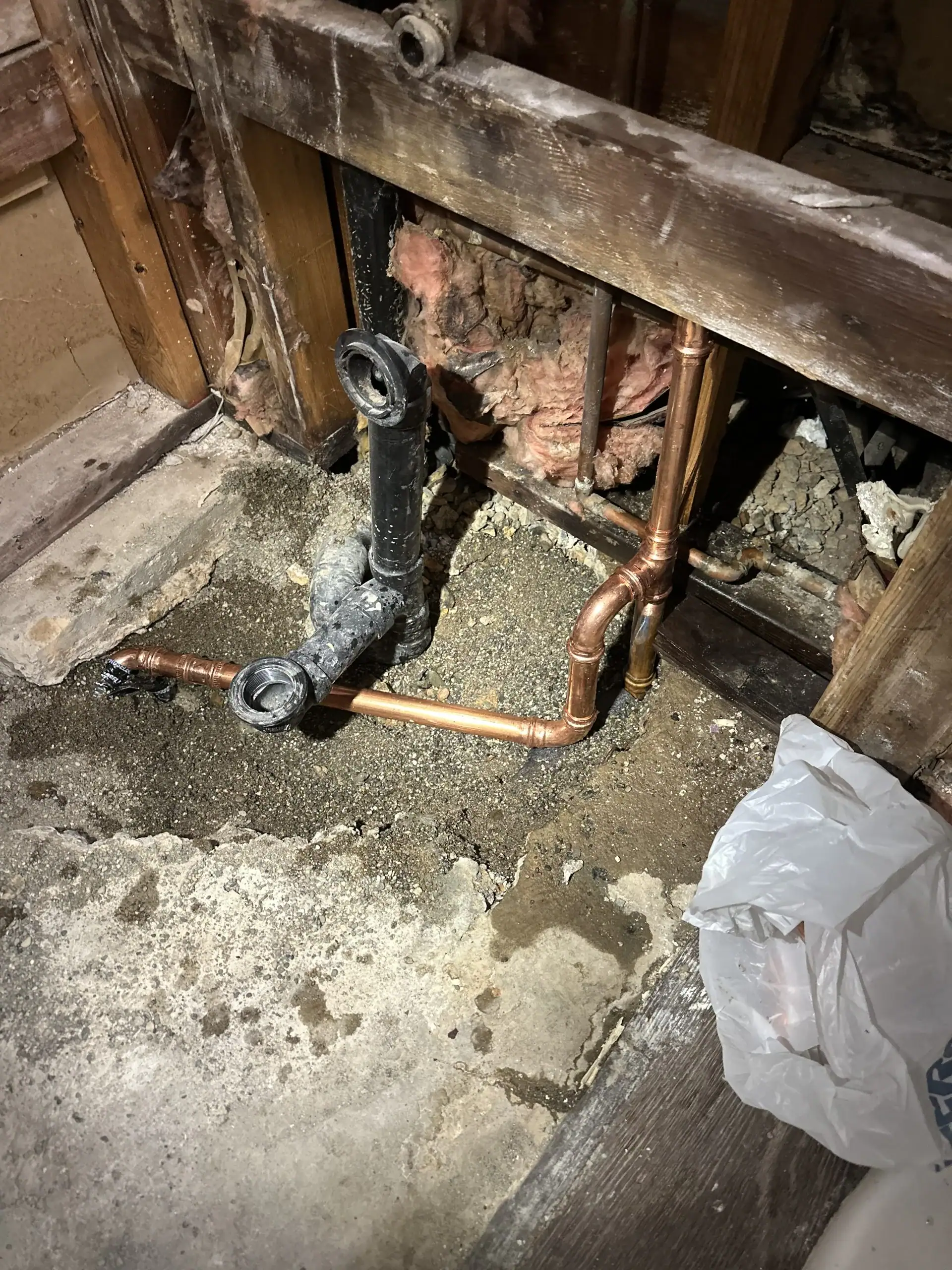
Unfortunately, there’s no quick fix for extensively corroded pipes. Once the internal diameter becomes too narrow, the only real solution is repiping your home with modern materials like copper or PEX. While this represents a significant investment, it’s often necessary to restore proper water pressure and prevent more serious problems.
The good news is that modern plumbing materials resist corrosion much better than older galvanized steel. A professional plumber can assess your pipes’ condition and help you understand whether spot repairs might buy you time or if full replacement makes more financial sense. Many homeowners are surprised to learn that repiping costs less than they expected and dramatically improves their daily quality of life.
Want live answers?
Connect with a Murray Plumbing expert for fast, friendly support.
What many homeowners don’t realize is that low water pressure often signals problems that worsen rapidly once they start. Ignoring these warning signs doesn’t make them disappear—it gives them time to cause more extensive and expensive damage.
Think of low water pressure as your home’s check engine light. You can keep driving with it on, but you’re risking a breakdown that could have been prevented with timely attention. The same principle applies to your plumbing system, where small problems become big disasters when left unaddressed.
Hidden leaks that cause low water pressure don’t just waste water—they can seriously damage your home’s foundation and structural integrity. Water that escapes from pipes and collects around your foundation can cause soil erosion, settlement issues, and cracks that compromise your home’s stability.
In areas like Cameron Park, Shingle Springs, and Diamond Springs, where soil conditions vary, foundation damage from plumbing leaks can be particularly problematic. The water that’s supposed to reach your fixtures instead saturates the ground around your home, creating conditions that promote foundation movement and settling.
Basement flooding, crawl space moisture problems, and unexplained cracks in walls or ceilings often trace back to plumbing leaks that started as minor pressure drops. By the time you notice these secondary problems, the leak has usually been active for months or years, causing damage that far exceeds the cost of early detection and repair.
We use electronic leak detection equipment and video inspection tools to locate problems before they cause structural damage. This technology allows us to pinpoint leak locations without destructive digging or demolition, making repairs faster and less disruptive than traditional methods.
Beyond the obvious frustration of weak showers and slow-filling sinks, low water pressure creates ripple effects throughout your daily routine that many homeowners don’t immediately connect to their plumbing problems. Simple tasks like washing dishes, doing laundry, and maintaining personal hygiene become time-consuming ordeals that disrupt your family’s schedule.
Your appliances suffer too. Dishwashers and washing machines rely on adequate water pressure to function properly, and insufficient pressure can lead to poor cleaning performance, longer cycle times, and premature wear on internal components. Water heaters may struggle to maintain consistent temperatures when pressure drops, leading to lukewarm showers and higher energy bills as the system works harder to compensate.
The cumulative effect of these daily frustrations often costs more than professional plumbing repairs would have. You waste time on tasks that should be quick and simple, use more hot water as you wait for adequate flow, and potentially face expensive appliance repairs or replacements due to poor water pressure performance.
Many Folsom and Placerville area homeowners report that addressing their water pressure problems dramatically improved their quality of life in ways they hadn’t expected. Professional diagnosis and repair restore not just water pressure, but also the convenience and efficiency that modern plumbing should provide.
Recognizing when low water pressure requires professional attention can save you thousands of dollars and prevent serious damage to your home. If you’re experiencing pressure problems that affect multiple fixtures, notice discolored water, or hear unexplained sounds in your walls, it’s time to call a qualified plumber who understands local plumbing challenges.
Professional diagnosis identifies the root cause of pressure problems rather than just treating symptoms. Modern detection equipment can locate hidden leaks, assess pipe condition, and determine whether your pressure regulator needs adjustment or replacement. This thorough approach ensures you get lasting solutions rather than temporary fixes that fail when you need them most.
We have been helping homeowners throughout Folsom, El Dorado Hills, Placerville, and surrounding communities protect their homes from plumbing problems that start with low water pressure. Don’t let minor pressure drops become major disasters—professional help is available when you need it.
Article details:
Share:
Continue learning: