Not all plumbing services are equal. Some prevent disasters. Others just delay them. Here's what actually matters for your El Dorado County home.
Share:
Summary:
Most leaks don’t announce themselves. They start small. A slow drip behind a wall. A pinhole in a pipe under your slab. By the time you notice water stains or a spike in your bill, the damage is already spreading.
That’s where professional leak detection comes in. We use tools like thermal imaging cameras and acoustic sensors to pinpoint leaks without ripping apart your walls or floors. It’s not guesswork. It’s precision.
El Dorado County homes, especially older ones built on farmland, deal with slab leaks more than most areas. Acidic soil corrodes copper pipes over time. Hot water lines are especially vulnerable because heating and cooling cycles create condensation that combines with that soil. Ground settling adds stress. Eventually, something gives.
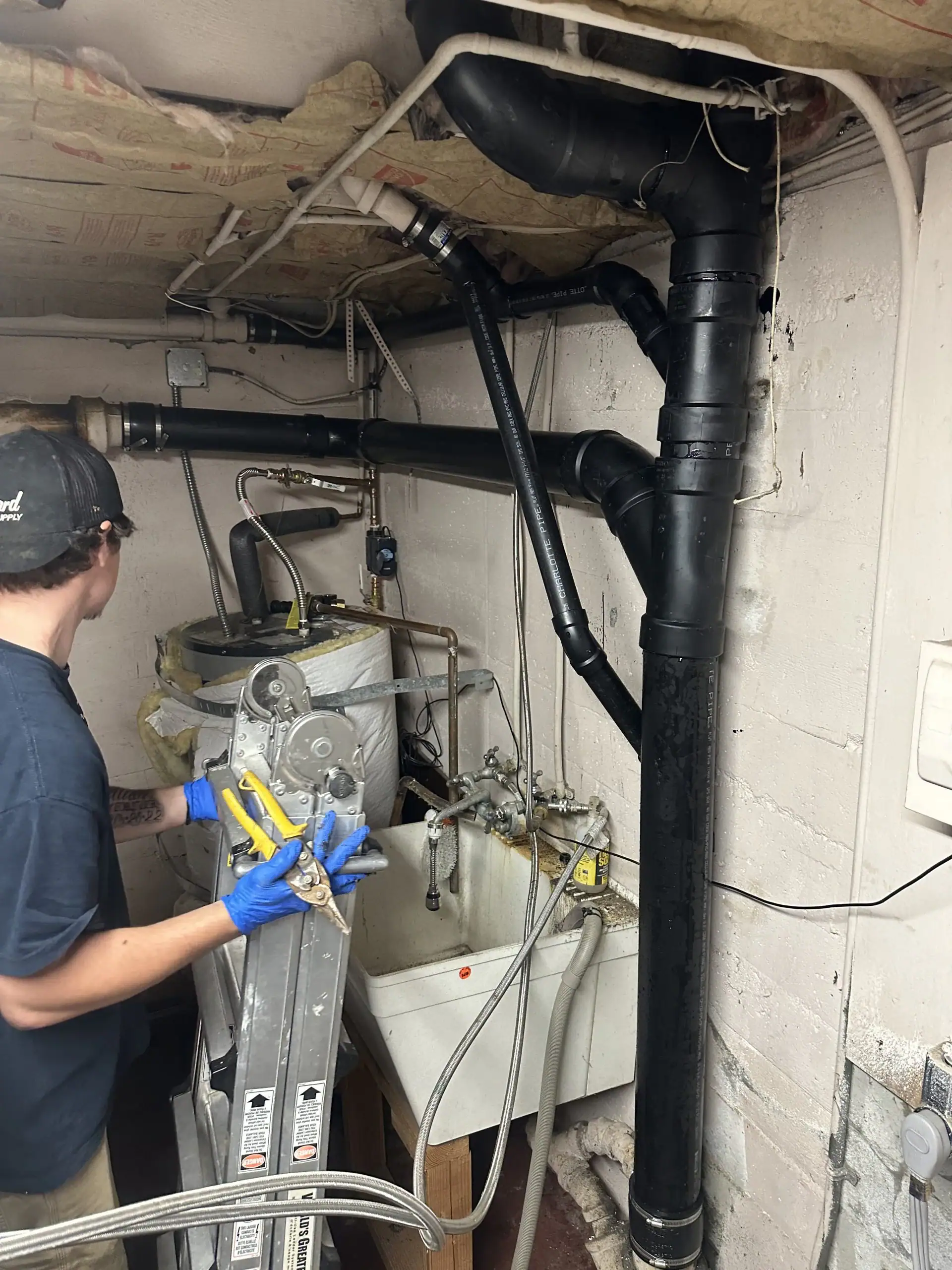
Your water bill is usually the first clue. If it jumps without explanation, you’re losing water somewhere. But there are other signs that show up before the bill does.
Check for warm spots on your floors. That’s a red flag for a hot water line leak under your slab. Look for cracks in your foundation or walls that weren’t there before. Listen for the sound of running water when nothing’s turned on.
Damp spots on floors or carpets, especially near plumbing fixtures, tell you water’s escaping. Mildew smells in areas that should be dry mean moisture is building up somewhere hidden. Low water pressure throughout the house can signal a leak in your main line.
You might also notice your water heater running more often than usual, working harder to keep up because water’s leaking out before it reaches your faucets. Grass that’s greener in one spot of your yard can mean a leak in an underground line is fertilizing that area.
The longer a leak runs undetected, the more damage it causes. Water weakens drywall, rots wood framing, and creates conditions for mold that spreads fast once it starts. Foundation damage from slab leaks can cost tens of thousands to repair if you wait too long.
Professional leak detection doesn’t just find the problem. It shows you exactly where it is so repairs can be targeted and efficient. No unnecessary demolition. No guessing. Just a fix that actually solves the issue.
When you call us for leak detection, we start by asking about symptoms. When did you first notice the problem? Has your water bill changed? Are there any visible signs of moisture?
From there, we use specialized equipment to scan your plumbing system. Acoustic listening devices pick up the sound of water escaping from pipes, even behind walls or under concrete. Infrared cameras detect temperature differences that indicate moisture where it shouldn’t be. Moisture meters measure water content in materials like drywall and flooring.
For slab leaks, we may use pressure testing to isolate which line is leaking. We’ll also inspect your water heater, check for sediment buildup, and look at how your system is performing overall.
Once the leak is located, you get a clear explanation of what’s wrong and what it’ll take to fix it. Depending on the location and severity, repairs might involve accessing the pipe through the floor, rerouting lines, or in some cases, repiping sections of your plumbing.
The cost of leak detection is a fraction of what you’d spend dealing with unchecked water damage. Mold remediation alone can run thousands. Structural repairs to foundations or framing cost even more. Early detection stops those problems before they start.
For El Dorado County homeowners, leak detection isn’t optional maintenance. It’s protection against the specific challenges this area creates. Acidic soil. Temperature swings. Aging pipes. All of it adds up over time, and catching leaks early keeps your home and your wallet intact.
Want live answers?
Connect with a Murray Plumbing expert for fast, friendly support.
Slow drains are easy to ignore. You tell yourself it’s not that bad. You pour some chemical cleaner down and hope for the best. Then one day, the sink backs up completely, or worse, your sewer line fails and you’ve got a real mess on your hands.
Drain cleaning isn’t just about unclogging what’s already blocked. It’s about preventing buildup that leads to bigger problems. Hair, grease, soap scum, and mineral deposits accumulate over time. In El Dorado County, hard water makes this worse by leaving scale inside your pipes that narrows the flow.
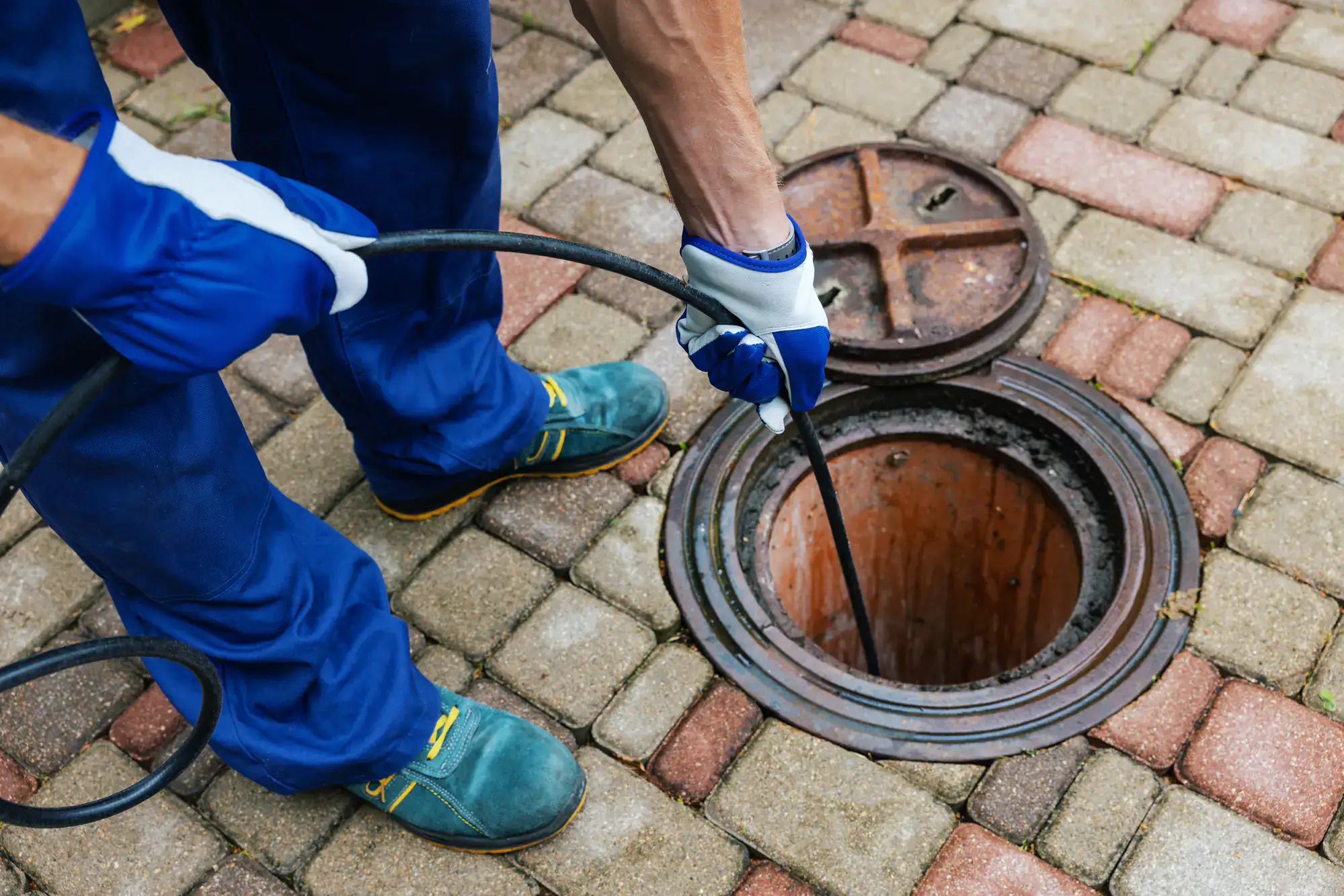
Professional drain cleaning uses methods that actually clear the problem instead of just pushing it further down the line. Hydro jetting, for example, uses high-pressure water to blast away grease, roots, and debris that snakes can’t reach. It’s thorough, and it lasts.
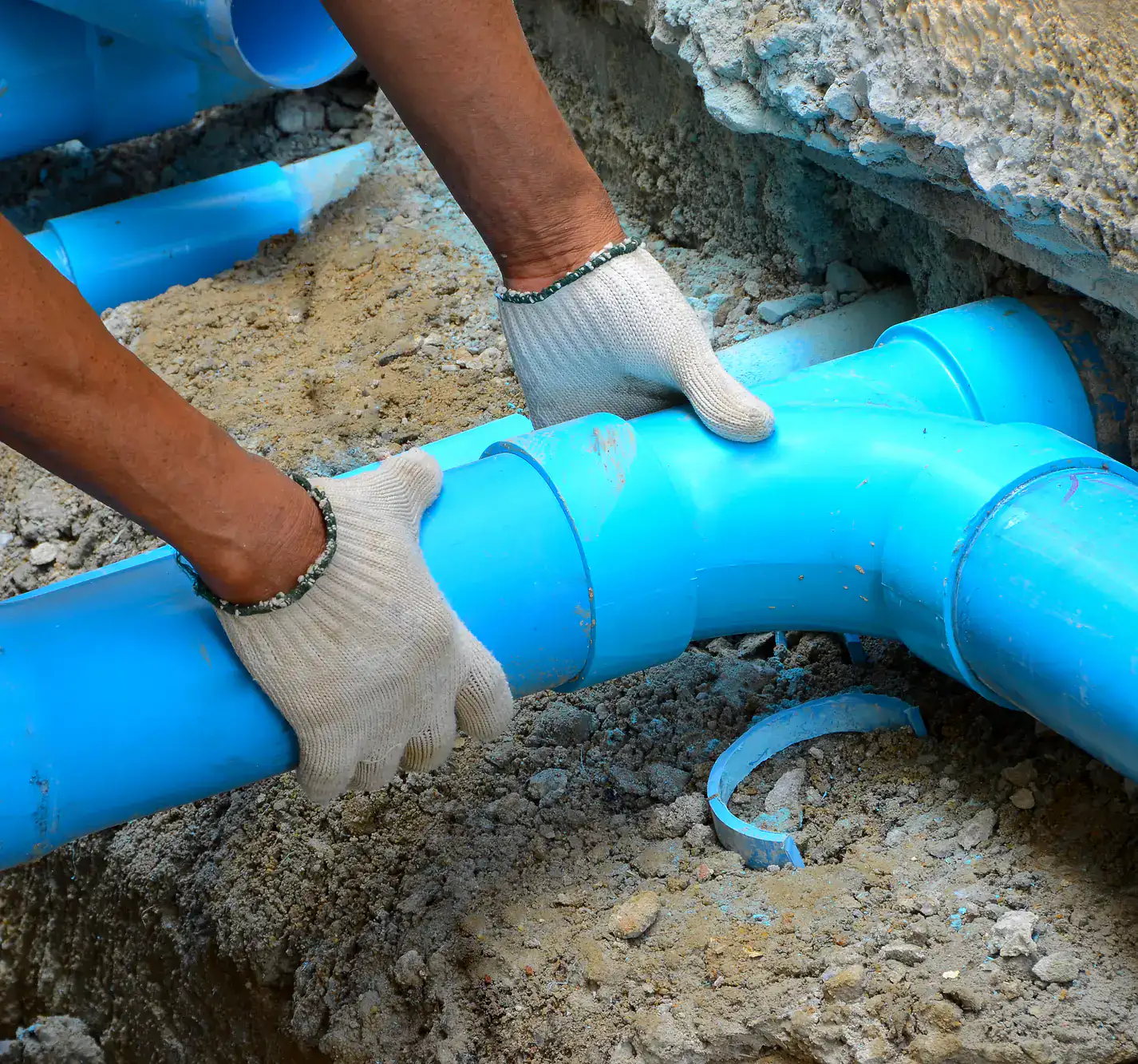
You don’t always need a plumber for a slow drain. Sometimes a plunger or a simple snake does the job. But there are signs that point to a bigger issue that needs professional tools and expertise.
Multiple drains backing up at the same time means the problem is in your main sewer line, not just one fixture. That’s not something you can fix with a bottle of drain cleaner. Gurgling sounds coming from drains when you flush the toilet or run water elsewhere signal a venting issue or a partial blockage in the line.
Foul smells coming from drains, especially sewer odors, indicate buildup or a break in the line that’s letting gases escape. Water pooling around floor drains in your basement or garage means something’s preventing proper drainage.
If you’ve tried clearing a clog yourself and it keeps coming back, that’s a sign the blockage is deeper in the system or there’s an underlying issue like tree root intrusion. Roots are a common problem in El Dorado County, where mature trees near homes send roots into sewer lines looking for water.
Slow drainage in multiple fixtures, even if they’re not completely blocked, tells you there’s restriction building up in your pipes. Over time, that restriction gets worse until you’re dealing with a full backup.
Chemical drain cleaners might seem like a quick fix, but they’re harsh on your pipes. Used repeatedly, they corrode the interior of your plumbing, especially if you have older galvanized or cast iron lines. They also don’t remove the entire clog, so the problem comes back.
Professional drain cleaning gets to the root cause. We can camera-inspect your sewer line to see exactly what’s causing the blockage—whether it’s grease buildup, roots, or a collapsed section of pipe. From there, we recommend the right solution, whether that’s hydro jetting, root removal, or in severe cases, line replacement.
You can’t stop drains from accumulating some buildup over time, but you can slow it down and catch problems before they turn into emergencies. Start by being mindful of what goes down your drains.
In the kitchen, never pour grease or oil down the sink. It’s liquid when hot, but it cools and solidifies inside your pipes, creating a sticky trap for other debris. Scrape plates into the trash before rinsing them, even if you have a garbage disposal.
In bathrooms, use drain screens to catch hair before it goes down. Hair is one of the biggest culprits for shower and tub clogs, and it’s easy to prevent with a simple strainer you clean out every week or two.
Avoid flushing anything other than toilet paper and human waste. Wipes labeled “flushable” aren’t actually safe for your plumbing. They don’t break down like toilet paper and can cause serious clogs in your sewer line. Feminine hygiene products, cotton swabs, and dental floss should go in the trash, not the toilet.
Run hot water down your drains after each use to help flush away soap and grease before they solidify. Once a month, pour a mixture of baking soda and vinegar down your drains, let it sit for 15 minutes, then flush with hot water. It’s a natural way to keep things clear without the harsh chemicals.
For homes with hard water, consider installing a water softener. It won’t just help your drains—it’ll extend the life of your water heater, protect your fixtures, and make cleaning easier throughout your home.
Schedule professional drain cleaning every year or two, even if you’re not having problems. It’s preventative maintenance that keeps your system running smoothly and catches issues before they become expensive emergencies. We can also inspect your sewer line with a camera to check for root intrusion or other developing problems.
Plumbing emergencies don’t wait for business hours. Burst pipes at 2 AM. Sewer backups during dinner. Water heaters failing before your morning shower. When something goes wrong and water’s actively damaging your home, you need a plumber who answers and shows up fast.
That’s what separates a good plumbing company from one you can actually count on. We offer 24/7 emergency service because we know disasters don’t schedule themselves. It’s the difference between contained damage and a crisis that costs thousands more to fix.
El Dorado County’s foothill location means overnight temperatures can drop significantly in winter, affecting exposed pipes and crawlspace plumbing. Homes built mid-20th century may have galvanized supply lines that fail without warning. When these emergencies hit, response time matters more than anything else.
Article details:
Share:
Continue learning: