
Main Office
Placerville
Open 24/7- 4330 Panorama Dr, Unit 36
Placerville, CA 95667 - (530) 444-5419
- Open 24 hours, 7 days a week
Sewer Cleaning
Get a free quote for sewer cleaning from your local plumbing team.
We’ll contact you about your sewer cleaning request. Privacy policy
Hear from Our Customers
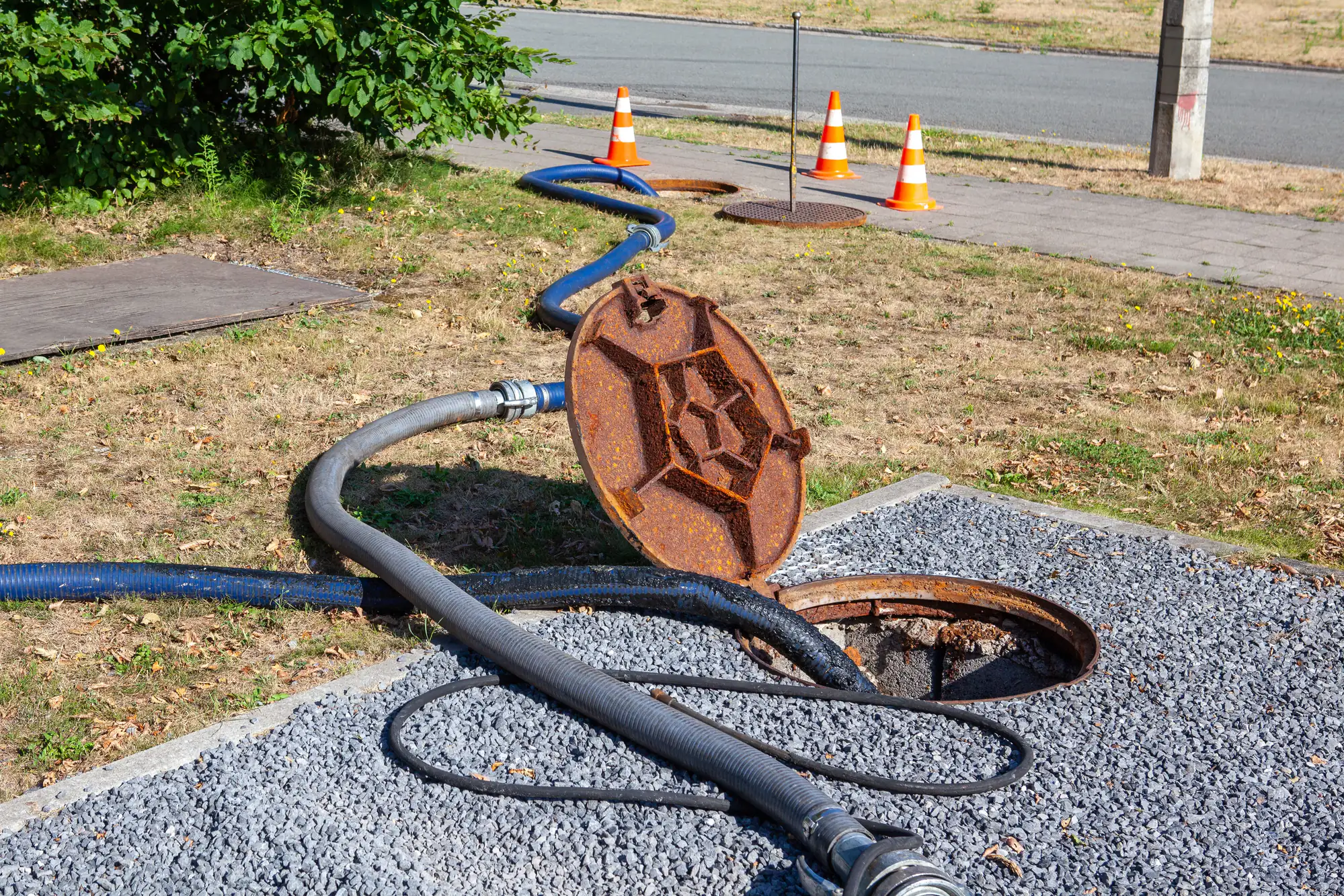
A backed-up or sluggish sewer line isn’t just an inconvenience on a rural Latrobe property, it can affect your drainage, your yard, and depending on your setup, your water quality. Getting it properly cleaned means your system moves freely again, without the slow drain anxiety that tends to creep back every few weeks when the job wasn’t done right the first time.
The bigger issue for homes in this area is what’s causing the problem in the first place. The 95682 corridor is full of homes built in the 1970s, and most of those original sewer laterals were laid in clay tile or Orangeburg pipe materials that are now 50-plus years old and genuinely vulnerable. Add in the native blue oak and valley oak that define this landscape, and you’ve got aggressive root systems actively seeking out every joint gap and hairline crack in your line. A real cleaning addresses that. A quick snake-through doesn’t.
Latrobe’s wet winters make this more urgent than people realize. When the rains hit and soils saturate, a line that was “mostly fine” in October can back up hard by December. Getting ahead of it especially on a property where there’s no city crew to call is just smart maintenance.
We’ve been working in El Dorado County for over two decades. Not as a franchise. Not as a regional chain with a local phone number. As an independently operated plumbing company that has spent years on properties exactly like yours rural acreage in Latrobe, mature trees overhead, older pipe underground, and no municipal backup when something goes wrong.
That kind of experience matters here. The foothill corridor between Shingle Springs and Latrobe has its own set of conditions clay-heavy soils, seasonal ground movement, aging infrastructure, and tree root pressure that doesn’t quit. We’ve seen it all, and we know what a real fix looks like versus a temporary one.
Our 4.7 out of 5 rating across 93 verified Google reviews reflects what customers have actually experienced: someone who showed up on time, explained the problem clearly, quoted a fair price upfront, and followed through. More than a few have noted the final bill came in at or below the original estimate. That’s not an accident it’s just how we operate.

It starts with a call. You tell us what you’re dealing with slow drains, a backup, a smell that won’t quit, or just a 50-year-old house you’ve never had inspected. We give you a straight answer on what we can do and what it’ll cost before we schedule anything. No vague ranges, no “we’ll figure it out when we get there.”
When we arrive, we run a sewer camera through the line first. On rural properties along the Latrobe Road corridor, that step matters more than most people expect your lateral might run 80 to 100 feet or more before reaching a connection point, and without a camera, nobody actually knows what’s happening in there. Root intrusion, buildup, a cracked section you’ll see it on the screen the same time we do. From there, we clean based on what we actually find, not a one-size approach.
Because Latrobe is unincorporated El Dorado County, there’s no city permit office involved for standard cleaning work but if the inspection turns up something that needs repair or replacement, we walk you through exactly what that involves, what the county requires, and what it’ll cost. No surprises. If everything checks out clean, we tell you that too.

Ready to get started?
Every sewer cleaning job we do starts with a camera inspection not as an upsell, but as the baseline. On properties in the Latrobe area, where lines are often older, longer, and running through active root zones, guessing at the problem wastes your time and money. The camera shows us the full picture before any work begins.
From there, the cleaning itself addresses whatever the line actually needs. For most homes with standard buildup or early-stage root intrusion, a thorough mainline cleaning clears the full circumference of the pipe not just punching a hole through the blockage. For lines with heavier root growth or significant debris accumulation, we’ll be direct with you about what level of service makes sense and what it’ll run. Typical mainline cleaning in this area falls in the $250 to $500 range depending on line length and condition, and we quote that before we start.
If your property runs on a community sewer connection rather than a fully private system which varies across the unincorporated El Dorado County area we factor that into how we approach access and cleanup. And if the inspection turns up something beyond routine maintenance, like a section of deteriorated Orangeburg pipe or a joint that’s fully separated, you’ll know about it immediately with a clear explanation of your options. No pressure, no manufactured urgency just the actual condition of your line and what it would take to address it.
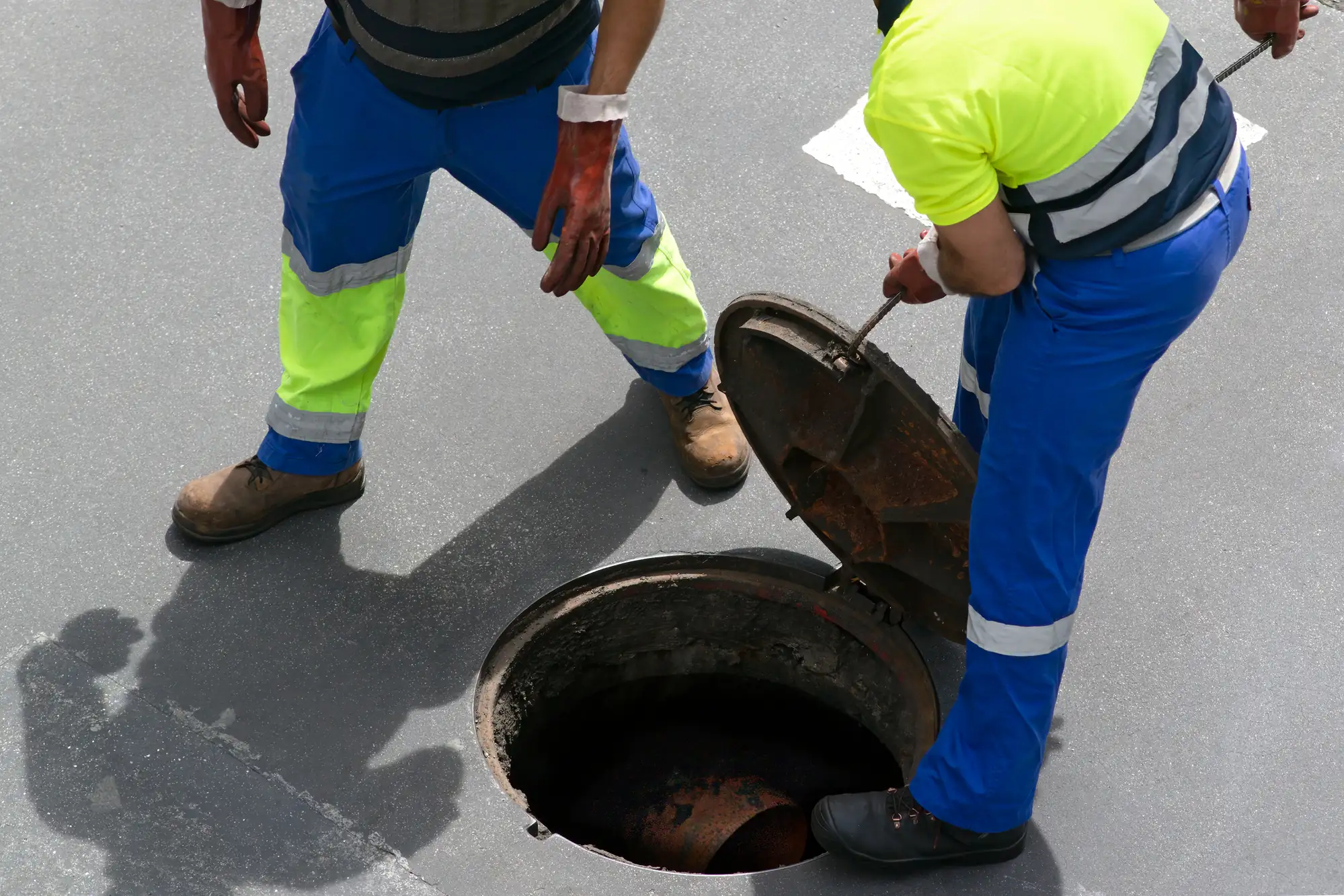
For most homes, professional sewer line cleaning every 18 to 24 months is a reasonable baseline. But in Latrobe, a few things push that number closer to annually for a lot of properties. If your home was built in the 1970s which describes most of the housing stock in the 95682 ZIP your sewer lateral is likely clay tile or Orangeburg pipe. Both materials develop joint gaps over time, and those gaps are exactly where tree roots get in.
The native oaks on and around most Latrobe acreage properties are not passive. Their root systems actively track moisture, and a sewer line is one of the warmest, wettest things underground. Once roots establish inside the pipe, they grow back faster than most people expect after a cleaning. If you’ve had a root-related backup before, annual inspection and cleaning is worth it. If you’ve never had the line looked at and your home is more than 20 years old, a camera inspection is the right starting point just to know what you’re working with.
The two most common causes we see in the Latrobe area are tree root intrusion and aging pipe material and on a lot of properties, you’re dealing with both at the same time. Clay tile pipe, which was standard through most of the 1970s, develops small gaps at the joints as the ground shifts through seasonal wet and dry cycles. The El Dorado foothills get a classic Mediterranean pattern wet winters, dry summers and that repeated soil expansion and contraction puts real stress on underground pipe joints over decades.
Once those gaps exist, roots find them. Blue oak, valley oak, and foothill pine all have wide-spreading root systems, and they’re drawn to the moisture and warmth that a sewer line gives off. Beyond roots, grease accumulation from kitchen drains is a consistent contributor, especially in the months after the holidays. The combination of an older pipe with partial root intrusion and grease buildup is what typically causes a slow drain to turn into a full backup usually at the worst possible time.
It depends on the situation, but for most properties in Latrobe, it’s genuinely the smarter starting point not a tactic to run up the bill. Here’s why: your sewer lateral on a rural acreage property might run 60, 80, or over 100 feet underground before reaching a connection point. Without a camera, nobody actually knows whether the blockage is at 10 feet or 90 feet, whether it’s root material or grease buildup, or whether the pipe itself is intact or compromised.
Cleaning a line without knowing its condition can mean you’re solving a symptom while missing a bigger issue like a cracked section that will back up again within weeks regardless of how well the cleaning goes. The camera puts the actual condition of the pipe on a screen in front of you. You see what we see. If the line is clean and intact, we tell you that. If there’s something that needs attention, you see it yourself and can make an informed decision. That’s the difference between a diagnosis and a guess.
For a standard mainline sewer cleaning in the Latrobe area, you’re typically looking at $250 to $500 depending on line length, accessibility, and what the cleaning actually involves. Properties on larger acreage lots often have longer lateral runs than suburban homes, which can affect the time and equipment required. If the line has significant root intrusion or heavy buildup, that may push the cost toward the higher end of that range but you’ll know the exact number before any work begins.
What you want to avoid is a low advertised price that turns into a much higher invoice once someone is already at your house. We quote the job upfront based on what the camera shows and what the work actually requires. Customers have consistently noted that their final bill came in at or below the original estimate which in this industry is genuinely uncommon. If a repair turns out to be needed beyond routine cleaning, that’s a separate conversation with a separate quote, and you decide whether to move forward.
Yes and in Latrobe specifically, it’s one of the most common reasons homeowners end up with a backed-up line. The native oak woodland that makes this part of El Dorado County so appealing also means mature, wide-spreading root systems are present on most rural properties. Those roots don’t need a large opening to get into a sewer pipe a hairline crack or a slightly separated joint in an aging clay lateral is enough. Once inside, roots grow toward the flow of water and can fill a significant portion of the pipe over time.
The signs are usually gradual before they’re obvious: drains that are slower than they used to be, occasional gurgling from the toilet when you run the sink, or a faint sewage smell near floor drains. By the time you have a full backup, the root mass is typically well-established. A sewer camera inspection is the only reliable way to confirm root intrusion and see how extensive it is. Cleaning removes the root material from the pipe, but it won’t stop regrowth which is why properties with confirmed root intrusion benefit from more frequent inspection intervals.
Call us immediately don’t wait until Monday. A sewage backup on a rural Latrobe property carries different stakes than the same problem in a suburban neighborhood with city infrastructure nearby. There’s no municipal crew on call, no quick city fix. And depending on your property’s drainage setup, a backup that sits can affect more than just your drains it can reach crawl spaces, impact on-site drainage, and create a cleanup situation that costs significantly more than the original plumbing call.
We offer 24/7 emergency sewer service, including nights, weekends, and holidays. When you call after hours, you reach someone who can actually respond not a voicemail that gets returned during business hours. For Latrobe-area homeowners on larger parcels where a backup can escalate quickly, that availability isn’t a bonus feature it’s the thing that determines how bad the situation gets. The faster the line gets cleared, the less damage you’re dealing with afterward. If you’re unsure whether your situation qualifies as an emergency, call anyway and describe what you’re seeing we’ll give you a straight answer.
Our Locations
From the foothills to the valley, Murray Plumbing has a licensed team close by. Find the office nearest you — we’re open 24 hours a day, 7 days a week.