
Hear from Our Customers
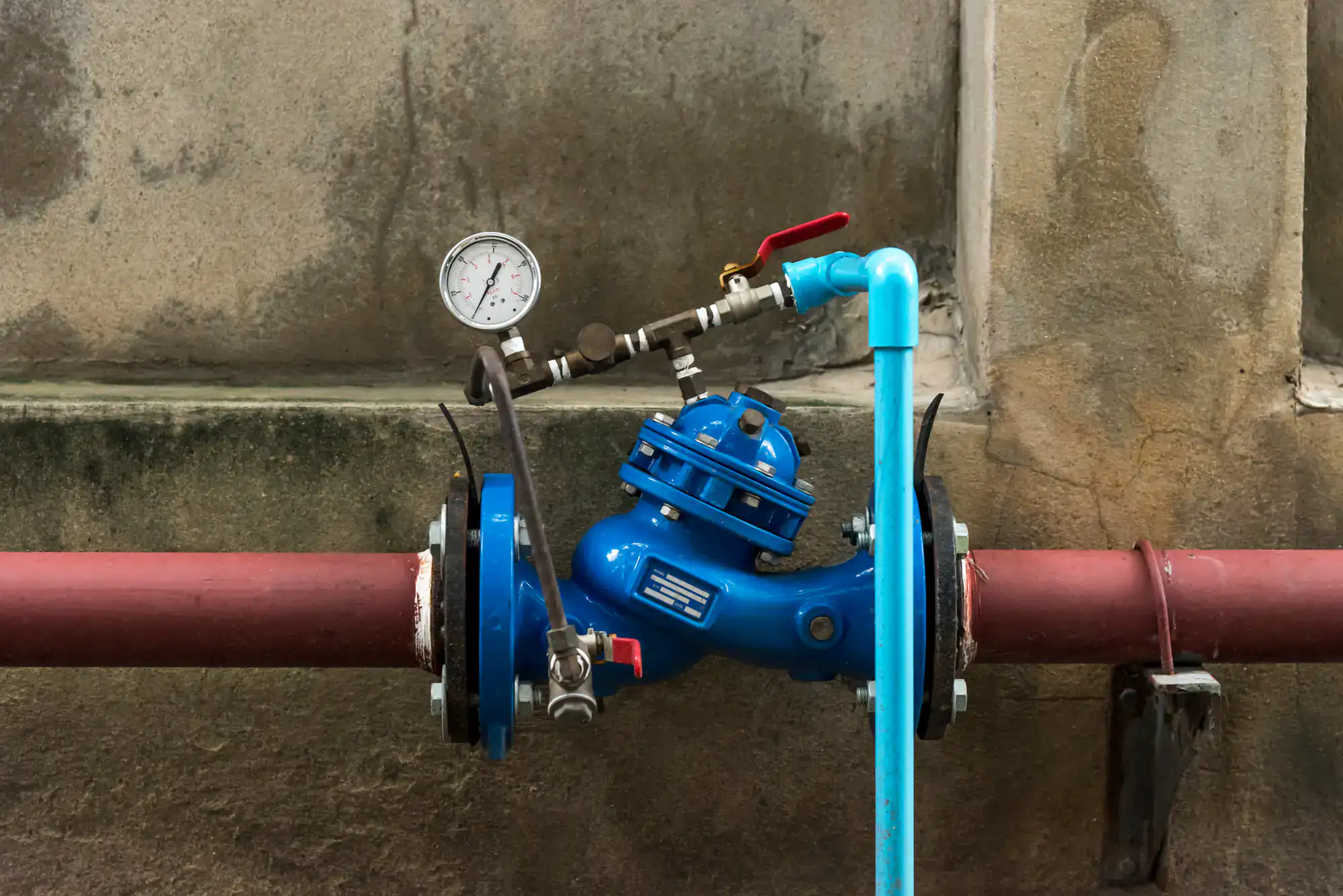
When a seismic event hits, an earthquake shut-off valve automatically cuts your gas supply before a rupture turns into a fire. You don’t have to be home. You don’t have to do anything. The valve responds to ground movement and does its job and you deal with the aftermath of a shaken house, not a burning one.
For Applegate homeowners, that matters in a specific way. Properties here sit on larger parcels with older construction, and many were built long before seismic valves were ever part of a standard install. If your home went up in the 60s, 70s, or 80s, there’s a strong chance no one has ever touched your gas line for earthquake protection. That’s the gap this installation fills.
There’s also the insurance angle. Carriers writing policies in the Sierra foothills are paying close attention to seismic safety features right now the same scrutiny driving wildfire coverage changes is showing up in gas safety requirements too. A documented, permitted valve installation gives you something concrete to put in front of your insurer. And when you eventually sell, it shows up as a done item on the inspection report instead of a flag.
We’ve been doing this work since 2009. Ryan Murray holds California C-36 License #916322 that’s the specific plumbing contractor classification required by state law for gas line and seismic valve work. Not a general contractor’s license. Not a handyman’s certification. The right one. You can verify it yourself at cslb.ca.gov in about a minute.
Applegate is unincorporated Placer County, which means permits for gas line work go through Placer County’s Building Services Division not a city building department. We know that process inside and out. Every installation we complete in Applegate includes a pulled permit, a scheduled county inspection, and written documentation you can hand to your insurer or real estate agent.
The reviews back it up 4.7 out of 5 stars across 93 customers, with people consistently noting that the final invoice came in at or below the original estimate. In a small community like Applegate where neighbors talk, that track record means something.

It starts with a free assessment. We come out to your Applegate property, look at your gas meter configuration, check access conditions, and confirm the right valve size. Rural properties on larger parcels sometimes have meters in unusual locations tucked behind structures, in tight utility spaces, or with non-standard piping. That’s normal out here, and it’s exactly why a phone quote without a site visit isn’t something we do. You get an exact price before any work begins.
Once you’re ready to move forward, we handle the Placer County permit. That’s not optional for gas line work in unincorporated areas it’s required under the county’s adopted building code and it’s included in your price. We install only DSA-certified valves, which is the California standard that satisfies permit requirements, insurance documentation, and real estate disclosure needs. A non-certified valve from a hardware store doesn’t meet that bar, regardless of what the packaging says.
The installation itself typically takes about two hours. After the work is done, we walk you through how the valve works, what triggers it, and importantly what to do if it trips. That last part matters in Applegate. If a seismic event shuts off your gas on a January night at 2,000 feet, you need to know the right steps before you call anyone. We make sure you do.
Ready to get started?
The all-in price for most residential earthquake valve installations in Applegate runs $400–$650. That covers the DSA-certified valve, labor, Placer County permit fees, and written documentation of the valve brand, model, and certification status. If your property’s configuration puts the job outside that range, you’ll know why before we start not after.
Because Applegate sits in unincorporated Placer County, every installation we complete here goes through the county’s Building Services Division for permitting and inspection. That creates a legal record on file with the county. It’s not just paperwork it’s protection. An unpermitted gas modification has to be disclosed in any future home sale and can create real problems with insurance claims. The permit process we follow makes sure that doesn’t happen to you.
PG&E services the natural gas lines in this area, and a question that comes up regularly is whether PG&E handles seismic valve installation. They don’t. If you call them, they’ll direct you to a licensed plumber. That’s where we come in C-36 licensed, DSA-certified valve installation, county permit pulled, documentation provided, and 24/7 availability if you ever need emergency service after a valve trip. For Applegate homeowners on propane rather than natural gas, reach out during your free assessment and we’ll confirm whether your system qualifies and what the right valve option looks like for your setup.
Yes and this is one of the most important things to understand before hiring anyone for this work. Applegate is unincorporated Placer County, which means there’s no city building department. All permits for gas line work go through Placer County’s Building Services Division. The county has adopted the 2025 California Building Standards Code, and gas line modifications including seismic valve installation require a permit and inspection under that code.
What this means practically is that any contractor who skips the permit is leaving you with an unpermitted modification on your property. That has to be disclosed when you sell your home, and it can create complications with insurance claims if the installation is ever questioned. We pull the permit and schedule the county inspection on every job. It’s part of the service, and it’s included in the quoted price not an add-on that shows up later.
For most residential installations in Applegate, the all-in cost runs $400–$650. That’s not a starting price it includes the DSA-certified valve, labor, Placer County permit fees, and written documentation. The reason there’s a range rather than a single flat number is that rural properties here vary more than suburban tract homes. Meter location, access conditions, and piping configuration all affect the time and materials involved.
That’s why the process starts with a free assessment. We come out to your property, look at your specific setup, and give you an exact number before any work begins. If your installation falls outside the typical range for any reason, you’ll know exactly why and you’ll know before you’ve committed to anything. The goal is a price you can plan around, not one that changes on you after the fact.
We install only DSA-certified seismic shut-off valves those approved by California’s Division of the State Architect. This certification is what makes a valve compliant with California permit requirements, acceptable for insurance documentation, and valid for real estate disclosure purposes. A non-certified valve, even one that looks similar and costs less, doesn’t satisfy those requirements regardless of what the product listing claims.
The valve works by responding to horizontal ground acceleration at or above a calibrated seismic threshold typically around 0.2g. That threshold is set specifically to respond to genuine earthquake motion, not vibration from trucks passing on I-80 or heavy equipment nearby. Once tripped, the valve shuts off gas flow automatically. You don’t have to be home, and you don’t have to do anything in the moment. After the event, a licensed plumber needs to inspect your lines and reset the valve which is not something you should do yourself before confirming there’s no damage.
You should not reset the valve yourself until a licensed plumber has inspected your gas lines. The valve tripped for a reason it detected ground movement strong enough to meet its seismic threshold. That doesn’t automatically mean your lines are damaged, but it does mean you need someone qualified to check before gas flow is restored. Resetting the valve without that inspection and then having a damaged line is how gas leaks and fires happen.
After a seismic event in the Applegate area, call us. We’re available 24/7, including nights and weekends, specifically because earthquakes don’t follow business hours. At 2,000 feet elevation, losing heat in the middle of a Sierra foothill winter is a real emergency not just an inconvenience. We’ll inspect your lines, confirm there’s no damage, reset the valve, and restore your gas service as quickly as possible. Every customer who goes through the installation process gets a clear walkthrough of these steps before we leave the job site.
It can, and in the current California insurance market, the conversation has shifted from optional discount to something closer to a requirement for some carriers. Insurers writing policies in Placer County’s foothill communities are paying close attention to seismic safety features the same tightening that’s happened around wildfire coverage is showing up in how carriers evaluate gas safety. A documented, permitted seismic valve installation gives you something concrete to put in front of your insurer.
The specific discount varies by carrier and policy. Some insurers offer a direct premium reduction for a documented seismic shut-off valve. Others factor it into broader risk assessments. What matters is that the installation be done with a DSA-certified valve, a pulled permit, and written documentation which is exactly what we provide. That paperwork is what your insurer will ask for, and having it ready is what makes the conversation productive. Call your carrier before the installation if you want to confirm the specific benefit under your policy.
The Sierra Nevada foothills sit within a seismically active region of Northern California. The USGS puts the statewide probability of a magnitude 6.7 or greater earthquake within the next 30 years at 99.7%. A major event on any number of Northern California fault systems could generate ground shaking that reaches Applegate with enough intensity to rupture gas lines and the 1994 Northridge earthquake is the clearest case study for what that looks like: approximately 14,000 gas leaks and more than 50 structure fires from a single event.
Beyond the seismic risk itself, Applegate’s housing stock adds another layer of relevance. A significant portion of homes in this community were built in the 1960s, 70s, and 80s well before seismic valve installation was part of standard construction practice. If your home was built in that era and has never had this work done, there’s almost certainly no valve on your gas line right now. The installation takes about two hours and costs less than most people expect. For a home that depends on natural gas heat through a genuine Sierra foothill winter, that’s a straightforward calculation.
Other Services we provide in Applegate