
Hear from Our Customers
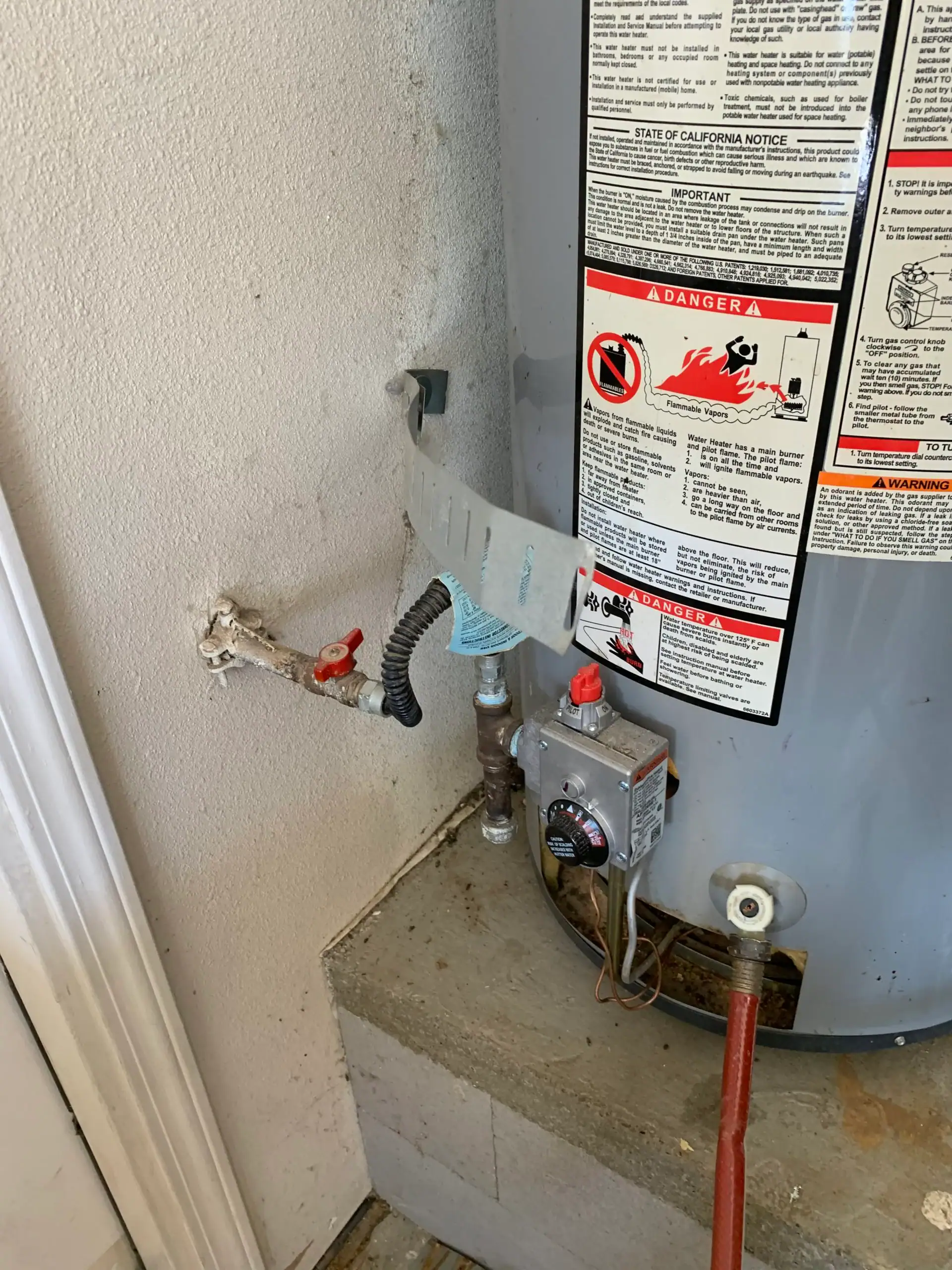
If your gas line gets damaged in an earthquake, the valve shuts the flow off automatically before a spark, before a fire, before you even know something happened. That’s not a small thing. The 1994 Northridge earthquake triggered over 14,000 gas leaks and more than 50 structure fires in homes that had no history of gas problems whatsoever. Ordinary homes. Homes that had been fine for decades.
In Camino, that risk carries extra weight. You’re sitting at elevation in a forested foothill zone, heating your home through serious winters, and depending on that gas system in a way that most Sacramento Valley homeowners simply don’t. A gas shut-off event in January up here when temperatures drop and roads get icy isn’t just inconvenient. It’s a real problem.
The insurance angle is real too. California’s homeowners insurance market has tightened significantly, and carriers evaluating properties in El Dorado County’s fire-risk foothill zone are scrutinizing safety features more than ever. A properly installed, permitted earthquake valve gives you a documented safety upgrade on record with El Dorado County something that matters when your policy comes up for renewal, and something that shows up as a positive disclosure if you ever sell.
We were founded in 2009 and have been serving El Dorado County homeowners for over 15 years. This isn’t a franchise, a call center, or a brand that dispatches whoever’s available. Our C-36 License #916322 is the specific classification required by state law for gas line and seismic valve work. You can verify it yourself at cslb.ca.gov in about 30 seconds.
Camino properties aren’t cookie-cutter. Older homes on acreage, farm structures tied to orchard operations, meters tucked into hillsides these are the realities of working in Apple Hill country, and we’ve seen them all. The free pre-installation assessment exists specifically because no two properties out here are the same, and showing up without looking first is how you end up with a bill that doesn’t match the quote.
With a 4.7/5 Google rating across 93 reviews and customers consistently noting that the final invoice came in at or below the original estimate our track record speaks for itself.

It starts with a free assessment. Before any work is scheduled or any money changes hands, we come out to your property, look at the meter configuration, confirm the right DSA-certified valve for your specific setup, and give you an exact price. For Camino properties especially older homes or anything with farm structures and non-standard gas access this step matters more than it does in a newer subdivision. It’s how surprises get eliminated before they happen.
Once you’ve approved the scope and price, we pull the required building permit through the El Dorado County Building Division. That’s not optional, and it’s not something that gets handed off to you. The permit is handled as part of the job, and the final inspection with the county is scheduled before the project is considered complete. That permit goes on record with El Dorado County which means it’s there for your insurance company, there for a future buyer’s inspector, and there as legal documentation that the work was done correctly.
The installation itself typically takes around two hours. After the valve is in, you’ll get a walkthrough of how it works and critically what to do if it trips after a seismic event. That last part matters: you should not reset an earthquake valve yourself after a quake. A licensed plumber needs to inspect the gas lines for damage first. We cover this before we leave.
Ready to get started?
Every earthquake valve installation through us includes the DSA-certified valve itself, labor, El Dorado County permit fees, the final county inspection, and a written workmanship warranty. The all-in price for most residential installations runs $400–$650. If your property’s specific conditions push outside that range an unusual meter configuration, difficult access on a larger lot, or additional pipe work needed you’ll know before anything starts, not after.
The DSA certification piece isn’t a marketing detail. It’s the California Division of the State Architect standard that permit offices and insurance carriers actually recognize. A non-certified valve the kind you can order online or pick up at a hardware store doesn’t satisfy El Dorado County permit requirements and may not hold up under insurance scrutiny. In a market where Camino homeowners are already navigating elevated fire-risk premiums and tightening underwriting standards, installing the wrong valve is a liability, not a savings.
For properties with agricultural structures, multiple outbuildings, or non-standard meter setups which are common throughout the Apple Hill area the pre-installation assessment is where the specifics get sorted. We’re available 24/7, including for post-earthquake valve inspections when a tripped valve needs a licensed review before it can be safely reset.
Yes and this is one of the most important things to get right before you hire anyone. Camino is an unincorporated community, which means there’s no city building department. All permits for gas line work, including earthquake valve installation, go through the El Dorado County Building Division in Placerville. Any contractor who skips this step is creating a compliance problem that lands on you not them when it surfaces during an insurance claim or a real estate transaction.
We pull the El Dorado County permit as a standard part of every installation and schedule the final county inspection before the job is considered done. That permit goes on record with the county, which is exactly what your insurance company wants to see and what a buyer’s inspector will look for if you ever sell. It’s not a bureaucratic inconvenience it’s a document with real monetary value.
For most residential properties in Camino, the all-in cost runs $400–$650. That includes the DSA-certified valve, labor, El Dorado County permit fees, and the final inspection. There’s no separate line item that appears after the fact what you’re quoted is what you pay, and our review record consistently reflects that final invoices come in at or below the original estimate.
That said, Camino properties aren’t all the same. Older homes on acreage, farm structures, or meters with non-standard configurations may require additional evaluation. That’s exactly why the pre-installation assessment is free it’s how the right price gets confirmed before any work begins, not discovered at the end. For a home in the $491,000–$548,000 median value range, the investment is a fraction of a percent of your property’s worth and a documented safety upgrade on file with the county.
DSA stands for California’s Division of the State Architect. It’s the state agency that tests and approves seismic shut-off valves for use in California. A DSA-certified valve has been verified to meet California’s performance standards it’s the specific certification that El Dorado County’s building permit process requires and the one insurance carriers recognize when you’re documenting safety upgrades on your policy.
Non-certified valves are widely available online and at hardware stores, and they’re cheaper. But they don’t satisfy permit requirements, and they may not perform reliably in an actual seismic event. For a Camino homeowner already dealing with elevated premiums in a foothill fire-risk zone, installing a valve that doesn’t hold up to insurance or permit scrutiny isn’t a money-saving move it’s a problem deferred. We only install DSA-certified valves, selected specifically for your meter size and configuration during the pre-installation assessment.
It depends on your carrier and your policy, but the trend in California’s insurance market is moving clearly in one direction. Carriers operating in El Dorado County’s foothill zone are tightening underwriting standards and for properties in higher fire-risk areas like Camino, they’re scrutinizing safety features more carefully than they were even a few years ago. Some carriers are making seismic safety features a condition of renewal, not just a discount opportunity.
A properly installed, permitted earthquake valve gives you something concrete to show your insurer: a DSA-certified valve, an El Dorado County permit on record, and a final inspection sign-off. That’s documented proof of a safety upgrade, not just a verbal claim. Whether it translates to a premium discount, a policy requirement satisfied, or simply a stronger application when you’re shopping for coverage, having the paperwork in order puts you in a better position. Contact your specific carrier to confirm what they require but having the installation done and permitted is always the stronger starting point.
You should not reset an earthquake valve yourself after a seismic event and this is the part most homeowners don’t know going in. The valve trips to stop gas flow when it detects ground movement. Before it’s reset, a licensed plumber needs to inspect your gas lines to confirm there’s no damage. If you reset the valve before that inspection and there’s a damaged line somewhere in the system, you’re reintroducing gas into a compromised pipe which is the exact scenario the valve was designed to prevent.
In Camino, this matters more than it might in a lower-elevation suburb. At 3,000-plus feet, you’re depending on gas heat to get through winter, and the temptation to restore service quickly after a minor tremor is understandable. But the right move is to call a licensed plumber first. We’re available 24/7 for post-event inspections and valve resets, so you’re not left without heat for days waiting on a callback.
No PG&E does not install seismic shut-off valves. Their role is to deliver gas to your meter and respond to emergencies like active leaks. The installation of an earthquake valve on your side of the meter is the homeowner’s responsibility, and it requires a licensed plumbing contractor specifically one holding a California C-36 license, which covers gas line and seismic valve work.
This is a genuine source of confusion for a lot of Camino homeowners, and it’s worth clearing up directly: if you’ve been assuming the utility would eventually handle this, or that you could request it through PG&E’s service line, that’s not how it works. The valve protects your home’s gas system, and the responsibility for installing it falls on you. We hold C-36 License #916322 the exact classification required for this work and handle everything from the initial assessment through the El Dorado County permit and final inspection.
Other Services we provide in Camino