Most water leaks do their worst damage before you ever see a drop. Here is what homeowners in this region need to know before it is too late.
Share:
Summary:
Most plumbing leaks do not announce themselves. There is no alarm, no obvious puddle, and no moment where you think you should call someone. Instead, there is a water bill that is higher than it should be, a faint smell of mildew in a room that is always dry, or a soft spot in the floor you keep meaning to check. By the time you see visible damage, the leak has usually been running for months.
If your home is anywhere in El Dorado, Placer, or Sacramento County, there are specific reasons why hidden leaks are more common here than in most parts of California, making it vital to catch them early.
The three-county area around Sacramento features a housing stock spanning nearly a century of construction, with each era bringing its own plumbing vulnerabilities. Pre-1970s homes in Carmichael, Midtown Sacramento, and East Sacramento were built with galvanized steel supply pipes that are, in many cases, well past their useful life. They corrode from the inside out, narrowing over time and eventually failing in ways that remain hidden from the surface.
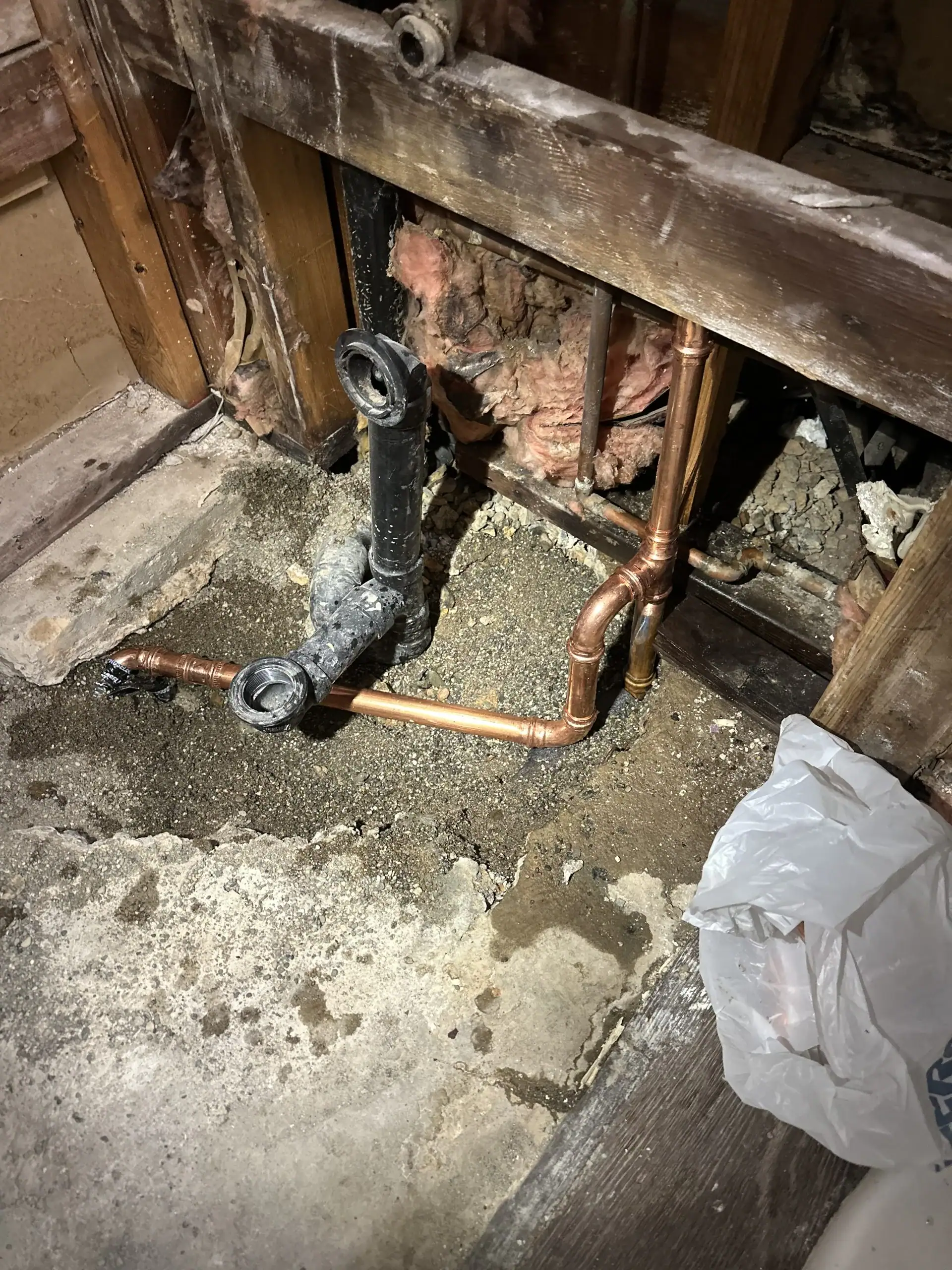
In the foothills of El Dorado Hills, Cameron Park, Placerville, and Shingle Springs, the soil itself creates complications. Many properties in El Dorado County were built on old farmland with acidic soil that corrodes copper pipes from the outside in, particularly for pipes embedded in or under concrete slabs. That is why slab leaks appear more frequently in this area.
At higher elevations in communities like Pollock Pines at around 3,600 feet or Placerville at roughly 1,900 feet, winter temperatures regularly drop below freezing. This means pipes located in uninsulated crawl spaces and exterior walls face a real risk of bursting every single year.
If your home was built between 1995 and 2007, a specific risk deserves your attention. During that period, a plumbing product called Kitec was widely installed in new residential construction across California. Communities in Placer County like Roseville, Rocklin, and Lincoln, alongside El Dorado Hills, Cameron Park, and Folsom, all saw major growth during that exact window.
Kitec pipes are identifiable by their orange color for hot water lines and blue for cold, paired with brass fittings at the connections. The issue is that those brass fittings contain a high percentage of zinc, which reacts with local water minerals over time through a process called dezincification. The brass becomes brittle, the fittings crack, and when they fail, they fail suddenly with a full burst rather than a slow drip.
Warnings are rarely present. Many homeowners with Kitec plumbing remain unaware of its existence. It was marketed as a modern, flexible alternative to copper and installed in tens of thousands of homes before the failure pattern became fully understood.
If you bought a home built in that era and have not had the plumbing inspected, it is worth finding out what materials you have. Kitec failures cannot be caught by watching for drips, because the pipe itself can look fine right up until the fitting snaps. Professional inspection with a camera represents the only reliable way to assess fittings you cannot see, forming an essential part of any routine plumbing checkup.
The good news is that a simple test can be performed by any homeowner without special tools. Turn off every water fixture in your home, including faucets, appliances, and irrigation systems. Then check your water meter. Most meters feature a small leak indicator, usually a triangle or dial that spins when water moves through the line. If everything in your home is turned off and that indicator continues moving, water is escaping somewhere.
If your meter lacks a visible leak indicator, write down the reading, wait two hours without using any water, and check it again. A change in the reading indicates a leak somewhere in the system.
Beyond the meter test, pay attention to signs homeowners often dismiss as minor. A water bill that creeps upward over billing cycles without explanation is a reliable early signal, as is the sound of water running when everything is off, creating a low hiss or trickle in the wall at night.
Musty smells in rooms lacking moisture sources, soft spots in wood floors, or shifted tiles can point to a slow leak running for an extended period. Slab leaks possess a distinctive pattern: warm spots on the floor from hot water line leaks beneath the concrete, the sound of water under the foundation, or new cracks appearing in flooring.
In El Dorado County especially, if your home sits on a slab and was built more than 20 years ago, checking periodically for these signs is well worth the effort because local soil conditions accelerate corrosion.
The worst version of this situation is discovering water damage that has built up long enough for your insurance company to classify it as a maintenance issue rather than a sudden loss, resulting in a denied claim. Insurers routinely deny long-term water damage claims on the basis that homeowners ignored available warning signs. Catching leaks early protects both your home and your ability to file a claim.
Want live answers?
Connect with a Murray Plumbing expert for fast, friendly support.
Most homeowners view drain cleaning as a task performed only when a drain becomes slow or completely blocked. It is treated as a reactive fix rather than a preventive one. However, a direct connection exists between the health of your drain lines and your risk of developing a plumbing water leak, though it is rarely discussed.
When drains are partially blocked, water backs up and places pressure on pipe joints, connections, and older pipe sections that were never designed to handle sustained stress. Over time, that backpressure accelerates wear at the weakest points in the system, which are typically where leaks originate.
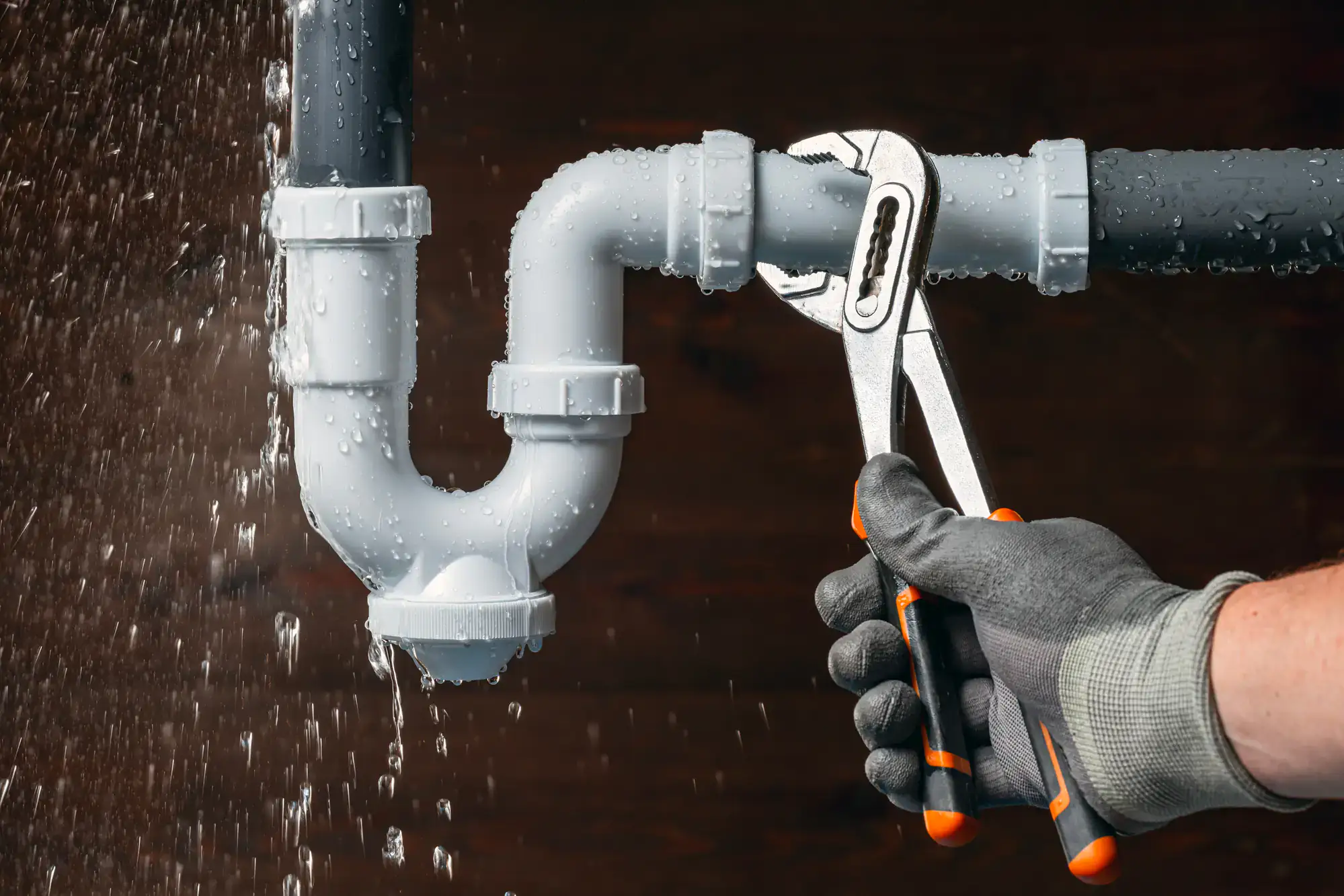
When a drain runs slow, the immediate instinct for many is reaching for a bottle of liquid drain cleaner. It is fast, cheap, and appears to work temporarily. The problem is that caustic chemicals in store-bought cleaners do not just dissolve clogs; they react with the pipe material itself, particularly in older homes featuring galvanized steel or aging PVC lines.
In older Sacramento neighborhoods like Arden-Arcade, Fair Oaks, and parts of Carmichael, homes with original drain lines have already lost wall thickness due to decades of use and corrosion. Repeated exposure to harsh chemical cleaners accelerates that thinning. You might clear the clog, but you weaken the pipe in the process. Eventually, that pipe section fails from accumulated damage disguised as routine maintenance.
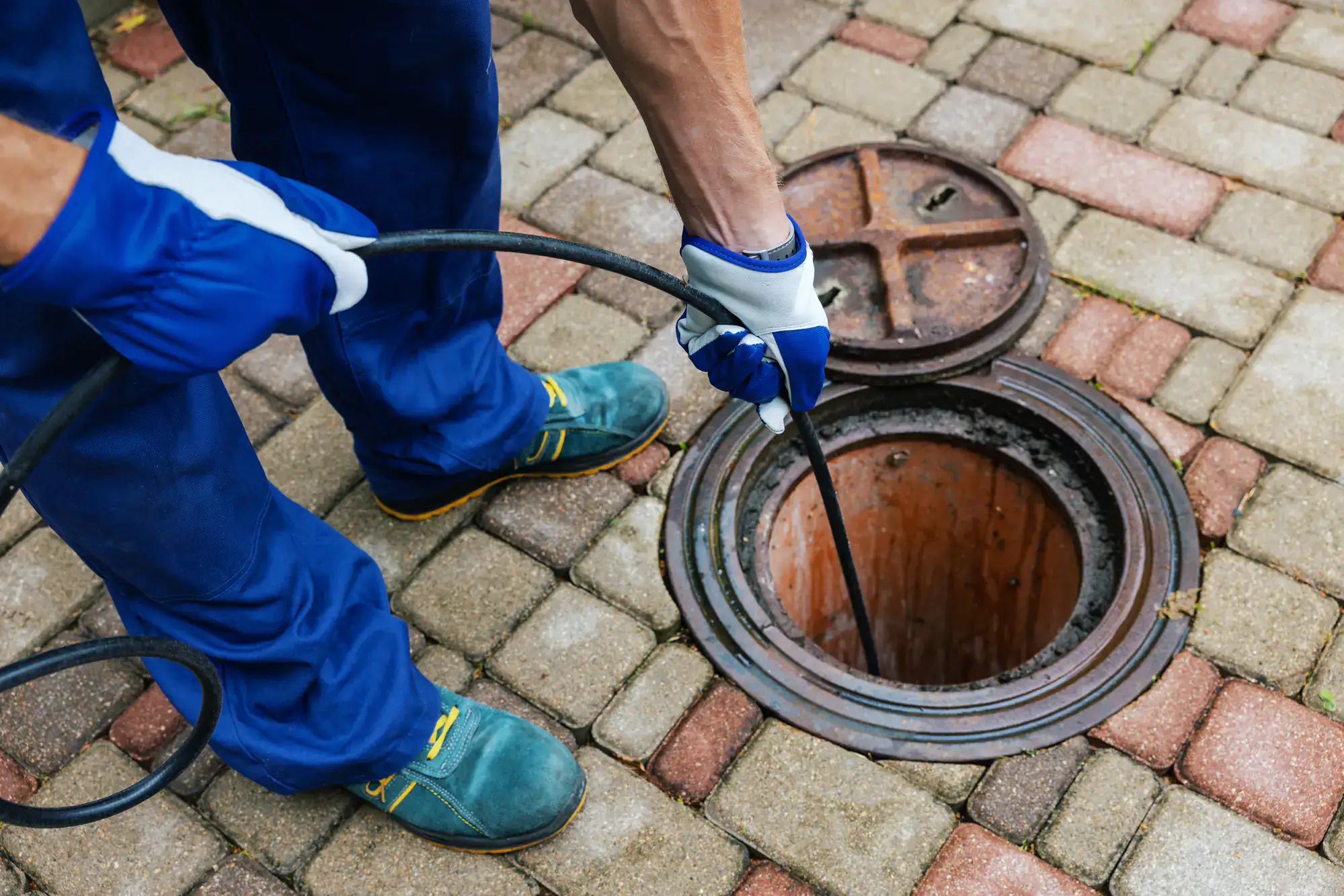
Professional drain cleaning utilizes mechanical methods like drain machines and hydro jetting to clear blockages without chemically attacking the pipe. Hydro jetting specifically removes mineral scale and grease buildup accumulating inside drain lines over time, restoring flow and reducing pressure differentials that stress joints.
For homes in Sacramento County with original cast-iron drain lines, professional drain cleaning is recommended every 18 to 24 months, not because something is broken, but because staying ahead of buildup is cheaper than dealing with a failed pipe section. It follows the same logic as changing your engine oil before a knock develops.
A familiar scenario plays out across El Dorado, Placer, and Sacramento County: a homeowner notices a small drip, patches it with plumber’s tape or a hardware store compression fitting, and moves on. The drip stops and the problem feels solved. Months later, the same section fails, or a nearby section gives out, turning a minor repair into a major project.
This happens because pipe failures rarely occur in isolation. When one section of galvanized steel or aging copper starts failing, it usually signals that the surrounding pipe is in similar condition. Corrosion, mineral buildup, and wall thinning affect the entire system rather than just the initial weak spot. Fixing the symptom without assessing underlying conditions offers only a temporary solution.
A professional pipe repair assessment evaluates both the damaged section and its surrounding context. Is this an isolated issue, or is the pipe nearing the end of its service life? In some cases, a targeted repair is the correct answer, fixing a single corroded joint in an otherwise sound system. In other cases, replacing a longer section or executing a full repipe proves more cost-effective than chasing failures one by one.
For homeowners in communities like Placerville, Shingle Springs, or older parts of Folsom and Carmichael where supply lines may be 40, 50, or 60 years old, evaluating the system proactively avoids future emergencies. Having served these three counties for over 24 years, the pattern remains consistent: homeowners who fare best are those who understand their system and plan ahead rather than patching and hoping.
If something feels off, such as an unusual bill, an unexplained sound, or an odd smell, trust that instinct. The meter test takes five minutes, and a professional inspection takes a few hours. The cost of either is a fraction of water damage restoration expenses and far below what a Kitec pipe failure or long-running slab leak can inflict on a house.
Waiting for absolute certainty is the biggest mistake. Hidden leaks do not resolve themselves, and the damage compounds the longer they run. No matter your property type, from a 1960s ranch in Carmichael to a newer build in Roseville or a foothill home in El Dorado Hills, addressing concerns before visible problems arise is always the smartest approach.
For straightforward answers regarding your plumbing without diagnostic fees or runarounds, reach out to Murray Plumbing. Available around the clock with same-day response times, we provide firm, transparent pricing on every job.
Article details:
Share:
Continue learning: