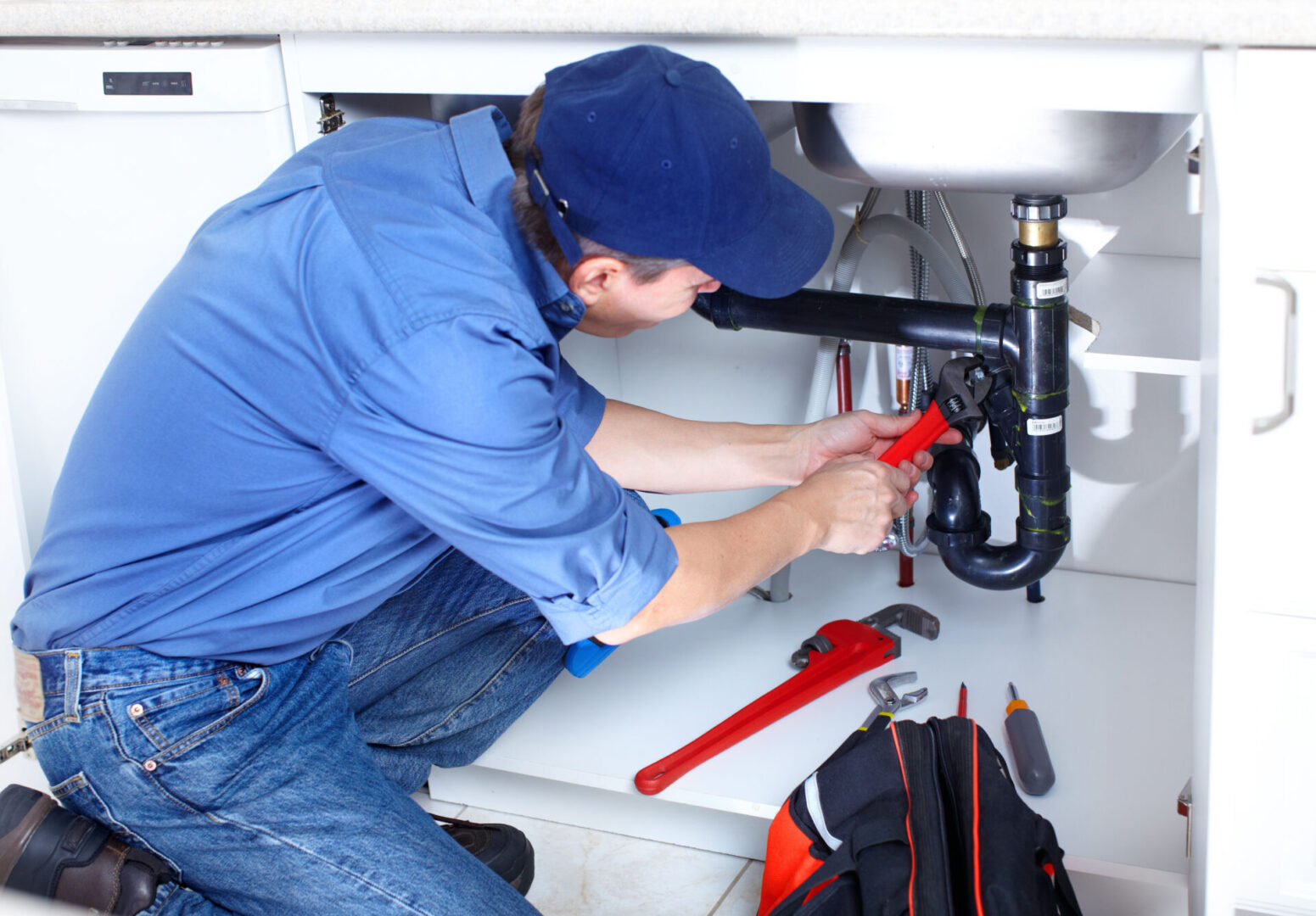
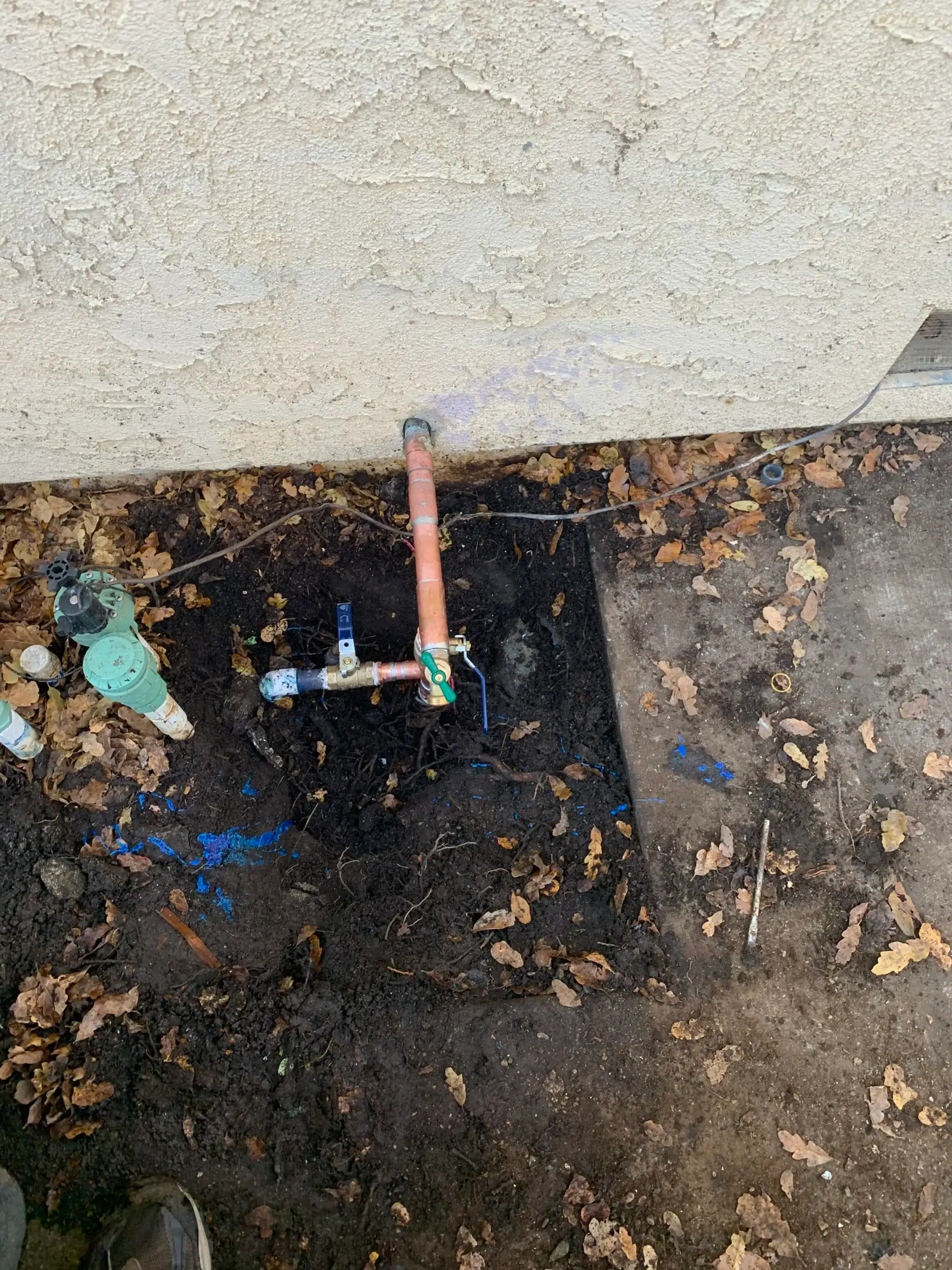
Pipe repair is not what it used to be. Here is what has changed, why it matters for your home, and what to expect from a modern plumber in Sacramento and the foothills.
Share:
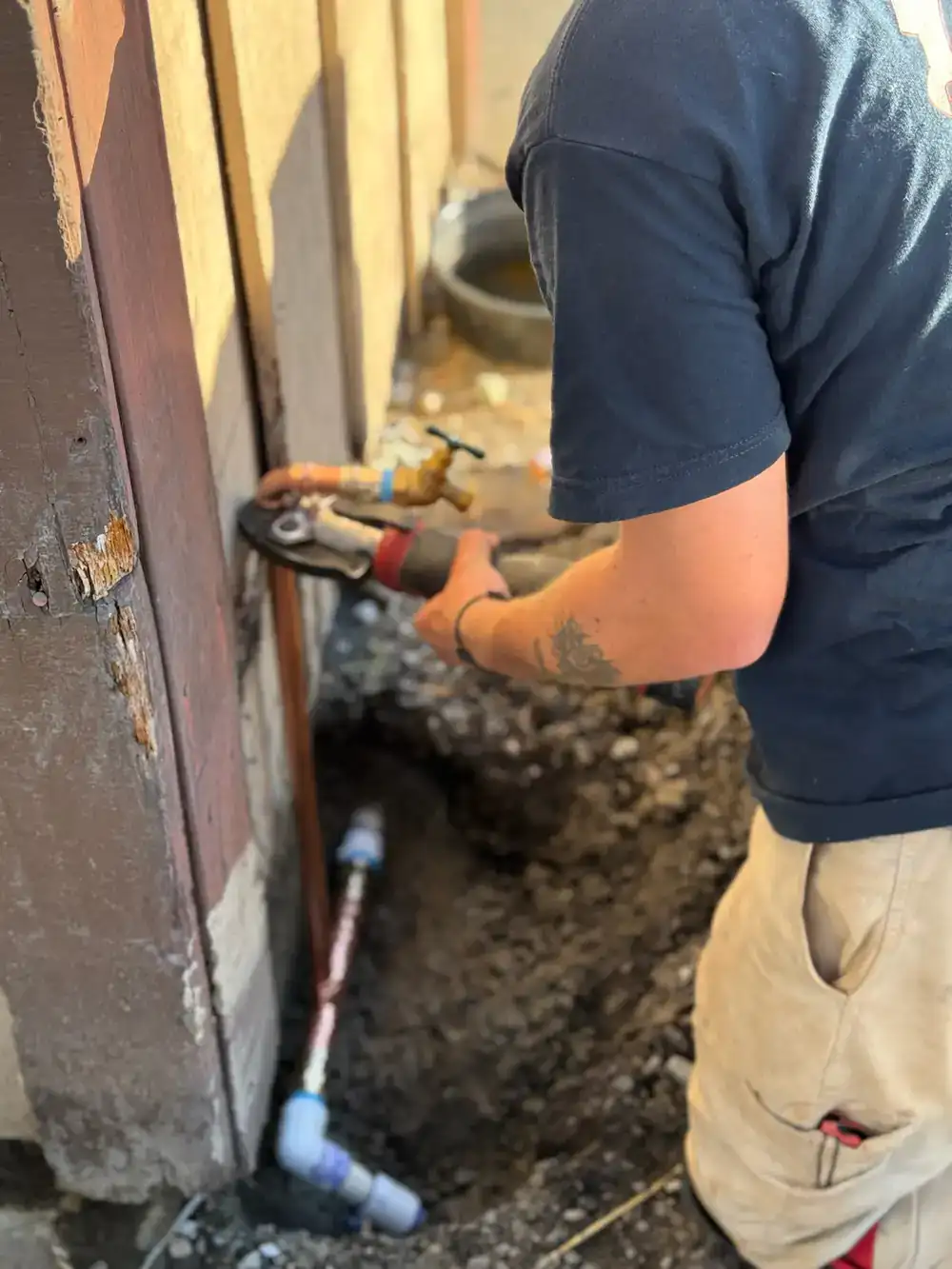
Summary:
If you have been putting off a pipe repair because you are dreading the disruption, the cost, or the uncertainty of what technicians might find, you are not alone. Most homeowners in Sacramento, El Dorado Hills, Placerville, and the surrounding foothill communities have a mental image of pipe repair that is about fifteen years out of date. The tools have changed, the methods have changed, and the way we diagnose a problem before touching a single pipe has changed as well. This post walks you through what modern pipe repair looks like, why this particular region creates some unique challenges, and how to know when something small is about to become expensive.
The old version of pipe repair involved a lot of guesswork, heavy digging, and a bill that often grew as the job progressed. That is no longer the standard, at least not for plumbers who have kept up with how the industry has evolved.
Today, the process starts with a camera inspection. A waterproof camera goes into the pipe and shows precisely what is happening: where the damage is, what caused it, and how far it extends. That single step changes everything, ensuring that no unnecessary work gets recommended and no one tears into your walls or yard based on a hunch.
From there, the repair method depends on what the camera finds. Increasingly, that method does not require excavation at all.
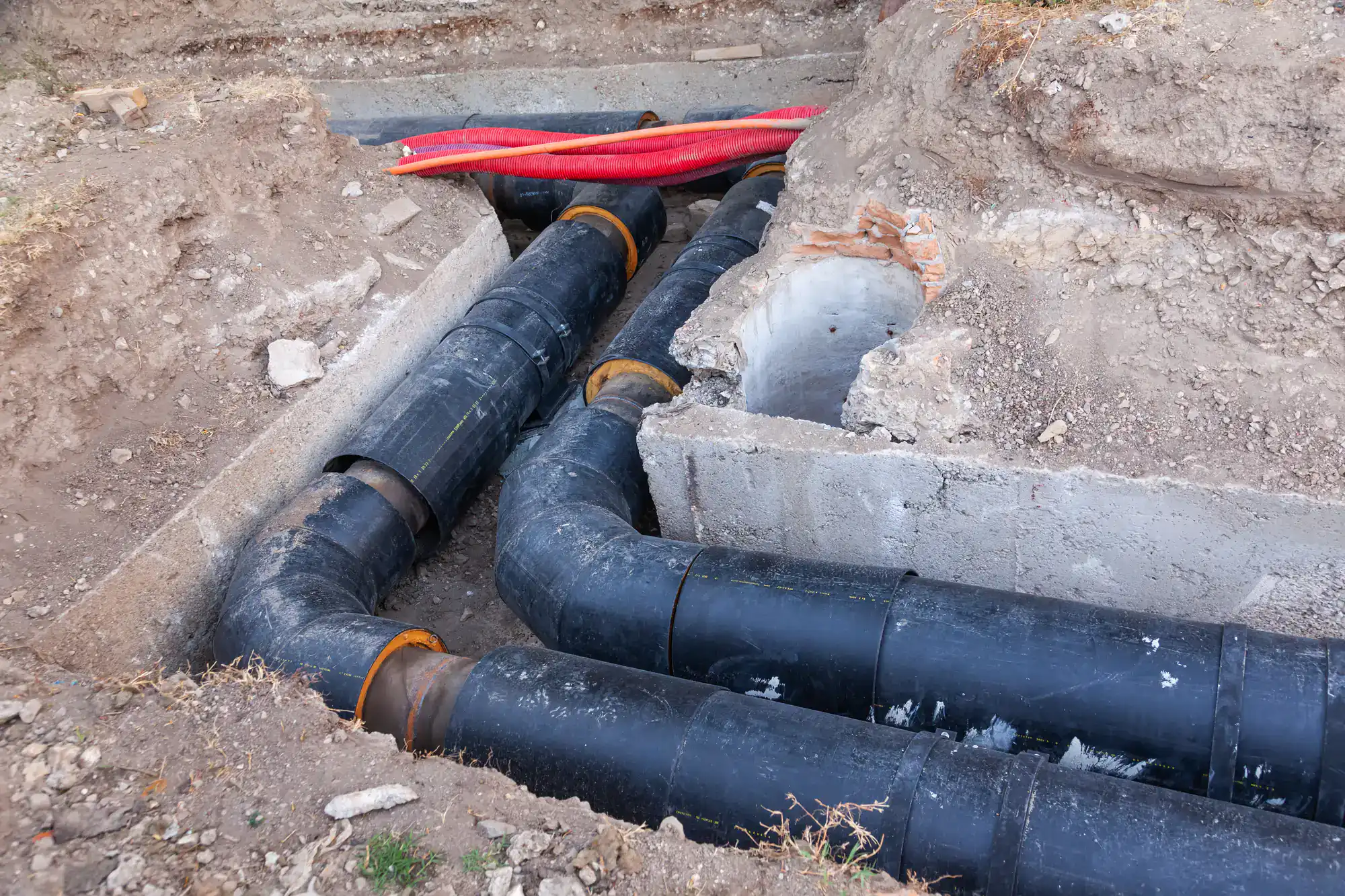
Trenchless pipe repair refers to fixing or replacing a damaged pipe without digging a trench to reach it. Two methods have become dominant approaches in the industry, and both are worth understanding if you own a home with aging plumbing.
The first is cured-in-place pipe lining, often called CIPP. A flexible liner coated in resin is inserted into the damaged pipe, inflated, and cured in place, essentially creating a new pipe inside the old one with zero excavation required. The installation process is significantly faster than traditional replacement, moving roughly five times faster, and the result is a structurally sound pipe that handles water flow without the corrosion or joint failures that plagued the original.
The second method is pipe bursting. A bursting head is pulled through the existing pipe, fracturing it outward while simultaneously pulling a new pipe into place behind it. This proves particularly useful when the old pipe is too deteriorated to line. It represents the fastest-growing segment of trenchless technology for good reason, working exceptionally well in the older underground lines common in Sacramento’s established neighborhoods and throughout the El Dorado County and Placer County foothills.
Neither method suits every situation. Some pipe failures are localized and straightforward, meaning a targeted repair is all that is required. Others reflect broader deterioration that makes full replacement the smarter long-term call. The camera inspection tells you which scenario you are facing, making it a conversation worth having before any work begins rather than after.
If your mental image of pipe repair involves heavy equipment and a week without running water, consider asking your plumber if a trenchless approach is available. In many cases, it is.
Drain cleaning and pipe repair often get treated as separate services, but they are more connected than most homeowners realize. A slow drain is not just an annoyance; it is frequently an early signal that something is building up or breaking down inside the pipe itself.
When drains run slowly over an extended period, it usually indicates a partial blockage somewhere in the line. That blockage creates back-pressure every time water tries to move through. Over time, that pressure stresses pipe joints, accelerates wear on aging sections, and can push a minor vulnerability into an active leak. What started as a drain cleaning job quietly transforms into a pipe repair situation.
In El Dorado County and parts of Placer County, an additional layer exists. The water supply in much of this region is mineral-rich, and those minerals accumulate on the interior walls of pipes over years of use. The buildup gradually narrows the pipe’s effective diameter, slowing water flow and increasing pressure while creating a surface more susceptible to corrosion, particularly in older copper and galvanized steel pipes already dealing with local soil acidity.
Hydro jetting serves as the modern answer to this kind of buildup. It uses high-pressure water to clear blockages and flush mineral scale from the pipe walls, restoring flow without damaging the pipe. It is more thorough than mechanical snaking, addressing the root cause instead of merely punching a hole through the clog.
Regular drain cleaning, when done properly, stands out as one of the most effective ways to extend the life of your pipes. It is not glamorous, but it is far cheaper than the pipe repair it prevents. If your drains have run slowly for months and you have ignored them, paying attention to them now is worthwhile.
Want live answers?
Connect with a Murray Plumbing expert for fast, friendly support.
Generic plumbing content treats pipe failure like a universal problem with universal solutions. It is not. The conditions in this region, including the water chemistry, the soil, and the temperature swings between the Sacramento Valley floor and the Sierra Nevada foothills, create a specific set of challenges that standard advice overlooks.
Having worked in El Dorado County, Sacramento, and Placer County for over 24 years, we see consistent patterns. Understanding them is part of diagnosing problems accurately and recommending repairs that hold up over time.
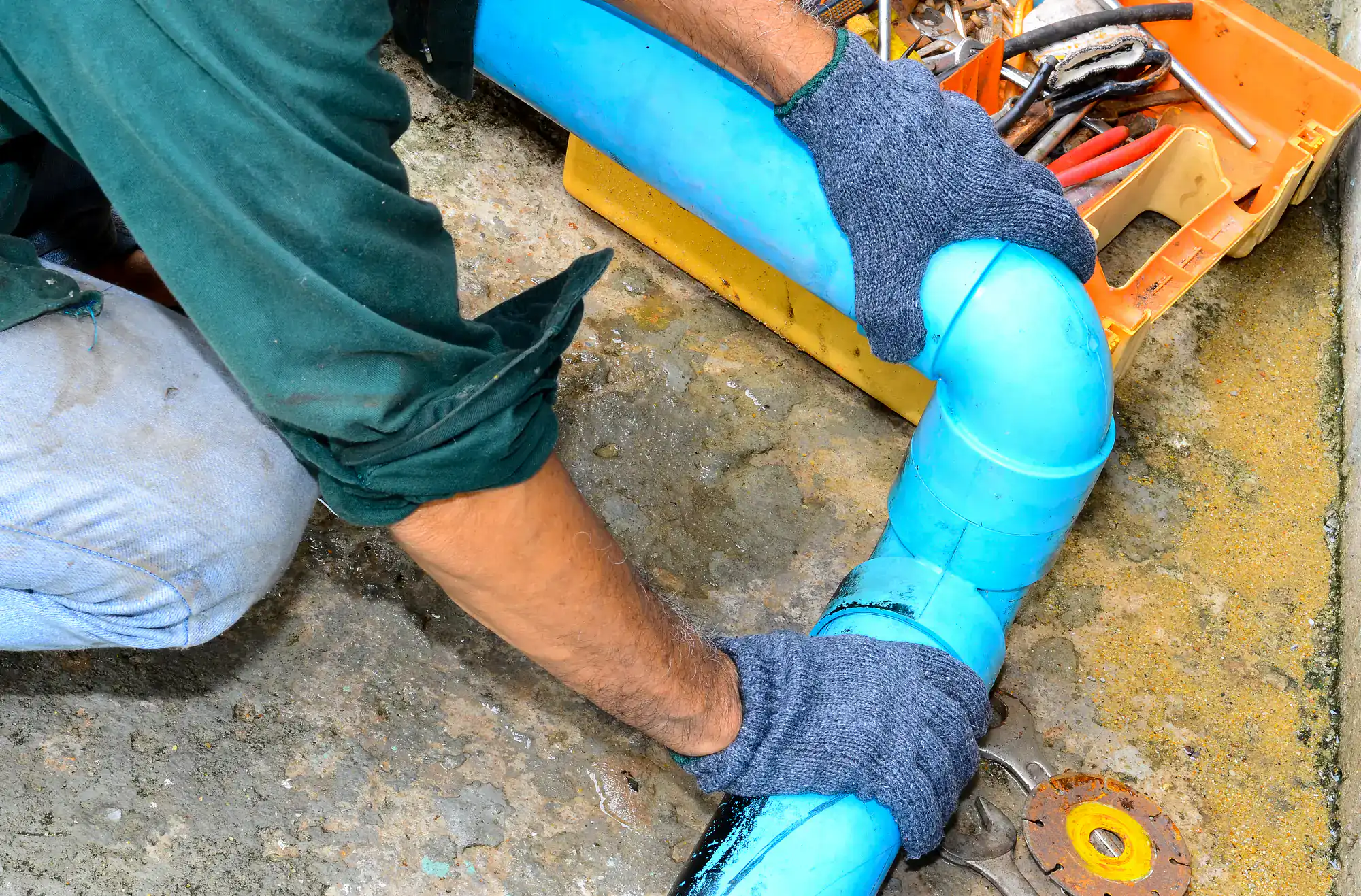
El Dorado County’s water supply is notably mineral-rich. That is normal for foothill communities drawing from Sierra Nevada watersheds, but the local mineral concentration creates measurable effects inside residential plumbing over time. Calcium and magnesium deposits build up on the interior walls of pipes, restricting flow and raising the pressure needed to move water through the system. In older copper pipes, that mineral layer interacts with the metal itself, accelerating a corrosion process that the pipe’s original design did not anticipate.
The soil adds another dimension. El Dorado County’s soil possesses a notable acidity level, which affects the exterior of underground pipes just as water chemistry affects the interior. Copper pipes buried in acidic soil corrode from the outside in. Most copper pipes under slabs were designed to last 20 to 30 years under typical conditions, but in this environment, that lifespan is often shortened. Homes in Cameron Park and El Dorado Hills built in the 1970s and 1980s now sit on copper plumbing approaching or exceeding its expected service life, and some of those pipes are showing it.
In Placerville and Coloma, the situation is different yet challenging. Many older homes in these communities, some dating back to the Gold Rush era, still feature original or early-replacement galvanized steel pipes. Galvanized steel corrodes from the inside out. Rust narrows the pipe’s diameter, reduces water pressure, and eventually causes discolored water at the tap. By the time you notice rust-colored water, the pipe has been deteriorating for a long time.
Then there is the freeze factor. Communities at higher elevations in Placer County, such as Pollock Pines, Camino, and parts of Placerville, experience genuine winter freezes. Water expands when it freezes, and that expansion can split a pipe that was otherwise holding on. A pipe already weakening from mineral buildup or corrosion is far more vulnerable to a freeze event than a healthy pipe.
One of the most common questions we hear is a variation of asking if a problem requires immediate attention or if waiting is safe. It is a fair question, and the honest answer depends on what causes the leak and its location.
A visible pipe leak found at a joint or along a pipe run is almost always worth addressing promptly. Water damage from a burst pipe can exceed $5,000 in repair costs, and that figure excludes secondary damage to flooring, drywall, or personal property. The math on early intervention is straightforward: a repair costing a few hundred dollars today differs vastly from a project required after water sits inside a wall for two weeks.
Slab leaks are a separate concern frequently appearing in Sacramento and El Dorado County homes. A slab leak is a leak in a pipe running beneath the concrete foundation. The signs often start subtly, such as a warm spot on the floor, an unexpectedly high water bill, or the sound of running water when everything is turned off. Because the pipe is embedded in concrete, these leaks are easy to miss until they cause significant damage. Camera inspections and pressure testing serve as modern tools for locating them without unnecessarily tearing up the slab.
Another frequent question is how to determine if a repair or a full replacement is necessary. The honest answer is that you usually cannot tell without a proper inspection. Age and symptoms together paint part of the picture; for instance, living in a 1970s home in Sacramento’s Arden-Arcade neighborhood and experiencing two leaks in the same pipe section within a year presents a different situation than a first-time failure in a newer home. A plumber who takes time to evaluate the entire system rather than just the visible problem is better equipped to provide a straight answer.
If your drain has been sluggish for months, addressing it is wise. The connection between neglected drains and eventual pipe failure is real, and the cost of drain cleaning is a fraction of pipe repair expenses.
Modern pipe repair is less disruptive, more precise, and more cost-effective than most homeowners expect, provided the plumber performing the work understands the available tools and working conditions. In this region, local knowledge matters immensely. Water chemistry, soil properties, legacy pipe materials in older foothill homes, and freeze risks in higher-elevation communities are not details learned from a manual.
If you are dealing with a slow drain, a visible leak, unexplained low water pressure, or an abnormal water bill, the right move is addressing it before escalation occurs. Early diagnosis remains cheaper than emergency response.
Having worked in El Dorado County, Sacramento County, and Placer County for over 24 years, we are ready to help. If you have questions about what you are seeing, or simply want to know if immediate action or monitoring is best, reach out for a straightforward answer.
Article details:
Share:
Continue learning: