
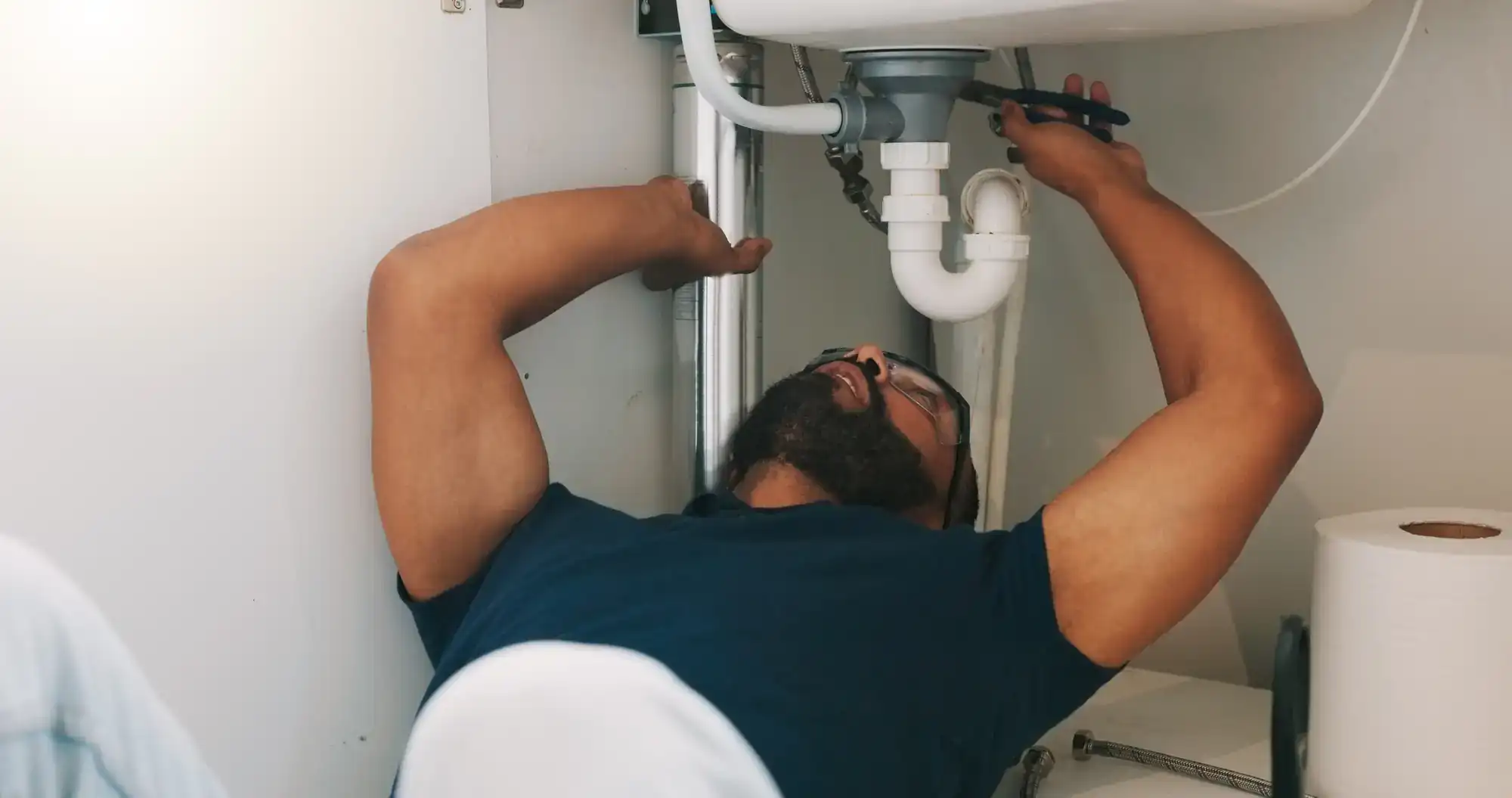
Plumbing Repair
Get a free quote for plumbing repair from your local plumbing team.
We’ll contact you about your plumbing repair request. Privacy policy
Hear from Our Customers
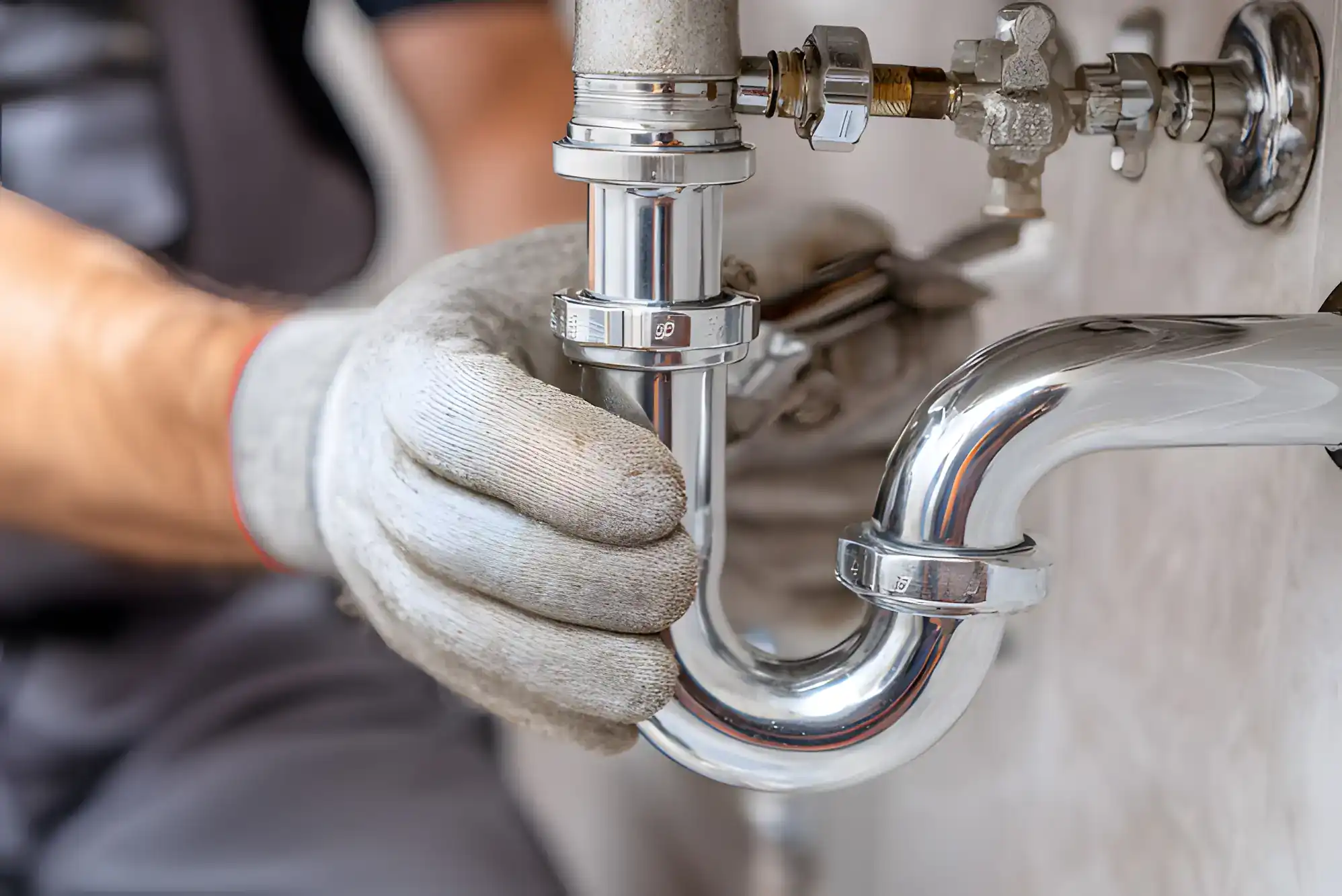
When a plumbing repair is done properly — not just patched — you stop watching the water bill climb and start trusting your own pipes again. No more wondering if that soft spot in the yard is getting worse. No more slow drains that back up every few months. You get a system that works the way it’s supposed to, and you don’t have to think about it again.
River sits on deep alluvial soils that expand in wet winters and pull back in dry Sacramento summers. That seasonal cycle puts real pressure on buried water lines and sewer laterals, especially in older homes where the pipes were never designed with that kind of movement in mind. When we diagnose a problem here, we’re accounting for what the ground is doing — not just what the pipe looks like at the surface.
The mature trees along the Sacramento River corridor are another factor that changes the conversation. Root systems from cottonwoods and valley oaks don’t stop growing, and they’re drawn to any moisture source they can find — including the joints in aging sewer laterals. Getting the repair right means addressing the actual cause, not clearing a clog that’ll be back in six weeks.
We founded Murray Plumbing in 2009 after earning our contractor’s license and have built the company one job at a time across El Dorado, Sacramento, and Placer Counties. River, CA is part of our established service area — this isn’t a new market for us, it’s a community we’ve been showing up in for years.
We’re locally owned with low overhead, which means you’re not paying for a franchise’s corporate structure. You get a flat-rate price before anyone touches a wrench, a licensed and insured technician who knows Sacramento County’s delta corridor properties, and a 4.7 out of 5 Google rating backed by over 93 real reviews. That rating was built on technicians arriving on time, diagnosing problems correctly the first time, and final invoices that come in under the original estimate.
Our name is on the business. That kind of accountability doesn’t come from a call center — it comes from someone who has to stand behind every job in the communities we serve.
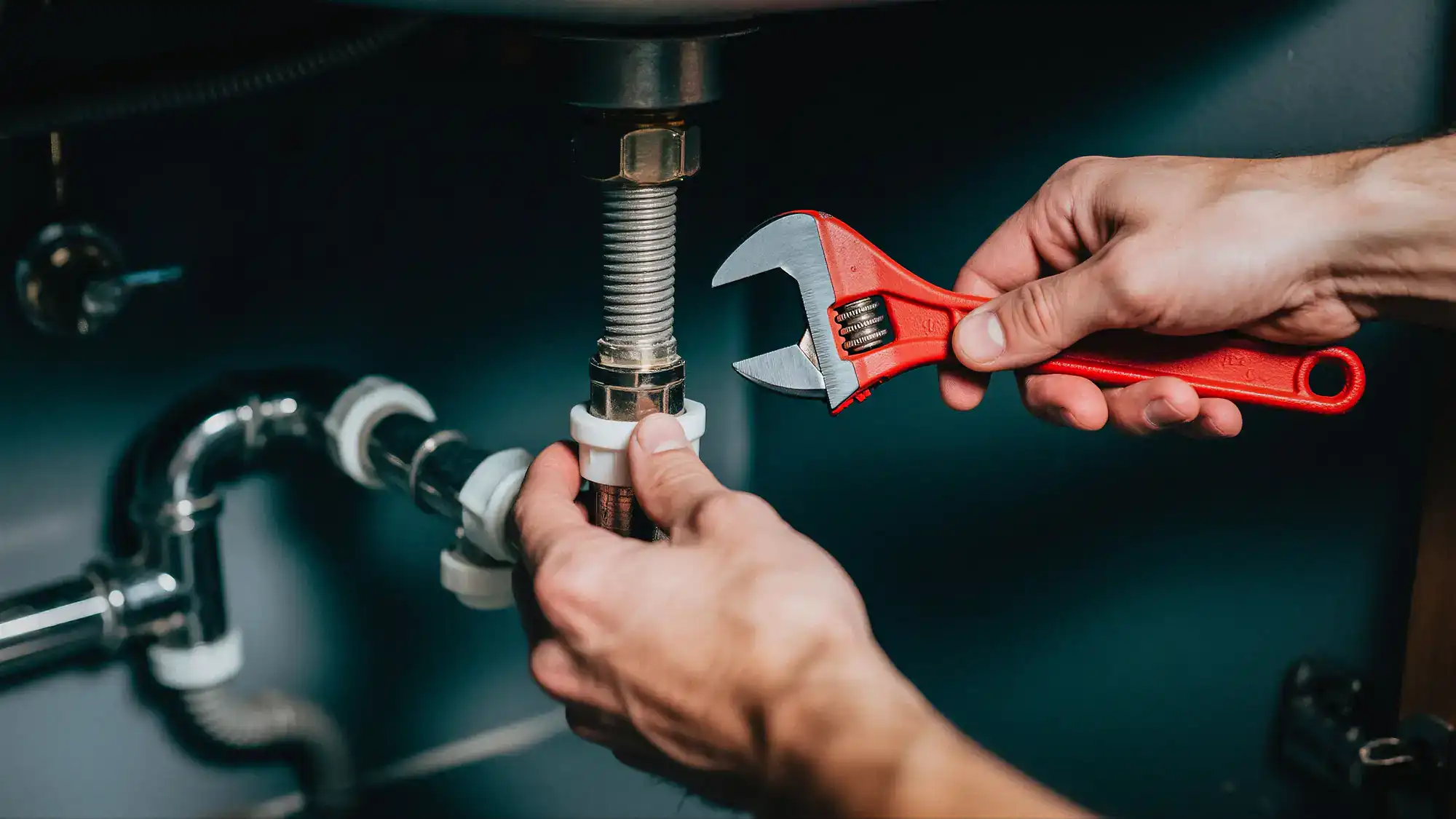
When you call us, you’re not leaving a voicemail and waiting to see what happens. Most calls are answered directly, and for urgent situations — a sewer backup, a water line leak, a failed water heater — same-day service is the standard, not the exception. We aim to get someone to your property the day you call, because most plumbing problems don’t improve on their own.
Once a technician arrives, the first step is a thorough diagnosis. In River, that often means accounting for things you can’t see from the surface — the condition of older pipe materials, what the soil around a buried line looks like, whether root intrusion is a factor in a slow drain or a recurring backup. For sewer and water line issues, camera inspection takes the guesswork out of it entirely. You see exactly what’s happening underground before any repair decision is made.
After the diagnosis, you get a flat-rate price. Not an estimate that grows once the job is open — a number you agree to before work begins. Any plumbing work in Sacramento County’s unincorporated areas that requires a permit is handled in compliance with Sacramento County Code and the California Plumbing Code. We carry a CSLB C-36 license, which you can verify yourself at the California State License Board’s website before anyone sets foot on your property.
Ready to get started?
We handle the full scope of residential plumbing repair — from a clogged drain or a leaking supply line to a complete water line replacement or trenchless sewer repair. In River, the service mix tends to reflect the area’s conditions: older pipe materials that have reached the end of their useful life, clay soils that have been stressing joints for decades, and mature tree root systems that have found their way into aging sewer laterals.
For water line issues, we use both traditional and trenchless leak detection methods. In a community where properties may have established landscaping, driveways, or mature trees, trenchless repair is often the better path — it fixes the pipe from the inside without excavating the yard. That matters when you’re dealing with a property that sits on Sacramento River delta soil, where open excavation adds complexity and restoration cost. For drain and sewer problems, hydro jetting clears what a standard snake can’t — grease, mineral buildup, and root intrusion that’s worked its way deep into the lateral.
We also offer water heater repair and replacement, leak detection, water softening, and camera inspection. If your home in River has older galvanized supply lines or cast iron drain lines — common in mid-century Sacramento County properties — we can assess the full system and tell you honestly what needs attention now versus what can wait.
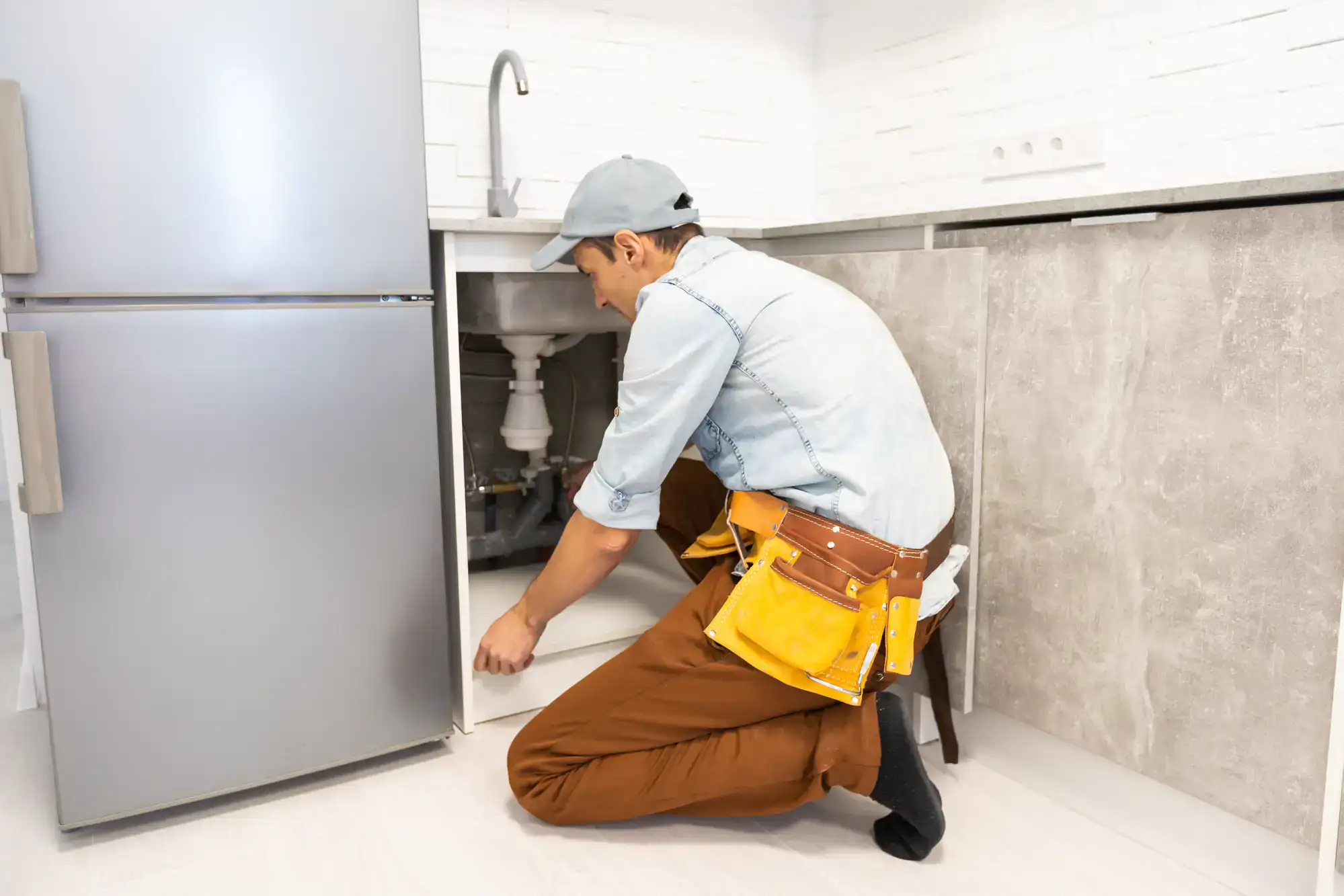
A few situations should move you to call immediately rather than wait and see. If water is actively flowing somewhere it shouldn’t — a burst pipe, a water heater that’s leaking from the base, or sewage backing up into a fixture — that’s an emergency. The same applies if you notice your water pressure has dropped suddenly across the whole house, or if you smell sewage inside your home. These aren’t situations where the problem stabilizes on its own.
In River, there are a couple of conditions that make this more urgent than in some other areas. Homes in the Sacramento River corridor tend to have older pipe materials that don’t give you a lot of warning before they fail. And with the area’s high water table and alluvial soils, a water line leak underground can spread quickly without showing obvious surface signs. If something feels off — a soft spot in the yard, an unexplained spike in your water bill, a gurgling drain — it’s worth a call before it becomes something bigger. We offer 24/7 emergency plumbing repair, so you’re not waiting until Monday morning to find out how serious it is.
If you’ve had a drain snaked more than once for the same backup, the snake is clearing the symptom, not the cause. In most cases like this, the real issue is either root intrusion that’s regrown after being cut back, or a structural problem in the sewer lateral — a crack, a collapsed section, or a joint that’s shifted out of alignment. Snaking moves debris through the pipe, but it doesn’t address what’s causing the debris to accumulate in the first place.
In the Sacramento River corridor where River is located, root intrusion is one of the most common culprits. The mature trees in this area — cottonwoods, willows, valley oaks — have extensive root systems that actively seek moisture during the region’s hot, dry summers. Older clay tile and cast iron sewer laterals have the joints and micro-cracks that roots exploit over time. The fix for this isn’t another snake — it’s a camera inspection to see exactly what’s in the pipe, followed by hydro jetting to clear it thoroughly, and a trenchless repair or lining if the lateral has structural damage. We handle all of that in-house, so you’re not getting a partial diagnosis that sends you back to square one in a few months.
When pressure is low at every fixture — not just one sink or shower — the issue is usually upstream of your fixtures. The most common causes are a partially closed main shutoff valve, a failing pressure regulator, a water line that’s corroded or scaled from the inside, or a leak somewhere in the supply line between the meter and your home.
In River and the surrounding Sacramento County delta communities, older galvanized steel supply lines are a real factor. Galvanized pipe corrodes from the inside out over decades, and the buildup of rust and mineral scale gradually narrows the interior diameter of the pipe until water pressure drops noticeably. Sacramento’s water supply has moderate mineral content, and over 30 or 40 years, that adds up inside older pipes. If your home was built before the 1980s and still has its original supply lines, low pressure across the whole house is often the first sign that the water line is approaching the end of its life. A proper diagnosis will tell you whether you’re looking at a pressure regulator adjustment, a targeted repair, or a full water line replacement — and we’ll give you that answer before quoting any work.
Trenchless repair fixes a damaged pipe from the inside without digging it up. There are two main methods: pipe lining, where a resin-coated liner is inserted into the existing pipe and cured in place to form a new pipe within the old one, and pipe bursting, where a new pipe is pulled through the old one while simultaneously breaking the old pipe outward. Both methods require only small access points at each end of the pipe rather than a full excavation trench.
For River properties, trenchless is often the more practical option. Delta corridor properties frequently have established landscaping, mature trees, concrete driveways, or other features that make traditional excavation expensive and disruptive — and then you still have to pay to restore everything that was dug up. Trenchless avoids all of that. It’s also well-suited to the high-water-table conditions in the Sacramento delta, where open excavation can get complicated quickly. The method does require that the pipe is in a condition that can be lined or burst — a camera inspection beforehand confirms whether it’s the right approach for your specific situation. We use camera inspection as a standard part of the sewer diagnostic process, so you’ll know exactly what you’re working with before any repair decision is made.
Underground water line leaks don’t always announce themselves with a puddle. The signs are often more subtle: a water bill that’s higher than usual without any change in your usage, a soft or unusually green patch of grass in the yard, a hissing or running sound when all fixtures are off, or a noticeable drop in water pressure that came on gradually. In some cases, you won’t notice anything at the surface for a while — especially in areas with a high water table, where the leaked water disperses into the surrounding soil rather than pooling visibly.
River’s location in the Sacramento delta means that shallow groundwater can mask surface evidence of a leak longer than it would in drier, higher-elevation communities. That makes professional leak detection more valuable here, not less. We use both traditional and trenchless detection methods to pinpoint the exact location of a leak without unnecessary digging. Getting the location right before excavation saves time, money, and disruption to your property. California’s water conservation regulations also make undetected leaks a compliance issue in addition to a cost issue — wasting water through a slow underground leak isn’t just expensive, it’s something the state takes seriously during drought cycles.
Yes, and older homes in Sacramento County’s delta corridor are actually where a significant portion of our work comes from. Homes built in the mid-20th century — which describes much of the housing stock in River and the surrounding Sacramento River communities — were constructed with materials and methods that are now well past their intended service life. Galvanized steel supply lines, cast iron drain lines, and clay tile sewer laterals were standard at the time, but all three have known failure modes that become more common as the decades add up.
Our technicians are familiar with what these older systems look like, how they typically fail, and what the right repair or replacement approach is. That familiarity matters because diagnosing a problem in a 1950s or 1960s home is different from diagnosing the same symptom in a newer build — the pipe materials, the installation methods, and the way the system interacts with Sacramento County’s alluvial soils all factor into what’s actually wrong and what will actually fix it. If you’re in an older River property and dealing with recurring plumbing issues, the answer isn’t always another repair on the same aging system. Sometimes it’s an honest assessment of what’s worth fixing and what’s worth replacing — and we’ll give you that assessment upfront, before any work begins.
Other Services we provide in River