
Hear from Our Customers
A sewer problem that gets diagnosed correctly the first time costs significantly less than one that gets snaked twice, guessed at, and then excavated anyway. That’s just how these jobs go when the root cause gets skipped. When we come out to your property in Courtland, the first step is always a video camera inspection of the line. You see exactly what’s happening before we quote you a number or recommend a single repair.
For homes in the Courtland area, that camera almost always tells a specific story. The Sacramento River Delta’s heavy clay soil expands every wet season and contracts through the dry summer heat and that cycle puts constant mechanical stress on pipe joints in older homes. If your house has been here for decades, there’s a real chance the original clay or cast iron sewer line has been shifting and cracking quietly for years. Add the root systems from surrounding pear orchards and mature Delta vegetation, and you’ve got two of the most common sewer failure drivers working simultaneously on your property.
Once the line is repaired correctly, the difference is straightforward: no more slow drains, no sewage odor in the yard, no recurring backups before Pear Fair weekend or after the first atmospheric river of the season. Your plumbing works the way it’s supposed to, and you’re not calling us back out in three months because the real problem was never addressed.
We’ve been operating in Sacramento County for over 24 years. That’s not a number we throw out to sound impressive it means we’ve worked through wet Delta winters, drought-cracked soil seasons, and the full range of pipe conditions you find in older unincorporated Sacramento County communities like Courtland. We’ve seen what the soil does out here. We know what’s typically inside those older lines.
We’re owner-operated, which means the person whose name is on this business has a direct stake in how every job goes. Our Google rating sits at 4.7 out of 5 based on 93 reviews, and the pattern customers mention consistently is the same: we showed up, we were straightforward about what it would cost, and the final bill matched what we said. In Courtland, where word travels fast, that track record matters more than any advertisement.
We handle permits through the Sacramento County Building Permits and Inspection Division for every sewer job in unincorporated areas like Courtland so you’re not left navigating county paperwork on your own after the work is done.
It starts with a call. When you reach out about a sewer issue in Courtland, we’re available 24 hours a day not a voicemail system, not a call center that schedules you for next week. You talk to someone, and we aim to have a technician at your property the same day.
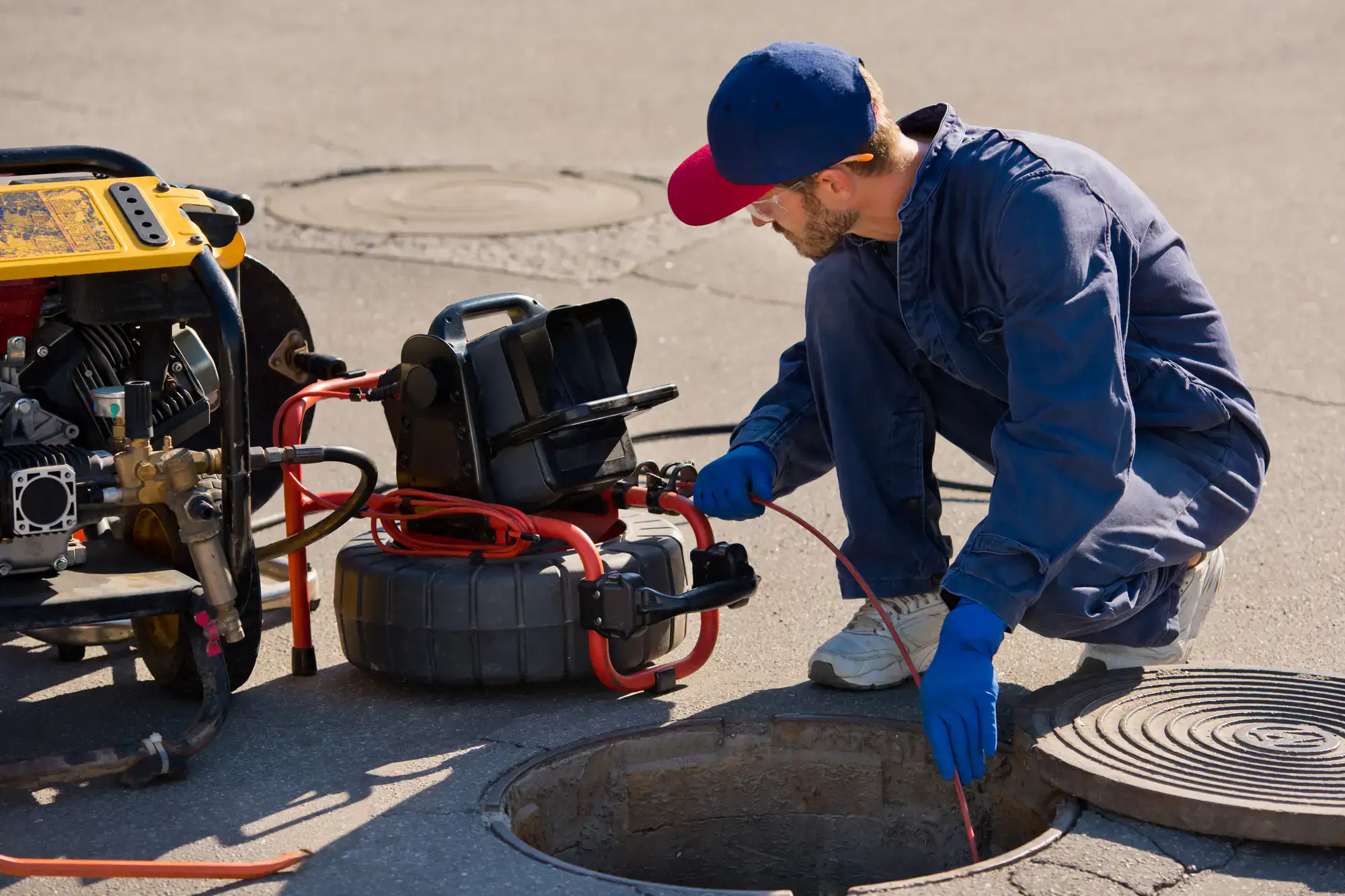
When we arrive, the first thing we do is run a video camera through the sewer line. For homes in the Courtland area, this step is especially important because the conditions here Delta clay movement, pear orchard root systems, aging clay or cast iron pipe materials require a visual diagnosis before any repair recommendation makes sense. You watch the footage with us. If there’s a root mass at a specific joint, a belly where waste is pooling, or a section of pipe that’s shifted out of alignment, you’ll see it directly. Only after that inspection do we give you a price. That price is the price it doesn’t change once the work starts unless the scope of the job changes, and if it does, we tell you before we proceed.
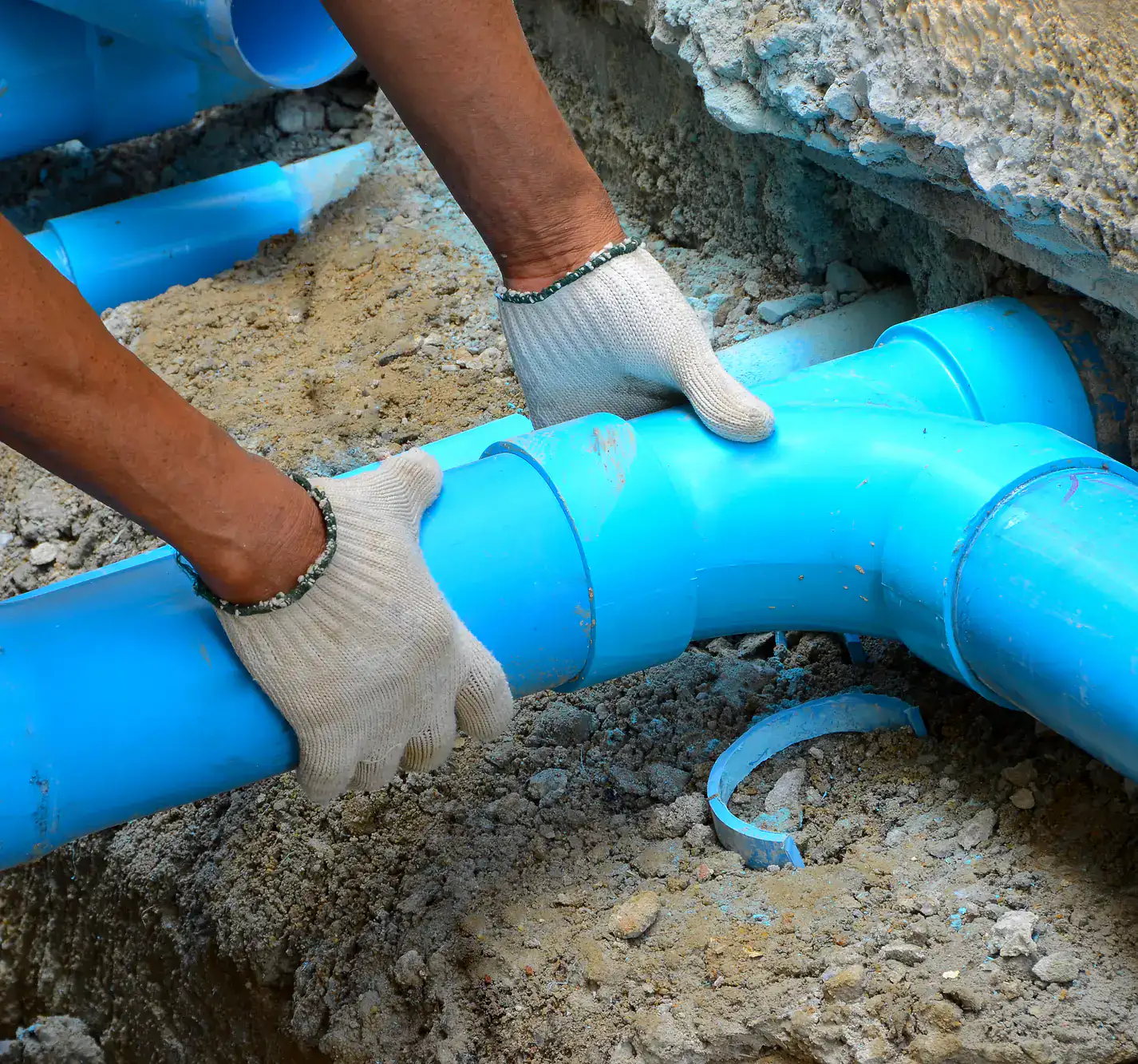
Depending on what the camera shows, the repair may involve targeted excavation, trenchless pipe lining, or pipe bursting all options that we’ll walk you through honestly based on your specific line condition. For properties with established orchards, mature landscaping, or agricultural land, we prioritize trenchless methods when the pipe condition allows it, because tearing up a Courtland property unnecessarily isn’t something we’re willing to do. Once the repair is complete, we pull the required Sacramento County permit, schedule the inspection, and close the job out properly so your records are clean and your property value is protected.
Ready to get started?
Every sewer repair job we take in Courtland starts with a video camera inspection not as an add-on, not as a separate charge, but as the standard first step before any work is quoted or recommended. That inspection drives everything that comes after it.
From there, the scope of the repair depends on what the camera finds. Minor broken sewer pipe repairs in Courtland a single cracked joint, a localized root intrusion point, a small section of deteriorated pipe typically run in the range of $650 to $2,500 depending on access and depth. More significant main sewer line repair involving longer damaged sections, soil-shifted pipe, or collapsed clay lines generally falls between $2,500 and $7,500. Full sewer line replacement, when the camera shows damage that makes repair impractical, averages around $4,000 and can reach higher depending on the length of the run and the method used. We give you the real number based on what we actually find not a worst-case estimate designed to protect our margin.
For Courtland properties specifically, we assess trenchless repair options first. Pipe lining and pipe bursting can address significant damage with minimal excavation, and on a Delta property with mature pear trees, established irrigation, or agricultural land adjacent to the home, that matters. When trenchless isn’t the right call for your specific line condition, we’ll tell you plainly and explain why. Every repair we complete in unincorporated Sacramento County includes full permit management through the county’s Building Permits and Inspection Division no loose ends, no unpermitted work that surfaces later during a property sale.
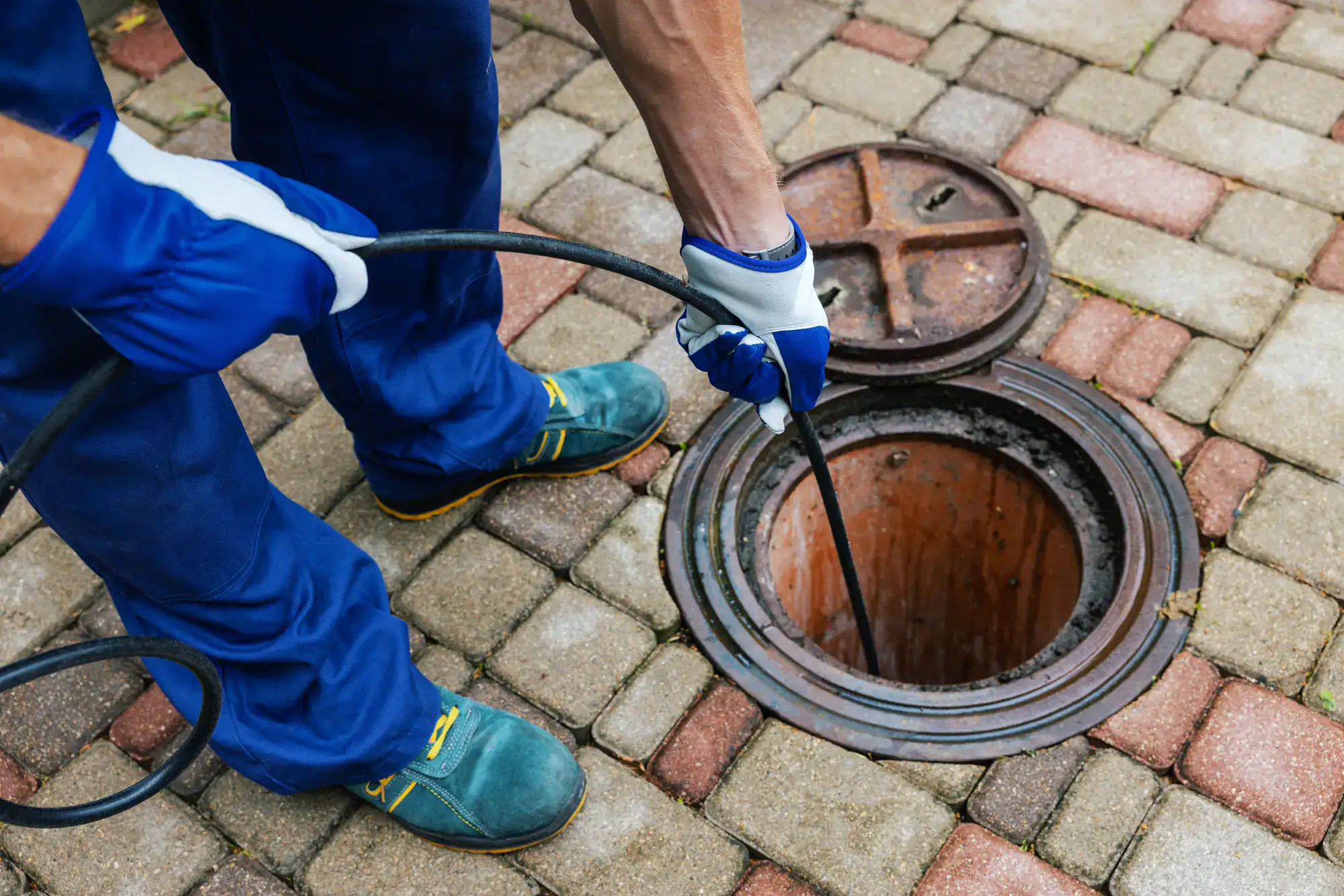
Yes and it’s one of the most consistent sewer problems we see in Sacramento River Delta communities like Courtland. The clay soil throughout the Courtland area is highly reactive: it expands significantly when the winter rains saturate it and then contracts and shifts during the long dry summers. That cycle repeats every year, and over time it places real mechanical stress on underground pipe joints. Connections crack, sections shift out of alignment, and low spots called “bellies” form where waste pools instead of flowing.
For older homes in Courtland and many here have been standing for decades the original sewer lines are often clay vitrified pipe or cast iron, both of which become increasingly brittle and vulnerable to soil movement as they age. If you’ve been noticing slow drains, gurgling sounds from your toilet, or a faint sewage odor in the yard, Delta clay movement is one of the first things worth investigating. A camera inspection will show you quickly whether soil stress has compromised your line.
They can, and in Courtland it happens more often than most homeowners expect. Tree roots from pear trees, Delta willows, cottonwoods, and other mature vegetation surrounding residential properties in this area actively seek moisture during the dry summer months. Sewer lines carry warm water consistently, which makes them a target. Roots enter through any existing crack or loose joint in the pipe, then grow into dense masses that cause blockages, structural damage, and eventually pipe collapse if left unaddressed.
Root intrusion accounts for roughly half of all sewer blockages nationally, and in an agricultural community like Courtland where pear orchards may sit directly adjacent to residential lots, the exposure is higher than average. The important thing to know is that snaking a root blockage clears the symptom but doesn’t fix the entry point. If roots have gotten in once, they’ll come back through the same opening unless the pipe is repaired or lined. A camera inspection shows exactly where the intrusion is happening so the repair actually addresses the source.
The honest answer is that the cost depends entirely on what the camera inspection finds and anyone who gives you a firm number without looking at the line first is guessing. That said, here are real ranges based on current industry data: minor sewer repairs, like a single cracked joint or a localized root intrusion point, typically run $650 to $2,500. More significant main sewer line repairs involving longer damaged sections or soil-shifted pipe generally fall between $2,500 and $7,500. Full sewer line replacement averages around $4,000 and can reach $15,000 or more depending on the length of the run and the method used.
For Courtland specifically, the age of the local housing stock and the Delta soil conditions mean that many sewer issues we find involve older pipe materials that have been under stress for years. That doesn’t automatically mean a full replacement often a targeted repair or trenchless pipe lining addresses the damage effectively at a fraction of the replacement cost. We give you the real number based on what we actually find, before any work begins.
Yes. Because Courtland is an unincorporated community, all sewer repair and replacement permits fall under the Sacramento County Building Permits and Inspection Division not a city building department. Sacramento County requires a permit for sewer line repairs and replacements, and the completed work must be inspected by a county building inspector before the trench is backfilled. This applies whether you’re doing a targeted repair on a single section or a full line replacement.
This matters more than it might seem at first. Unpermitted sewer work is a disclosure liability it can complicate or derail a property sale, and it can create problems with homeowners insurance if a related issue surfaces later. We manage the entire permit process for every sewer job in Courtland, from pulling the initial permit to scheduling the county inspection and closing the job out properly. You don’t have to navigate Sacramento County’s building department on your own we handle it end to end.
There’s a meaningful difference between a drain that’s slow because of grease or debris buildup and a sewer line that has a structural problem. The signs that point toward an actual repair need include recurring backups that come back within weeks of being snaked, multiple drains in the house backing up at the same time, a gurgling sound coming from your toilet when you run water elsewhere in the house, sewage odor in your yard or near the foundation, and unusually green or soggy patches of grass over where the sewer line runs.
In Courtland, two seasonal patterns are worth paying attention to. In late summer and early fall right around pear harvest season root intrusion activity peaks as Delta vegetation pushes aggressively into soil moisture. If you’re getting recurring backups during that window, roots are a likely factor. In winter, after the first major atmospheric river event saturates the Delta clay, soil movement can open up cracks in older pipes that weren’t causing obvious symptoms before. If your symptoms match either pattern, a camera inspection is the fastest way to know what you’re actually dealing with.
In many cases, yes and for Courtland properties with mature pear trees, established irrigation systems, or agricultural land near the home, it’s the first option we assess. Trenchless methods like pipe lining (CIPP) and pipe bursting can address significant sewer line damage with minimal excavation. Pipe lining involves inserting a resin-saturated liner into the existing pipe and curing it in place, essentially creating a new pipe inside the old one. Pipe bursting replaces the old line entirely by pulling a new pipe through while fracturing the existing one outward. Both methods avoid the need to dig a long trench across your property.
That said, trenchless repair isn’t always the right call. If the existing pipe has collapsed sections, severe offset joints, or significant root intrusion over a long stretch, traditional excavation may be the more effective and honest solution. We’ll tell you which approach makes sense for your specific line condition after the camera inspection not based on which method is easier for us, but based on what the pipe actually needs. When trenchless is viable, it’s worth knowing that properly installed pipe lining and pipe bursting repairs typically last 30 to 50 years.