
Hear from Our Customers
Loomis properties aren’t your average suburban lots. A lot of homes here sit on one to five acres, with mature oaks and pines planted close to the house and those roots go looking for water every dry summer. When surface moisture disappears along the I-80 corridor and the foothills bake through July and August, tree roots push into sewer laterals through the smallest joint gaps. That’s when slow drains and backups start, and most homeowners have no idea why it keeps happening.
The other side of the problem is the soil itself. Loomis sits in foothill terrain with clay-heavy ground that swells when the winter rains hit and contracts when summer dries it out. That cycle repeats every year, and it quietly shifts and separates buried pipes over time especially in older homes near downtown Loomis where original clay pipe may still be running under the yard.
Getting sewer repair in Loomis right means understanding both of those forces before recommending anything. That’s why every job starts with a camera inspection so you see exactly what’s wrong, where it is, and what it actually takes to fix it. No guesswork. No overselling. Just a clear picture and a fair price before any work begins.
We’ve been serving Placer County, Sacramento County, and El Dorado County for over 24 years. That means the technician showing up at your Loomis home has likely worked on properties throughout this area homes near Taylor Road, acreage estates off Horseshoe Bar Road, and older neighborhoods in the downtown Loomis core where the pipe stock is aging and the oak roots run deep.
This is an owner-operated business. Ryan Murray’s name is on every job, which means there’s real accountability behind every estimate and every repair. When customers leave reviews good or bad Ryan responds personally. That’s not a policy. That’s just what happens when someone actually cares about the outcome.
We hold a California C-36 Plumbing Contractor license, verifiable at cslb.ca.gov. With a 4.7-star Google rating across 93 reviews, the track record speaks for itself and it was built one honest job at a time.
When you call us, the first thing that happens is a real conversation not a sales pitch. You describe what you’re seeing, and we figure out whether this is an emergency situation or something that can be scheduled. If sewage is backing up into your home, that’s a health issue and we treat it like one. We offer 24/7 emergency availability, so you’re not waiting until Monday when the problem is happening right now.
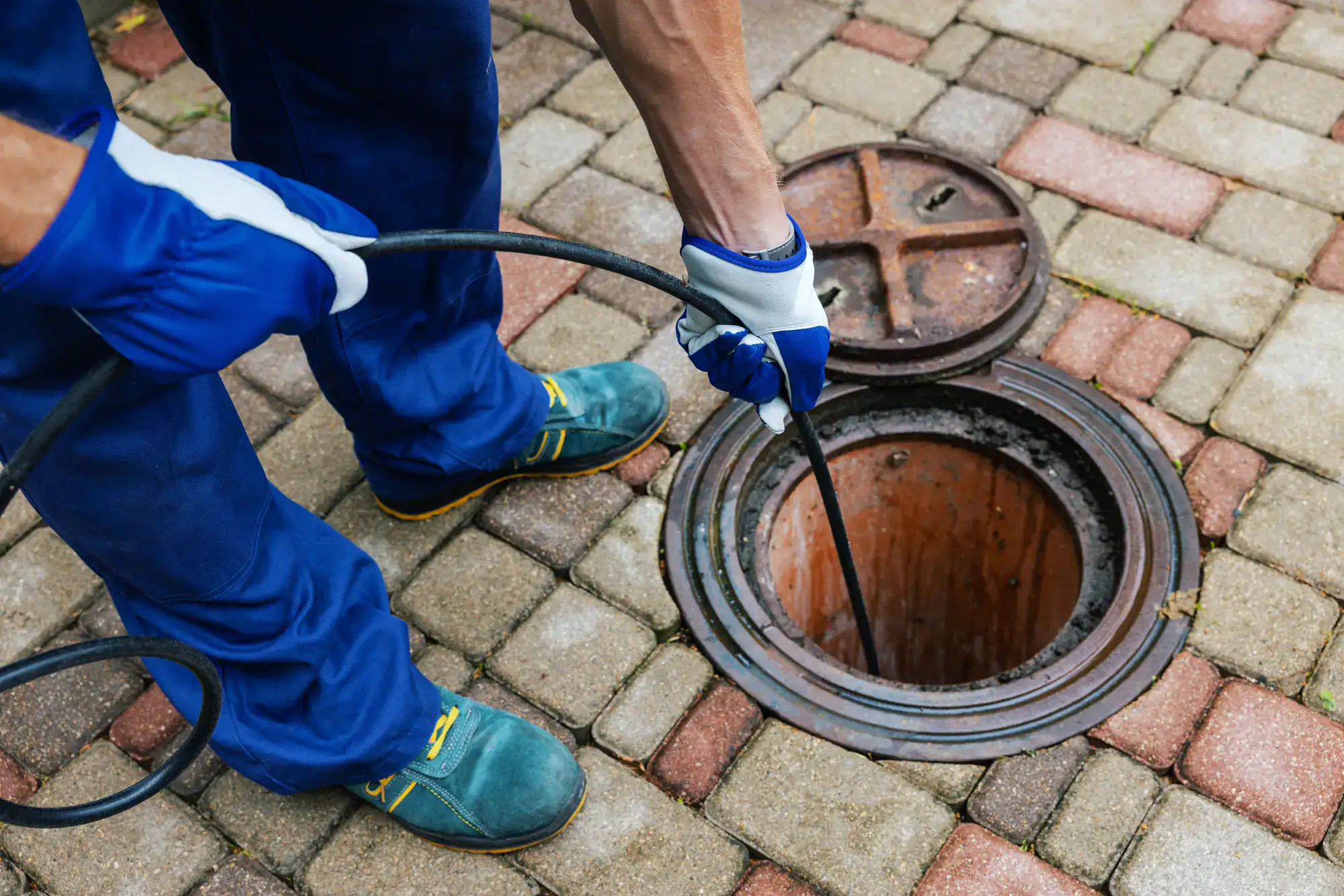
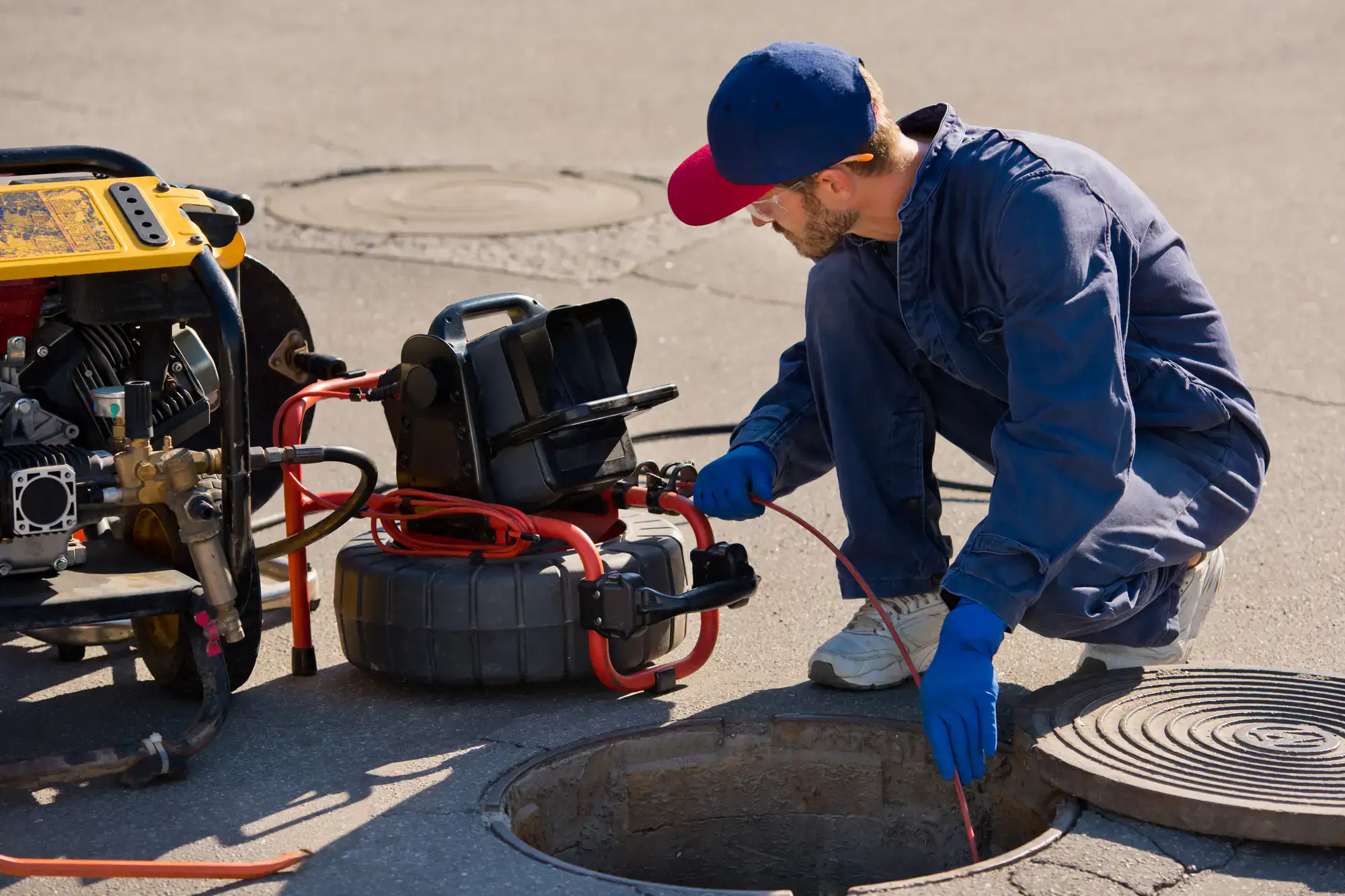
Once on-site, the job starts with a video camera inspection of the sewer line. This isn’t an upsell it’s how every job begins. The camera goes into the line and shows exactly what’s happening: root intrusion, a cracked joint, a bellied section from years of clay soil movement, or sometimes a combination of issues. You see it on the monitor in real time. Then you get a clear explanation of what the repair involves and what it costs before anything is touched.
In Placer County, sewer line repairs that go beyond basic maintenance require a permit through the Placer County Building Services Division. We pull that permit, schedule the inspection, and handle the paperwork. Most straightforward repairs in Loomis wrap up in four to eight hours. More involved work typically runs one to two days. Either way, the scope is defined upfront so the timeline doesn’t shift on you mid-job.
Ready to get started?
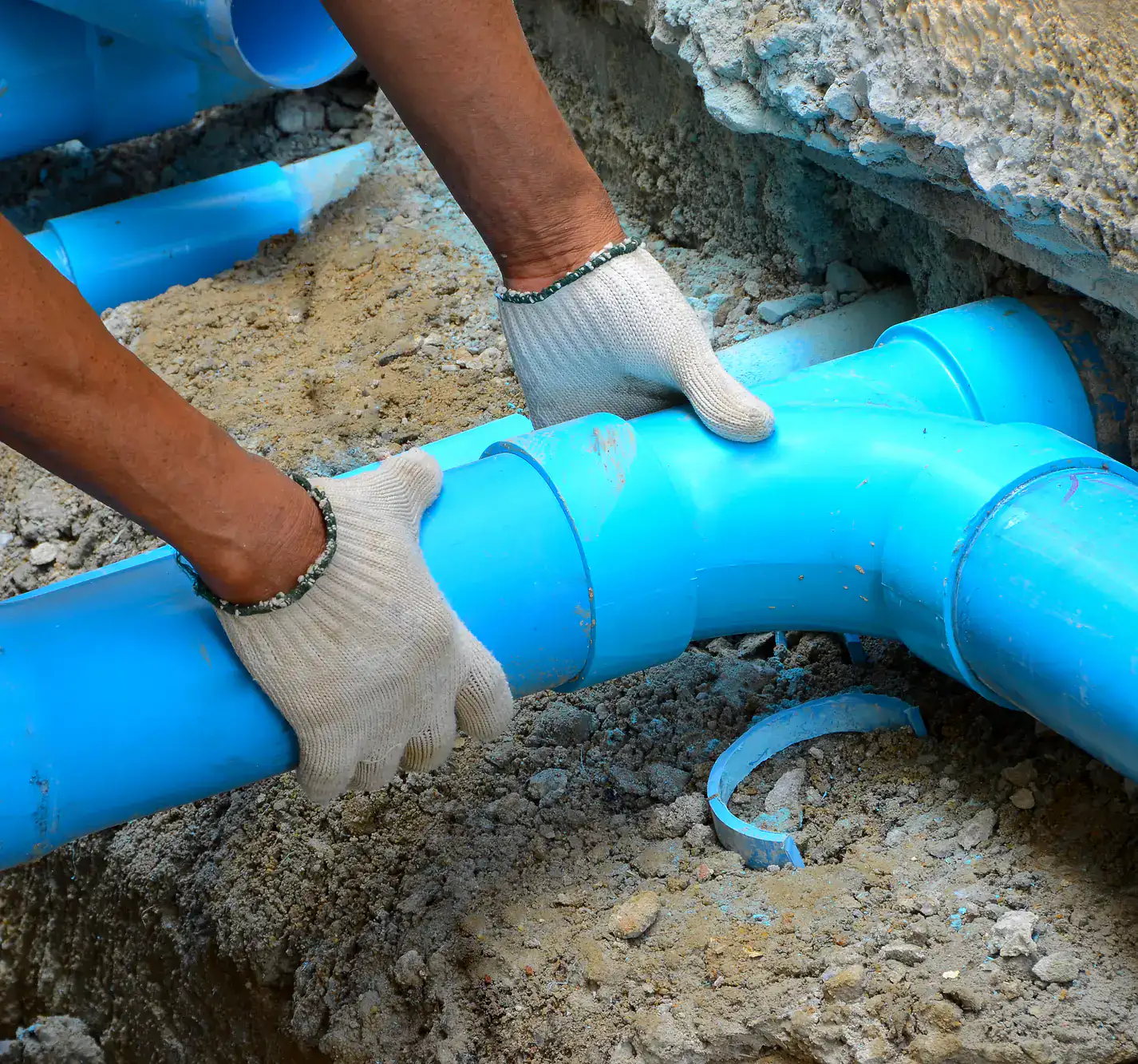
Sewer repair in Loomis covers a range of situations and what you need depends entirely on what the camera finds. For root intrusion, the fix might be clearing the blockage and relining the damaged section so roots can’t re-enter. For a cracked or collapsed clay pipe common in Loomis homes built before 1975, where original laterals are now well past their design life the repair might involve targeted excavation and pipe replacement, or a trenchless option if conditions allow.
Trenchless methods like pipe lining and pipe bursting are worth asking about if you have landscaping, a long driveway, or hardscaping you’d rather not tear up. Not every situation qualifies, but when it does, the pipe gets repaired or replaced with minimal digging. For Loomis properties on larger parcels with longer lateral runs from the house to the street connection, this can make a significant difference in both cost and disruption.
Every sewer repair job includes the camera inspection, a clear written estimate before work begins, all required Placer County permits, the repair itself, and a final site cleanup. If the repair comes in under the original estimate, that’s what you pay our customers have noted exactly that in their reviews. The goal is a fixed line and a final invoice that doesn’t surprise you.
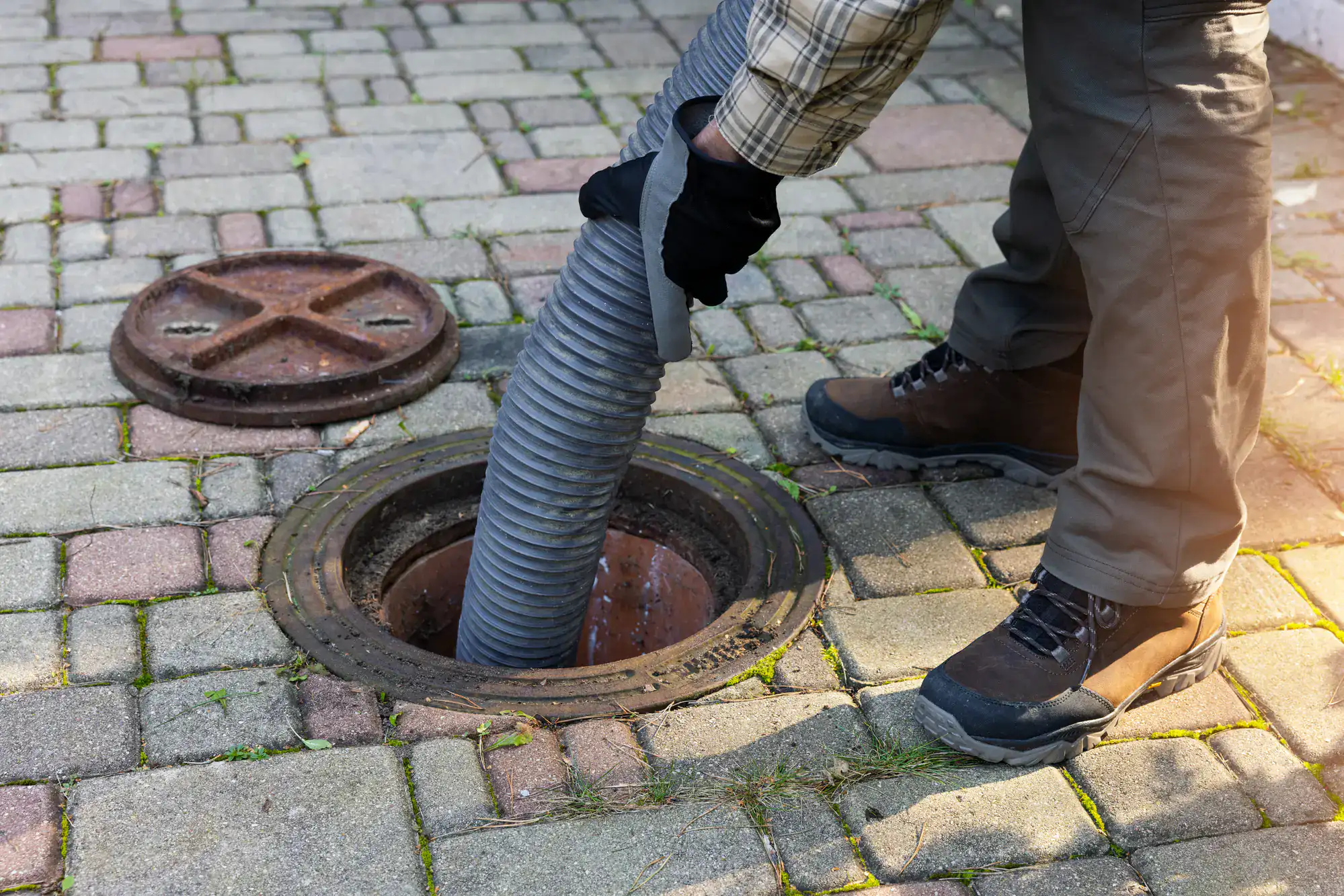
The honest answer is that you can’t know without a camera inspection and anyone who gives you a firm recommendation before looking inside the pipe is guessing. That guess can cost you thousands in unnecessary work, or it can miss a problem that gets worse while you wait.
A camera inspection shows the actual condition of your sewer lateral: where the damage is, how extensive it is, and whether a targeted repair will hold or whether the pipe has deteriorated to the point where replacement makes more sense long-term. In Loomis, a lot of homes in the older downtown neighborhoods are still running on clay pipe installed in the 1950s and 60s. That pipe is often 60 to 70 years old, and while some of it is still functional, sections can be cracked, bellied, or partially collapsed from decades of seasonal clay soil movement. A camera tells you which situation you’re actually dealing with so the recommendation you receive is based on evidence, not assumption.
Sewer repair costs vary depending on what’s wrong, how accessible the pipe is, and what method is used to fix it. For a targeted repair clearing a root blockage and relining a damaged section you’re generally looking at a few hundred to a couple thousand dollars. A partial pipe replacement with excavation typically runs $2,000 to $5,000. A full sewer lateral replacement, depending on length and access, can range from $4,000 to $10,000 or more.
In Loomis specifically, a few factors can affect where your job lands in that range. Properties on larger parcels often have longer lateral runs from the house to the street, which means more linear footage if replacement is needed. Homes with mature oaks or pines close to the sewer line may need more extensive root clearing before a repair can be completed. And if your home sits near Antelope Creek or in an area with higher seasonal groundwater, soil conditions can complicate excavation. We give you a firm written estimate before any work starts and the final invoice matches that number.
Yes and it’s one of the most common sewer issues in Loomis. The mature oaks and pines that make properties here look the way they do are also actively seeking moisture underground, especially during the dry summer months when Loomis can go weeks without rain and surface water disappears entirely. Sewer lines, even ones without visible damage, emit trace moisture at every joint and roots find those joints.
Once a root enters a pipe, it doesn’t stop growing. What starts as a hairline intrusion becomes a mass that catches grease, toilet paper, and debris until the line is partially or fully blocked. The fix depends on how far the intrusion has progressed. Early-stage root intrusion can often be cleared and the section relined to prevent re-entry. More advanced cases where roots have cracked or fractured the pipe may require partial replacement. A camera inspection tells you which situation you’re dealing with before any work begins.
For anything beyond basic maintenance which includes pipe replacement, trenchless lining, excavation, or any modification to the sewer lateral yes, a permit is required. In Loomis, that permit comes from the Placer County Building Services Division, which administers building permits for the town. The work also needs to meet California Title 24 Building Standards Code, with the 2022 edition currently in effect.
This matters for a few reasons. First, unpermitted sewer work can create problems when you sell the home buyers and their inspectors will ask, and unpermitted repairs can delay or derail a sale. Second, permitted work gets inspected, which means there’s an official record that the repair was done correctly. We pull the permit before work begins, schedule the Placer County inspection, and handle that process entirely on your behalf. You don’t have to navigate the Building Services Division or track inspection scheduling that’s part of the job.
Snaking clears the immediate blockage, but it doesn’t fix the underlying problem. If your drain backs up again within weeks or months of being snaked, something structural is going on inside the pipe and snaking it again is just buying time.
The most common culprits in Loomis homes are root intrusion and pipe damage from soil movement. If a root mass has been cleared but the pipe joint it entered through is still open, the roots grow back often faster than before, because the cleared path is already established. If a section of pipe has bellied or shifted from years of clay soil expanding and contracting, waste pools in that low spot and backs up regardless of how many times the line is cleared. A camera inspection is the only way to see which of these is happening and where. Once you know what’s actually causing the repeat backups, the repair can be targeted and permanent not just a temporary fix that puts you back in the same situation six months from now.
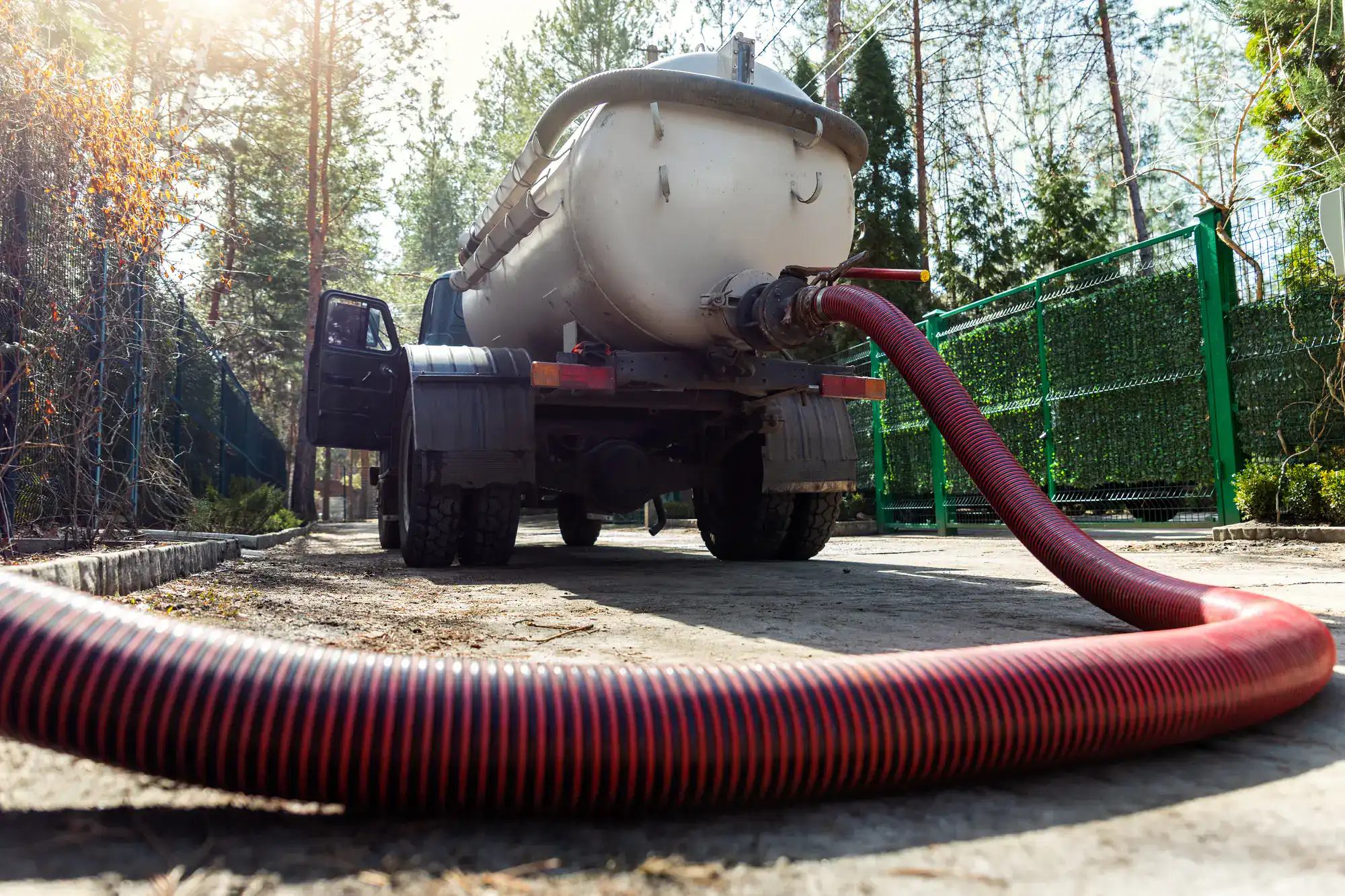
This is a genuinely important question in Loomis, because unlike more densely developed communities along the I-80 corridor, a significant number of Loomis properties particularly those on larger acreage parcels use private septic systems rather than connecting to the municipal sewer. Sewer repair and septic service are completely different scopes of work, so knowing which system you have matters before you call anyone.
The easiest way to find out is to check your Placer County property records or contact the Loomis Public Works department. You can also look for a sewer service charge on your utility bill if you’re paying one, you’re connected to municipal sewer. Homes in established neighborhoods closer to downtown Loomis and along major roads like Taylor Road are more likely to be on municipal sewer. Properties on one-plus acre parcels further from the town core are more likely to be on septic. If you’re not sure, we can help you figure it out before any diagnostic work begins there’s no point in inspecting a sewer lateral on a property that’s running on a septic tank.