
Hear from Our Customers
A working sewer line in Cedar Flat isn’t just about keeping the drains clear. It’s about not being the reason a beach advisory goes up on the North Shore. The Tahoe Basin operates under some of the strictest water quality regulations in the country, and a cracked or leaking lateral on your Cedar Flat property is a liability that goes well beyond the inconvenience of a backed-up toilet.
For the roughly two-thirds of Cedar Flat homeowners who aren’t here year-round, the real risk is what you don’t see. A slow lateral failure a root intrusion from one of the Jeffrey pines or incense cedars along Old County Road, a joint that shifted during the winter freeze-thaw cycle can develop for weeks before anyone notices. By the time a rental guest checks in or you arrive for ski season, what could have been a straightforward repair has turned into an urgent, expensive situation.
Once the line is properly repaired and inspected, that cycle stops. You’re not snaking the same drain every few months hoping it holds. You’re not fielding emergency calls from a property manager at 9 p.m. on a Saturday. The problem is documented, fixed to Placer County code, and confirmed on camera so you have proof of what was done and why.
We’ve been serving Placer County for over two decades long enough to know the specific conditions that affect sewer laterals in Cedar Flat, Carnelian Bay, and the Ridgewood Highlands subdivisions. Aging clay pipe joints, frost heave displacement, root intrusion from Sierra Nevada conifers these aren’t abstract failure modes here. They’re what we find on camera, regularly, in this area.
Ryan Murray owns and operates this company personally. His name is on the reviews, and he responds to them. That’s not a marketing angle it’s just how the business runs. When you hire us for sewer repairs in Cedar Flat, CA, you’re dealing with someone who has a direct stake in getting it right.
Our service area covers Placer County, El Dorado County, and Sacramento County. Cedar Flat and the broader North Tahoe corridor including the NTPUD service area fall squarely within that reach. We’re not a contractor driving up from the valley without context. We’re a regional operator who understands the regulatory environment you’re working in.
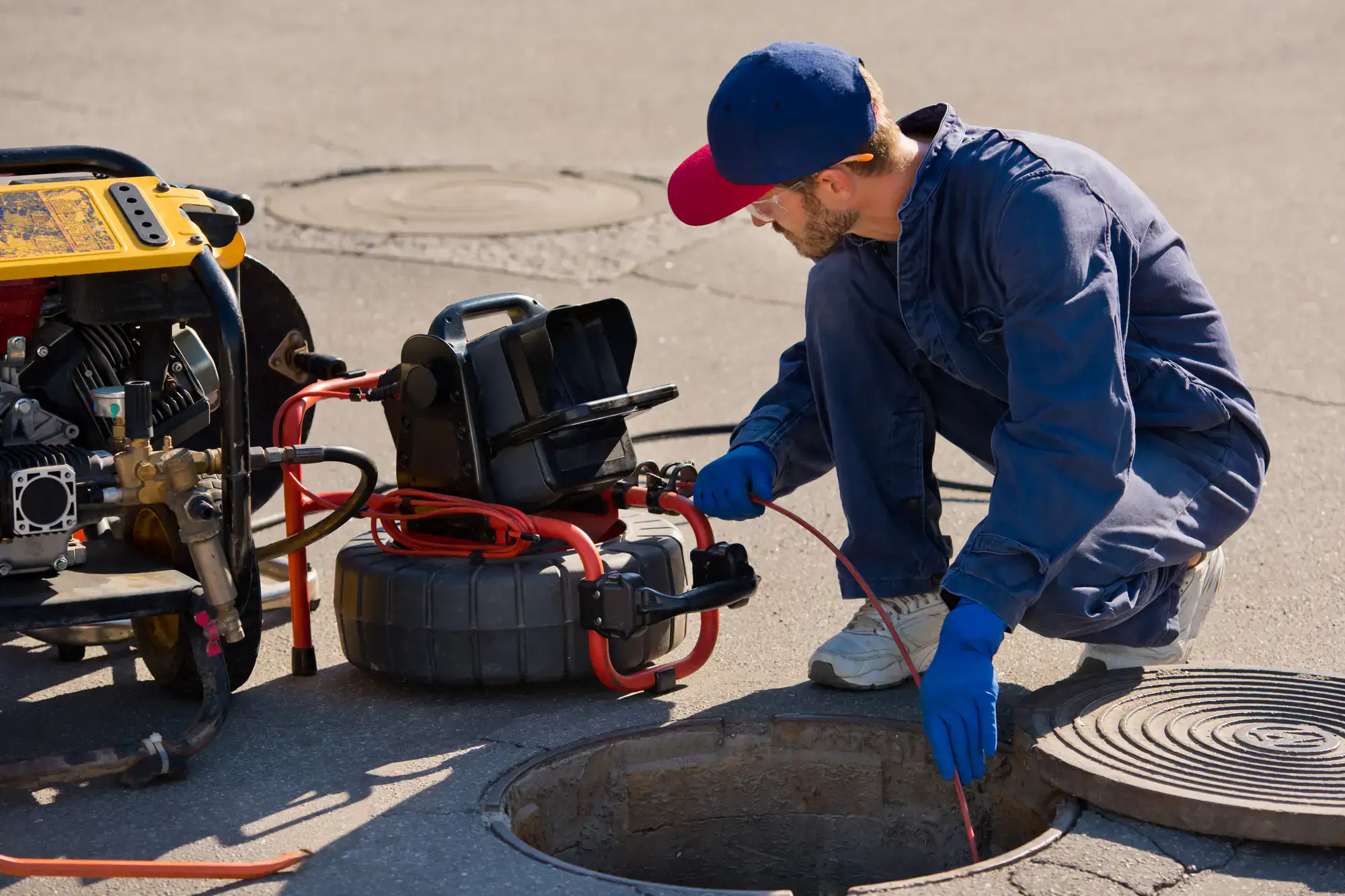
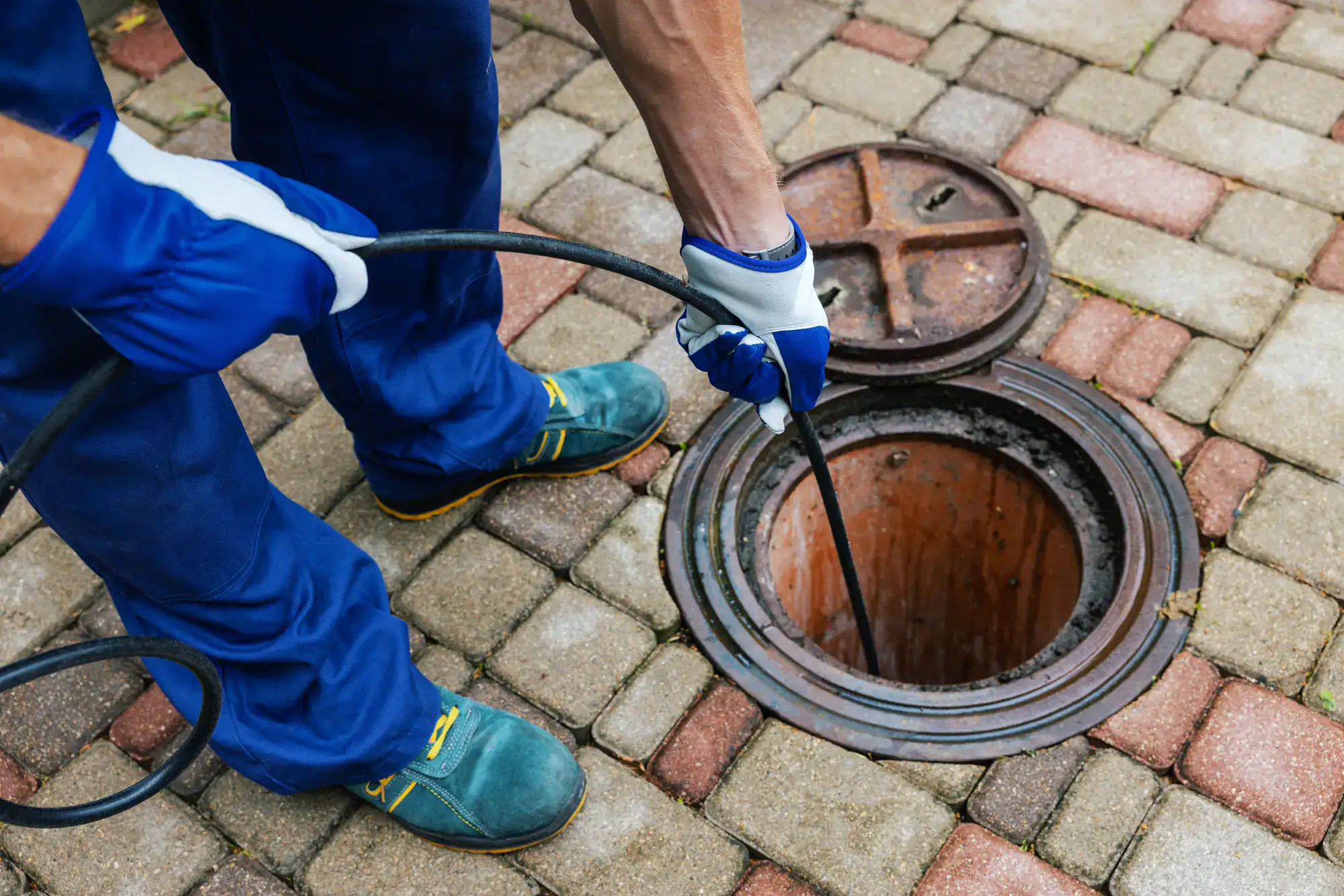
Every sewer repair job with us starts the same way: a camera goes into the line before anything else happens. In Cedar Flat, this step is especially important. Older laterals in the area many of them original clay or cast iron from when these cabins and vacation homes were first built can show multiple issues at once: a root intrusion near the surface, a bellied section further down, a joint that shifted after last winter’s frost heave. Without the camera, you’re guessing. With it, you’re looking at exactly what needs to be fixed and nothing more.
Once the inspection is done, you get a clear, upfront price. Not a range. Not an estimate subject to change. A number you can approve whether you’re standing in the driveway or on a call from out of state. We handle the Placer County permit application and coordinate with the North Tahoe Public Utility District so you don’t have to navigate that process yourself. If the repair involves any ground disturbance, TRPA compliance requirements are factored in from the start.
After the work is complete, the repair is inspected and documented. You’ll know what was found, what was done, and what the line looks like now on camera, on record. For absentee owners managing a high-value property in the Tahoe Basin, that documentation matters at closing, for insurance, and for your own peace of mind.
Ready to get started?
A sewer repair call in Cedar Flat isn’t the same as one in Sacramento or Elk Grove. The regulatory environment alone NTPUD coordination, Placer County permits, potential TRPA review for any ground disturbance adds layers that most contractors either don’t know how to navigate or leave entirely to the homeowner. We handle all of it end-to-end. You don’t have to make three separate calls to three separate agencies.
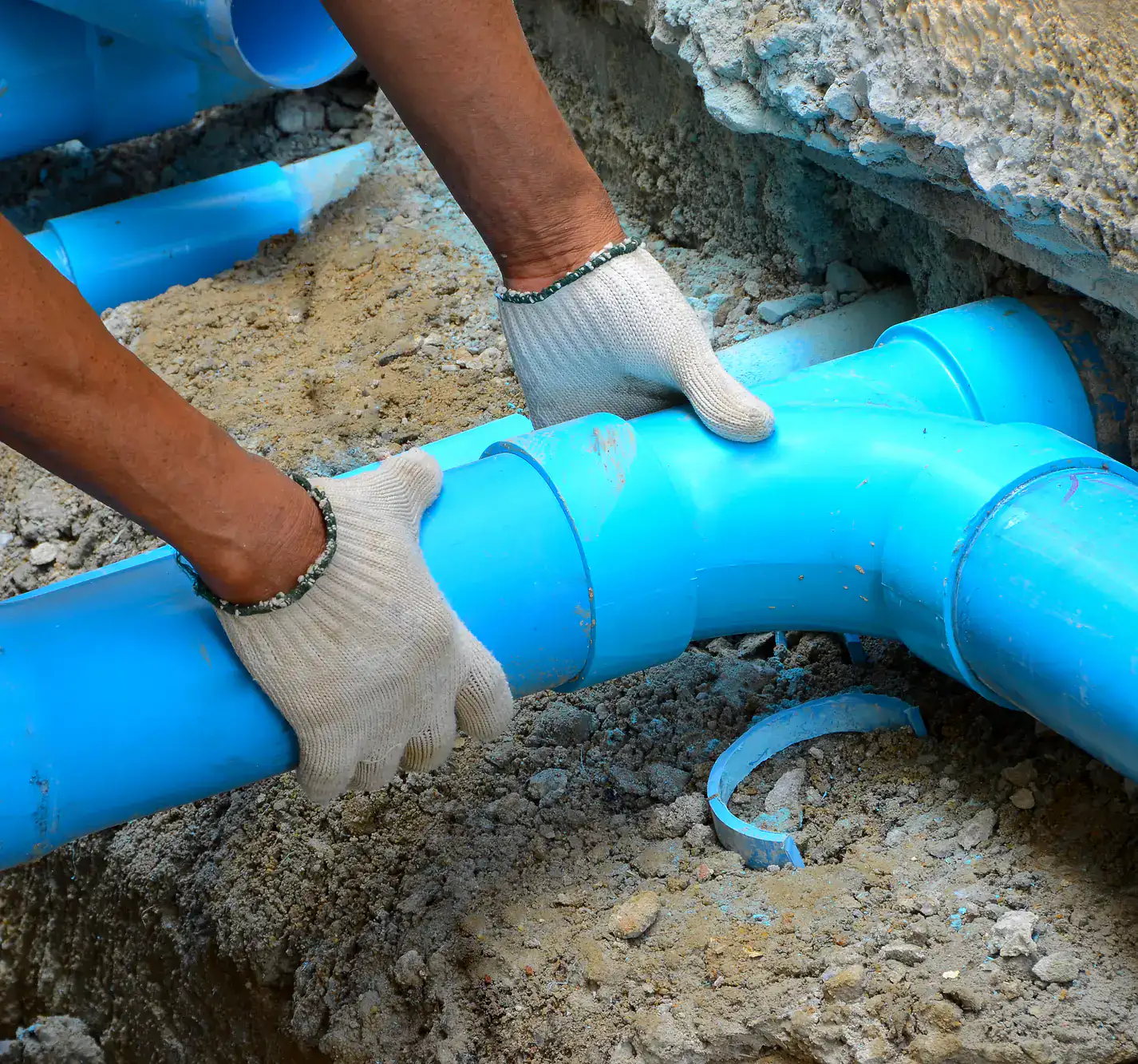
On the technical side, our service covers the full range of what Cedar Flat laterals typically need: camera inspection and diagnosis, spot repairs on cracked or separated joints, full lateral replacement when the line is beyond repair, and trenchless options pipe lining and pipe bursting when you want to protect mature landscaping, stone paths, or the kind of hardscaping that takes years to build on a North Shore property. Trenchless repair isn’t an upsell here. When conditions allow for it, it’s the recommended approach.
Common causes in this area include root intrusion from the cedar and pine canopy that runs through neighborhoods like Fulton Acres and Carnelian Heights, freeze-thaw joint displacement from Cedar Flat’s roughly 6,225-foot Sierra Nevada elevation, and the seasonal load stress that comes with short-term rental occupancy spikes during ski season and summer. If your line has been snaked more than once in the past year and the problem keeps coming back, a camera inspection will tell you why and what it actually takes to fix it for good.
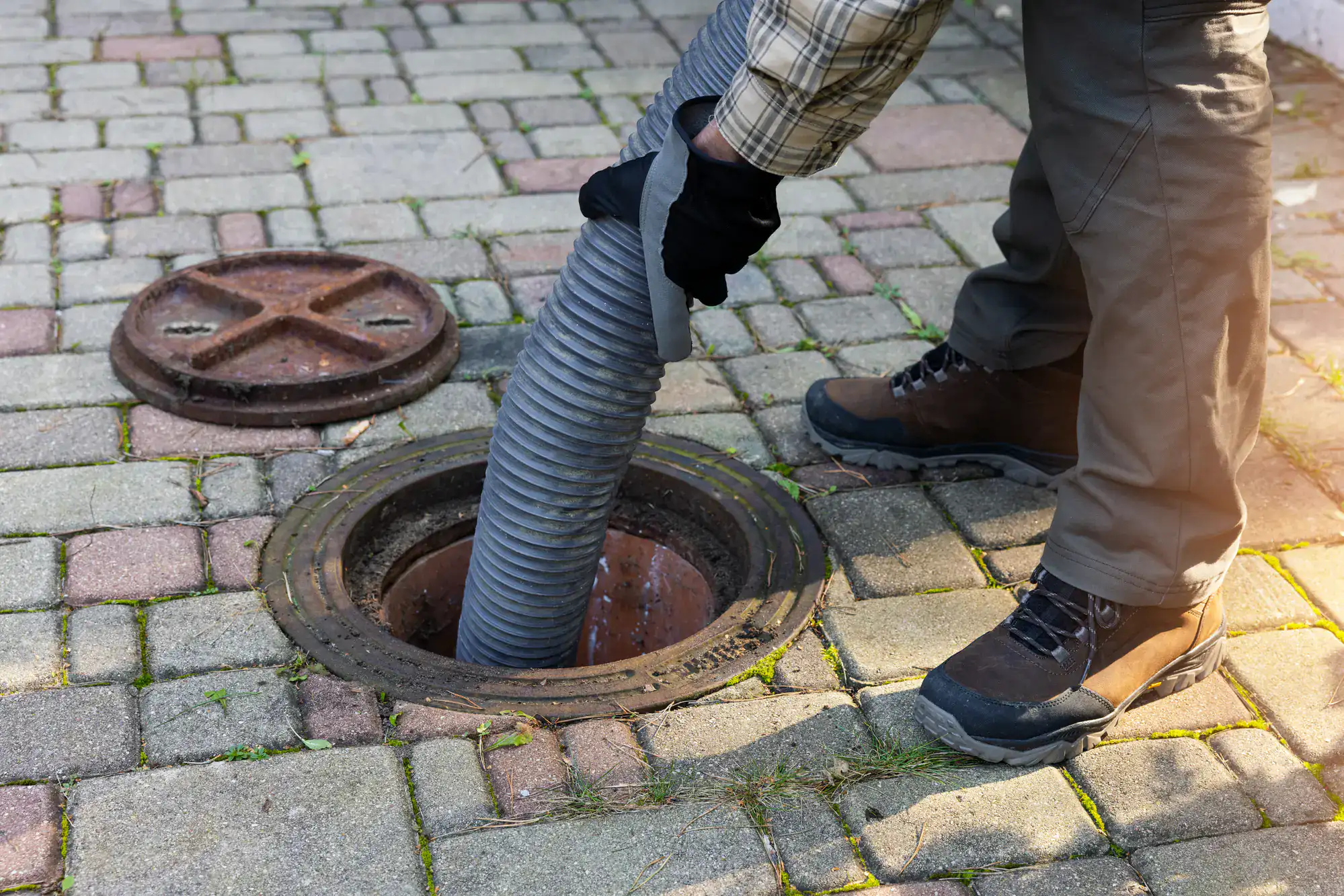
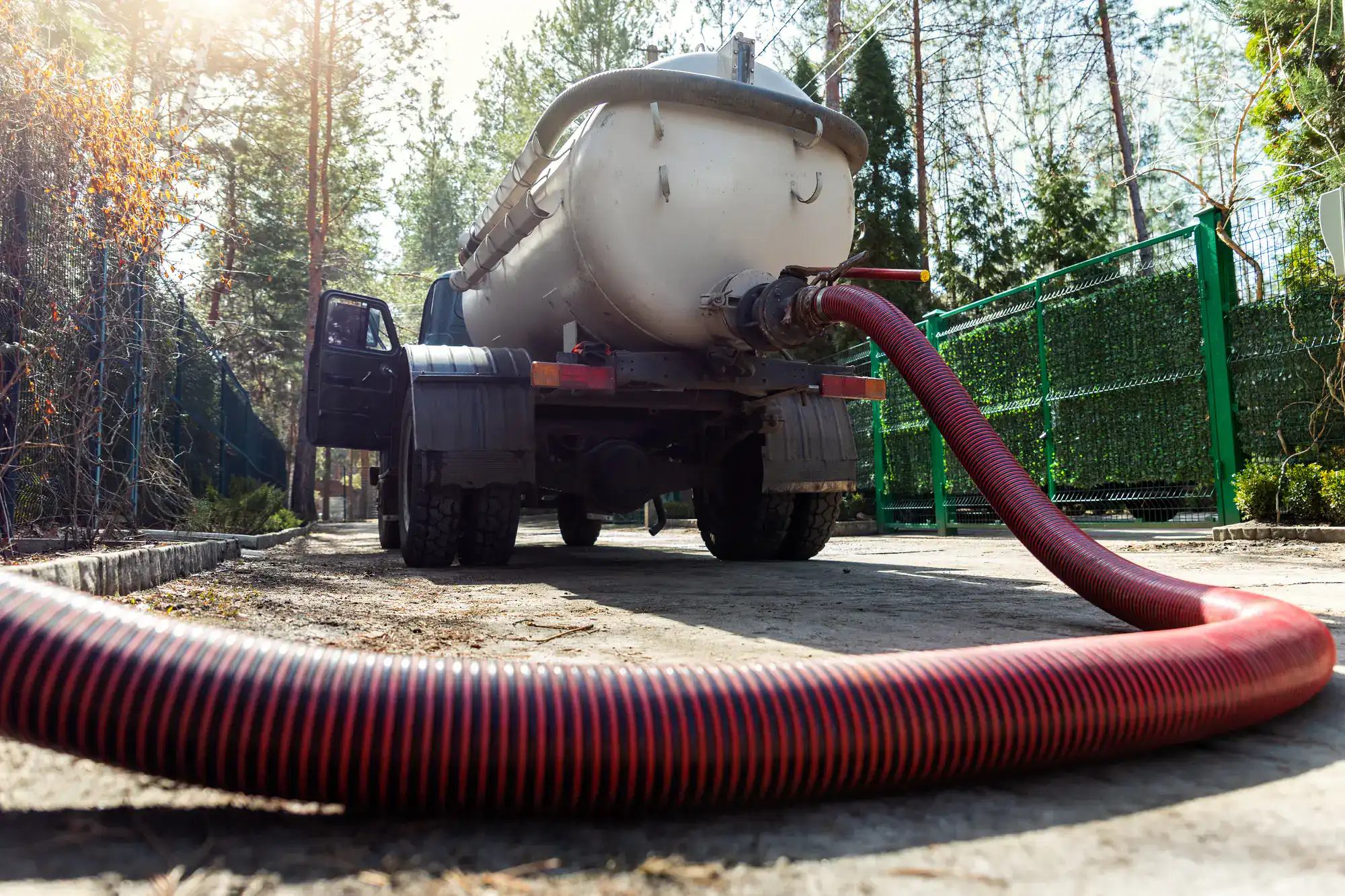
The North Tahoe Public Utility District maintains the main sewer collection lines and the infrastructure that runs through the public right-of-way. The private lateral the pipe that connects your home or cabin to the NTPUD system is the property owner’s responsibility. That means if there’s a root intrusion, a cracked joint, or a collapsed section anywhere between your structure and the NTPUD connection point, the repair cost and the coordination fall on you, not the district.
This is a common source of confusion for Cedar Flat homeowners, especially those who aren’t local year-round and haven’t dealt with a sewer issue here before. The good news is that we handle the NTPUD coordination as part of the job so you’re not trying to figure out where the district’s responsibility ends and yours begins while also managing a backup or an active leak. We sort that out on your behalf before work begins.
Sewer repair costs vary based on what the camera actually finds. A spot repair on a single cracked joint or a localized root intrusion typically runs in the range of $650 to $2,500. A full lateral replacement which is more common on older Cedar Flat properties with original clay pipe can range from around $3,000 to $7,500 or more depending on the length of the run, access conditions, and whether trenchless methods are used. On longer or more complex runs, costs can reach $15,000 in more significant cases.
What we commit to is that the number you’re given before work starts is the number on the invoice. No mid-job additions, no scope creep billed at the end. In a high-value real estate market like Cedar Flat where many owners are authorizing repairs remotely and can’t be on-site to supervise that pricing integrity is something customers consistently call out in reviews. The camera inspection is what makes it possible: when you can see exactly what’s wrong, you can price it honestly.
This is one of the most common situations we see on the North Shore. A property sits vacant through fall and into winter, a lateral failure develops slowly a root working its way into a clay joint, a bellied section filling with debris and nobody notices until the first occupants of ski season discover a backup. By that point, what could have been a minor repair has had months to worsen.
The most practical step is a scheduled camera inspection before each occupancy season particularly before ski season begins in late November or December, when your Cedar Flat property will go from empty to fully loaded in a short window. A camera inspection takes a couple of hours and gives you a clear picture of what the line looks like before you put it under stress. If something needs attention, you find out on your schedule, not your guest’s. For short-term rental properties in Cedar Flat, that kind of proactive maintenance is also a liability management decision, not just a maintenance one.
Yes any sewer lateral repair or replacement in unincorporated Placer County, which includes Cedar Flat, requires a permit from the Placer County Building Department. The permit process involves plan review and a final inspection to confirm the work meets code. Beyond the county permit, any repair that involves ground disturbance may also require review under TRPA standards, since Cedar Flat sits within the Lake Tahoe Basin where land coverage and erosion control regulations apply to construction and excavation activity.
For most homeowners especially those who aren’t local and don’t have experience navigating multiple regulatory bodies this is the part of a sewer repair that feels most overwhelming. We manage the permit application, the NTPUD coordination, and the final inspection scheduling as part of the job. You don’t need to become an expert in Placer County building code or TRPA compliance to get your sewer line fixed correctly. That’s handled on your behalf, and the completed documentation becomes part of your property record.
Snaking clears a blockage it doesn’t fix what caused it. In Cedar Flat, the two most common root causes of recurring backups are tree root intrusion and bellied pipe sections, and snaking addresses neither one permanently. Root intrusion is especially prevalent here given the density of incense cedars, Jeffrey pines, and white fir throughout neighborhoods like Ridgewood Highlands and along Old County Road. Roots find the smallest gap in an aging clay or cast iron joint and grow into it. Snaking cuts them back temporarily, but they regrow often faster the second time.
A bellied section is a low spot in the pipe caused by ground movement, which in Cedar Flat is frequently the result of frost heave from the annual Sierra Nevada freeze-thaw cycle. Solids accumulate in the belly, and no amount of snaking changes the pipe’s grade. The only fix is repairing or relining the affected section. A camera inspection will show you exactly which issue you’re dealing with and once you know, the repair can be scoped and priced accurately rather than treating symptoms indefinitely.
In many cases, yes and for Cedar Flat properties specifically, it’s often the preferred approach. A lot of homes in this area have mature landscaping, stone pathways, decks, or outdoor living spaces that took years to establish and aren’t easily restored once excavated. Trenchless methods pipe lining and pipe bursting repair or replace the sewer lateral with minimal digging, typically requiring only small access points at each end of the affected section rather than a trench along the full run.
Pipe lining works by inserting a resin-saturated liner into the existing pipe and curing it in place, creating a smooth, root-resistant interior surface inside the old pipe. Pipe bursting replaces the old line entirely by pulling a new pipe through while simultaneously fracturing the original. Which method is appropriate depends on what the camera finds the condition of the existing pipe, the degree of damage, and the grade of the line. We’ll tell you which option applies to your specific situation and why, based on what’s actually in your line not on which method carries a higher margin.