
Hear from Our Customers
A sewer problem in Dutch Flat isn’t just an inconvenience it’s a real disruption in a place where the nearest alternative contractor is 30 miles down I-80. When the line is repaired correctly the first time, you stop guessing whether that slow drain is going to turn into a backup, and you stop worrying about what’s happening underground beneath a home that’s been there for 70-plus years.
Most of the homes in Dutch Flat were built before the 1960s, which means the sewer pipes underneath them are clay or cast iron materials that were never designed to last this long. Add in the mature pines and oaks surrounding these properties, and you’ve got root systems that spend every dry summer hunting for moisture in exactly the wrong places. A properly repaired or relined sewer line stops that cycle before it becomes a full replacement.
The other thing that changes is peace of mind going into winter. Dutch Flat’s wet season brings saturated soil, freeze-thaw ground movement, and real pressure on joints that are already aging. Getting the line assessed and repaired before the rains hit means you’re not dealing with a sewage emergency on a January weekend when the ground is frozen and the phone tree for local plumbers is very, very short.
We’ve been doing this work in El Dorado, Sacramento, and Placer County for over 24 years. That’s not a tagline it’s the reason we understand what sewer lines in foothill communities like Dutch Flat actually look like after decades underground in Sierra Nevada soil.
We’re owner-operated, which means the person responsible for your job is the same person whose name is attached to the business. Our Google rating sits at 4.7 out of 5 based on 93 reviews, and the thing customers mention most isn’t the technical work it’s that we showed up when we said we would, told them the price before we started, and didn’t add anything to the invoice that wasn’t discussed.
For Dutch Flat specifically an unincorporated Placer County community with no city building department and a housing stock that predates most of the region’s infrastructure that kind of consistency matters more than it does almost anywhere else we serve.
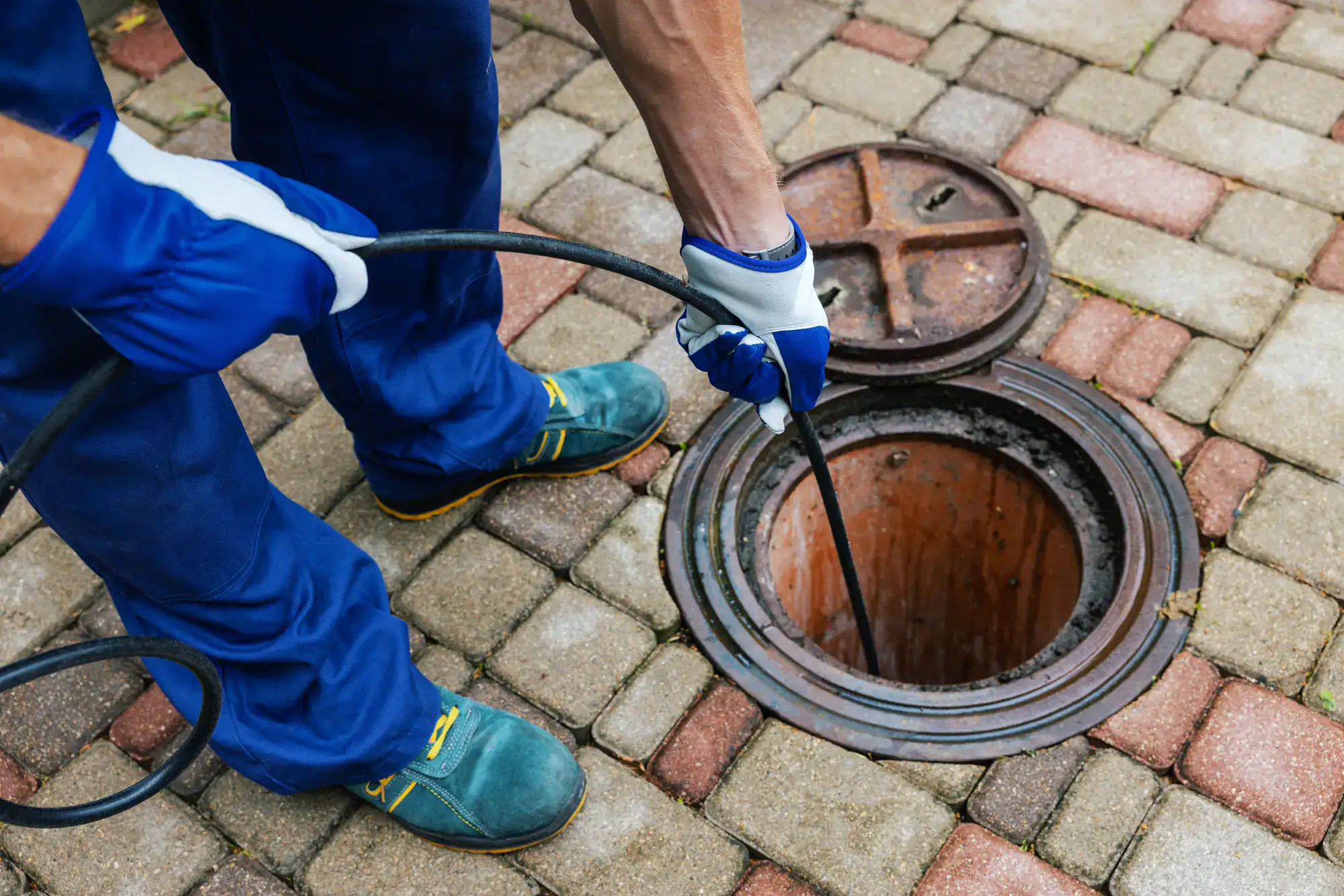
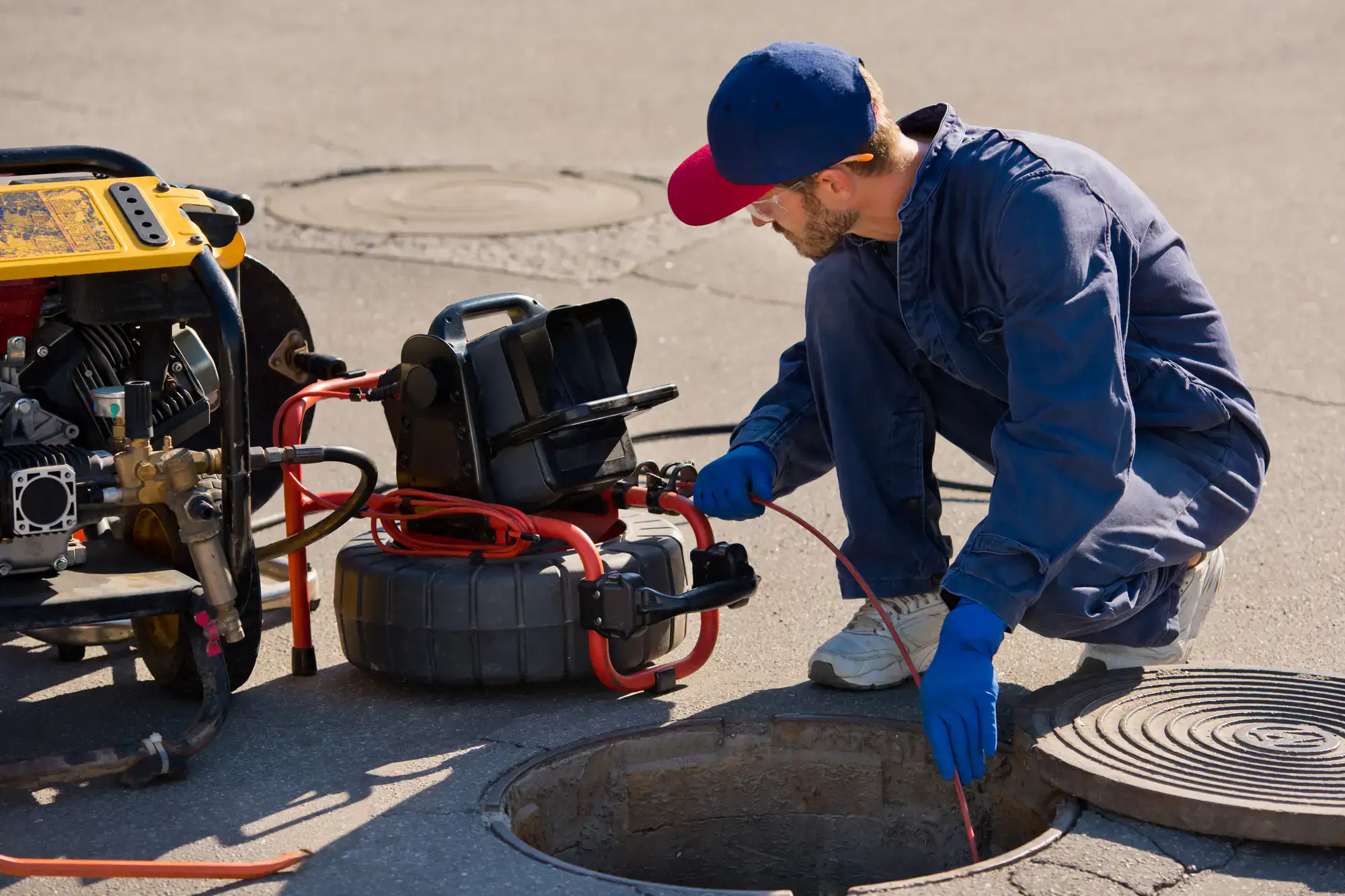
Every sewer job starts with a camera inspection. Before any repair is recommended, we run a camera through the line so you can see exactly what’s happening inside the pipe whether it’s root intrusion, a collapsed section, a cracked joint, or buildup from decades of use. In a home built before 1960, that inspection isn’t optional. It’s the only honest way to know what you’re dealing with.
Once we know what’s there, we give you a firm price before any work begins. That number doesn’t change when the job is done. We’ve had customers pay less than the original estimate that’s not a marketing line, it’s just what happens when you price work honestly instead of padding for contingencies.
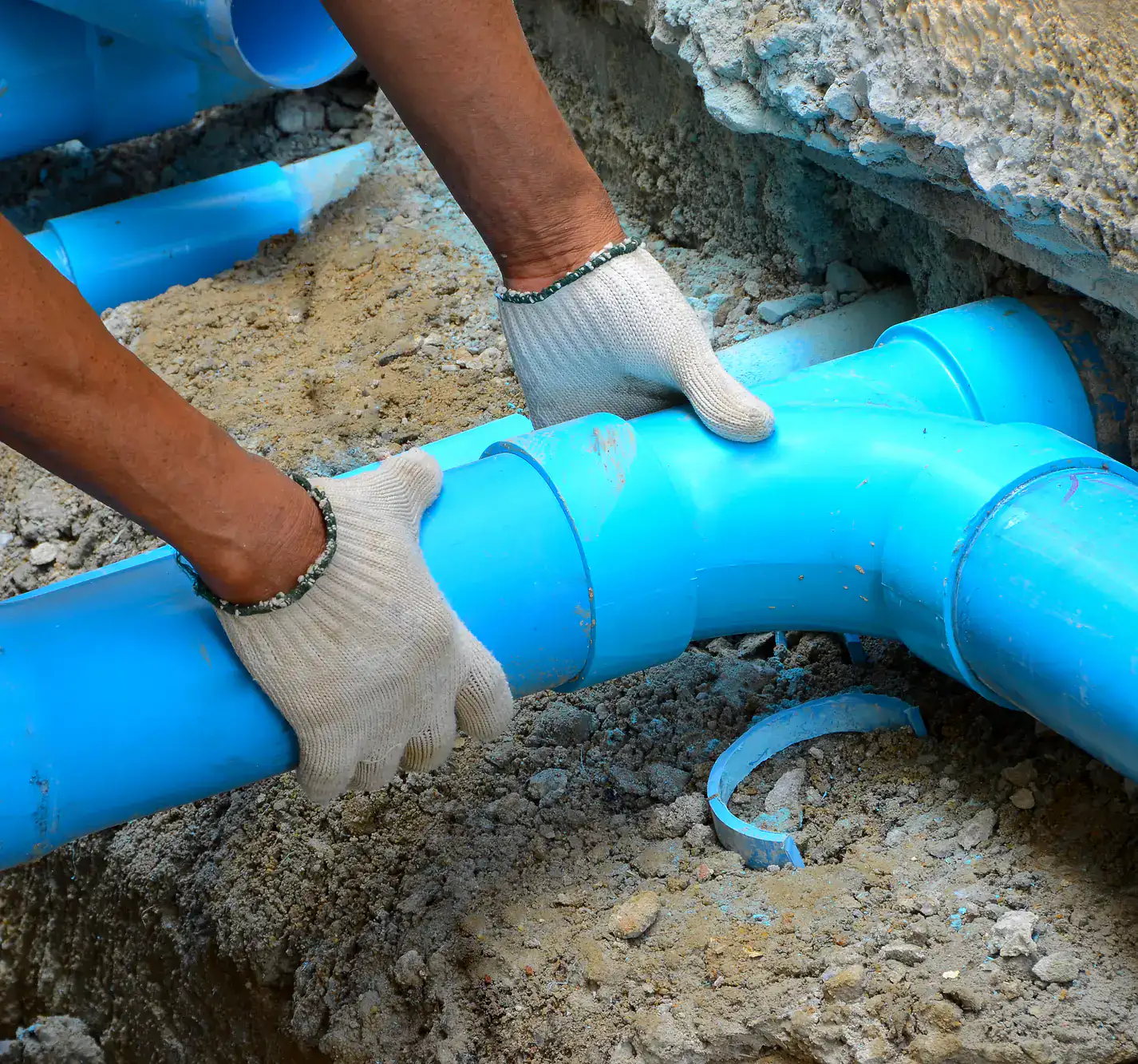
For repairs in Dutch Flat, we also handle the Placer County permit process from start to finish. Because this is an unincorporated community, all permitted sewer work falls under Placer County Building Services not a city department. We know that process, we manage it, and you don’t have to chase down inspections or figure out Title 24 compliance on your own. Where conditions allow, we also offer trenchless repair options that protect the landscaping and established trees on your property which matters when those trees took 40 years to grow.
Ready to get started?
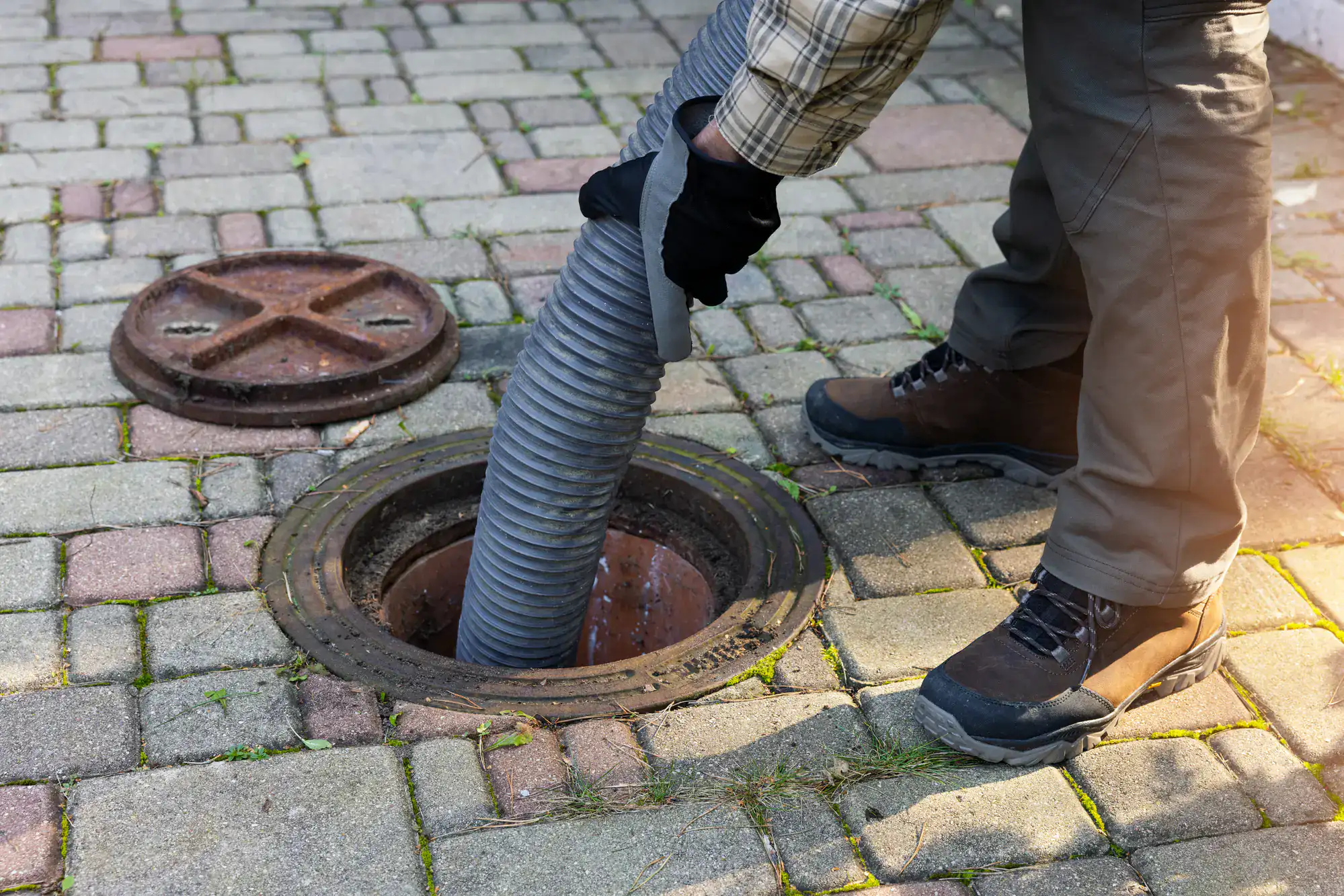
Sewer repair in Dutch Flat covers a range of issues root intrusion clearing, broken sewer pipe repair, main sewer line repair, joint resealing, pipe relining, and full line replacement when the damage is beyond a targeted fix. The right solution depends entirely on what the camera finds, which is why that step comes before any recommendation.
For properties in the Dutch Flat area, root intrusion is the most common issue we find. The forested terrain along this stretch of the I-80 corridor means mature root systems are almost always nearby, and aging clay pipe gives them an easy entry point. In many cases, a trenchless pipe lining repair resolves the problem without excavating the yard a real advantage on historic lots where the landscaping and property character are worth preserving.
We also handle emergency sewer backup situations through our 24/7 line. If raw sewage is backing up into a Dutch Flat home on a Saturday night in December, that’s not something you schedule for next week. Our emergency response covers Placer County communities along the I-80 corridor, and we’re equipped to make that drive regardless of the time or season. All work is performed by licensed professionals under a valid California CSLB C-36 plumbing contractor license, fully permitted and inspected through Placer County Building Services.
This is a fair question and an important one. Most of the results that come up when you search for sewer repair in Dutch Flat are directory aggregator websites with toll-free numbers and no actual local presence. They list Dutch Flat the same way they list every other ZIP code in California, but there’s no crew that actually drives up the I-80 corridor to do the work.
We’re a licensed Placer County contractor with over 24 years of regional experience. Dutch Flat is within our active service area, not a name we added to a list. We’ve worked in foothill communities along this corridor and understand the specific conditions aging pipe types, forested terrain, Placer County permitting requirements that come with the territory. When you call, you’re reaching a real operation that will actually show up.
Sewer repair costs vary depending on what’s actually wrong with the line, how deep it’s buried, how long the damaged section is, and what method is used to fix it. For targeted repairs clearing root intrusion, resealing a joint, relining a section of pipe costs typically fall in the $650 to $4,000 range. A full sewer line replacement on a property with significant damage can run anywhere from $4,000 to $15,000 or more, depending on access difficulty and pipe length.
For Dutch Flat specifically, the age of the housing stock is a real factor. Homes built before 1960 are more likely to have clay or cast iron pipes that have reached the end of their functional life, which can shift a repair conversation toward replacement. The honest answer is that you won’t know the real scope until a camera inspection is done. We give you a firm price after that inspection before any work starts so there are no surprises on the invoice.
Tree root intrusion, by a significant margin. Root intrusion accounts for roughly 50% of all sewer blockages nationally, and in a forested Sierra Nevada foothill community like Dutch Flat where mature pines, oaks, and other deep-rooted species grow on and around most residential properties that risk is higher than average.
During California’s dry summers, tree roots actively seek out underground moisture sources. A sewer line is exactly the kind of target they find, especially in aging clay or cast iron pipe that has developed micro-cracks or joint gaps over 60-plus years underground. The roots don’t just block the flow they widen those openings over time, eventually causing sections of pipe to collapse. Catching it early with a camera inspection, before it becomes a full collapse, is almost always cheaper than waiting for a backup to force the issue.
For significant sewer repairs or any sewer line replacement, yes a permit is required. Because Dutch Flat is an unincorporated community, all building permits and inspections are handled through Placer County Building Services, not a city department. The applicable standard is California’s Title 24 Building Code, updated January 1, 2023.
This matters more than some homeowners realize. Work done without proper permits creates real liability it can complicate a future property sale, and unpermitted sewer work may not be covered by homeowners insurance if a subsequent failure occurs. We manage the entire permit and inspection process with Placer County Building Services from start to finish, so you don’t have to navigate that on your own. Everything is documented, compliant, and properly closed out before we consider the job done.
Yes, and for many Dutch Flat properties it’s the better option. Trenchless pipe lining where a resin-coated liner is inserted into the existing pipe and cured in place repairs the line from the inside without excavating the yard. Pipe bursting, another trenchless method, replaces the old pipe by pulling a new one through while fracturing the original outward.
For Dutch Flat homeowners with established landscaping, mature trees, or historic lots where the character of the property matters, trenchless repair protects all of that. Traditional excavation on a forested foothill property can mean removing trees, digging up decades-old landscaping, and significant surface restoration costs on top of the pipe repair itself. Trenchless isn’t always possible it depends on the condition and configuration of the existing pipe but where it is, it’s worth asking about. We’ll tell you honestly whether your line qualifies after the camera inspection.
Fall is the most practical window specifically September through October, before the wet season begins. Dutch Flat’s winters bring heavy rainfall, saturated soils, and freeze-thaw ground movement that puts real stress on aging pipe joints. If there’s a vulnerability in your sewer line, winter is when it tends to become a problem. Getting a camera inspection done in fall means you can address anything that needs attention before the ground is frozen and the conditions for an emergency are at their worst.
Spring is the second-best window, when the damage winter did becomes visible slow drains, gurgling fixtures, and wet patches in the yard often surface as the ground thaws and settles. Summer is when root intrusion tends to peak, as dry conditions drive tree roots deeper in search of moisture. There’s no bad time to have a sewer line inspected if you’re noticing symptoms, but for a proactive check on a pre-1960s Dutch Flat home, fall gives you the most useful lead time before the season that causes the most failures.