
Emergency Plumber
Call 530-444-5419 for urgent help, or request a callback below.
We’ll contact you about your plumbing request. Privacy policy
Hear from Our Customers
Water doesn’t wait. When a pipe lets go at 6 AM and you’ve got a class to teach at Sacramento State or a state meeting Downtown by nine, the difference between calling the right plumber and the wrong one isn’t just money it’s your entire day. A fast, accurate diagnosis means the problem gets fixed before it becomes a claim, not after.
Campus Commons was built in the 1970s, and most of those original supply lines and sewer pipes are still in the walls and under the ground. Galvanized steel corrodes from the inside out. Polybutylene cracks without warning. Cast iron sewer lines develop fractures that tree roots find before you do. The mature canopy along the American River Parkway isn’t just beautiful those root systems have been growing toward water sources for 50 years, and your sewer line is one of them.
When you’re in an attached unit a condo or townhome in one of the Villages or the Nepenthe Association a leak isn’t just your problem. Water travels through shared ceilings and floors fast. Having a licensed, insured plumber on record matters to your HOA board and to your downstairs neighbor. Getting it handled quickly and correctly the first time is what keeps a bad morning from turning into a months-long insurance dispute.
We’ve been working across Sacramento County for over 24 years. That’s not a tagline it means we’ve worked on the exact pipe materials, building types, and soil conditions that define Campus Commons and the broader Sacramento area. We know what aging infrastructure looks like here, and we know how to fix it without turning a repair into a guessing game.
Every call is answered by a real person. Not a machine, not a message service someone who can take your address, assess what you’re dealing with, and get a plumber moving toward Fair Oaks Boulevard or Howe Avenue right now. The pricing gets confirmed before any work starts, and in more than a few cases, the final bill has come in lower than the original estimate.
We hold a California C-36 plumbing contractor license the state-regulated credential that requires verified journeyman experience, state examinations, and a background check. Full general liability and workers’ compensation insurance on every job. If your HOA asks for documentation, it’s there.
You call. A real person picks up, asks a few quick questions about what you’re seeing water location, severity, whether you’ve shut off the main and dispatches a plumber immediately. The target arrival window for Campus Commons is 60 to 90 minutes. That’s not a range designed to give wiggle room; it’s the actual benchmark we hold ourselves to across Sacramento County.
When we arrive, the first job is diagnosis not assumptions. Campus Commons homes have a specific set of variables: 1970s construction, clay-heavy soil that shifts with Sacramento’s summer heat cycles, and in many cases, sewer lines that run beneath mature tree canopy. A proper diagnosis accounts for all of that before any repair work begins. You’ll get a clear explanation of what’s wrong and an exact price before anything is touched.
Once you approve the work, most emergencies are resolved the same day. If the repair involves anything that requires a City of Sacramento permit repiping, sewer line replacement, water heater installation we handle that correctly and document it. For Campus Commons condo and townhome owners, that paper trail matters when your HOA management company or insurance carrier asks questions later.
Ready to get started?
We handle the full range of emergency plumbing situations burst pipes, sewer backups, water heater failures, gas line issues, drain emergencies, and sudden loss of water pressure. If it’s urgent and it involves your plumbing system, this is the call to make. Our 24/7 emergency plumbing service covers Campus Commons and the surrounding Sacramento County area around the clock, every day of the year.
For Campus Commons specifically, a few situations come up more often than others. Tree root intrusion into aging sewer lines is a documented pattern for properties near the American River Parkway slow drains, gurgling toilets, and wet patches in the yard are early signs worth taking seriously before the line collapses. Water heater failures in homes with original 1970s infrastructure are common, accelerated by Sacramento’s moderately hard water supply, which builds mineral deposits faster than most homeowners expect. And in the attached units throughout the Villages of Campus Commons and the Nepenthe Association, supply line failures and drain blockages need to be addressed with a licensed, insured contractor not a handyman because shared-wall liability is real.
Every job comes with upfront pricing, full licensing documentation, and insurance coverage that protects your property and your neighbors’. If your situation requires a Sacramento city permit, we pull it and handle it properly. No shortcuts that create problems at resale or during an HOA review.
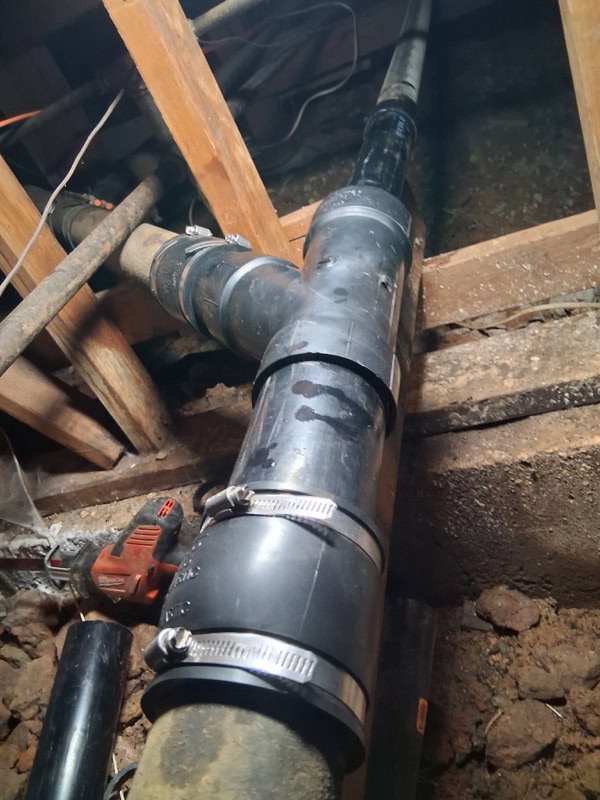
The target response window for Campus Commons is 60 to 90 minutes from the time you call. That applies around the clock not just during business hours. Campus Commons sits within our Sacramento County service area, and the access routes along Howe Avenue and Fair Oaks Boulevard make it a straightforward dispatch from our coverage zone.
That said, response time only matters if someone actually answers the phone when you call. We operate without an answering service on the emergency line a real dispatcher picks up, gets your address and situation, and has a plumber moving before you hang up. If you’ve ever called an “emergency” plumber at 2 AM and gotten a voicemail, you already know why this distinction matters.
The first move is shutting off the water supply. If the burst is isolated to a fixture a toilet, a sink, an appliance the shutoff valve is usually right behind or beneath it. If you can’t locate it or the break is in a main supply line, find your home’s main shutoff and close it completely. In Campus Commons condos and townhomes, the main shutoff location varies by unit and building if you don’t know where yours is, find out now, before an emergency.
Once the water is off, don’t try to assess the damage yourself beyond what’s visible. Burst pipes in 1970s Campus Commons construction often involve materials galvanized steel, polybutylene that look stable and aren’t. Call us, describe what you’re seeing, and let the plumber do the diagnostic work when we arrive. If water has reached a neighboring unit, notify your HOA management company as soon as possible so the documentation process starts immediately.
Recurring drain backups in Campus Commons are worth taking seriously, especially in ground-floor units and properties that back up to the American River Parkway greenbelt. The most common culprit in this neighborhood isn’t a simple clog it’s tree root intrusion into aging sewer lines. The mature trees throughout Campus Commons’ landscaped common areas have had decades to grow toward underground water sources, and cast iron and clay sewer lines from the 1970s develop cracks that roots exploit over time.
A slow drain that keeps coming back after you’ve snaked it is a symptom, not the problem. The actual problem is usually further down the line and requires a camera inspection to diagnose accurately. Left alone, root intrusion worsens every season especially in late fall when Sacramento’s trees are still actively seeking moisture before winter. If your drain has backed up more than once in the past year, we can tell you exactly what’s happening underground before it becomes a full line failure.
Yes, and it’s one of our more common call types in Campus Commons. The Villages of Campus Commons and the Nepenthe Association are HOA-governed communities, and plumbing emergencies in attached units condos and townhomes carry a different level of complexity than single-family home repairs. Water doesn’t respect shared walls. A burst supply line on an upper floor becomes a ceiling damage claim for the unit below, and HOA boards and property management companies often require documentation of licensed, insured contractors before and after the work.
We carry a California C-36 plumbing contractor license and full general liability and workers’ compensation insurance on every job. That means your HOA management company gets the documentation they need, your neighbors aren’t left with an uninsured damage situation, and you’re not personally liable if something goes wrong during the repair. If you’re a Campus Commons condo owner dealing with a plumbing emergency, calling an unlicensed contractor to save a few dollars is a risk that rarely ends cheaply.
Emergency plumbing rates are typically higher than standard service calls that’s true across the industry, and it reflects the cost of 24/7 availability and immediate dispatch. What varies significantly between providers is whether you know the price before the work starts or after. We give you an exact cost upfront, before any work begins. No diagnostic fee added at the end, no “we found something else while we were in there” line items.
For context, the cost of not calling quickly tends to be far higher than the cost of the repair itself. Water damage claims average nearly $14,000. A sewage backup can run $45,000 in damage. In a Campus Commons condo where water reaches a neighboring unit, you’re potentially looking at HOA claims, insurance involvement, and neighbor disputes on top of the repair. The emergency service call fee is the smallest number in that scenario. Our pricing is transparent, and in documented cases, the final bill has come in lower than the original estimate because our pricing is built on accuracy, not upselling.
Yes and it’s more common in Campus Commons than in newer Sacramento-area developments precisely because of the age of the housing stock. The entire community was built between the late 1960s and 1979, which means most homes still have original or near-original plumbing systems. Polybutylene piping, widely used in that era, is known to degrade from the inside due to reactions with chlorinated municipal water the pipe looks fine from the outside right up until it fails. Galvanized steel corrodes internally over decades, restricting flow and weakening the pipe walls long before a visible leak appears.
Sacramento’s climate accelerates the process. The region’s moderately hard water supply builds mineral deposits inside pipes and water heater elements faster than in softer-water areas. And the clay-heavy soil around the American and Sacramento Rivers expands and contracts with the wet and dry seasons, putting mechanical stress on underground connections that were installed 50 years ago. Some failures do give early signs reduced water pressure, discolored water, slow drains, or unexplained spikes in your water bill. Others don’t. If your home is an original Campus Commons build and you haven’t had a plumbing inspection in several years, it’s worth knowing what’s actually in your walls before the pipes make the decision for you.