

Gas Line Repair
Get a free quote for gas line repair from your local plumbing team.
We’ll contact you about your gas line repair request. Privacy policy
Hear from Our Customers
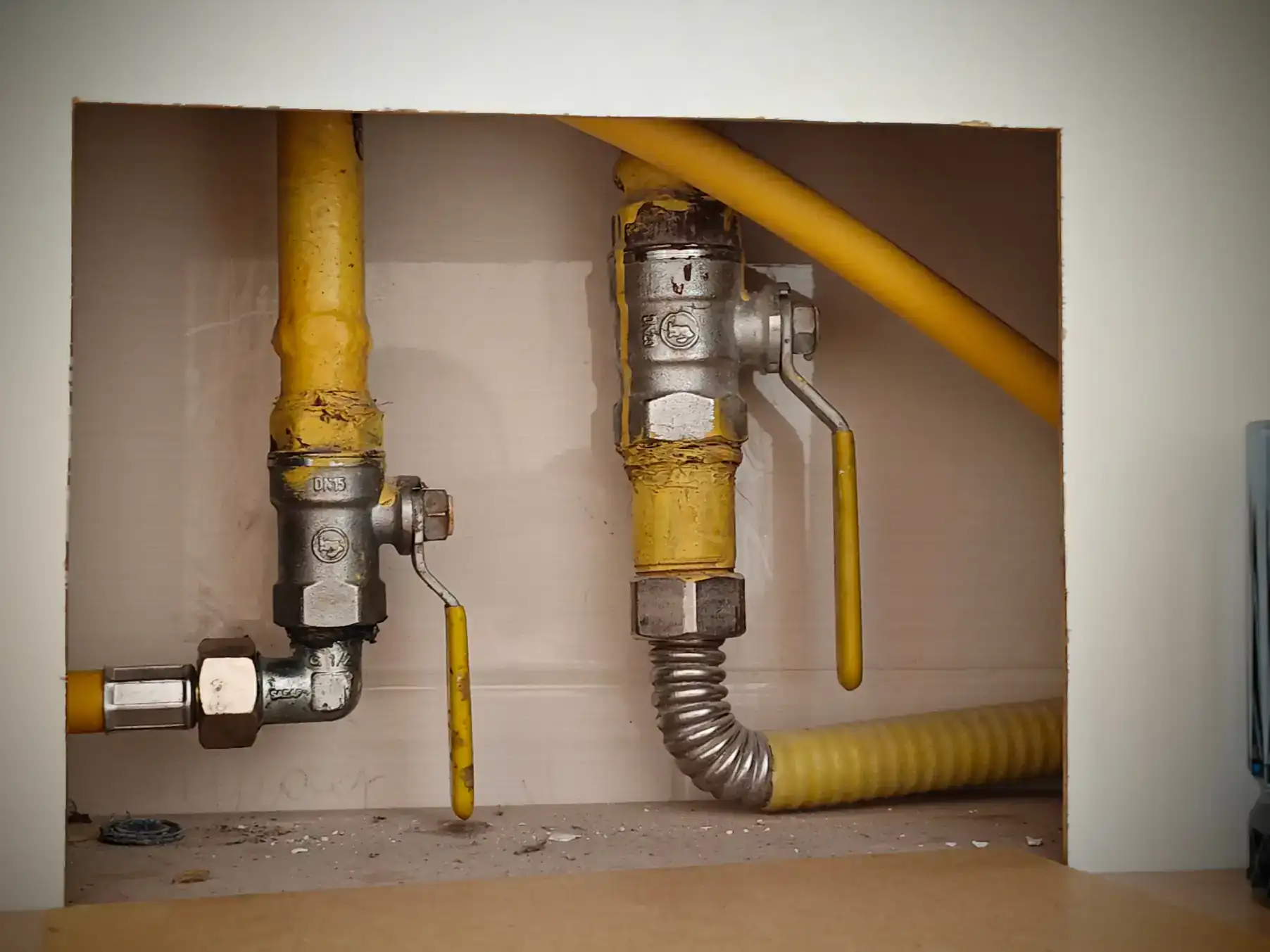
A gas leak even a slow one doesn’t stay small. It shows up on your PG&E bill before it shows up anywhere else. And in Antelope, where utility costs already run lean, an unexplained spike in your monthly gas charge is usually the first sign something is wrong behind the wall or under the slab.
Antelope’s housing stock is predominantly from the 1988 to 1995 window. That means most of the gas infrastructure running through your walls, under your floors, and out to your furnace and water heater is now between 30 and 40 years old. Steel gas pipes corrode from the inside out. Flexible connectors degrade quietly. You won’t see it happening but a licensed technician with the right detection equipment will.
Once the repair is done correctly not patched, actually fixed you get your house back. No more second-guessing the smell near the stove. No more wondering whether it’s safe to turn the furnace on in October. Sacramento County requires a final inspection before any gas utility connection is restored, which means when we finish the job, it has been reviewed and signed off not just completed and hoped for the best.
We’ve been working in Sacramento County for over two decades, including unincorporated communities like Antelope where permits go through the County’s Department of Community Development, not a city building department, and where the housing stock tells a very specific story about what’s likely going on inside your walls.
Our technicians know Antelope. They’ve worked in the subdivisions off Antelope Road and Don Julio Boulevard, pulled permits through Sacramento County, and dealt with the same aging gas infrastructure that’s now showing up in home inspections across the 95843 ZIP code. That familiarity isn’t a marketing line it’s just what two-plus decades of local work looks like.
We hold a C-36 CSLB license the specific credential California requires for gas line work carry full liability insurance, and show up on time. Our Google rating sits at 4.7 out of 5 across 93 real reviews, and more than a few of those customers noted the final invoice came in under the original estimate.
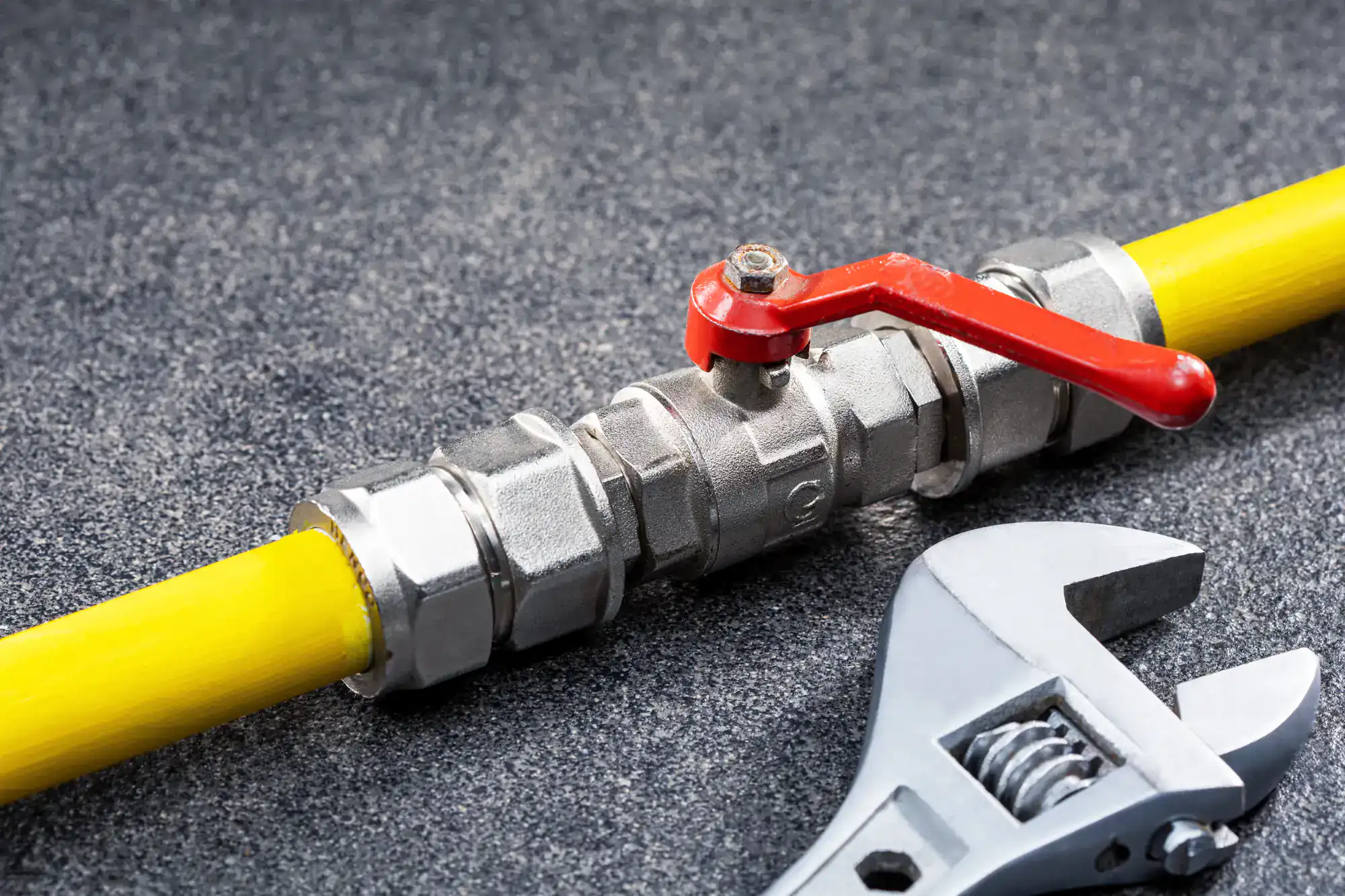
It starts with a call. You describe what you’ve noticed a smell, an appliance that isn’t working right, a flag on a home inspection report and we give you a straight read on whether it sounds like an emergency or something that can be assessed on a scheduled visit. If it’s urgent, same-day availability is real, including weekends, with no surcharge added to the invoice.
When our technician arrives, the first step is detection. Not a visual check actual professional-grade leak detection equipment that can locate gas escaping behind drywall, under a concrete slab, or along an underground supply line. In Antelope’s 30-to-40-year-old homes, the source of a problem isn’t always where you’d expect it. Clay-heavy Sacramento Valley soils expand and contract with the seasonal wet-dry cycle, and that ground movement puts stress on underground fittings and the transition points where lines go from below grade to inside the structure.
Once the leak is located, you get a written quote before any work begins. That number is what you pay no revisions after the walls are open. For any replacement or new installation work, we pull the required Sacramento County permit and schedule the inspection. The job isn’t done until the county signs off, which protects your home’s value and keeps your homeowner’s insurance intact.

Ready to get started?
Gas line repair in Antelope covers more than a single leak at a single fitting. We handle the full scope supply line repair and replacement from the meter into the home, gas pipe repair behind walls and under slabs, appliance connections for water heaters, furnaces, gas stoves, dryers, and outdoor equipment, and post-repair pressure testing to confirm the system is sealed before anything is turned back on.
For Antelope homeowners with backyard setups gas fire pits, outdoor kitchens, or patio heaters that get fired up when the weather cools those connections get the same level of attention as the lines running to your furnace. Outdoor gas lines are exposed to more thermal cycling and ground movement than interior lines, and in a community where the summers regularly push past 95 degrees and winter nights drop into the high 30s, that stress adds up over time.
All gas line replacement work in unincorporated Antelope requires a Sacramento County permit. We include that permit in the scope of the job you don’t have to navigate the county process yourself or wonder whether the work was done to code. Every completed job is inspected and documented, which matters when you sell a home in a market where buyers’ agents and inspectors will ask.
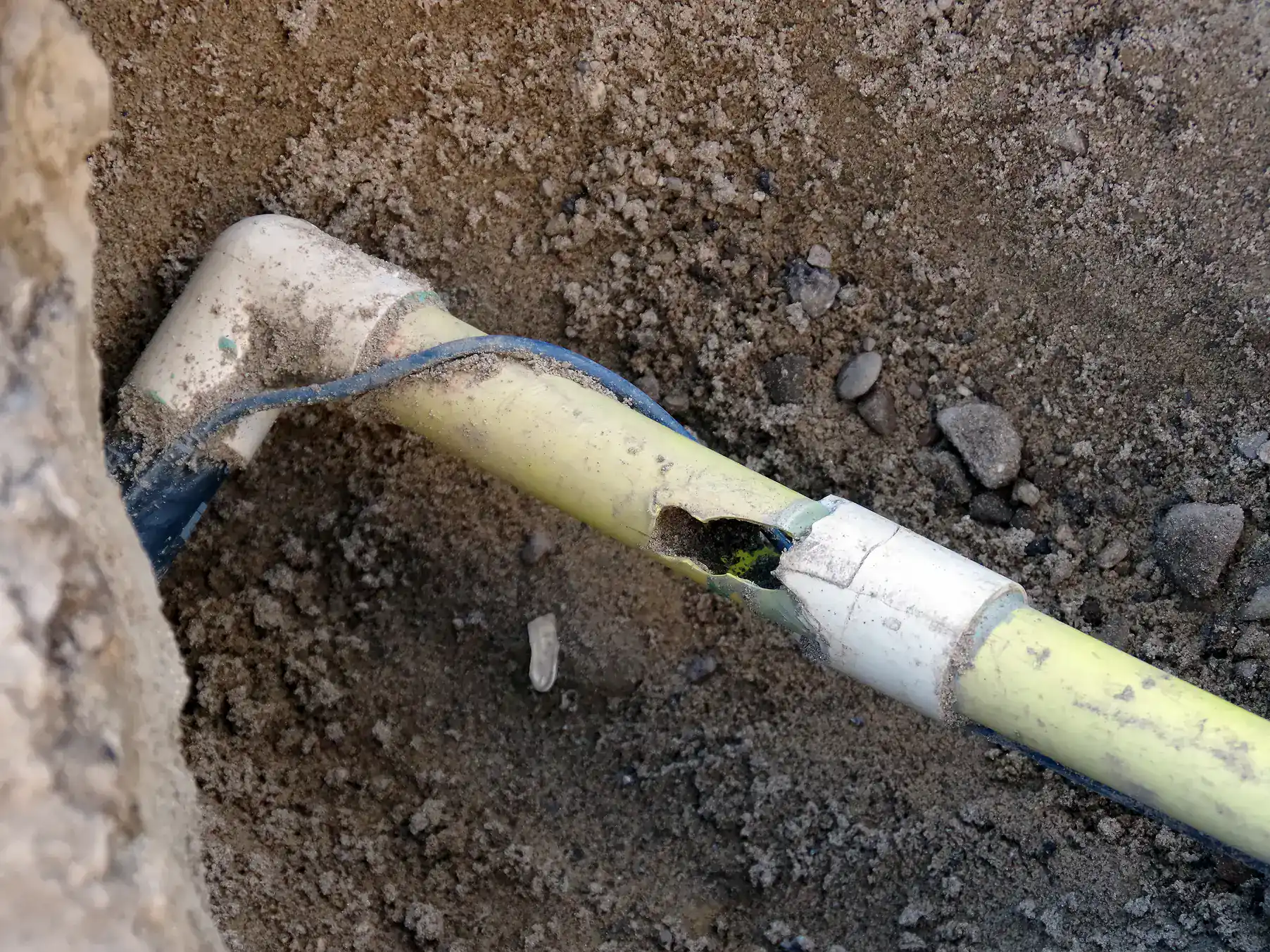
It depends on the scope of the work. Minor repairs like replacing a flexible connector on a single appliance may not require a permit in every situation. But any gas line replacement, new installation, or repair that involves opening walls, extending lines, or working on the supply system from the meter inward will require a permit through Sacramento County’s Department of Community Development.
Because Antelope is unincorporated, there’s no city building department involved all permits go through the county. That process is straightforward if you know it, but it’s not something most homeowners want to manage on their own. We handle the permit application and inspection scheduling as part of the job on all applicable work, so you’re not left figuring out a county process after the fact. Unpermitted gas work in Sacramento County can create real problems at resale and may affect your homeowner’s insurance coverage if a gas-related incident occurs it’s not a step worth skipping.
Most residential gas line repairs in Antelope fall somewhere between $260 and $820, depending on where the leak is, what caused it, and how accessible the line is. A straightforward appliance connector replacement on the low end, a more involved repair behind drywall or under a slab on the higher end. If the line needs full replacement rather than repair, costs will be higher and will include the Sacramento County permit.
What matters more than the range is knowing the number before the work starts. We provide a written quote upfront before any pipe is touched and that number is what you pay. There’s no revision to the estimate after the technician opens a wall and decides the job is more complicated than expected. Some customers have actually seen their final invoice come in below the original quote. In a service category where surprise invoices are common, that track record is worth noting.
The most obvious sign is the smell natural gas is odorless on its own, but PG&E adds a chemical called mercaptan that produces a rotten egg or sulfur odor. If you notice that near a stove, furnace, water heater, or anywhere along an exterior wall, take it seriously. Other signs include a hissing sound near a gas line or appliance, dead or discolored vegetation over an underground gas line in your yard, and unexplained increases in your monthly PG&E gas bill.
The harder reality is that not every leak announces itself clearly. Mercaptan can be absorbed by soil, insulation, and building materials which means a slow leak behind a wall or under the slab in your Antelope home might be releasing gas without producing a detectable smell at the surface. If your home was built in the late ’80s or early ’90s and the gas lines have never been professionally assessed, a leak detection inspection using professional-grade equipment is the only way to know for certain. If you smell anything at all, leave the house, avoid switches and open flames, and call PG&E and a licensed contractor.
Legally, a California homeowner can perform certain plumbing and gas work on their own primary residence without a contractor’s license but the work still requires a permit and must pass a Sacramento County inspection before the gas utility connection is restored. And practically speaking, gas line work is one of the areas where the gap between “technically allowed” and “actually advisable” is significant.
California’s C-36 licensing requirement exists because gas work done incorrectly is genuinely dangerous. A fitting that looks right but isn’t properly seated, a connector that passes a quick visual check but fails under pressure these are the kinds of errors that don’t show up until they do. For Antelope homeowners dealing with 30-to-40-year-old gas infrastructure, the risk profile of a DIY repair is higher than it would be on newer lines. The cost of hiring a licensed contractor typically $260 to $820 for most residential repairs is a straightforward trade against that risk, and the permitted, inspected result protects your home’s value in a way that a self-performed repair simply doesn’t.
If you’ve owned the home for a while and the gas lines have never been professionally looked at, yes it’s worth scheduling an inspection. Antelope’s housing stock was built primarily between the late 1980s and mid-1990s, which means most of the original gas infrastructure in the community is now between 30 and 40 years old. Steel gas pipes corrode from the inside out, and older flexible connectors lose their integrity over time through repeated thermal cycling the kind of expansion and contraction that happens every time Sacramento’s summers push past 95 degrees and every time a cold snap rolls through in January.
You’re not going to see this degradation by looking at the outside of a pipe. A professional gas line inspection uses pressure testing and detection equipment to identify leaks and weak points that a visual check won’t catch. It’s also a useful step before listing a home for sale home inspectors in the Sacramento area routinely flag aging gas connectors and corroded fittings, and getting ahead of that before it shows up in a buyer’s inspection report gives you more control over the outcome.
Yes and there’s no weekend surcharge added to the invoice. We offer 24/7 emergency gas line repair in Antelope, CA, including evenings and weekends, at the same rate as a weekday call. That’s a firm policy, not a qualified “we’ll try to fit you in” answer.
For a community like Antelope, where most households are dual-income families with weekday work and school schedules, weekend availability without a penalty charge is a practical difference not just a nice-to-have. If you’re smelling gas on a Saturday night or your furnace stops working on a Sunday morning in October, the response time and the price you’re quoted are the same as any other day of the week. The quote is written before any work begins, and that number is what appears on the final invoice. If the job turns out to be simpler than initially assessed, some customers have seen the final cost come in under the original estimate which is about as straightforward as this kind of service gets.