
Hear from Our Customers

A lot of North Auburn homes were built in the 1960s, 70s, and 80s and the gas lines in many of them have never been touched since. Steel pipe corrodes from the inside out. It doesn’t announce itself until something goes wrong. If you’ve been in your North Auburn home for 15 or 20 years and never had your gas system assessed, there’s a real chance you’re sitting on a problem you can’t smell yet.
When the repair is done correctly diagnosed at the root, not just patched at the surface you stop worrying about it. The furnace fires up in November without a second thought. The water heater runs. The outdoor fire pit you’ve been avoiding gets connected properly. That’s what a real fix looks like.
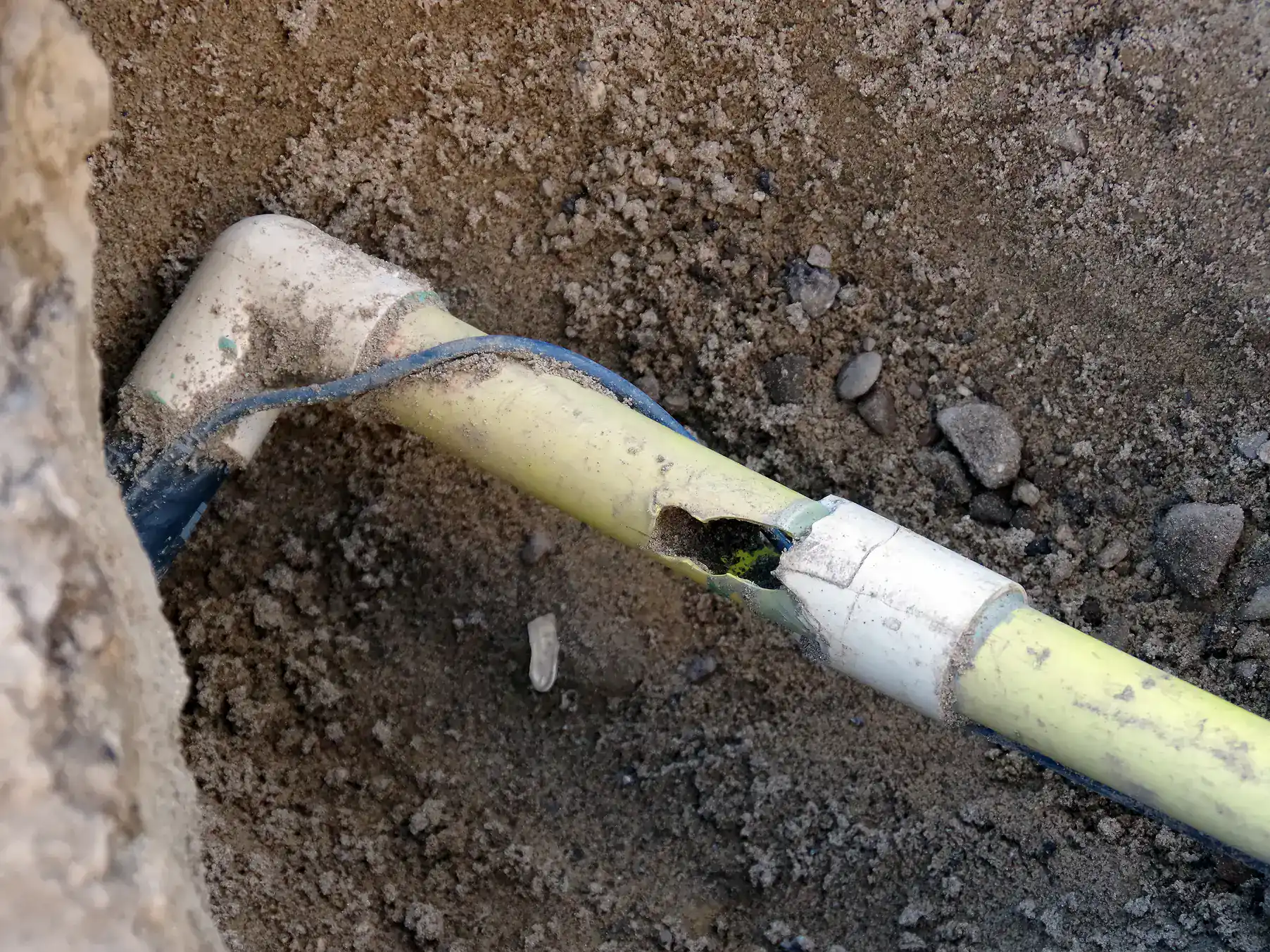
North Auburn’s foothill terrain adds something most valley contractors don’t think about. The clay-heavy soils here shift seasonally wet and expanded in winter, dry and contracted by summer. That movement puts cumulative stress on buried gas lines over years. A contractor who patches the visible problem without understanding why it failed will be back at your door. The right repair accounts for local conditions, not just what’s visible on the surface.
We’ve been working in Placer County for over 24 years. That includes homes in and around North Auburn the ranch-style and contemporary houses near Racquet Club Estates, the properties along the SR-49 corridor, and everything in between. This isn’t a Sacramento company expanding its service map. Placer County is home territory.
Because North Auburn is unincorporated, your permits don’t go through a city building department they go through Placer County Building Services. We know that process well. Every gas line replacement job we do includes pulling the permit and scheduling the Placer County inspection. The work doesn’t close until it passes.
Our Google rating is 4.7 out of 5, based on 93 real reviews. Not a corporate average spread across locations reviews from actual homeowners in the communities we serve. The ones that mention fair pricing, showing up on time, and leaving the job cleaner than we found it. That’s the standard every job is held to.

It starts with a call. Whether you’re smelling gas at 9 PM on a Sunday or dealing with a flagged line from a home inspection, someone picks up. We run 24/7 emergency gas line repair in North Auburn with no weekend surcharges and no after-hours markups. The price you hear at night is the same price you’d get on a Tuesday morning.
When our technician arrives, the first step is diagnosis not assumptions. That means using professional leak detection equipment to find exactly where the problem is, whether it’s behind a wall, under a slab, or in a buried line running through your yard. For older North Auburn homes with original steel piping, that assessment often turns up more than the initial complaint. You’ll hear about everything found, and you’ll get the full cost before any work begins. No surprises on the invoice.
Once the scope is agreed on, we get to work. For any gas line replacement, we pull the required Placer County Building Services permit and schedule the inspection. That step isn’t optional it’s what protects your homeowner’s insurance, your home’s resale value, and your legal standing as a property owner in unincorporated Placer County. The job isn’t finished until the county inspector signs off.
Ready to get started?
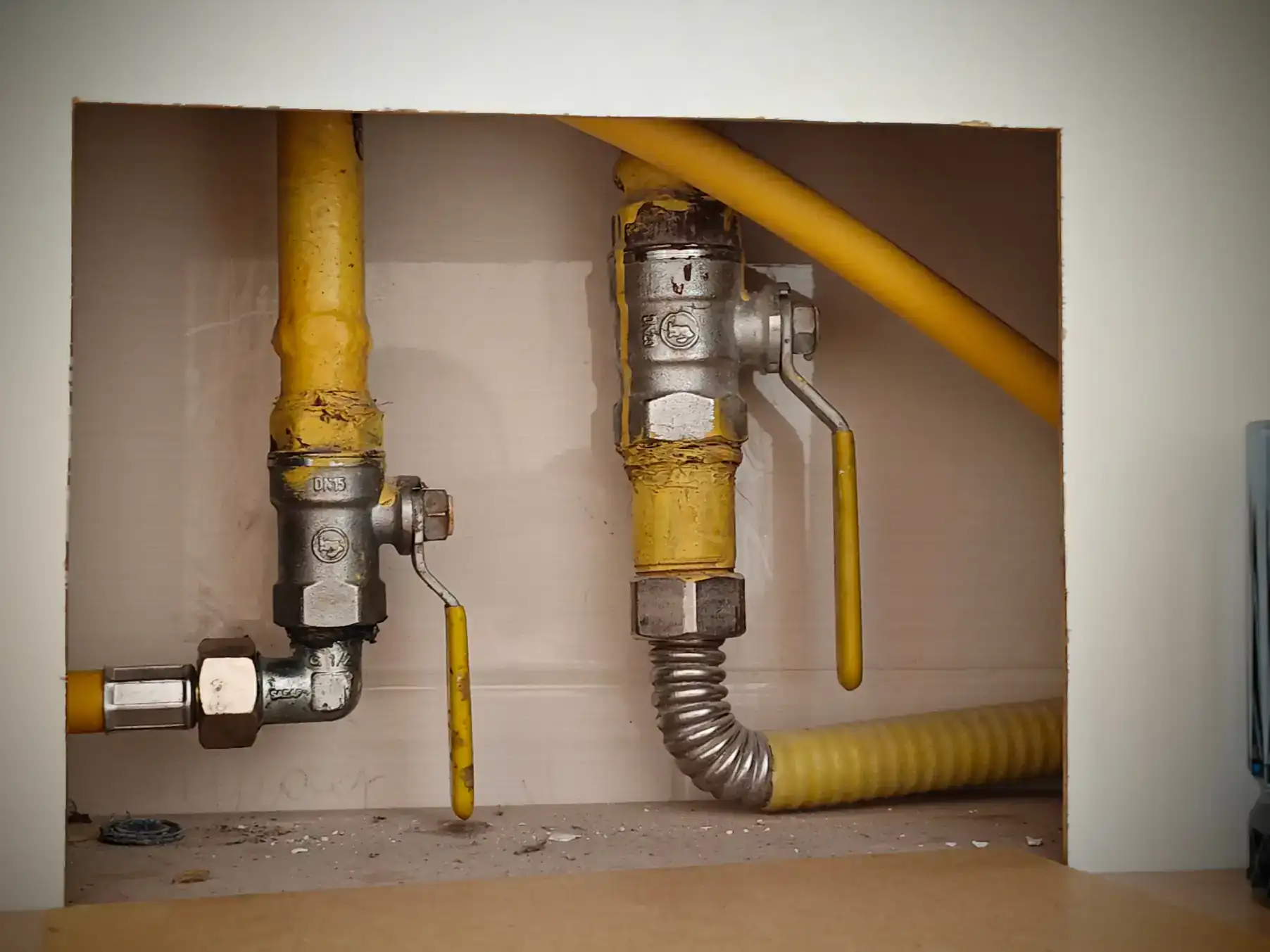
Gas line repair in North Auburn covers more ground than most people expect. We handle emergency leak repair, full gas line replacement, professional leak detection, pressure testing, and appliance connections water heaters, furnaces, gas stoves, dryers, outdoor fire pits, BBQ hookups, pool heaters, and generators. One call covers your entire system, from the main service line to the connection behind your range.
One thing worth knowing: PG&E is responsible for the distribution main up to and including your meter. Everything from the meter into your home the service line, interior piping, and every appliance connection is your responsibility as the homeowner. When PG&E identifies a leak on your side of the meter, they shut off your gas and leave. The repair is yours to arrange. That’s where we come in.
For North Auburn homeowners dealing with aging infrastructure, there’s also the inspection option a professional assessment of your existing gas system that tells you where things stand before something forces the conversation. Given the age of the housing stock in this area and the seasonal ground movement that affects buried lines in foothill terrain, that kind of proactive look is worth having. All work requiring a permit is filed with Placer County Building Services and inspected before the job closes.

It depends on the scope of the work. Minor repairs like replacing a fitting or swapping out a flexible connector may not require a permit. But any gas line replacement, new installation, or work that involves opening walls or trenching for buried lines does require a permit in North Auburn. Because North Auburn is an unincorporated community, those permits are issued by the Placer County Building Services Division, not a city building department. That’s a distinction a lot of contractors especially those based outside the area don’t always get right.
We handle the entire permit process for you. That means filing the application with Placer County, scheduling the inspection, and making sure the work passes before the job is closed. Skipping that step doesn’t save time it creates a liability that follows the property. Unpermitted gas work can affect your homeowner’s insurance coverage and will absolutely surface during any future sale.
Most residential gas line repairs fall somewhere between $260 and $820, depending on what’s involved. A straightforward leak repair or appliance connection sits at the lower end. A full gas line replacement particularly on an older North Auburn home with original steel piping running under a slab or through foothill terrain will come in higher. The average installation or replacement runs around $598, but the actual number depends on the length of pipe, the access involved, and whether a Placer County permit and inspection are required.
What we do differently is tell you the exact cost before any work begins. Not a range, not an estimate that grows a real number you can say yes or no to. Some customers have ended up paying less than the original quote when the job came in under scope. That’s the kind of pricing transparency that’s rare in this trade, and it matters especially in a community like North Auburn where homeowners are practical about what they spend.
The most obvious sign is a smell the rotten egg odor of mercaptan that gas companies add specifically so you’ll notice a leak. But by the time you’re smelling it, the problem has already progressed. There are subtler signs worth paying attention to: a pilot light that keeps going out, appliances that aren’t performing the way they used to, a gas bill that’s crept up without explanation, or a hissing sound near a line or connection.
For North Auburn specifically, there’s a housing stock factor that’s easy to overlook. A significant portion of homes here were built in the 1960s, 70s, and 80s and steel gas pipe was standard construction then. Steel corrodes from the inside out over decades. The pipe can look fine externally while being substantially degraded inside. If you’ve been in your home for 15 years or more and never had the gas system professionally assessed, that’s worth doing not because something is necessarily wrong, but because you’d know either way.
PG&E owns and maintains the natural gas distribution main that runs under your street and the service line up to and including your meter. That’s their side of the line. Everything from the meter into your home the interior piping, the connections to your furnace, water heater, stove, and any other gas appliances is the homeowner’s responsibility. PG&E will not repair those lines.
When PG&E detects or confirms a leak on your side of the meter, their standard response is to shut off your gas service and leave. They’re not required to do anything further. That’s when you need a licensed gas line repair contractor to come in, diagnose the problem, make the repair, and get your service restored. In North Auburn, that also means coordinating with Placer County Building Services for any permitted work before gas can be turned back on. We manage all of that the repair, the permit, and the inspection so you’re not trying to coordinate multiple parties while your heat is off.
It can be, but it depends on your specific policy and the cause of the damage. Most standard homeowner’s insurance policies cover sudden and accidental damage like a gas line damaged during excavation or a fitting that fails unexpectedly. What they typically don’t cover is gradual deterioration, corrosion, or deferred maintenance. If a steel pipe in your North Auburn home has been corroding for 20 years and finally fails, that’s unlikely to be a covered claim.
The permit piece matters here too. If gas line work was done without a Placer County permit and something goes wrong later, your insurance company may use that unpermitted work as grounds to deny a claim. It’s not a technicality it’s a real exposure that homeowners in unincorporated communities like North Auburn sometimes don’t realize until they need to file. Getting the work done with proper permits and a passed inspection isn’t just a legal requirement it’s what keeps your coverage intact.
Yes and it’s one of the more common requests in this area. North Auburn’s warm, dry summers make outdoor living a real part of daily life for a lot of homeowners here. Fire pits, built-in BBQ grills, outdoor kitchens, and pool heaters are common, and connecting them to a permanent gas line is a cleaner, more reliable setup than running propane tanks. We handle all of those connections from running the supply line to the outdoor location, to pressure testing the new line, to pulling any required Placer County permit for the work.
The one thing to be aware of with outdoor gas line work in foothill terrain is the burial depth and routing. North Auburn’s rocky, clay-heavy soil affects how lines are trenched and how they’re protected over time. Seasonal ground movement is real here, and a line that’s installed without accounting for it can develop stress points over years. The goal is a connection that holds up through North Auburn’s wet winters and dry summers without needing attention again anytime soon.