
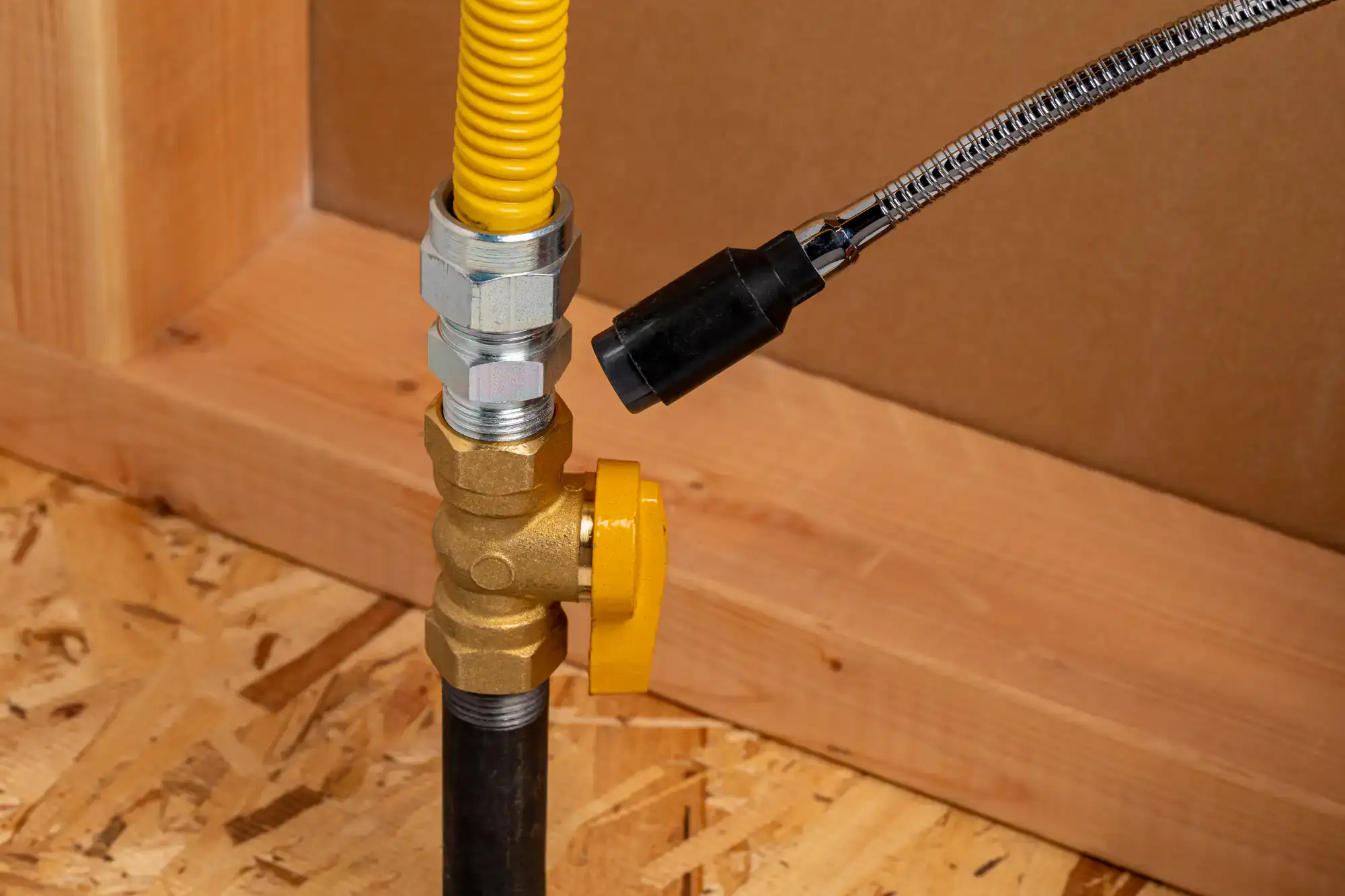
Gas Line Installation
Get a free quote for gas line installation from your local plumbing team.
We’ll contact you about your gas line installation request. Privacy policy
Hear from Our Customers
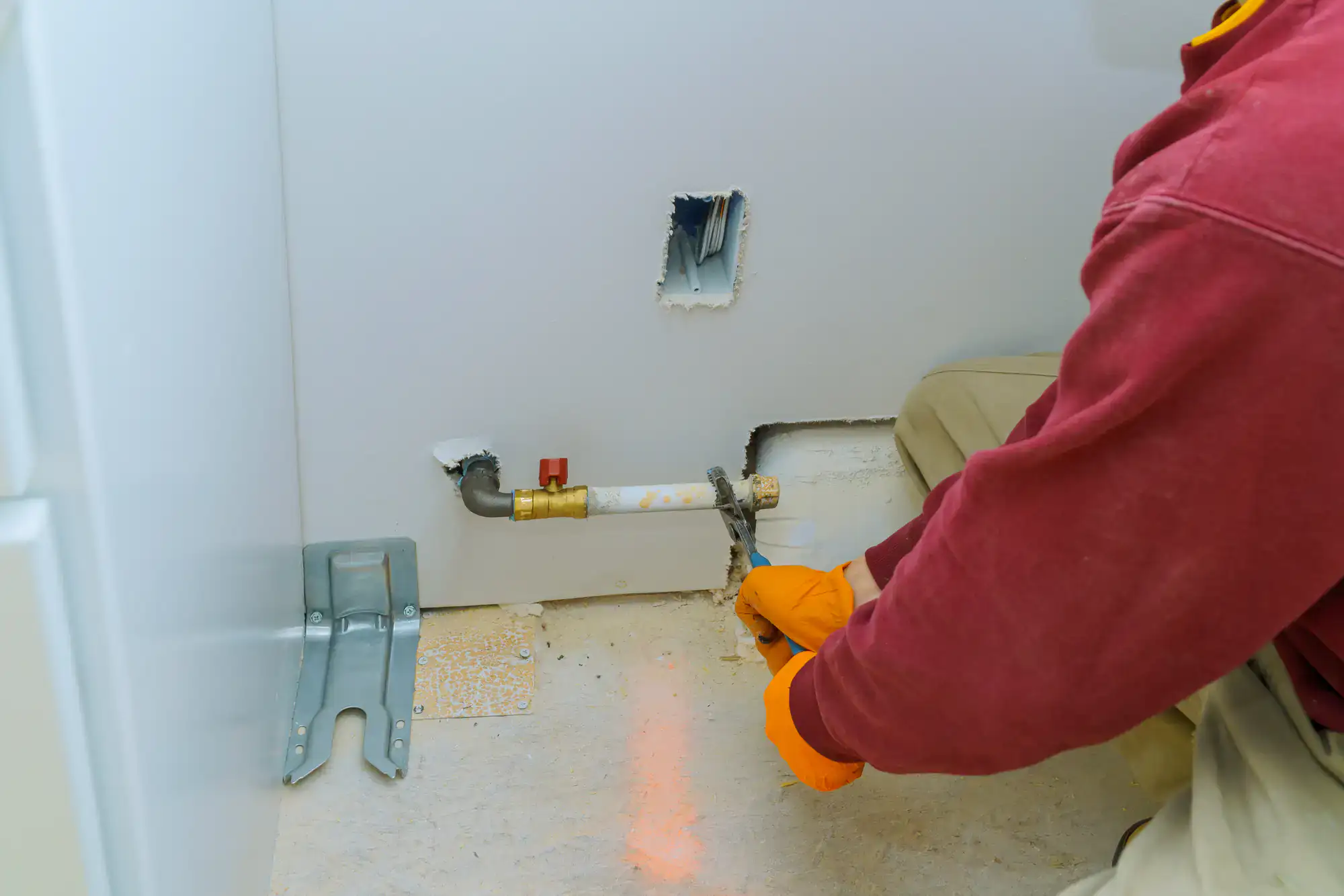
When your gas line is installed correctly permitted, pressure-tested, and inspected you stop worrying. You stop wondering if the connection behind your range is holding. You stop second-guessing whether the water heater your previous owner installed was ever done to code. You just use your home the way it was meant to be used.
For Antelope homeowners specifically, that peace of mind carries real weight. Most of the housing stock here was built between 1988 and 1998, which means original black iron pipe and flexible connectors are hitting the 30-to-40-year mark. That’s the window when fittings start to fatigue, connections start to loosen, and systems that were “fine” start showing signs they won’t stay that way. A proper residential gas line installation whether it’s a full replacement, a new appliance hookup, or an extension for an outdoor kitchen or standby generator addresses that before it becomes an emergency.
There’s also the selling side. Antelope homes are moving fast averaging around 25 days on market and buyers’ agents are thorough. Unpermitted gas work gets flagged. A clean permit history through Sacramento County’s Department of Community Development protects your sale and your equity. Getting the work done right the first time isn’t just about safety. It’s about protecting what your home is worth.
We founded Murray Plumbing in 2009, and our owner Ryan Murray holds a California C-36 contractor’s license with over 24 years of gas line installation experience. This isn’t a franchise. There’s no regional call center routing your call to whoever’s available. When you reach us, you’re reaching the person whose name is on the license.
Sacramento County is home territory for us. We’ve been working through the county’s permitting process including the Department of Community Development that handles all gas line permits for unincorporated Antelope long enough to know exactly what’s required and how to get it done without delays. That familiarity matters when you’re waiting on an inspection before your gas service is restored. We understand the specific requirements that apply to Antelope’s unincorporated status and the development patterns of this community.
The reviews across HomeAdvisor, Yelp, Angi, and Google all say the same things: showed up on time, explained everything clearly, final cost matched the estimate. That consistency isn’t an accident. It’s how we built this business, and it’s how we keep running it.

It starts with a free estimate. You describe what you need a new gas line for a range, a run to an outdoor kitchen, a replacement of aging pipe, a hookup for a whole-home generator and we give you a real number before anything is scheduled. No diagnostic fee, no obligation.
Once you’re ready to move forward, we pull the permit through Sacramento County. Because Antelope is unincorporated, all gas line permits go through the county’s Department of Community Development not a city building department. We handle that process entirely. Before any work starts outdoors, we call 811 to have underground utilities marked. In a community as densely built as Antelope over 7,000 residents per square mile skipping that step isn’t just irresponsible, it’s a legal violation.
The installation itself follows California Plumbing Code requirements: approved materials, correct sizing for the appliance load, and proper bonding if corrugated stainless steel tubing is used. When the work is complete, every connection gets pressure-tested before the inspection is scheduled. That’s not optional Sacramento County requires it, and we do it regardless. After the county inspector signs off, your gas service is restored and the job is closed out with a clean permit record.
Ready to get started?
We handle the full range of residential and commercial gas line installation in Antelope and throughout Sacramento County. That includes new gas line runs for stoves, ranges, water heaters, dryers, furnaces, pool heaters, outdoor kitchens, fire pits, patio heaters, and whole-home standby generators. We also handle full gas line replacements for aging systems, extensions from existing supply lines, gas leak detection, and pressure testing.
The generator category deserves a specific mention. PG&E’s Public Safety Power Shutoffs during fire season have pushed a lot of Antelope homeowners toward natural gas standby generators and those units require a dedicated gas line sized specifically for the generator’s BTU demand. Undersizing that line means the generator starves existing appliances during a shutoff. We size and install those lines correctly the first time.
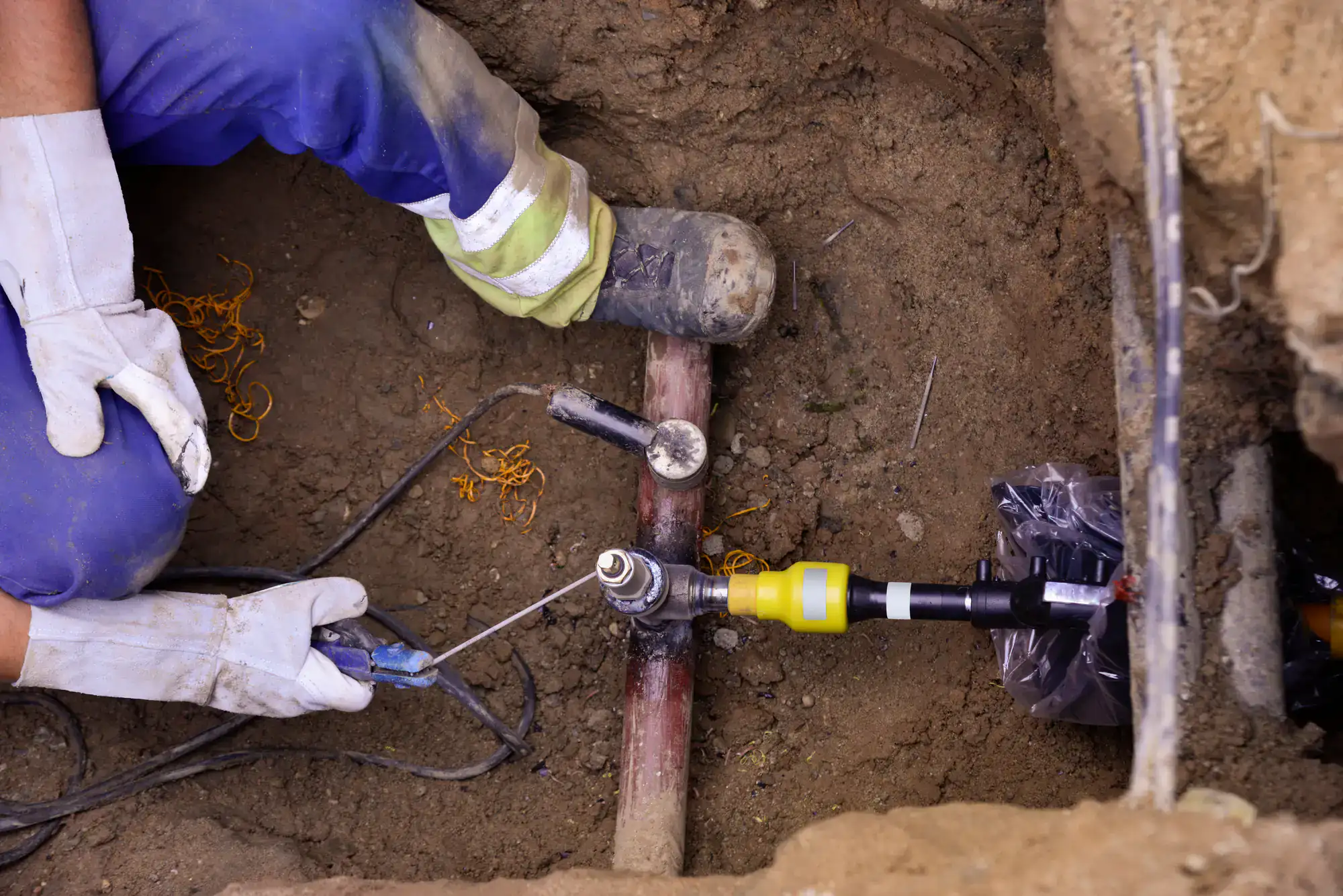
For outdoor gas line work which is common in Antelope given the flat terrain and the popularity of outdoor living upgrades the process involves trenching, approved underground-rated pipe, and proper depth per California code. Every outdoor run is permitted and inspected through Sacramento County. Whether you’re on Don Julio Boulevard or off Antelope Road, the process is the same: permitted, tested, inspected, and done to code. No shortcuts, no workarounds, no unpermitted work that comes back to haunt you at closing.
Yes and this applies to virtually any gas line work beyond basic appliance disconnection. In Antelope, because it’s an unincorporated community, all permits for gas line installation go through the Sacramento County Department of Community Development. There is no city building department here. The permit requirement covers new installations, replacements, extensions, and significant repairs.
The reason this matters beyond legal compliance is practical: without a permit, the work isn’t inspected, and uninspected gas line work can void your homeowner’s insurance coverage if something goes wrong. It also shows up as a liability during a real estate transaction. Antelope homes are selling fast around 25 days on market on average and buyers’ agents are increasingly thorough about pulling permit histories. Unpermitted gas work is one of the most common issues flagged in pre-sale inspections in Sacramento County. Getting the permit pulled correctly the first time protects both your safety and your investment.
For most residential gas line installations, you’re looking at a range of roughly $271 to $936 depending on the scope of work the length of the run, the materials required, the number of connections, and whether the job involves trenching for an outdoor line. More involved projects, like running new gas service for a whole-home generator or extending a line under a concrete slab, can run from $1,000 to $3,000 or more.
The most important thing to know is that the estimate you get from us is the number you can actually plan around. Multiple verified customers have noted that their final cost came in at or below the original quote that’s not a common experience in the trades, and it’s worth factoring in when you’re comparing contractors. We also offer free estimates with no diagnostic fee, which means you get a real, specific number for your Antelope job before committing to anything.
In California, a C-36 plumbing contractor’s license is the specific credential that authorizes gas piping installation and repair. It’s issued by the California Contractors State License Board and requires a minimum of four years of journey-level experience plus passing two separate licensing exams. Not every plumber who advertises in the Sacramento area holds a C-36 license some hold different classifications that don’t technically authorize gas line work.
This distinction matters because if something goes wrong with gas line work performed by a contractor who wasn’t properly licensed for it, your insurance coverage and legal protections can be compromised. Before hiring anyone for gas pipe installation in Antelope or anywhere else in Sacramento County, verify their license at the CSLB website. Ryan Murray holds a California C-36 license, and we welcome that verification. It takes about 30 seconds and removes any doubt about whether the work is being done by someone legally qualified to do it.
Yes, and it’s one of the more common gas line installation requests we receive in Antelope. The flat terrain here makes outdoor gas line runs relatively straightforward compared to hillside or foothill communities there’s no complicated grade work or access challenges. The process involves trenching from your home’s existing gas supply to the outdoor installation point, running approved underground-rated gas pipe at the correct depth per California code, and connecting to your outdoor appliance or stub-out.
The work requires a permit through Sacramento County, pressure testing before inspection, and a final inspection before the line is put into service. Because Antelope is a densely built community with a lot of underground utility infrastructure from its late-1980s development, we always call 811 before any excavation to have utilities marked that’s a legal requirement, not a formality. Once everything clears inspection, your outdoor kitchen, fire pit, or patio heater has a permanent, code-compliant gas supply that doesn’t depend on propane tanks.
It’s a reasonable question, and the honest answer is: probably worth having a look. Homes built in the late 1980s through the mid-1990s which describes the majority of Antelope’s housing stock were typically installed with black iron pipe and flexible gas connectors that are now hitting the 30-to-40-year mark. That’s the range where corrosion, fitting fatigue, and connection degradation start to become real considerations, particularly if the system has never been assessed since original installation.
You don’t need to assume there’s a problem. But if you’ve never had anyone look at the gas infrastructure in a home of that age, and you’re replacing original appliances or doing any remodel work that involves the gas system, it makes sense to have a licensed C-36 contractor assess the condition of the existing lines before new connections are made. We can evaluate what you have, tell you what’s in good shape, and be straight with you about what if anything needs to be addressed.
For most standard residential jobs a new appliance hookup, a single-line extension, or an outdoor gas run the installation itself typically takes a few hours to a full day depending on the complexity and length of the run. The part that adds time is the permitting and inspection process through Sacramento County, which is required for all gas line work in Antelope.
We handle the permit application on your behalf, which removes the back-and-forth of navigating Sacramento County’s Department of Community Development yourself. Inspection scheduling depends on the county’s current workload, but in most cases the timeline from permit application to final inspection is manageable and won’t leave you without gas service for an extended period. For urgent situations a furnace connection before the first cold stretch of the year, or a water heater that’s out our same-day response means the installation portion gets handled quickly, and the permitting process moves forward in parallel. The goal is always to get your gas service restored as fast as the process legally allows.