

Hear from Our Customers
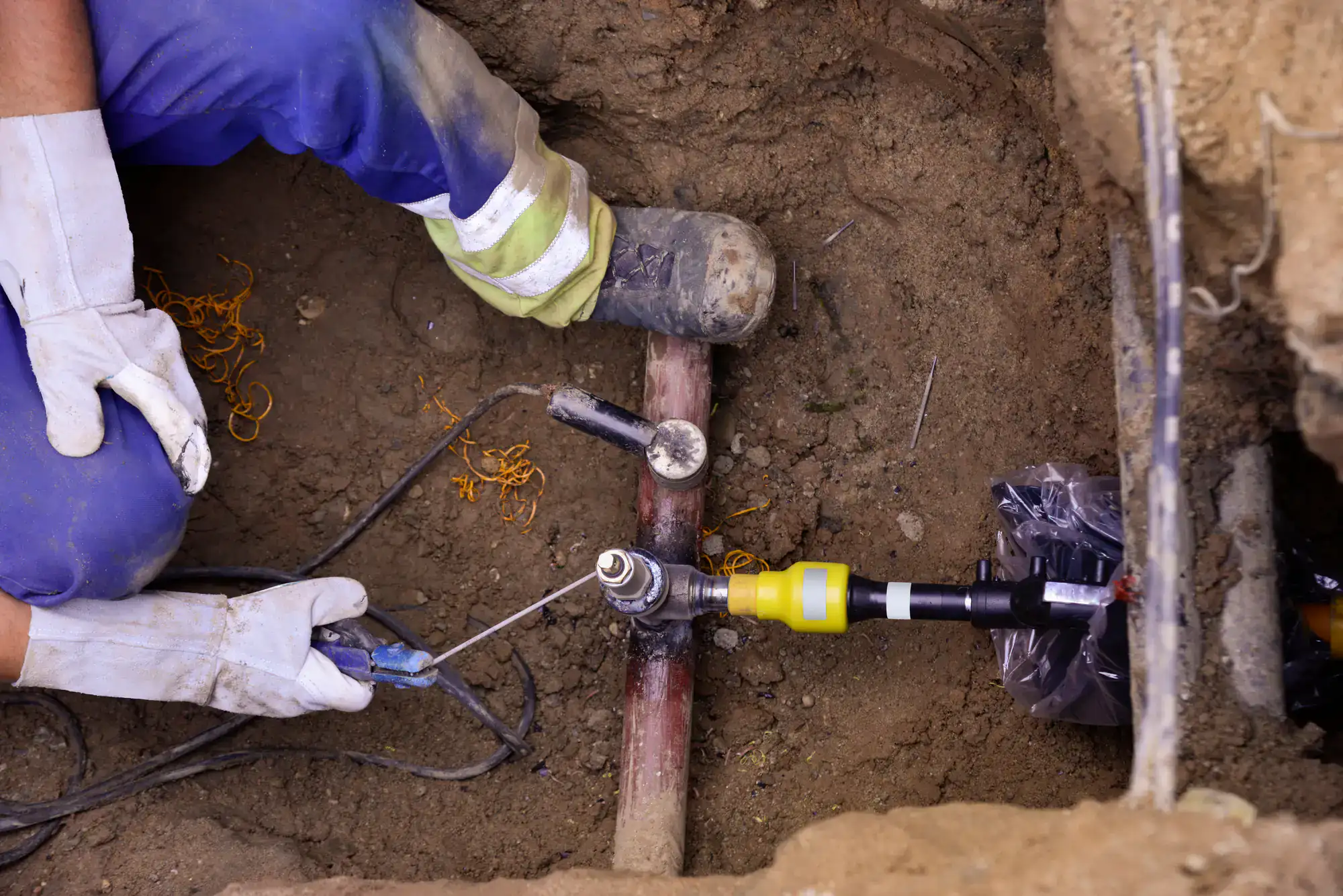
When your gas line is properly installed sized correctly, permitted through Sacramento County, and pressure-tested before anyone signs off everything downstream just works. Your furnace fires up without hesitation on a cold January morning. Your water heater keeps up. Your outdoor kitchen or generator connection actually delivers the pressure it needs, instead of starving out at the worst possible time.
A lot of homes in Clay were built in the 1960s. That means the gas infrastructure running through them is anywhere from 50 to 60 years old. Black iron pipe from that era doesn’t last forever. Corrosion builds up, joints weaken, and pressure drops in ways that aren’t always obvious until something fails. Getting ahead of that with a proper inspection, a targeted replacement, or a full new run is the kind of investment that protects a home valued well above $500,000.
Rural properties out here also tend to have longer runs from the meter to the house, and sometimes to outbuildings or equipment that needs gas service. That’s not a problem but it does require accurate sizing calculations to make sure pressure holds at every appliance. When that math is done right the first time, you don’t end up with a furnace that struggles or a generator that won’t carry the load when PG&E cuts power during fire season.
We were founded in 2009 by Ryan Murray, who holds a California C-36 contractor’s license and has been doing this work for over 24 years. The C-36 is the specific license California requires for gas piping work it’s not a general contractor’s license with a gas line checkbox. It requires four years of journey-level experience and two state exams. You can verify it through the California Contractors State License Board any time you want.
We built this company from one truck and have been serving Sacramento County including unincorporated communities like Clay ever since. That matters here because Clay isn’t a city. Permits go through Sacramento County’s building department directly, and not every contractor knows that process or works in it regularly. We do.
We’re BBB accredited, carry a consistent 5-star rating across HomeAdvisor, Yelp, Angi, and Google, and operate on a simple principle: you know the price before any work starts, and the final bill reflects what was quoted. Multiple customers have noted the final cost came in lower than the estimate. That’s not a fluke it’s how we run.
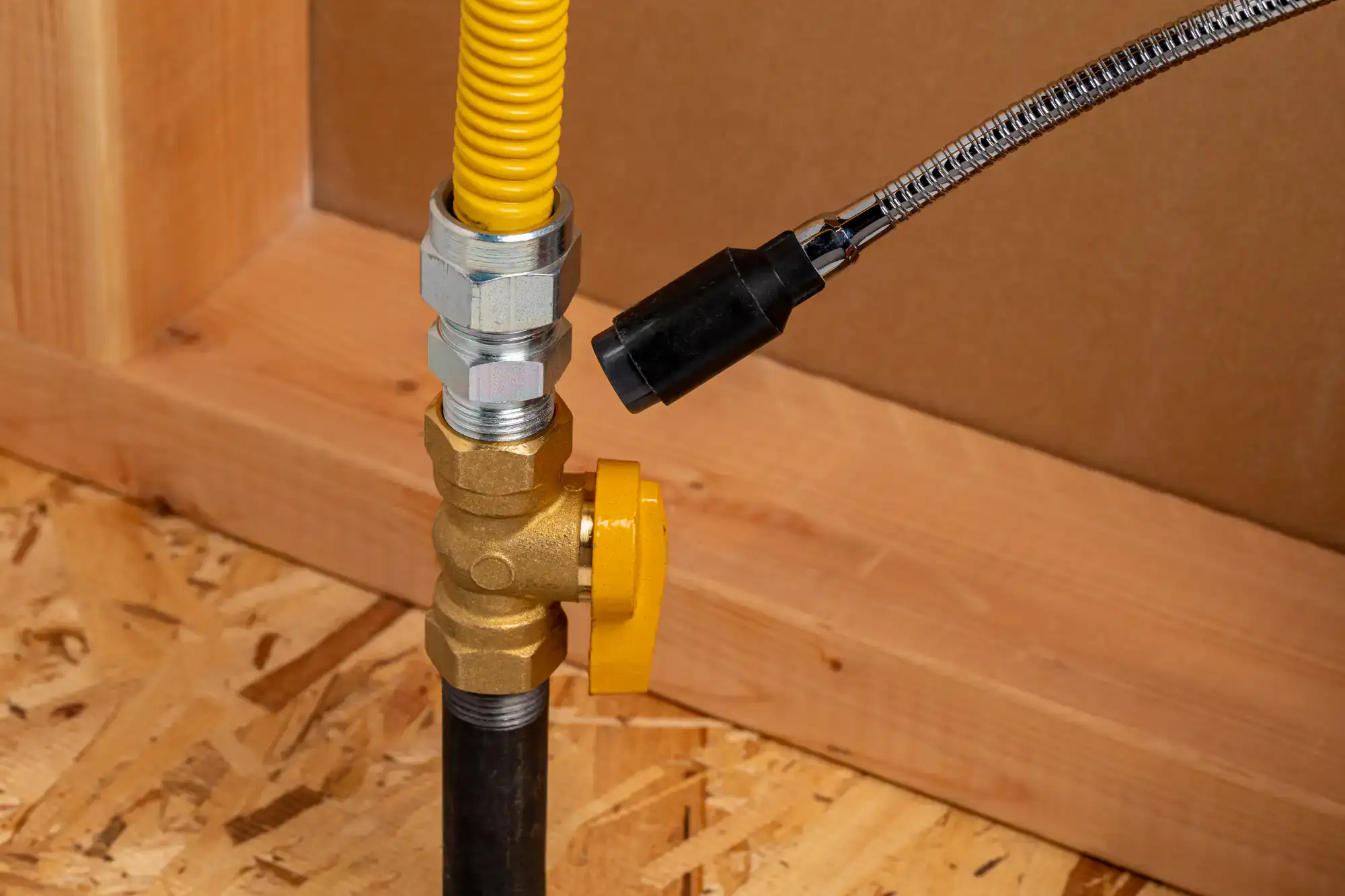
It starts with a free estimate. Ryan comes out, looks at what you have, listens to what you need whether that’s a new run to an outbuilding, a generator connection, a kitchen upgrade, or a replacement of aging pipe and gives you a clear number before anything else happens. No diagnostic fee, no pressure, no vague range that doubles by the time the invoice arrives.
Once you decide to move forward, we pull the permit through Sacramento County’s building department. Because Clay is an unincorporated community, that process runs through the county not a city office and it involves the county’s Accela Citizen Access portal, county inspection scheduling, and compliance with the California Plumbing Code’s gas piping provisions. That’s handled for you. You don’t need to figure out the county’s permitting system on your own.
Before any excavation on outdoor runs, 811 gets called to mark underground utilities. On rural parcels in Clay, that step matters more than it does on a standard suburban lot there’s more ground to cover and more potential for buried surprises. Once the work is complete, every connection is pressure-tested before the Sacramento County inspection. The inspector signs off, gas service is restored, and you’re done. No open permits, no loose ends, no wondering whether the work was done to code.

Ready to get started?
Gas line installation in Clay covers more ground than most people expect literally and figuratively. For homes in the 95638 zip code, the most common projects are full or partial gas line replacement on aging black iron pipe, new runs to appliances like gas ranges or tankless water heaters, extensions to detached garages or agricultural outbuildings, outdoor installations for fire pits or patio heaters, and dedicated gas line connections for standby generators. Each of those jobs comes with its own sizing requirements, routing considerations, and Sacramento County permit requirements.
Every installation we complete includes a free upfront estimate, permit management through Sacramento County, a 811 utility locate before any digging, proper pipe sizing based on total appliance load and run length, pressure testing of all connections, and a final inspection coordinated with Sacramento County Building Inspection. Nothing is left open or unverified. The permit stays on record, which matters when it comes time to sell your home or make a future claim.
For Clay homeowners dealing with the Sacramento Valley’s seasonal ground movement the area’s clay-heavy soils shift with the wet-dry cycle every year underground connections that were installed without proper support or depth can develop stress over time. That’s something we account for on every outdoor or underground gas piping installation in this area. It’s a detail that doesn’t show up on a generic installation checklist, but it’s the kind of thing that keeps a gas line sound for decades instead of years.
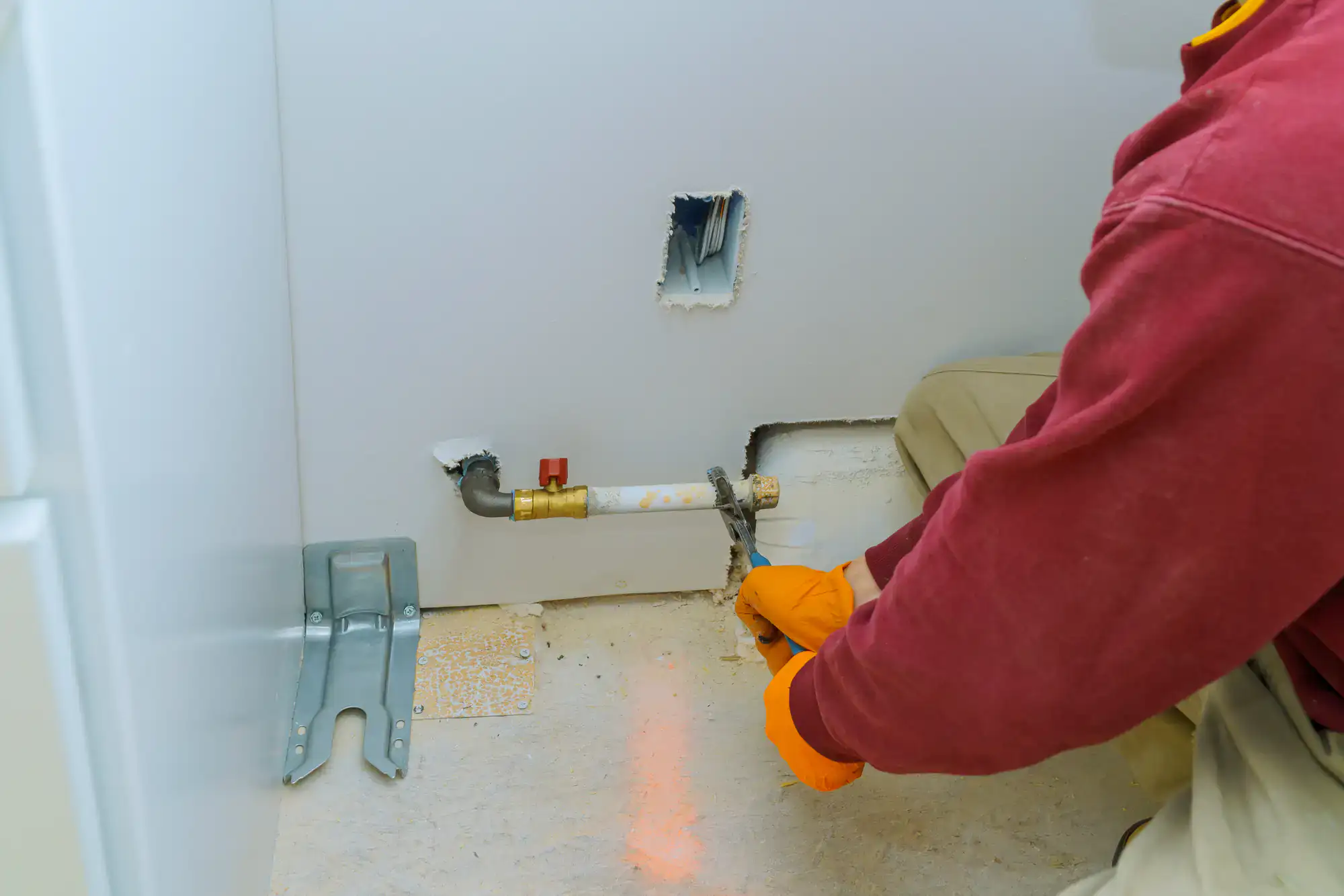
Yes and because Clay is an unincorporated community, that permit comes from Sacramento County’s building department, not a city office. This is a distinction that trips up some homeowners and even some contractors who aren’t familiar with how unincorporated Sacramento County works. The permit application goes through Sacramento County’s Accela Citizen Access portal, and the work must be inspected and approved by a Sacramento County building inspector before gas service is restored.
The permit requirement applies to new installations, replacements, extensions, and most repairs beyond routine maintenance. A California C-36 licensed contractor is required to pull the permit homeowners cannot legally perform their own gas line work in California. We handle the full permit process on every job in Clay, so you’re not left trying to navigate the county’s system on your own or wondering whether your installation is properly documented.
Cost varies depending on the scope of the job. A straightforward repair or short extension typically runs in the $150 to $800 range. A new gas line run to an appliance, an outbuilding, or an outdoor installation usually falls somewhere between $1,000 and $3,000. Larger projects full replacements on an older Clay home, longer rural runs, or generator connections with dedicated supply lines can go higher depending on pipe length, routing complexity, and materials required.
For homes in Clay, the most important cost factor is often run length. Larger rural parcels mean longer distances from the meter to the point of use, which increases both material costs and the precision required in sizing the pipe correctly. An undersized line on a long run starves appliances of pressure, which creates both performance and safety issues. We provide a free estimate before any work begins, and the final cost reflects what was quoted not a number that grew after the job was underway.
Homes in the 95638 zip code were primarily built in the 1960s, which means the gas infrastructure in many Clay properties is now 50 to 60 years old. Black iron pipe from that era doesn’t fail all at once it degrades gradually. The signs to watch for include a rotten egg smell anywhere in the house, a hissing sound near gas appliances or along the wall, appliances that take longer to heat or don’t perform the way they used to, or a gas bill that’s climbing without any change in usage.
A full replacement isn’t always necessary. Sometimes the issue is a single corroded section, a joint that’s lost its seal, or a line that was never properly sized for the appliances it’s supplying. A licensed inspection will tell you what’s actually happening before any decisions get made. If replacement is needed, we’ll walk you through exactly what’s involved, what it will cost, and what the timeline looks like before any work starts.
Yes, and it’s one of the more common requests in this part of Sacramento County. Rural communities like Clay sit outside the urban grid in ways that make extended power outages a real and recurring issue especially during PG&E’s Public Safety Power Shutoffs in fire season and during winter storms. A standby generator with a dedicated natural gas connection means your home keeps running without relying on stored propane or a portable unit.
Generator gas line installations require proper sizing based on the generator’s BTU demand, a dedicated line run from the meter or an existing supply point, and a Sacramento County permit with a final inspection before the system is put into service. We handle all of it the estimate, the permit, the installation, and the inspection coordination. The goal is a system that’s ready to carry the load when you actually need it, not one that trips up under real demand.
Commercial gas line installation in Clay follows the same core requirements as residential work Sacramento County permits, C-36 licensed contractor, pressure testing, and final inspection but the scope and sizing calculations are typically more involved. Commercial properties often have higher BTU demands across multiple appliances or pieces of equipment, which requires careful load calculations to ensure the supply line is sized correctly from the meter forward.
We handle commercial gas piping installation for small businesses, agricultural operations, and mixed-use properties in Clay and the broader southern Sacramento County area. Whether it’s a new gas line for commercial kitchen equipment, heating systems for a larger structure, or supply lines for agricultural or workshop equipment on a rural parcel, the process starts the same way: a free estimate, a clear scope of work, and a price you know before the job begins.
Yes and that familiarity is worth more than it might sound. Unincorporated communities like Clay operate under Sacramento County’s jurisdiction, which means the permitting process, inspection requirements, and code compliance standards all run through the county rather than a city building department. Contractors who primarily work in Sacramento, Elk Grove, or Galt may know those cities’ processes well but be less familiar with how Sacramento County handles permits for unincorporated areas like Clay.
We’ve been working in Sacramento County including unincorporated communities for over 15 years. That includes regular work with Sacramento County’s building department, familiarity with the county’s Accela Citizen Access permitting portal, and up-to-date knowledge of the California Plumbing Code’s gas piping requirements as they apply here. The 2025 California Building Standards Code governs all new permit submissions in Sacramento County, and staying current with those requirements is part of doing this work correctly not an afterthought.