
Hear from Our Customers
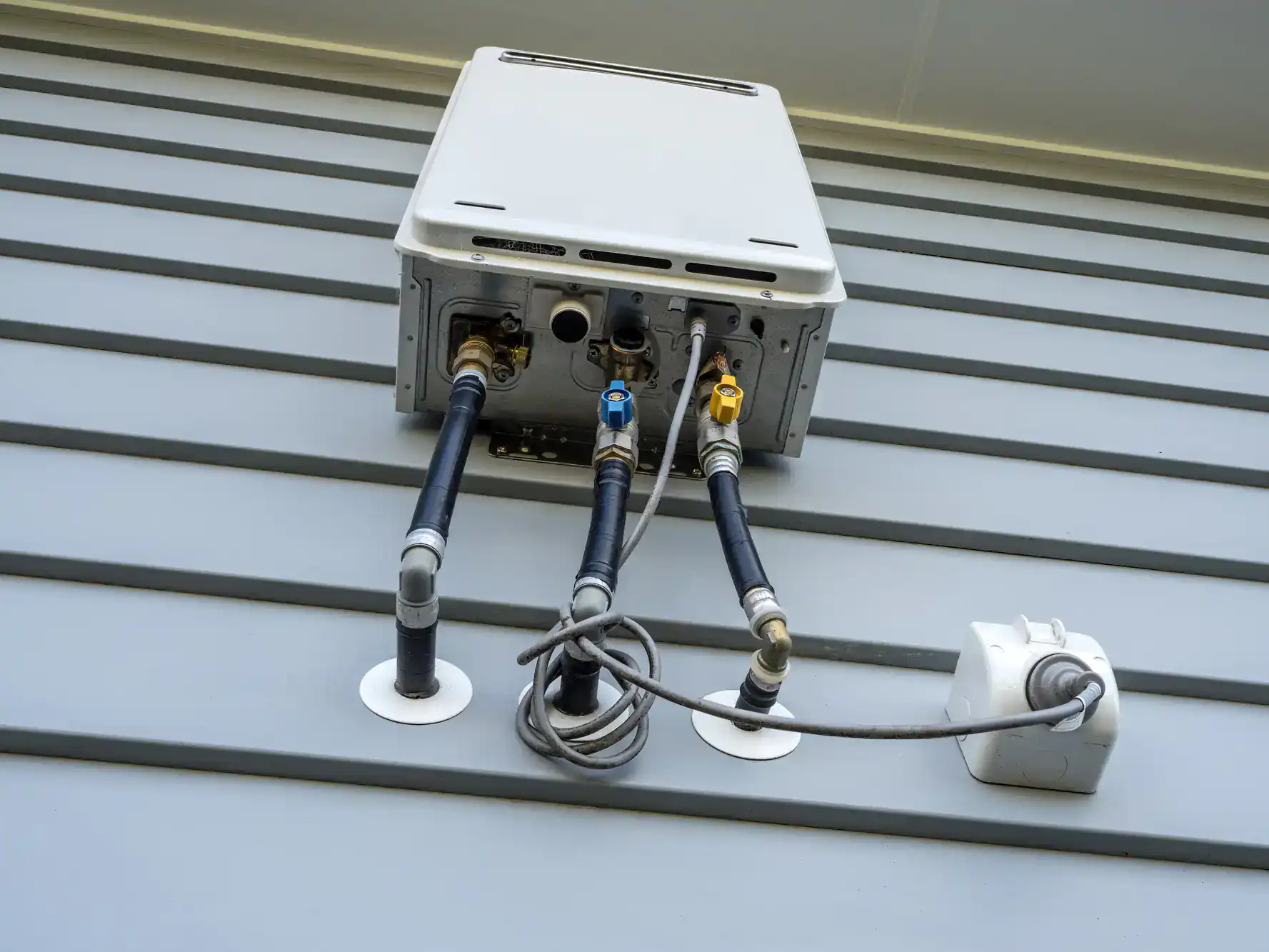
A tank water heater heats water around the clock whether you use it or not. A properly installed tankless system heats water only when you turn on the tap and that difference shows up on your gas bill every single month. Studies show that switching from a standard tank to a tankless unit can reduce water heating energy use by up to 37%. Over the 20-plus year life of a tankless system, that adds up to real money back in your pocket.
For Orangevale homeowners specifically, there are two things worth knowing. First, a lot of homes here were built between 1960 and 1985, which means the existing gas lines and venting were designed for older atmospheric-vent tank heaters not the higher BTU demands of a modern tankless unit. Getting the infrastructure right before installation is what separates a system that runs flawlessly from one that underperforms in January when groundwater temperatures drop and your unit is working harder than it was sized for.
Second, Orangevale’s water supply carries a noticeable mineral load. That mineral content accelerates scale buildup inside a tank heater year after year, quietly reducing efficiency until the unit fails. Tankless systems are easier to descale and maintain, which means a longer service life when you stay on top of annual upkeep something we can walk you through at installation.
Ryan Murray started this company in 2009 with one truck and a background in construction. That’s not a feel-good detail it’s the reason we approach every job the way a builder would: assess the full picture first, quote the complete job honestly, then do the work right the first time.
We’ve been serving Orangevale and Sacramento County for over 15 years, which means our team knows the county permit process inside and out. Orangevale is unincorporated Sacramento County, so every water heater installation here goes through the county’s Department of Community Development not a city building office. We handle that paperwork, schedule the inspection, and deliver a fully permitted installation without putting any of that on you.
With a 4.7 out of 5 Google rating across 93 reviews, our track record speaks for itself. Customers consistently mention same-day response, honest pricing, and a final bill that matched or came in under the original quote.
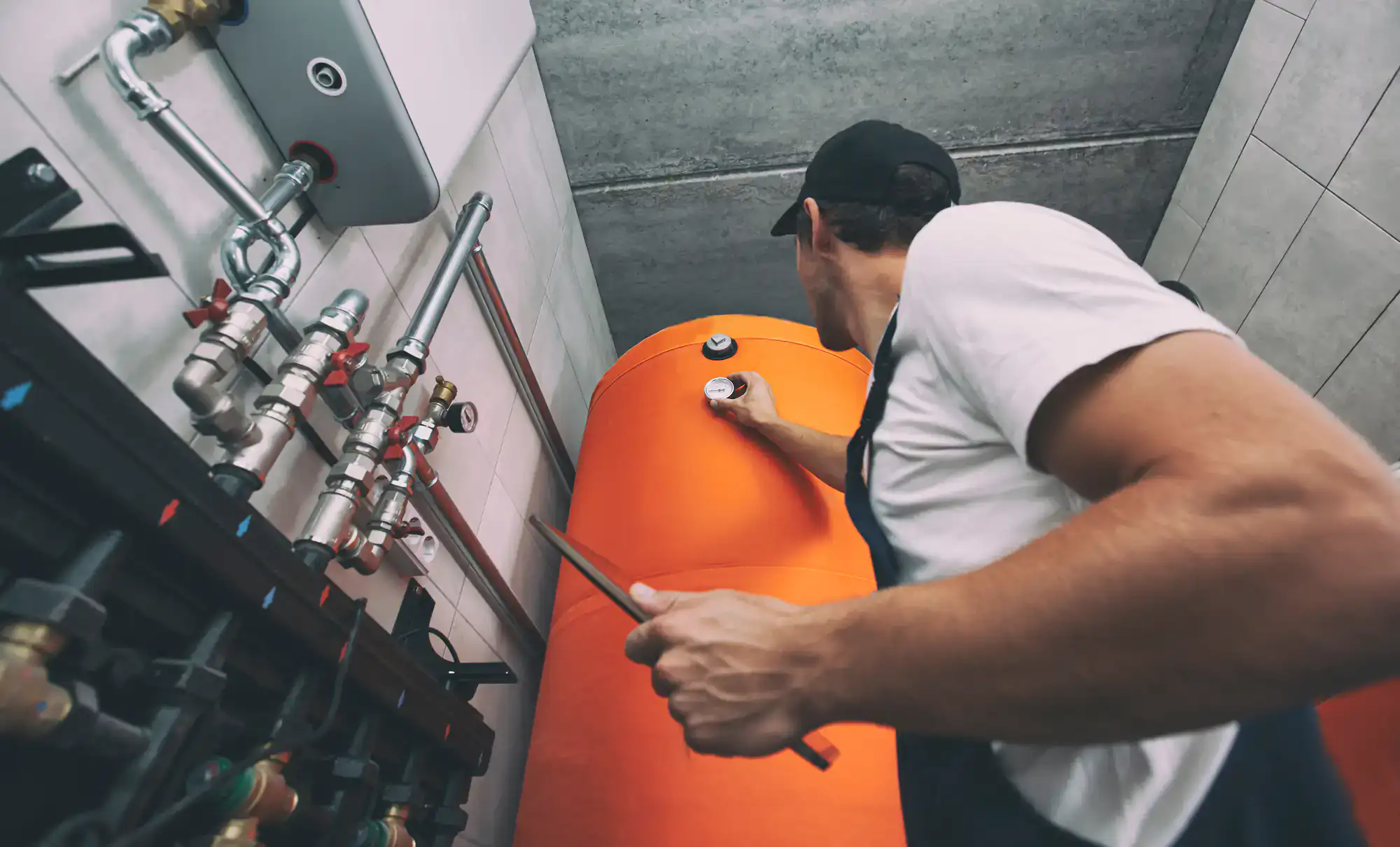
It starts with a real assessment, not a sales pitch. Before anything gets installed, we evaluate your home’s existing gas line sizing, venting configuration, and water supply pressure. This step matters more in Orangevale than people expect homes built in the 1970s often have gas lines sized for older appliances, and tankless units typically require a three-quarter inch gas line minimum to deliver full performance. If an upgrade is needed, you’ll know the cost before any work begins.
Once the scope is confirmed, we pull the Sacramento County permit. California requires a permit for every water heater installation, and in unincorporated Orangevale that means going through the county a process we’ve navigated hundreds of times. The installation itself covers the new tankless unit, all venting modifications, gas line work if applicable, seismic strapping as required by California code, and a full system test before the technician leaves your property.
After the county inspection clears which we coordinate you have a fully permitted, code-compliant tankless water heater installation in Orangevale, CA with documentation in hand. Most jobs are completed the same day you call. If your old unit failed this morning, that’s not a problem.
Ready to get started?
When we install a tankless water heater in your Orangevale home, the job includes everything required for a complete, compliant installation. That means the unit itself, all venting work, gas line evaluation and modification if needed, seismic strapping per California code, Sacramento County permit acquisition, and the final inspection. There’s no separate line item for the permit, and there’s no moment where you’re handed a form and told to figure out the county process yourself.
Unit sizing is handled based on your home’s actual peak demand number of bathrooms, simultaneous fixture use, and the seasonal groundwater temperature swings that come with Orangevale’s Mediterranean climate. Winters here push incoming water temperatures low enough that an undersized unit will struggle, especially in a family home along Hazel Avenue or in the older ranch-style neighborhoods off Greenback Lane. Getting the sizing right at installation is what prevents the “not enough hot water” complaints that follow a rushed job.
We also address Orangevale’s hard water reality upfront. Our team installs units with accessible heat exchangers and walks you through a simple annual descaling routine that protects the system from the mineral buildup common in homes served by Sacramento Suburban Water District. A tankless water heater can last 20-plus years with basic maintenance that conversation happens at installation, not after something goes wrong.
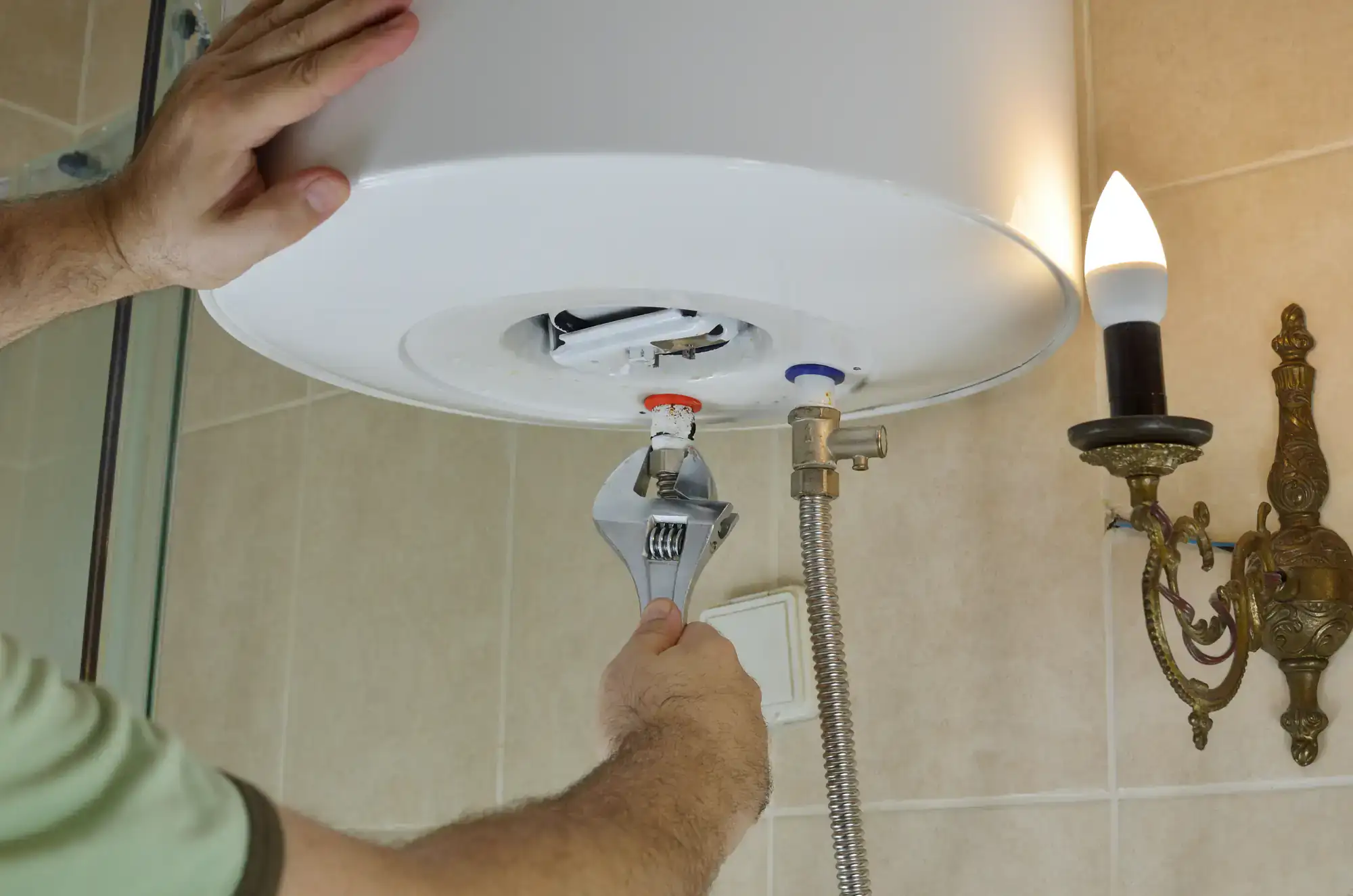
Yes Sacramento County requires a permit for every water heater installation, and since Orangevale is unincorporated county territory, that permit comes from the county’s Department of Community Development, not a city building office. This is a detail that trips up homeowners who assume they’re dealing with a city permit system.
The permit exists to make sure the installation meets California Plumbing Code requirements proper venting, correct gas line sizing, seismic strapping, and combustion safety. Skipping it creates real problems: potential fines, insurance complications if the unpermitted installation ever causes damage, and headaches at resale when a home inspection flags the work. We pull the permit, schedule the county inspection, and handle all of it as a standard part of the job. You don’t fill out a single form.
For most Orangevale homes, a complete tankless water heater installation unit, labor, venting, permit, and inspection runs between $2,000 and $4,000. Where you land in that range depends on the unit’s flow rate capacity, whether your existing gas line needs to be upgraded, and what venting modifications your home requires.
The gas line piece is worth understanding upfront. Many Orangevale homes built in the 1960s and 1970s have gas lines that were sized for the appliances of that era. Tankless units draw significantly more gas than a tank heater, and if your line isn’t sized correctly, the system won’t perform the way it should. When a gas line upgrade is needed, it typically adds $1,500 to $2,500 to the project. We assess your gas supply as part of the pre-installation evaluation and give you the full, all-in number before any work starts no surprises once the job is underway.
Hard water won’t destroy a tankless system, but it will shorten its life if you ignore it. Orangevale’s water supply carries a meaningful mineral load calcium and magnesium that gradually build up inside the heat exchanger, reducing efficiency and eventually causing the system to work harder than it needs to. Left unaddressed over several years, scale buildup is one of the most common reasons tankless units fail before their time.
The good news is that tankless systems are far easier to descale than a tank heater, and the maintenance itself isn’t complicated. An annual descaling flush something we walk every customer through at installation keeps the heat exchanger clear and the system running at full efficiency. Homes in Orangevale served by Sacramento Suburban Water District are dealing with this mineral content year-round, so building that simple maintenance habit from day one is what gets you the full 20-plus year lifespan a quality tankless unit is capable of.
Possibly, and it’s worth knowing before you commit to anything. Homes built in the 1970s which make up a large portion of Orangevale’s housing stock were designed around atmospheric-vent tank water heaters. Tankless units use a different venting approach entirely, typically direct-vent or power-vent configurations, which means the existing flue may not be compatible. New venting terminations through an exterior wall are common on these jobs.
The other factor is gas line sizing. Tankless water heaters require a higher BTU gas flow than a tank heater, and many older Orangevale homes have supply lines that aren’t large enough to support that demand without an upgrade. Neither of these issues is a dealbreaker they’re just part of the honest assessment that should happen before installation begins. We evaluate both the venting and the gas supply as the first step of every job, and if upgrades are needed, they’re included in the upfront quote so you’re not caught off guard mid-project.
Most tankless water heater installations in Orangevale are completed in a single day. The timeline depends on whether any gas line or venting modifications are needed a straightforward swap on a home with compatible infrastructure moves faster than a job that requires rerouting a gas line or cutting a new venting termination through an exterior wall.
We handle the Sacramento County permit as part of the process, which adds a step but doesn’t necessarily add days. The permit is pulled before installation begins, and the county inspection is scheduled as part of the same workflow. For emergency situations a tank that failed overnight, a flooded garage same-day service is the standard, not an upgrade. The goal is to have your home back to normal before the end of the day, not to schedule you out a week.
For most Orangevale homeowners, yes and the math is straightforward. Tankless systems eliminate standby heat loss, which is the energy wasted by a tank heater constantly reheating stored water whether you’re using it or not. That inefficiency accounts for a significant chunk of your monthly gas bill. Replacing a standard tank with a properly sized tankless unit has been shown to cut water heating energy consumption by up to 37%, which translates to real annual savings over time.
Beyond the energy side, consider the timeline. The average Orangevale home was built around 1975, which means a lot of homeowners are on their second or third tank heater. A tankless unit installed correctly lasts 20-plus years roughly twice the lifespan of a tank. Over that period, you’re not just saving on energy; you’re avoiding two or three replacement cycles. For a homeowner who plans to stay in their home long-term, which describes most of Orangevale’s owner-occupied households, the return on a quality tankless installation is hard to argue with.