

Hear from Our Customers
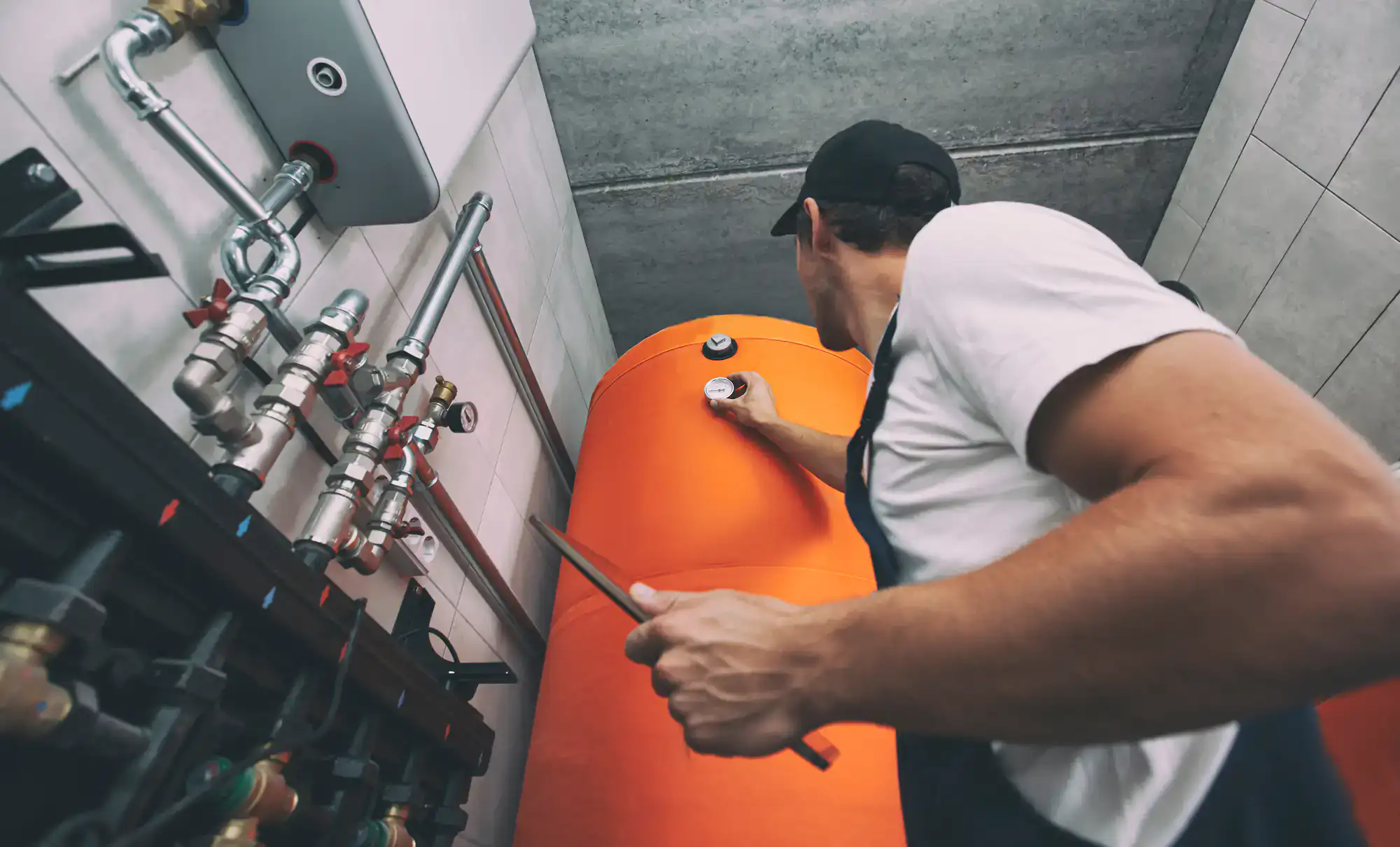
At 6,225 feet, the water coming into your Kings Beach home is colder than anywhere down in the valley and that gap matters more than most contractors will tell you. An undersized or poorly matched system works harder, delivers less, and fails sooner. A properly sized tankless unit changes that equation entirely. You get consistent hot water on demand, whether it’s a quiet Tuesday or a packed ski weekend with eight people cycling through showers before the lifts open.
For vacation property owners managing a Kings Beach rental from Sacramento or the Bay Area, the stakes are even higher. A failed water heater during a booked weekend isn’t just an inconvenience it’s a refund request and a one-star review. Tankless systems eliminate the standby energy loss of a conventional tank, which means lower operating costs year-round and no large reservoir sitting vulnerable in a vacant cabin during a cold snap on SR-267. That combination of reliability and efficiency is exactly what this market demands.
Field studies show tankless water heaters reduce water heating energy by around 37% compared to standard storage units. In a high-altitude environment where heating loads run harder and longer, that savings is real and it compounds every year the system runs.
We were founded in 2009 by Ryan Murray, who came up through the construction trades before earning his contractor’s license and building the company from the ground up. There’s no call center routing your job to whoever’s available. When you call, you’re dealing with a real team that knows Placer County’s permitting process including the dedicated Tahoe Building Services Division that handles permits for Kings Beach and the surrounding North Tahoe communities.
That local knowledge isn’t just a talking point. Older Kings Beach cabins many built as modest vacation retreats in the 1950s and 60s often have original gas lines and plumbing that need a real assessment before any unit gets installed. We evaluate your existing setup honestly, tell you what it’ll cost before the work starts, and handle the permit through Placer County’s Tahoe office so you don’t have to. A 4.7/5 Google rating across 93 reviews backs that up not because it’s a marketing number, but because it reflects what actually happens on the job.
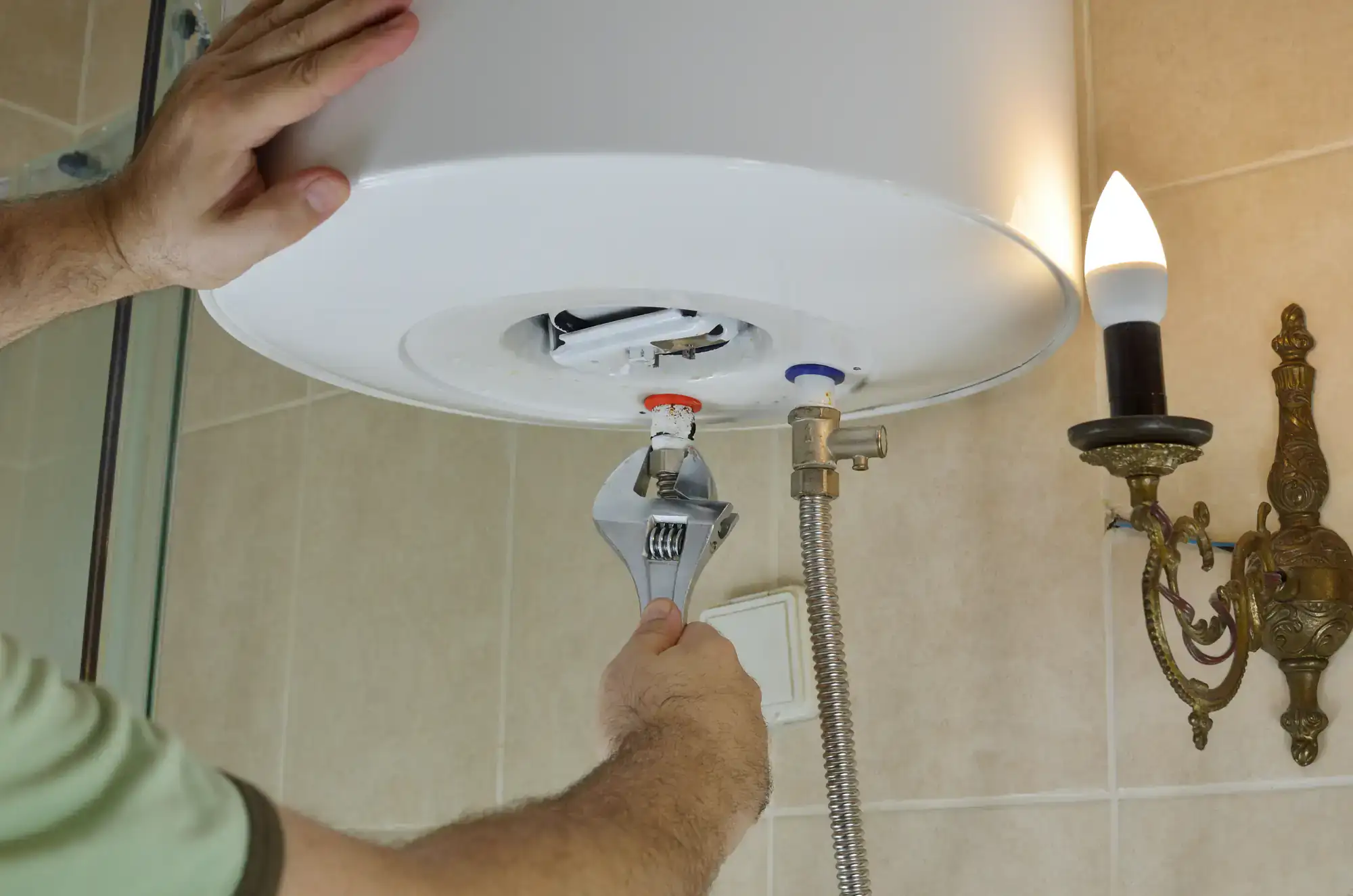
It starts with a real assessment. Before anything is recommended or quoted, the existing setup gets evaluated gas supply line size, current venting configuration, electrical if applicable, and whether your system can handle a direct swap or needs a line upgrade first. In Kings Beach, that step matters more than in most places. Many properties along the North Shore are older builds with original infrastructure, and skipping that evaluation is how jobs turn into problems.
Once the assessment is done, you get a complete quote. Not a range, not an estimate with asterisks a number that covers the full job including any gas line or venting work the installation requires. Some customers have seen their final invoice come in under that number. Nobody has been surprised in the wrong direction.
From there, we pull the permit through Placer County’s Tahoe Building Services Division, complete the installation, and schedule the final inspection. You don’t coordinate with the county, you don’t chase down an inspector, and you don’t wonder if the work is code-compliant. The permit is closed, the system is running, and whether you’re a year-round resident on North Lake Boulevard or a property owner managing a rental from three hours away, the job is done completely.
Ready to get started?
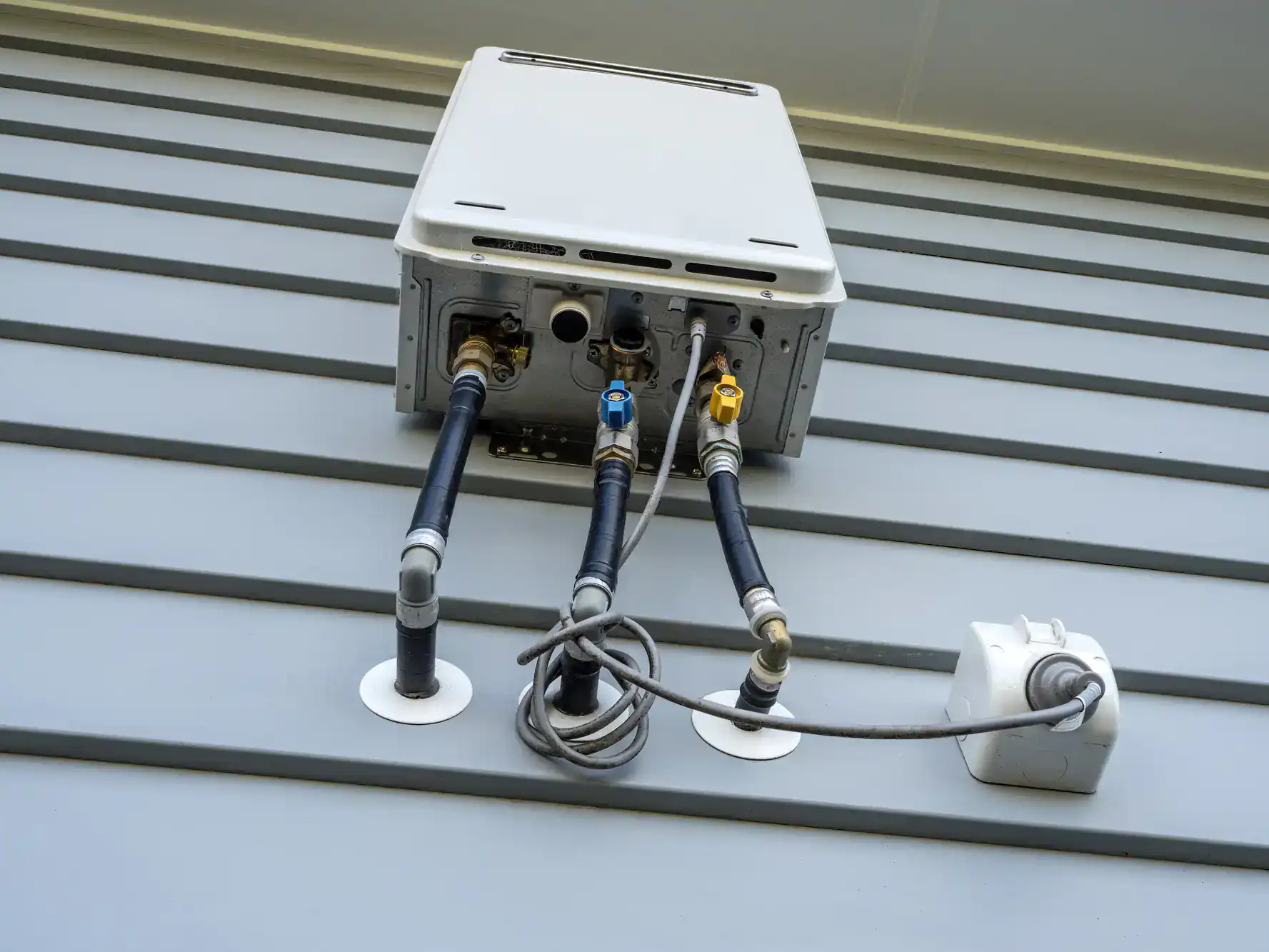
Tankless water heater installation in Kings Beach isn’t a one-size job. Gas tankless units typically deliver 5 to 10-plus gallons per minute of hot water but only when the gas supply line is properly sized, the venting is correct, and the unit is matched to the property’s actual peak demand. For a vacation rental that sleeps eight or ten guests during a Northstar ski weekend, peak demand looks very different than a single-family residence. That sizing conversation happens before any equipment is ordered.
Because Kings Beach sits within the Lake Tahoe Basin, installations here fall under both Placer County building codes and a regulatory environment that includes Tahoe-specific requirements. We stay current on those standards, including California’s updated 2024 DOE efficiency requirements for gas-fired tankless units. Every installation we complete is permitted, inspected, and documented which matters for your homeowner’s insurance and for the resale value of your property. Real estate listings in Kings Beach are already calling out “updated tankless water heater” as a selling point, and a permitted, code-compliant installation is the version that actually holds up to scrutiny when it counts.
If your property needs a gas line upgrade to support the new unit which typically runs $1,500 to $2,500 and is common in older Kings Beach cabins that cost is included in your quote before the work begins. No discovering it mid-job.
Yes and it’s not optional. Placer County requires a permit for water heater replacement and installation under the California Plumbing Code. Because Kings Beach is an unincorporated community, there’s no city building department. All permits go through the Placer County Building Services Division, which maintains a dedicated Tahoe Building Services Division office specifically for the Lake Tahoe area.
The good news is that licensed contractors can pull water heater replacement permits online through Placer County’s portal no trip to a county office required. We handle this as part of every installation. The permit is pulled, the inspection is scheduled, and the work is documented. If you’re managing a Kings Beach property from out of town, you won’t need to coordinate any of that yourself. Beyond the legal requirement, a permitted installation protects you if you ever need to file an insurance claim or sell the property.
The total cost depends on what your property’s existing infrastructure looks like. For a straightforward tankless install, the range typically falls between $1,400 and $3,895, with a national average around $2,629. But Kings Beach adds a variable that many other markets don’t: a significant number of properties here are older cabins with original gas lines that weren’t built to support a modern tankless unit. If your supply line needs to be upsized which is common in homes built in the 1950s and 60s that work typically adds $1,500 to $2,500 to the project.
We assess your gas line, venting, and existing setup before quoting the job. The number you get before work starts is the number you pay. If the assessment shows your property is ready for a direct swap, the quote reflects that. If it needs infrastructure work, that’s included in the quote upfront not discovered after the fact.
For most Kings Beach vacation rental owners, it’s one of the better upgrades you can make. The core reasons come down to reliability, capacity, and freeze risk. Tankless units don’t store a large reservoir of standing water, which changes the freeze vulnerability profile compared to a conventional tank important for a property that may sit vacant for weeks during the winter months. Most modern units also include built-in freeze protection features that are specifically relevant at this elevation and in these temperatures.
On the capacity side, a properly sized gas tankless unit delivers hot water on demand continuously which matters when you have a full house of guests cycling through showers on a Saturday morning before heading up to Northstar. A conventional tank that runs out mid-morning is the kind of thing that shows up in guest reviews. Beyond the operational benefits, Kings Beach real estate listings are actively marketing updated tankless systems as a selling point, so the upgrade has documented resale and rental value in this specific market.
Sizing a tankless unit for Kings Beach requires accounting for two things that don’t apply in lower-elevation markets: cold groundwater temperatures and high peak demand from vacation occupancy. At roughly 6,225 feet elevation, the incoming water temperature in January is significantly colder than what you’d see in Sacramento or the foothills. That temperature differential directly affects how hard the unit has to work and how much flow rate you need to meet demand which means a unit sized for a Sacramento home may underperform here.
Peak demand is the other factor. A property that sleeps eight guests needs a unit sized for simultaneous use multiple showers, a dishwasher, and potentially a washing machine all running at once. Gas tankless units can deliver 5 to 10-plus gallons per minute when properly matched to the load. We evaluate your property’s specific demand profile, inlet water temperature, and existing infrastructure before recommending a unit. Getting that right from the start is the difference between a system that performs and one that leaves people waiting.
A well-maintained tankless water heater typically lasts 20 years or more. A conventional storage tank unit generally runs 8 to 12 years before it needs replacing. That lifespan difference is significant when you’re factoring in the total cost of ownership especially for a Kings Beach property that you plan to hold long-term or continue operating as a rental.
The longer lifespan also matters for vacation property owners who aren’t on-site to catch early warning signs of a failing unit. A tank that’s pushing 10 or 12 years old in a mountain cabin is a liability particularly during peak rental season when the property is occupied and a failure means an emergency call and a disrupted booking. Replacing it proactively with a tankless unit resets that clock significantly and eliminates the standby energy loss you’re paying for every month the old tank sits there keeping water warm whether anyone’s using it or not.
Yes and a meaningful portion of Kings Beach property owners are in exactly that situation. Managing a cabin or vacation rental from Sacramento, the Bay Area, or elsewhere means you’re making decisions remotely and trusting a contractor to handle things without you standing over their shoulder. Our process is built around that reality.
The assessment, quote, permit, installation, and final inspection are all handled end-to-end. You get a complete price before any work starts covering the full scope including any gas line or venting work the property requires. You don’t coordinate with Placer County’s Tahoe Building Services Division, you don’t schedule the inspection, and you don’t follow up to confirm the permit was closed. That’s handled. For out-of-town owners, the combination of upfront pricing and full permit management isn’t a convenience it’s the reason the job gets done right without requiring you to be there in person.