
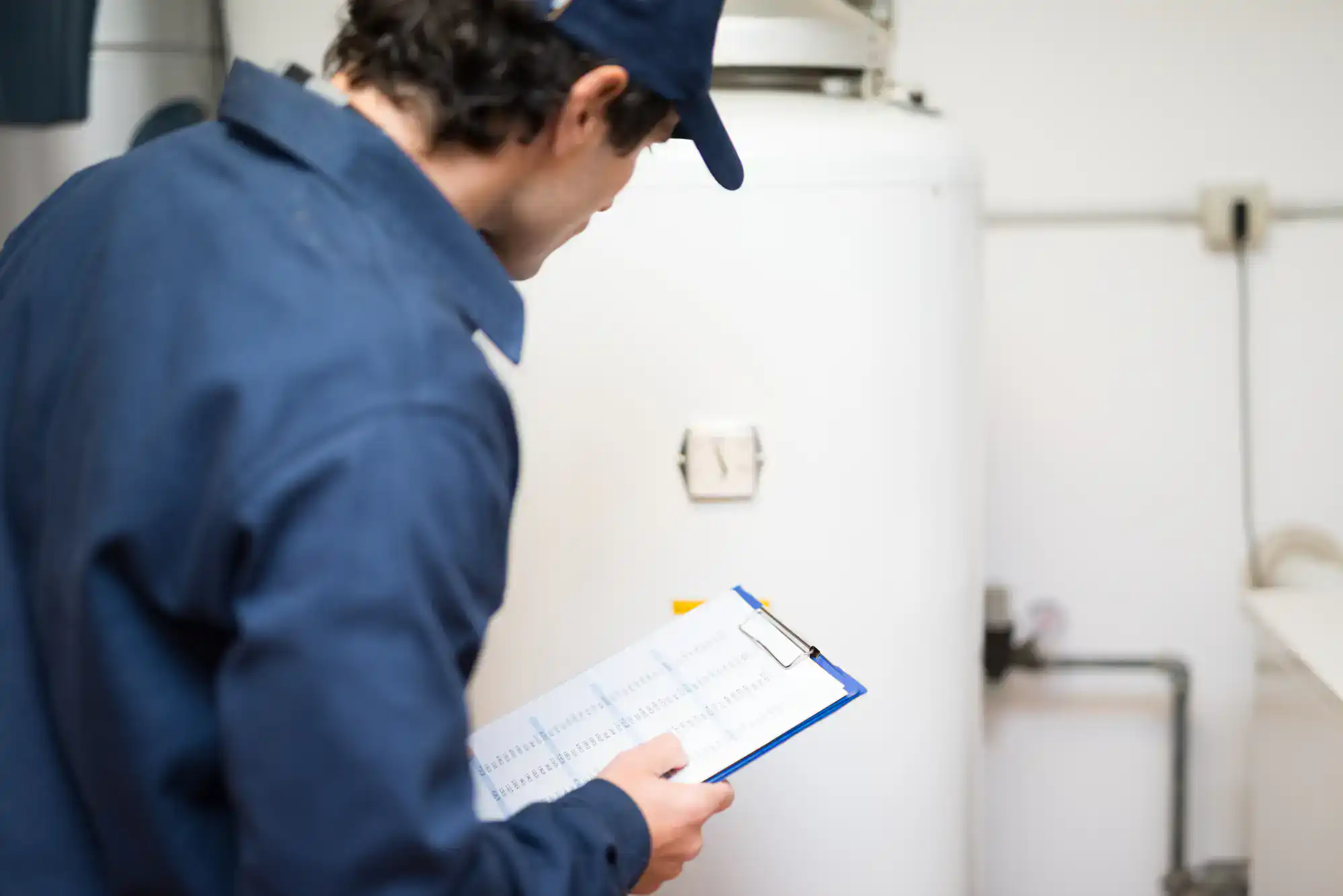
Tankless Water Heater Installation
Get a free quote for tankless water heater installation from your local plumbing team.
We’ll contact you about your tankless water heater installation request. Privacy policy
Hear from Our Customers
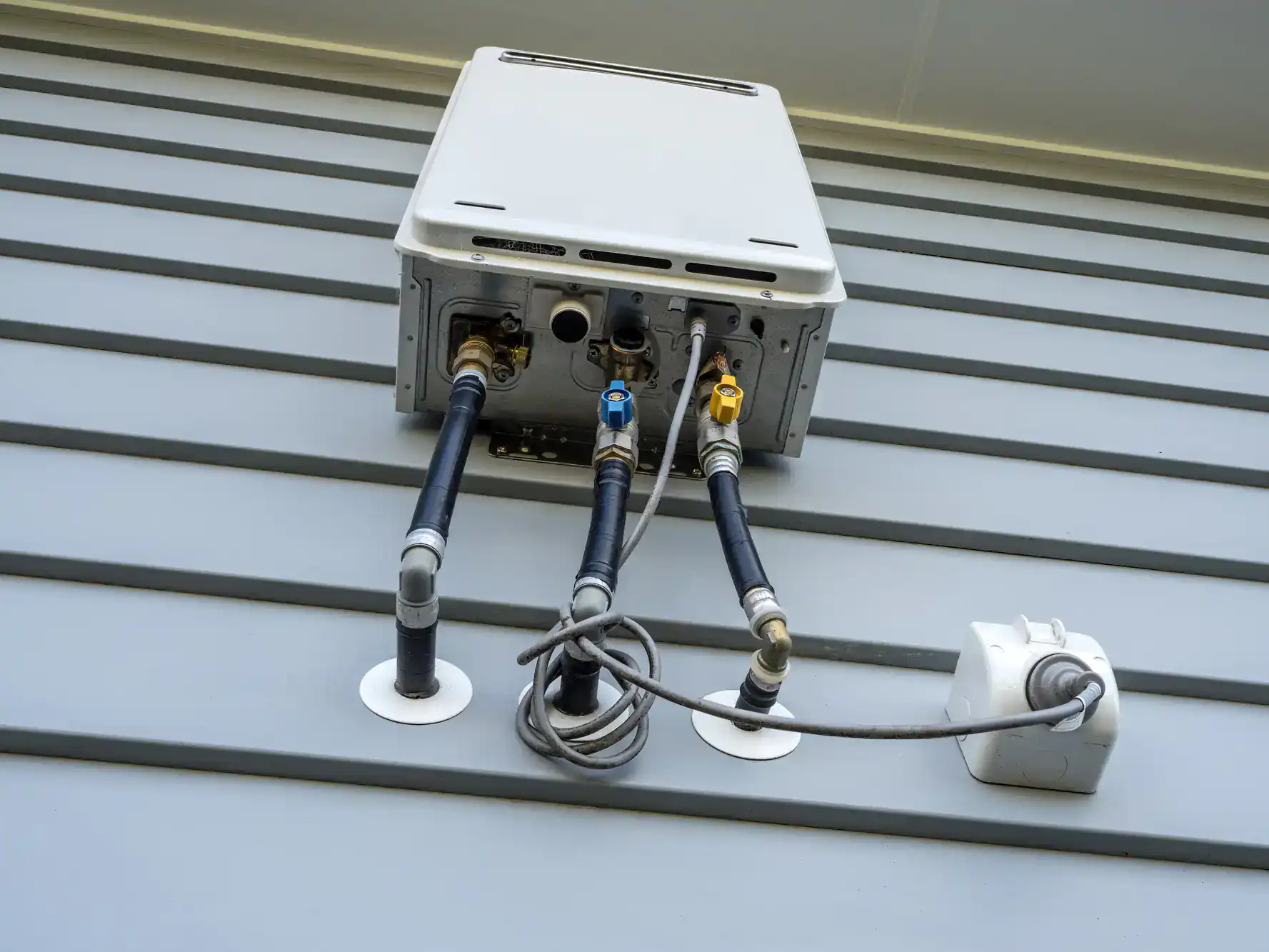
Switching to tankless means your water heater stops running around the clock just to keep a tank warm. Studies have shown homeowners can cut water heating energy costs by up to 37% after making the switch and in Lincoln, where summer utility bills already spike from months of 90-plus degree heat, that kind of reduction adds up fast.
The homes in Twelve Bridges and Lincoln Crossing were built with builder-standard tank units. Those units were fine at year one. At year fifteen or twenty, they’re working harder than they should, and when they go, they usually go without much warning. A properly sized tankless unit eliminates that risk entirely and it’s rated to last 20 or more years, which means most Lincoln homeowners who install one now are done making this decision for a long time.
There’s also a water quality angle worth knowing. Lincoln’s municipal supply comes from treated groundwater drawn from the Raymond Basin. That treated groundwater can carry minerals that build up as scale inside a heat exchanger over time. When the installation is done right right unit, right setup, right guidance on maintenance that’s a manageable issue. When it’s not, it shortens the life of the equipment significantly. That’s one more reason the installation itself matters as much as the unit you choose.
We were founded in 2009 by Ryan Murray, who came up through construction before building this company from scratch. That background straddling both the build side and the service side of the trade shapes how every job gets handled. You’re not getting a dispatched tech who’s never seen your neighborhood. You’re getting a Placer County plumber who knows the difference between a newer Twelve Bridges home and an older downtown Lincoln property, and what each one typically needs before a tankless install can happen.
We hold a 4.7 out of 5 rating on Google based on 93 reviews. The feedback across platforms is consistent: we show up when we say we will, the final number matches the quote, and the work is done right the first time. For a commuter community where most people are on SR-65 by 7 a.m., that kind of reliability isn’t a bonus it’s the baseline expectation, and it’s one we consistently meet.
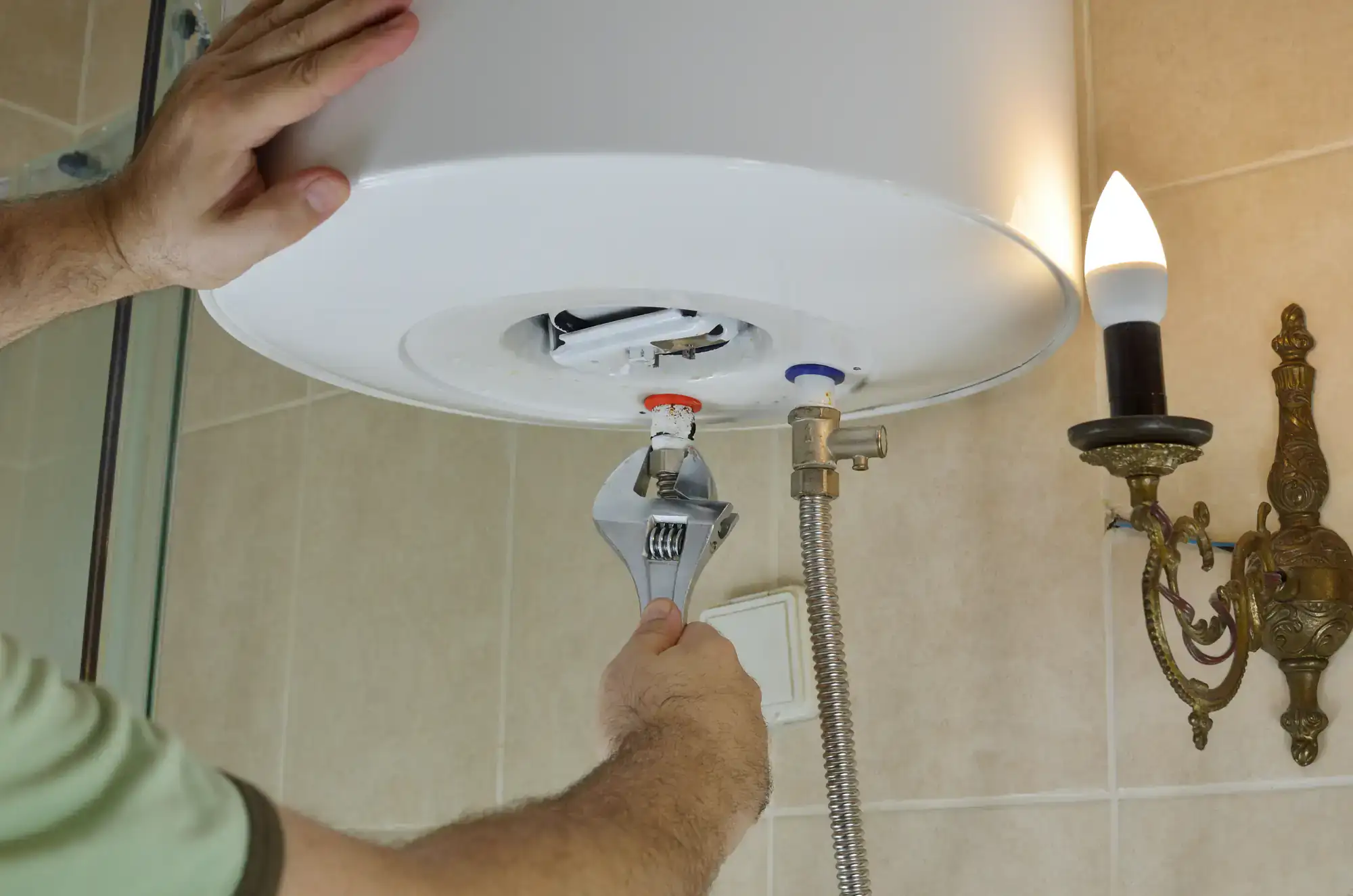
It starts with an honest assessment. Before anything is quoted or ordered, a licensed Murray Plumbing technician evaluates your home’s gas supply, existing venting, and water lines. This step matters more than most people realize especially in older sections of Lincoln where gas lines may be undersized for a tankless unit’s demand. If a gas line upgrade is needed, you’ll know about it upfront, with a full cost included in the quote. No discovering it mid-job.
Once the assessment is done and you’ve approved the full scope, the installation moves forward. We pull all required permits through Placer County as part of the service you don’t have to call anyone, fill out anything, or schedule a separate inspection. That’s handled. The installation itself typically takes one day, and in most cases where parts are available, it happens the same day you call.
After the unit is installed and inspected, you’ll get a walkthrough of how it operates, what the maintenance schedule looks like for Lincoln’s water conditions, and what to watch for. The job isn’t done when the water runs hot it’s done when you actually understand what you have and how to keep it running well.
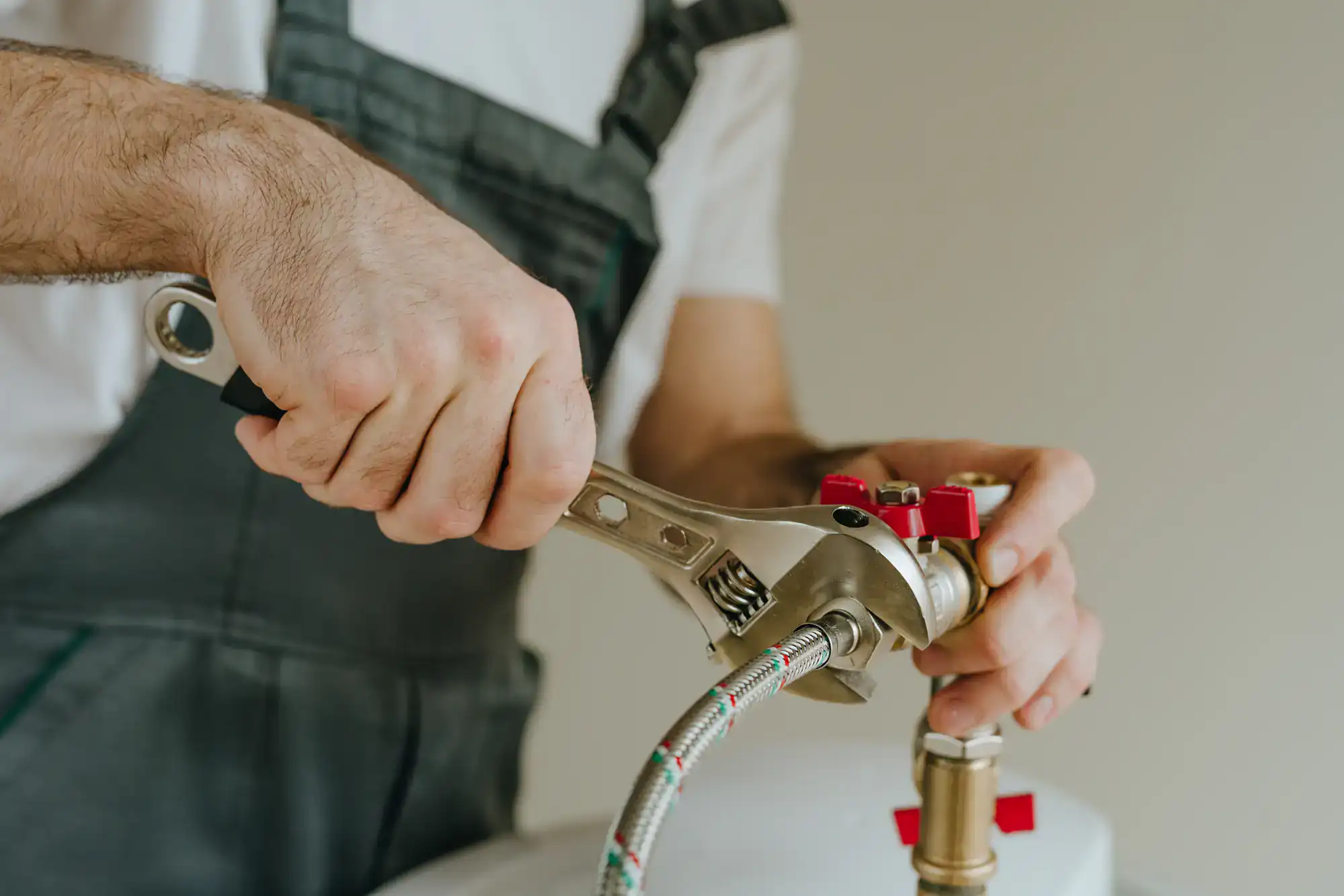
Ready to get started?
Every tankless water heater installation we do in Lincoln, CA includes the pre-installation assessment, full permit management through Placer County, the installation itself, and a post-install walkthrough. There are no add-on fees for permit handling that’s part of the job. If your home needs a gas line upgrade or venting modification to support the new unit, that work is quoted in full before anything starts, not discovered after the fact.
The units we install meet current California Title 24 building standards and the 2024 DOE efficiency requirements for gas-fired tankless water heaters. That matters for two reasons: it keeps your installation legal and inspectable, and it makes you eligible for applicable federal energy efficiency tax credits under the Inflation Reduction Act if you act before the end of the tax year. We can walk you through what applies to your specific situation.
For Sun City Lincoln Hills residents specifically if you’re replacing an aging tank unit and want a straightforward conversation about what the full cost looks like and whether tankless makes sense for your home’s setup, that’s exactly the kind of call we’re set up for. No pressure, no upselling, no commission-based technician trying to close a deal. Just an honest assessment and a real number you can make a decision with.
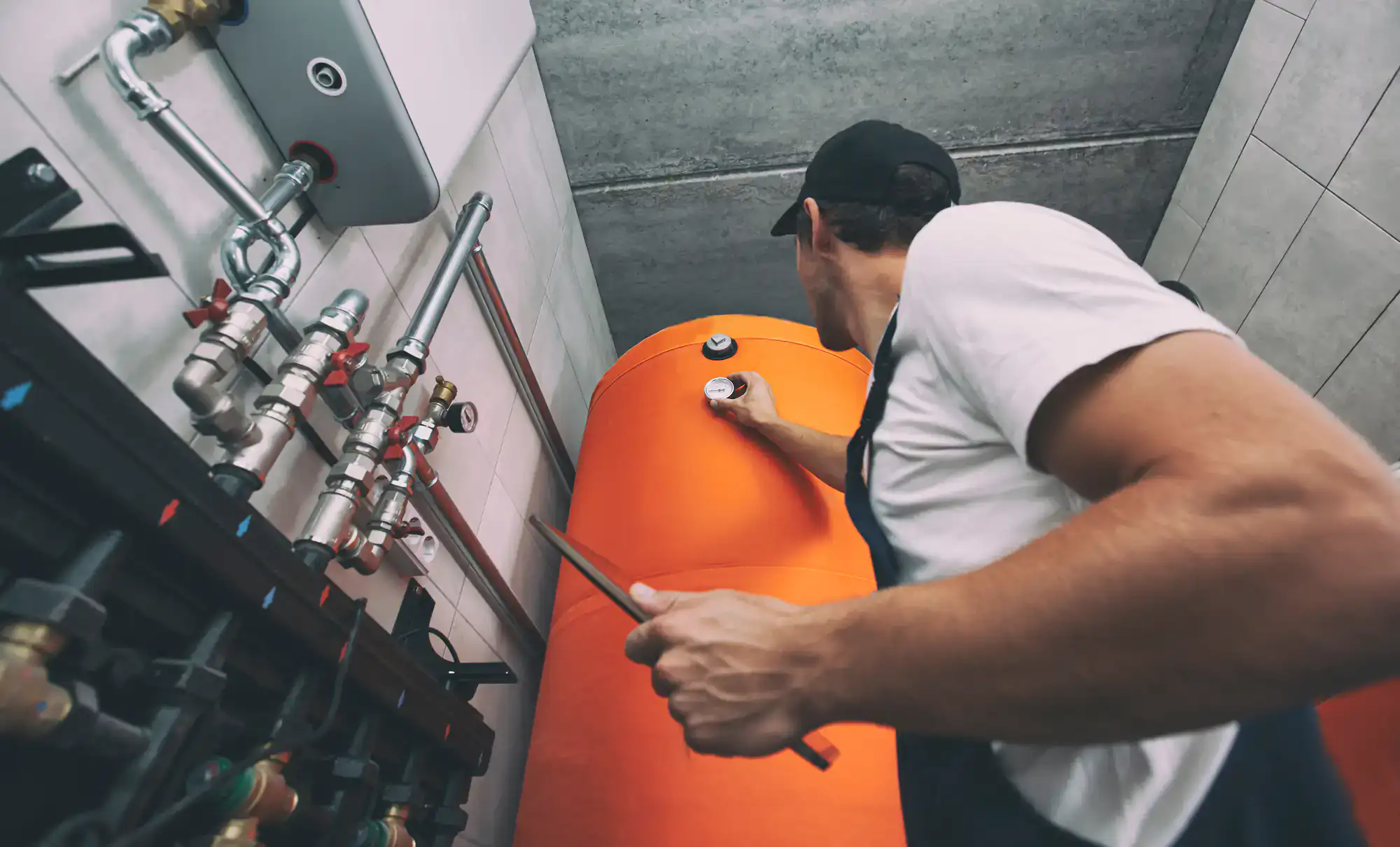
Yes water heater replacement in Lincoln requires a permit under California Plumbing Code Section 502.1, and that applies whether you’re doing a straight tank-for-tank swap or upgrading to tankless. Placer County building inspectors assess the installation for code compliance, and skipping the permit can create real problems down the road: voided homeowner’s insurance, issues at resale, and potential fines if the unpermitted work is discovered.
We pull the permit as part of every installation in Lincoln. You don’t call the permit office, you don’t schedule a separate inspection, and you don’t navigate the California Plumbing Code on your own. It’s handled from start to finish. For homeowners in newer Lincoln subdivisions who’ve never dealt with this before, that’s one less thing to figure out during an already stressful situation.
The total cost for a tankless water heater installation in Lincoln typically falls between $1,400 and $3,895, depending on the unit selected and the specifics of your home’s setup. If your home requires a gas line upgrade which is common in older downtown Lincoln properties and some earlier-phase subdivisions that work adds roughly $1,500 to $2,500 to the project.
The most important thing to understand is that the full cost gets quoted before any work begins. That includes the unit, the installation, the permits, and any gas line or venting work identified during the pre-install assessment. The number on your quote is the number on your invoice. Our reviews specifically call this out some customers note the final bill came in under the original estimate. That’s not common in this industry, and it’s worth knowing before you start comparing contractors.
It depends on when your home was built and what gas appliances are already pulling from your line. Homes in Twelve Bridges and Lincoln Crossing were built primarily in the 2000s and 2010s, and many were originally plumbed for a standard tank water heater not a tankless unit, which draws gas at a higher rate during operation. If the existing line can’t support that demand, the unit won’t perform the way it should.
That’s exactly what the pre-installation assessment is for. A Murray Plumbing technician checks your gas meter size, your existing line capacity, and your current appliance load before recommending anything. If an upgrade is needed, you’ll know upfront with the cost included in the full quote not partway through the job. Most homes in these Lincoln subdivisions don’t require a full line replacement, but it’s not something you want to assume either way.
For most Lincoln homes, a straightforward tankless installation takes between three and six hours from start to finish. If the job involves a gas line upgrade or more involved venting work, it may run into a full day. Either way, we give you a realistic timeline before work starts not a vague window that keeps you waiting around.
Same-day installation is available in most cases when parts are on hand. For Lincoln residents who commute to Sacramento or Roseville on SR-65 and can’t easily take multiple days off work, that turnaround matters. The goal is to have your hot water back and the job fully permitted and inspected without stretching across multiple appointments. Most customers in Lincoln are done in a single visit.
For most Sun City Lincoln Hills residents, the answer is yes but it depends on your specific situation, and an honest assessment is the only way to know for sure. The core case is straightforward: a tankless unit lasts 20-plus years compared to 8–12 for a standard tank, it eliminates standby energy loss, and it removes the risk of a tank failure flooding your garage or utility room without warning.
For homeowners on a fixed income, the upfront cost is a real consideration. The installation typically runs $1,400 to $3,895 depending on what your home needs, and the energy savings do add up over time. Federal tax credits for qualifying energy-efficient installations may also apply if you act before year-end. We’ll give you a straight answer on whether the numbers make sense for your home before you commit to anything.
Lincoln’s municipal water supply comes from treated groundwater drawn from the Raymond Basin, supplemented by imported water through the Foothill Municipal Water District. The city has treated this water to drinking water standards since 1992, but treated groundwater in this region can carry dissolved minerals that gradually accumulate as scale inside a tankless unit’s heat exchanger. Left unaddressed, that buildup reduces efficiency and can shorten the equipment’s lifespan considerably.
The good news is that this is a manageable maintenance issue not a reason to avoid tankless altogether. The key is making sure the unit is installed correctly for Lincoln’s water conditions and that you understand the descaling schedule from day one. We walk every Lincoln customer through what maintenance looks like for their specific unit and water conditions after installation. A tankless water heater that’s properly maintained in Lincoln can easily hit that 20-plus year mark one that isn’t, typically won’t.