
Hear from Our Customers
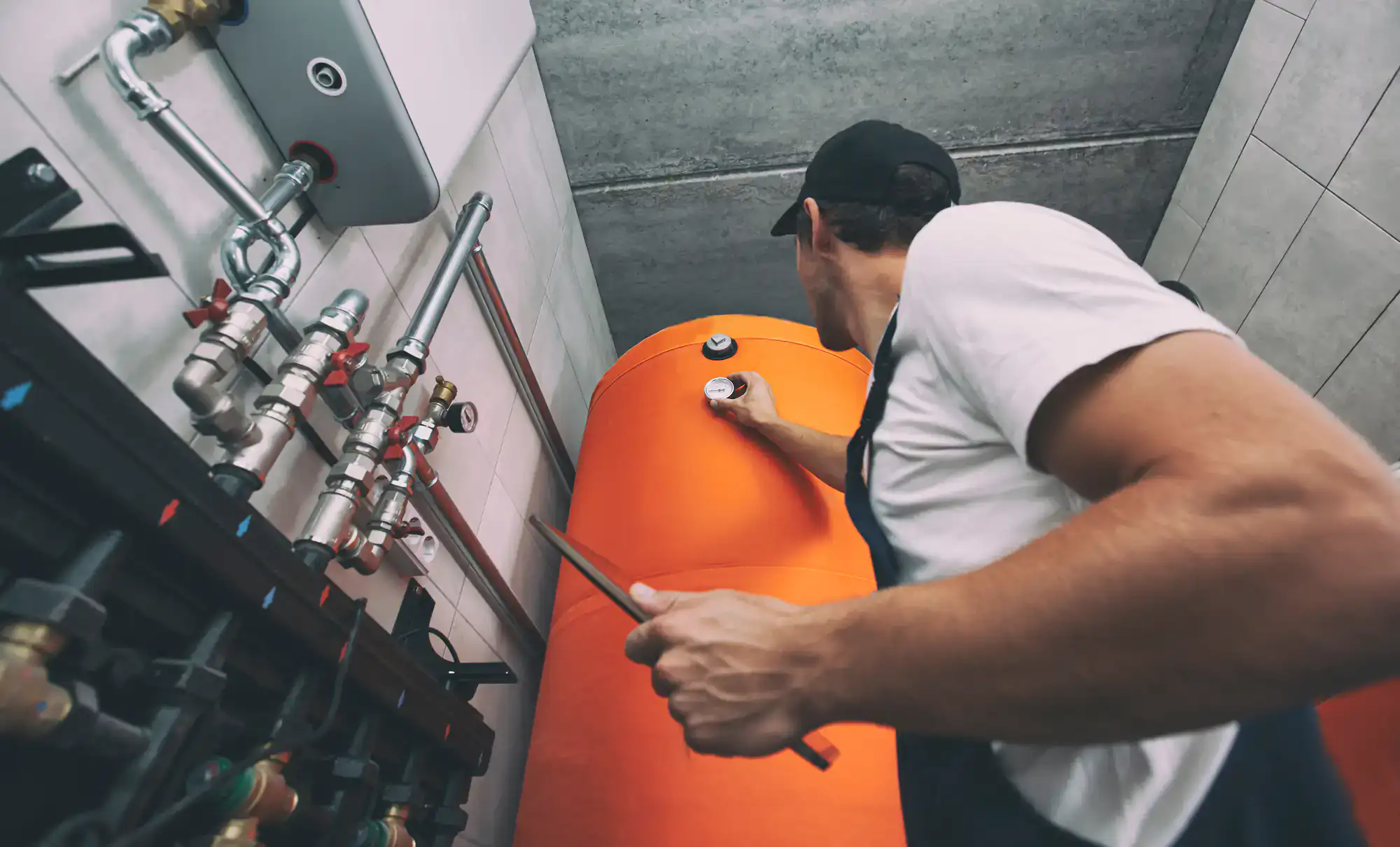
If your current water heater has already surprised you once a repair bill that came out of nowhere, or a unit that gave out years before it should have you already know what Buckeye’s hard water does to a conventional tank. Sediment builds up at the bottom, the heating element works harder than it should, and a unit that was supposed to last a decade starts failing at six or seven years. A tankless system eliminates the tank entirely. There’s nothing for minerals to settle into, no standing water being reheated overnight, and no slow deterioration hiding behind a metal shell.
The other thing that changes is your energy bill. Tankless units only fire when you actually turn on the hot water. In Buckeye’s climate where winters get cold enough to push your current heater into overdrive and summers push ambient garage temperatures past 100°F that on-demand efficiency adds up fast. Most households see water heating costs drop between 24% and 37% after switching.
And for a three-bedroom ranch-style home in Buckeye, the sizing difference matters more than most people realize. A correctly sized whole-house tankless unit can run two showers and a dishwasher at the same time without a cold surprise mid-rinse. That’s not a feature that’s just what a properly installed system actually does.
We were founded in 2009 by Ryan Murray, who spent years as a construction superintendent before earning his plumbing contractor’s license. That background matters for a job like tankless installation because Ryan doesn’t just understand plumbing, he understands how homes are built and where the infrastructure tends to fall short after twenty or thirty years of use. In a neighborhood like Buckeye, where most of the housing stock is older ranch-style construction, that kind of working knowledge is what separates a clean installation from one that causes problems six months later.
We hold a 4.7 out of 5 rating across 93 Google reviews, with customers consistently calling out same-day response, honest pricing, and technicians who actually show up when they say they will. We serve Shasta County alongside El Dorado, Placer, and Sacramento counties and our (530) area code isn’t a coincidence. We’re a Northern California contractor that knows the Buckeye area, not a Sacramento company that added your ZIP code to a service map.
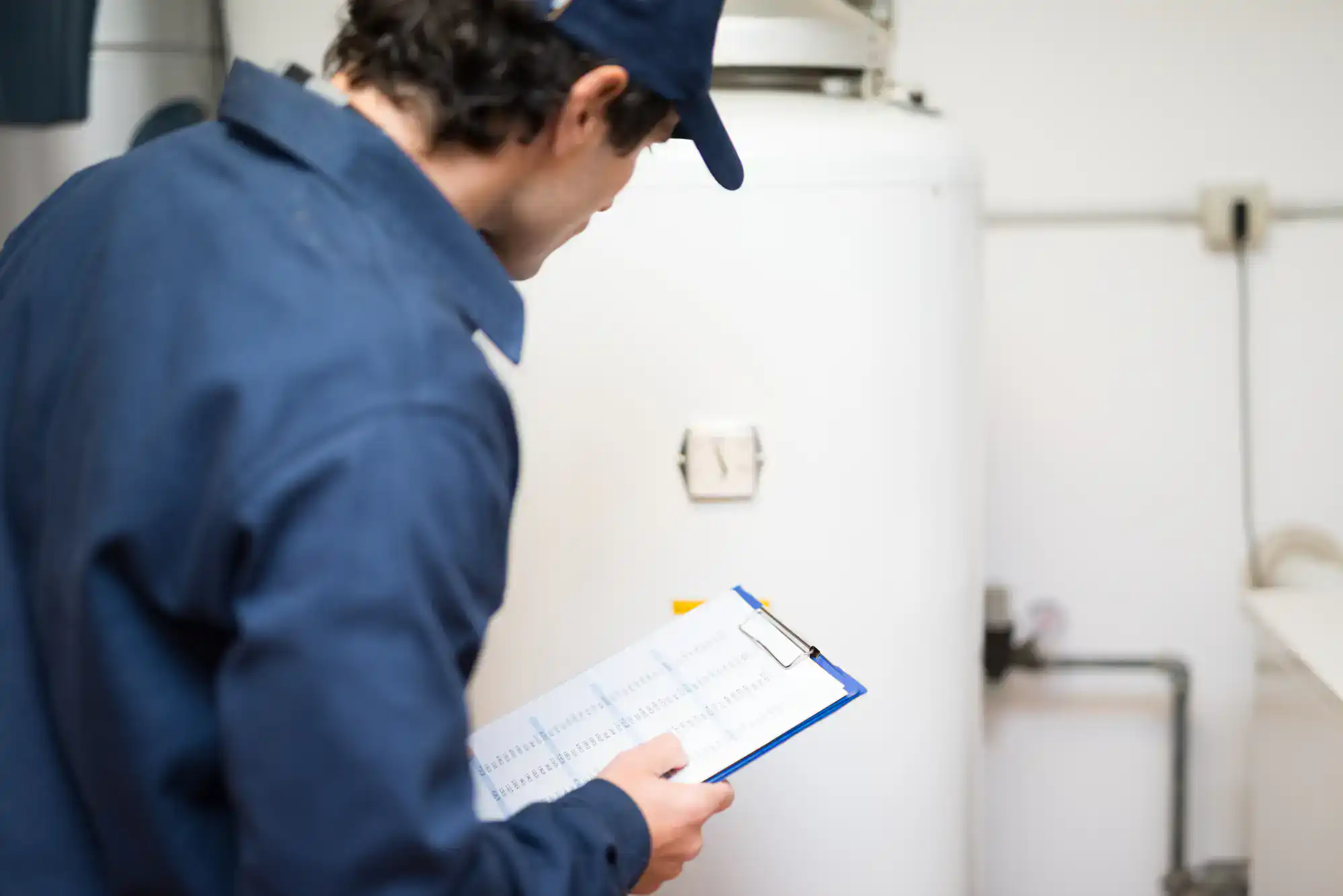
It starts before anyone touches a wrench. We assess your home’s existing infrastructure first gas line diameter, current venting setup, and whether your meter is sized to support a high-output tankless unit. This step matters more in Buckeye than most people expect. Older ranch-style homes in this area were built for conventional tank heaters, and the gas lines that served those units are often undersized for a modern tankless system. Finding that out before installation starts means no mid-job surprises and no revised quotes after the work is already underway.
Once the assessment is done, you get a full quote everything included, gas line work, venting modifications, and permit fees. We pull the required permit with the local building authority and schedule the inspection. In Buckeye, permits are required for water heater replacements, and that requirement is especially firm when you’re switching from a tank to a tankless system because of the changes involved in gas lines, venting, and electrical connections. You don’t have to call the building department, fill out a form, or coordinate an inspection window. That’s handled.
The installation itself typically runs four to six hours. When the job is done, the inspector signs off, and you have a permitted, code-compliant system that your insurance company can’t question.
Ready to get started?
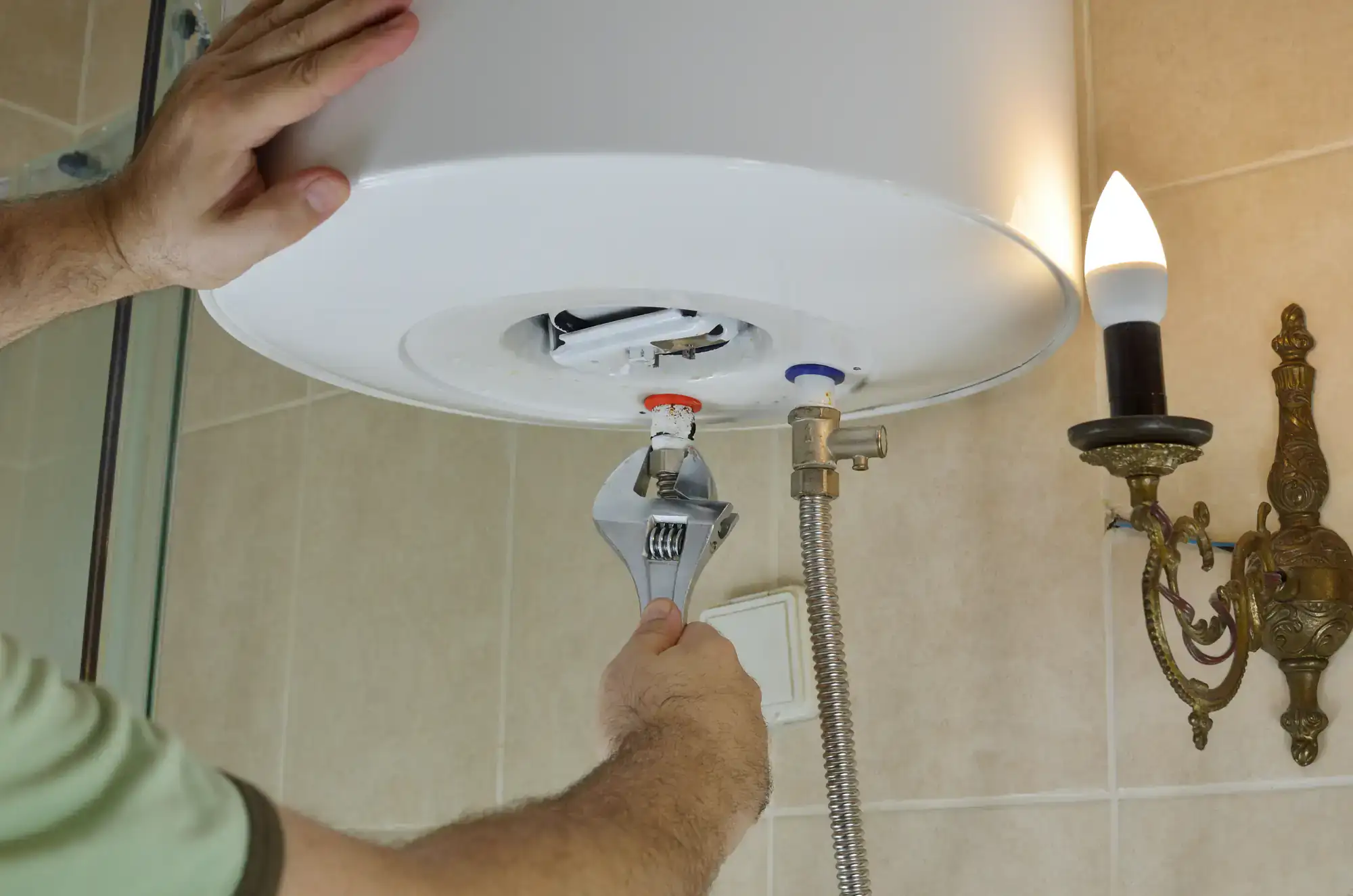
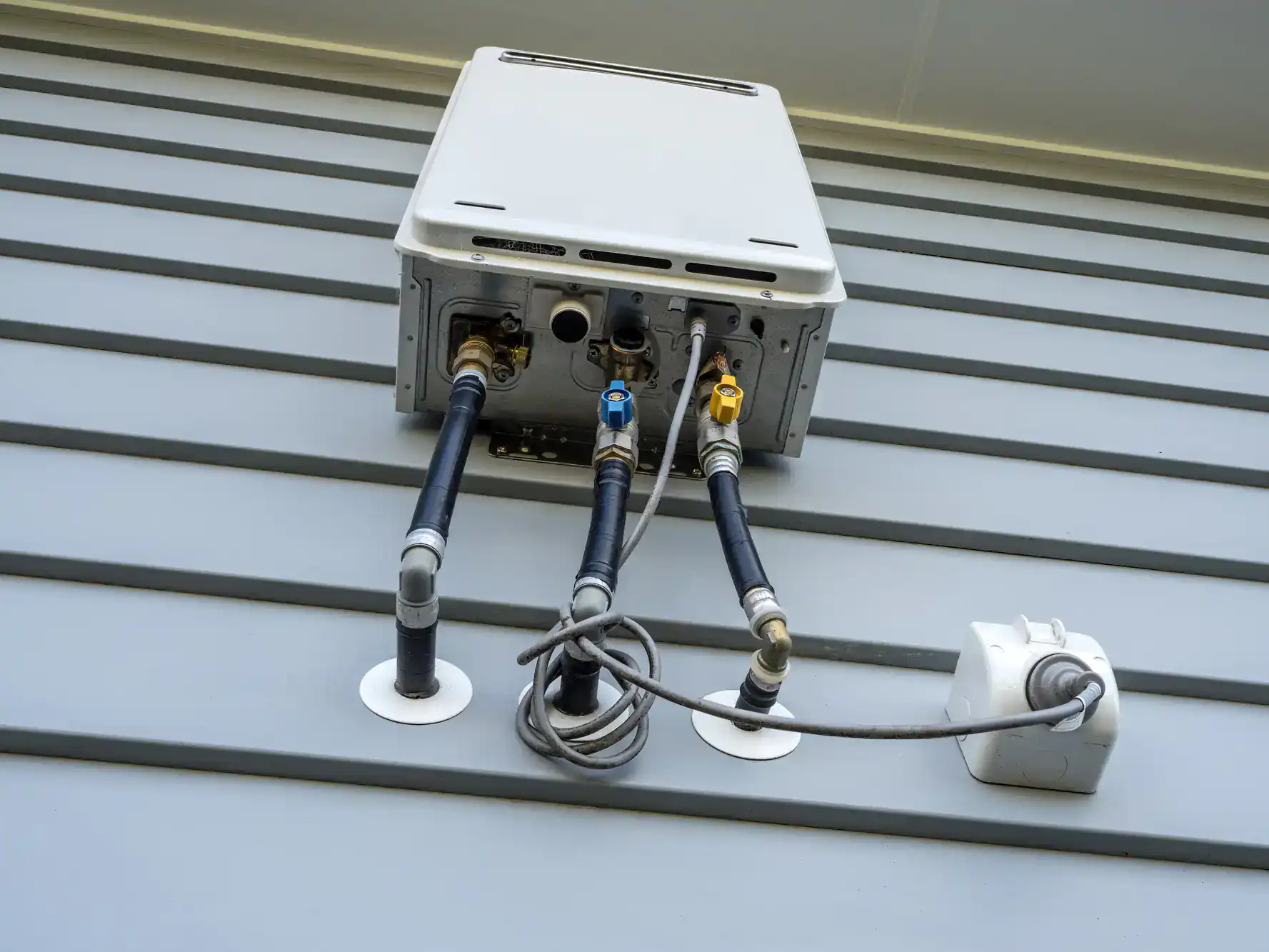
Our tankless water heater installation covers the full scope not just swapping out the unit. Every job includes a pre-installation infrastructure assessment, unit sizing based on your home’s actual peak hot water demand, gas line evaluation and modification where needed, proper venting installation for gas units, code-compliant hookup, permit acquisition, and final inspection coordination. For Buckeye homeowners, the gas line assessment is particularly important. Many of the ranch-style homes in the area were built with gas infrastructure that wasn’t designed for the flow rates a high-output tankless unit requires. Skipping that assessment is how installations fail and it’s the most common reason homeowners end up unhappy with a tankless system they paid good money for.
We also coordinate with utility companies to help qualifying Buckeye customers access Energy Star rebates of up to $200, which offset part of the upfront installation cost. The national average for a complete tankless installation runs between $1,400 and $3,895 and we quote the full number, including any infrastructure work, before the job starts. Some customers have seen their final bill come in under that original estimate. That’s not a marketing line it’s something our reviews actually say.
The unit itself will last more than 20 years with proper maintenance. For a Buckeye household dealing with hard water, that lifespan advantage over a conventional tank is even more significant than the industry average suggests.
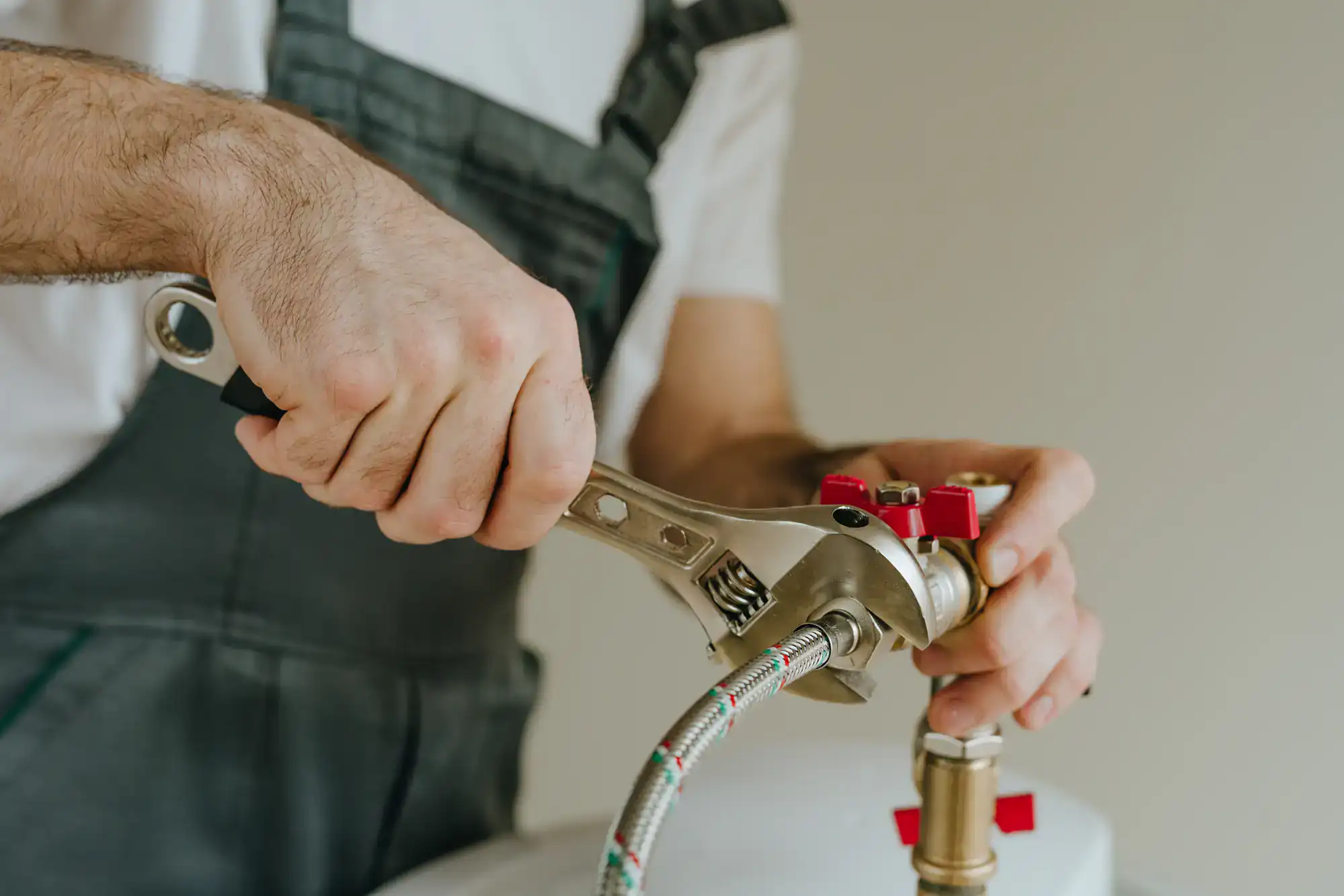
Yes and this is one area where cutting corners can cost you significantly more than the permit itself. Buckeye requires permits for water heater replacements, and that requirement is especially firm when you’re switching from a tank to a tankless system. The reason is straightforward: a tank-to-tankless conversion involves changes to your gas line, venting configuration, and potentially your electrical connections all of which need to be inspected by a licensed building official to confirm they meet California Plumbing Code standards.
The risk of skipping the permit isn’t just a fine from the local building authority. If an unpermitted installation later causes water damage or a fire, your homeowner’s insurance company can deny the claim entirely. We pull every required permit and schedule the inspection as part of every installation it’s not an add-on, it’s just how the job is done. You don’t need to navigate the building department on your own.
The honest answer is that it depends on what your home’s existing infrastructure needs. The national average for a complete tankless water heater installation runs between $1,400 and $3,895, with most projects landing around $2,600. In Buckeye specifically, the older ranch-style housing stock in the area often requires some gas line work before a high-output tankless unit can be safely installed and that can affect the total cost.
What we do differently is give you the full quote before any work begins. That number includes the unit, gas line modifications if needed, venting work, permit fees, and installation labor. Nothing gets added after the fact. Some customers have reported that their final bill came in under the original estimate. We also help qualifying Buckeye homeowners access Energy Star rebates of up to $200, which can partially offset the upfront investment.
Hard water does affect tankless systems but in a much more manageable way than it affects conventional tank heaters. With a storage tank, minerals settle at the bottom and accelerate corrosion and element failure, often cutting the unit’s lifespan in half. A tankless system doesn’t have a tank for sediment to accumulate in, which removes the biggest hard water failure point entirely.
That said, Buckeye’s mineral content can still cause scale buildup inside the heat exchanger over time, which reduces efficiency if left unaddressed. The solution is periodic descaling typically recommended every one to two years in hard water areas like Buckeye. We can advise you on whether a water softener or a dedicated descaling maintenance schedule makes sense for your household based on your water usage. A properly maintained tankless unit in Buckeye can still hit that 20-plus year lifespan without issue.
This is one of the most important questions to answer before any tankless installation begins and it’s one that a lot of contractors skip. Many of the ranch-style homes in Buckeye were built with gas lines sized for conventional storage tank heaters, which operate at a lower BTU demand than a modern whole-house tankless unit. If the existing gas line is too narrow to deliver the flow rate a tankless system requires, the unit won’t perform correctly and you’ll end up with inconsistent hot water temperatures or a system that can’t keep up during peak demand.
Our pre-installation assessment evaluates your gas line diameter, your meter capacity, and your current venting setup before recommending a unit or quoting a price. If your home needs a gas line upgrade to support the new system, that work is scoped and priced upfront not discovered mid-installation. This is the step that separates a clean, long-lasting installation from one that creates problems down the road.
Most tankless water heater installations take between four and six hours from start to finish. That window can shift slightly depending on whether your home needs gas line modifications or venting upgrades both of which are more common in Buckeye’s older ranch-style housing stock than in newer construction. If those needs are identified during the pre-installation assessment, they’re factored into the schedule upfront so the job doesn’t run longer than expected.
Same-day installation is available in most cases. If your current water heater has already failed especially during a cold Buckeye winter when overnight temperatures drop near freezing our 24/7 emergency service means you’re not waiting until next week for hot water. Most emergency calls in the Buckeye area are resolved the same day you reach out.
For most Buckeye homeowners, yes and the local conditions here make the case stronger than the national average would suggest. Conventional tank water heaters in hard water areas like Buckeye often fail well before their expected lifespan. If you’ve already replaced one unit early because of sediment damage, you’ve already paid the price of staying with tank technology. A tankless system eliminates that failure pattern, lasts more than 20 years with proper maintenance, and reduces water heating energy costs by 24% to 37%.
Run the math over a 15 to 20 year period one tankless installation versus two or three tank replacements, plus lower monthly energy costs throughout and the upfront difference narrows considerably. Add in the Energy Star rebates of up to $200 available to qualifying Shasta County customers, and the long-term value is straightforward. Our transparent pricing means you’ll know the full cost before committing, so you can make that comparison with real numbers in hand.