
Hear from Our Customers

When your water heater goes out, the clock starts immediately. No hot water means no showers, no clean dishes, and a household that’s completely off schedule. Most Orangevale families don’t have time to wait three days for a callback and you shouldn’t have to.
Here’s what actually changes after a proper replacement: your water heats faster, your energy bill stops creeping up, and you’re not listening to that rumbling tank anymore. That rumbling isn’t just annoying it’s sediment buildup from Orangevale’s hard water supply, and it means your old unit has been working overtime for months, maybe years.
The homes throughout Orangevale were largely built between the 1970s and 1990s. If your water heater hasn’t been replaced in the last decade, it’s likely already operating well below its original capacity. A properly sized, professionally installed replacement unit doesn’t just restore hot water it restores efficiency you probably forgot your system was supposed to have.
We’ve been doing this for over 60 years not as a franchise, not as a call center operation, but as a family-owned business where the name on the truck means something. That history matters when you’re dealing with a trade where one bad installation can create bigger problems down the road.
Orangevale sits in unincorporated Sacramento County, which means your water heater replacement requires a Sacramento County building permit not a city permit, a county one. That’s a detail a lot of companies get wrong or skip entirely. We pull the permit, complete the installation to California Plumbing Code standards, and make sure the job passes inspection. Every time.
With a 4.7-star Google rating and nearly 370 verified reviews across platforms, our track record is there if you want to check it. Customers consistently mention on-time arrivals, honest estimates, and technicians who explain what they’re doing before they do it. That’s not a policy it’s just how the work gets done.
It starts with a call. You describe what’s happening no hot water, a leaking tank, a unit that’s 12 years old and finally giving up and you get a real estimate before anyone shows up. No vague ranges, no “we’ll tell you when we get there.” A specific number, upfront.
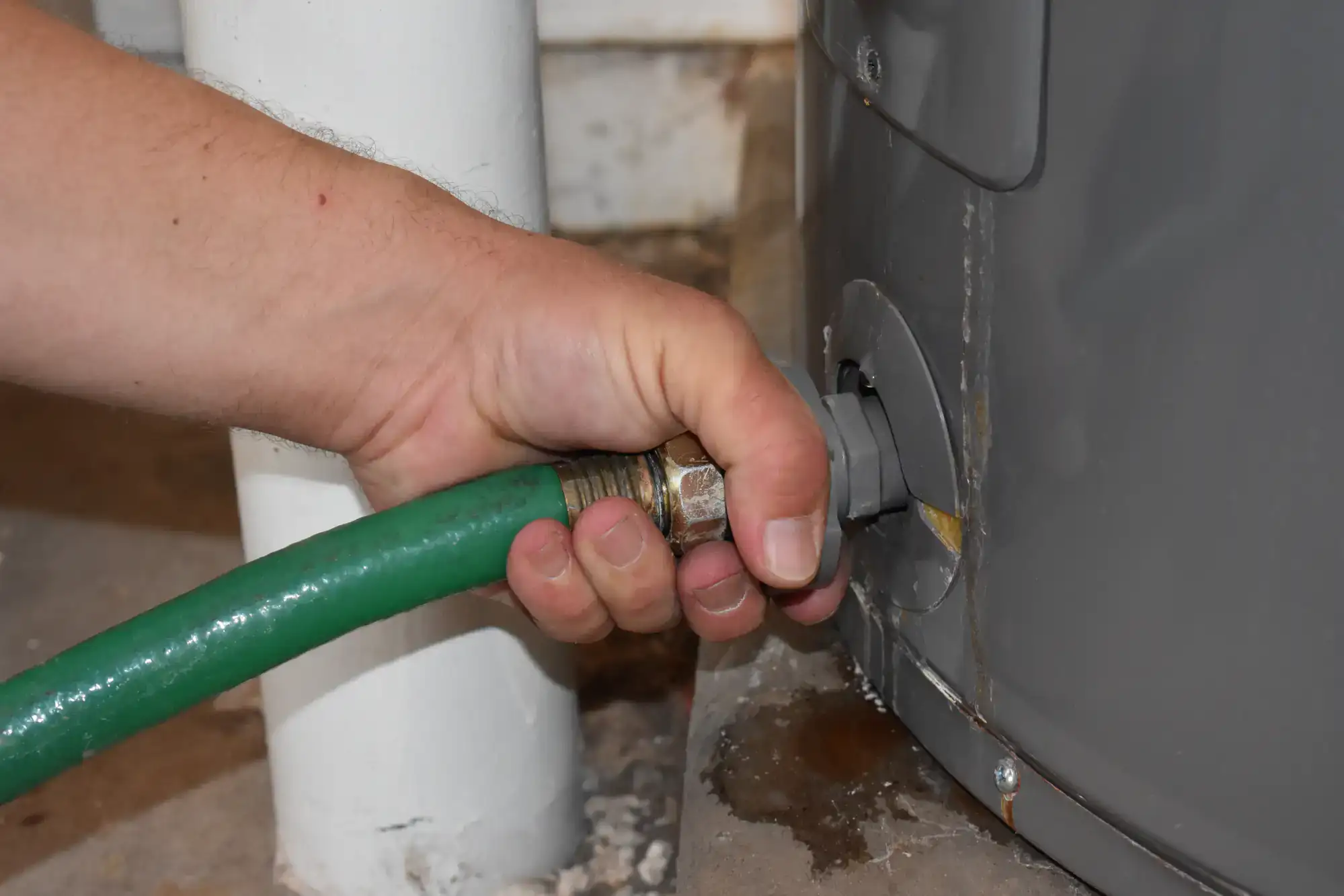
When our technician arrives, the first thing they do is assess the existing setup. In Orangevale’s older housing stock, that means checking the current tank size against your household’s actual demand, inspecting the gas line or electrical connection, and looking for any sediment or corrosion that might affect how the new unit is installed. Homes with longer pipe runs common on the larger-lot and horse-property parcels throughout the area sometimes need additional considerations for sizing and placement. That gets addressed before any work begins, not after.
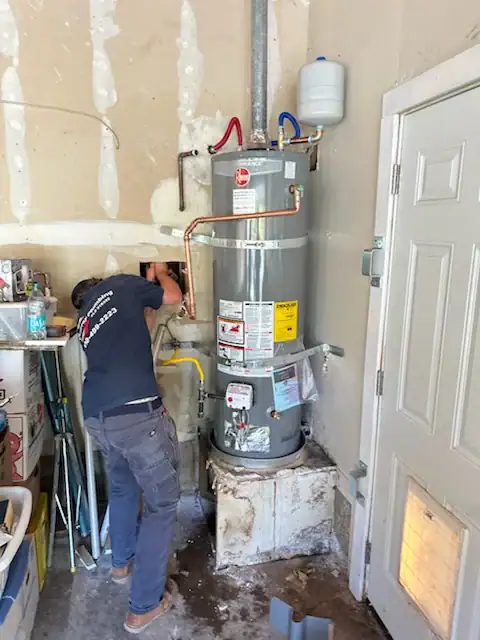
From there, the old unit comes out, the new one goes in, and the Sacramento County permit process is handled as part of the job. Most replacements are completed in a single visit. The space is left clean, the new unit is tested, and you have hot water again before the end of the day. If anything during the job comes in under the original estimate, the final bill reflects that.
Ready to get started?
Most Orangevale homeowners replacing a water heater face the same question: stick with a traditional tank unit or upgrade to tankless? The honest answer depends on your household size, how your home is set up, and what you’re planning to do with the property over the next several years.
A standard 40-gallon gas tank replacement in the Sacramento area typically runs between $1,650 and $2,300 installed that includes removal of the old unit, the new equipment, labor, permit fees, and inspection. Tankless systems run higher, generally $2,000 to $3,500 for a whole-house unit, but they last 20 years or more and heat water on demand rather than keeping a full tank hot around the clock. In a hard water environment like Orangevale’s, tankless units also tend to hold up better over time when properly maintained, since there’s no tank for sediment to accumulate in.
What you won’t get is a push toward the more expensive option just because it costs more. The recommendation you receive will be based on your home’s current infrastructure, your water usage, and your budget not on what generates the highest ticket. We hold Certified Installer status, which means the installation preserves the full manufacturer warranty on whatever unit you choose. In Orangevale’s active real estate market where homes move quickly a permitted, warranty-valid installation also protects your position when it’s time to sell.
Yes and this is one of the most important things to get right. Because Orangevale is an unincorporated community, it falls under Sacramento County’s jurisdiction rather than a city building department. That means your water heater replacement requires a Sacramento County building permit, and the installation must meet California Plumbing Code and Title 24 energy efficiency standards.
Skipping the permit might seem like a way to save time or money, but it creates real problems later. Unpermitted work can surface during a home sale, a refinancing appraisal, or an insurance claim and resolving it after the fact is almost always more expensive and disruptive than doing it correctly the first time. We pull the required permit as a standard part of every installation, not as an add-on. The inspection gets scheduled, the work gets signed off, and your records stay clean.
It shortens the lifespan sometimes significantly. The Sacramento Suburban Water District supplies Orangevale with groundwater that averages around 123 parts per million, which puts it firmly in the hard water category. For comparison, nearby Fair Oaks comes in at about 37 ppm. That difference matters a lot to your water heater.
When hard water is heated, calcium and magnesium minerals separate from the water and settle on the tank’s interior and heating elements. Over time, that sediment layer acts as insulation between the burner and the water, forcing the unit to run longer and hotter to reach the same temperature. The result is higher energy consumption, faster wear on the components, and a shorter overall lifespan. If your tank water heater is making a rumbling or popping noise, that’s sediment and it’s a reliable sign that the unit is already working harder than it should be. In Orangevale’s water conditions, regular maintenance matters more than the national averages suggest, and replacement timelines can run shorter than the standard 10-to-15-year range.
For most Orangevale homeowners, a standard tank water heater replacement lands between $1,650 and $2,300. That’s an all-in number removal of the old unit, new equipment, labor, permit fees, and inspection. The final cost depends on the tank size you need, whether you’re replacing a gas or electric unit, and how accessible the installation area is.
Upgrading to a tankless system runs higher, typically $2,000 to $3,500 for a whole-house unit installed. The upfront cost is more, but tankless units last 20 years or longer and operate more efficiently since they only heat water when you need it. Sacramento’s energy costs and California’s Title 24 efficiency standards make the long-term math on tankless more favorable than it might look at first glance. Whatever direction you go, you’ll get a specific estimate before any work begins and the final bill won’t exceed it without your approval first.
The age of the unit is usually the clearest indicator. Most tank water heaters are designed to last 8 to 15 years, but in Orangevale’s hard water conditions, performance tends to decline noticeably after 8 years due to sediment accumulation. If your unit is already past that mark, repair costs start to become difficult to justify you’re spending money to extend the life of something that’s already running on borrowed time.
Beyond age, there are a few specific signs that point toward replacement rather than repair: water that takes noticeably longer to heat up, rusty or discolored water coming from the hot tap, visible corrosion around the base of the tank, or a unit that’s been repaired more than once in the last couple of years. A leak from the tank itself not from a fitting or valve, but from the tank body almost always means replacement. Our technician can assess your specific unit and give you a straight answer about whether repair makes financial sense or whether you’re better off putting that money toward a new installation.
For most homes, the job is done in a single visit typically two to three hours from arrival to a fully operational new unit. That includes removing the old water heater, installing and connecting the new one, testing the system, and confirming there are no leaks or pressure issues before we leave.
A few factors can extend that window. Homes in the older sections of Orangevale particularly those built in the 1970s and early 1980s occasionally have configurations that require additional work, such as updating a gas connection to current code or adjusting the venting setup. Larger-lot properties with longer pipe runs may also need extra time for sizing and placement decisions. These aren’t surprises that get discovered mid-job a proper pre-installation assessment catches them upfront so the timeline is accurate before work begins. Same-day scheduling is available, and 24/7 emergency service means a failed unit at midnight doesn’t have to mean a cold household through the next morning.
For many Orangevale homeowners, yes but it depends on the specifics of your home and how you use hot water. Tankless units heat water on demand rather than keeping a full tank at temperature around the clock, which translates to lower energy consumption over time. They also last considerably longer than tank units, typically 20 years or more, which changes the cost comparison when you look at it over a full ownership period rather than just the day of installation.
In Orangevale specifically, one of the stronger arguments for tankless is the hard water factor. Traditional tank heaters are more vulnerable to sediment buildup from the area’s mineral-heavy groundwater supply, which accelerates wear and reduces efficiency. A properly maintained tankless system sidesteps that issue more effectively. The tradeoff is a higher upfront cost and, in some cases, the need for infrastructure upgrades particularly for homes in the older sections of Orangevale where the existing gas line or electrical panel may need evaluation before a tankless unit can be installed. A straightforward assessment of your home’s current setup will tell you whether the upgrade makes sense or whether a high-efficiency tank unit is the smarter call for your situation.