
Hear from Our Customers
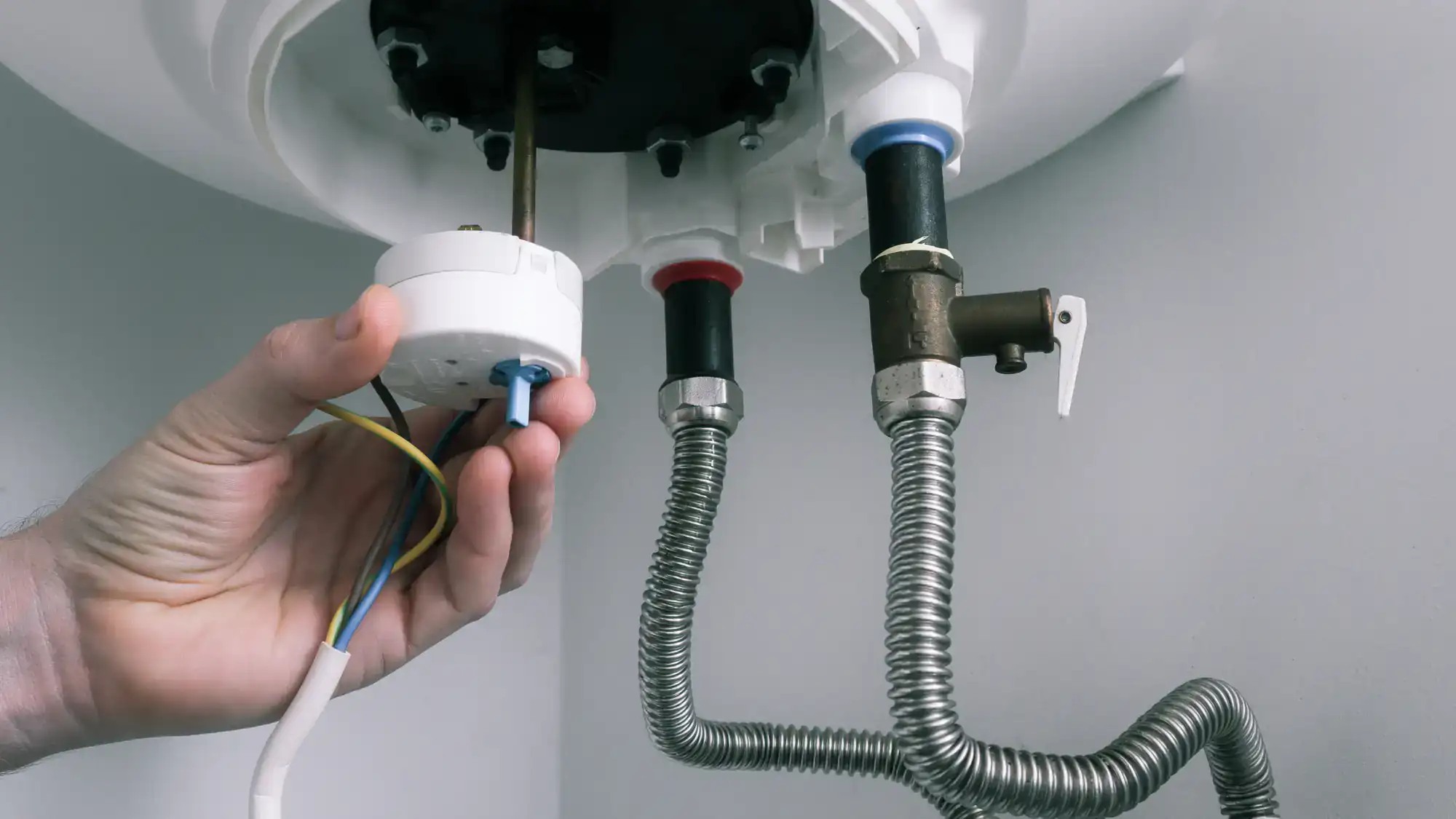
You turn on the shower and hot water is just there. No waiting, no lukewarm compromise, no crossing your fingers. That sounds simple, but if you’ve been dealing with an aging unit in a Noralto bungalow or a Richardson Village ranch home, you know it hasn’t felt that way in a while.
Here’s something most homeowners in North Sacramento don’t realize: the water on the north side of the American River runs harder than most of Sacramento roughly 15 grains per gallon. That mineral load quietly builds up inside your tank over the years, cutting efficiency, driving up your gas or electric bill, and shaving years off the unit’s life. A new, properly sized water heater doesn’t just restore your hot water it stops that slow drain on your wallet.
And if your home was built in the 1950s or earlier like a lot of homes in Richardson Village and Noralto there’s a real chance your current setup doesn’t meet California’s current code requirements. A permitted, inspected replacement brings everything up to standard, protects your homeowner’s insurance coverage, and means you’re not inheriting someone else’s deferred maintenance problem.
Murray Plumbing is a five-generation, family-owned plumbing company with over 60 years of service history across the Sacramento region. That’s not a marketing line it means the people who show up at your door have worked on homes just like yours, in neighborhoods just like North Sacramento, for decades.
North Sacramento has its own character. Del Paso Boulevard, the older streets of South Hagginwood, the tight lots in Swanston Estates these aren’t abstract locations to us. We’ve worked in these neighborhoods, with the kinds of plumbing configurations that come with age, mixed maintenance histories, and California-specific code requirements that a franchise tech dispatched from a call center may not be familiar with.
A 4.7 out of 5 on Google across nearly 100 reviews isn’t something you manufacture. It’s built job by job, by technicians who show up on time, explain what we’re doing, and leave the space cleaner than we found it.
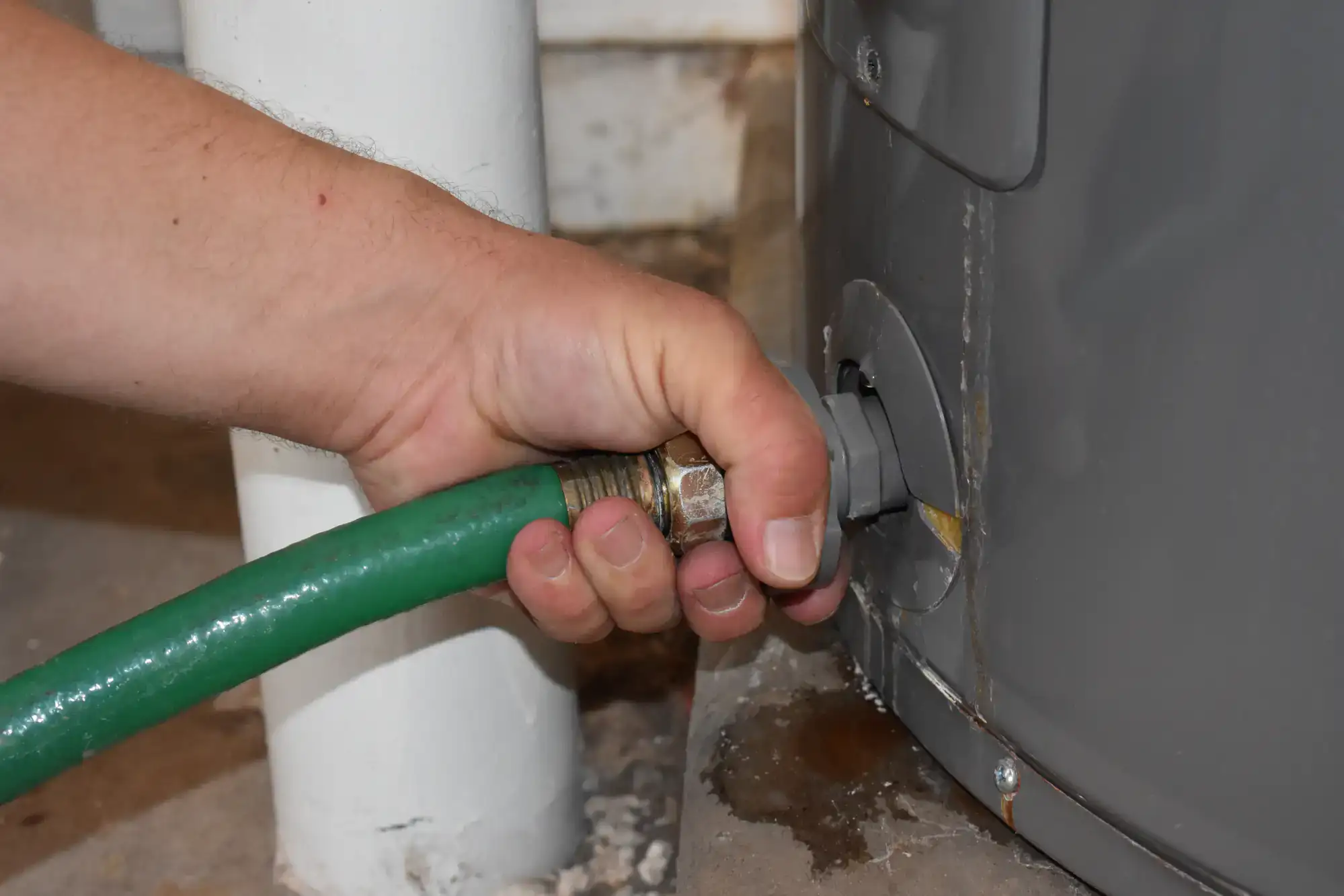
It starts with a call. You describe what’s happening no hot water, a leak under the tank, a unit that’s been making noise for months and we give you a real estimate before anyone drives out. Not a range so wide it’s useless. A number you can actually plan around.
When our technician arrives, the first thing they do is assess your current setup. In North Sacramento, that often means checking for older gas line configurations, evaluating whether the existing venting meets current California Plumbing Code, and confirming the unit is properly seismically strapped a requirement specific to California that not every contractor handles correctly. If there are any code upgrades required, you’ll know about them before the work starts, not after.
From there, the old unit comes out and the new one goes in. Most standard replacements are done in under two hours. The permit gets pulled, the work gets inspected, and you get documentation confirming everything is up to code. If you’re a SMUD customer and your home is a candidate for a heat pump water heater conversion, we’ll walk you through the rebate options up to $4,000 back before you commit to anything.

Ready to get started?
Not every home in North Sacramento is set up the same way, and not every water heater replacement is the same job. A 1950s ranch home in Richardson Village with original gas lines has different requirements than a more recently updated property near El Camino Avenue. What you need depends on your household size, your current fuel source, your home’s infrastructure, and your budget and that’s exactly the conversation we have before recommending anything.
If you’re replacing a standard tank unit, most replacements in North Sacramento run between $1,200 and $3,500 depending on the size of the unit, the complexity of the installation, and whether any code upgrades are needed. Tankless water heaters carry a higher upfront cost but deliver real long-term savings, especially in a household with high hot water demand. For SMUD customers considering a gas-to-electric heat pump conversion, that rebate of up to $4,000 can make a higher-efficiency system genuinely accessible.
Every installation we complete includes permit procurement, a post-installation inspection, proper seismic strapping per California code, and manufacturer-certified installation to keep your warranty fully intact from day one. You’re not just getting a new water heater you’re getting one that’s installed correctly, documented, and built to last in the specific conditions your home deals with every day.
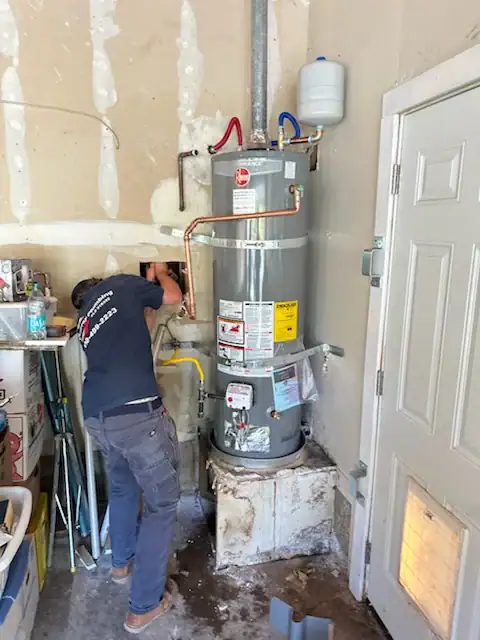
Yes and this isn’t optional. Under California Plumbing Code Section 502.1, a permit is required for every water heater replacement in Sacramento County, including all of North Sacramento. That applies whether you’re replacing a tank unit, switching to tankless, or converting to a heat pump system. After the work is done, a licensed inspector signs off to confirm everything meets current code.
This matters more than most homeowners in North Sacramento realize. If a water heater is installed without a permit and something goes wrong a leak, a fire, water damage your homeowner’s insurance company has grounds to deny the claim. It can also surface during a home sale and complicate or kill the transaction. We pull the required permit on every job as a standard part of the process, not an add-on. You shouldn’t have to ask.
For most homes in North Sacramento, a standard tank water heater replacement runs between $1,200 and $3,500. Where you land in that range depends on the size of the unit, whether any code upgrades are needed, and the complexity of the installation. Older homes especially those built in the 1950s and 1960s in neighborhoods like Richardson Village and Noralto sometimes require venting updates or gas line adjustments to meet current California code, which can affect the final cost.
If you’re a SMUD customer considering a gas-to-electric heat pump water heater, the upfront cost is higher but SMUD currently offers rebates of up to $4,000 for qualifying conversions, which changes the math significantly. Heat pump water heaters also use roughly 75% less energy than a standard electric unit, so the long-term savings are real. We’ll give you a clear estimate before any work begins, and the final bill reflects what was quoted sometimes coming in lower.
The honest answer is that it depends on the age of the unit and what’s actually wrong with it. If your water heater is under eight years old and the issue is a faulty thermostat, a bad heating element, or a worn anode rod, a repair often makes sense. But if the unit is ten years or older which is common in North Sacramento’s older housing stock and it’s leaking from the tank itself, running inefficiently, or making persistent rumbling sounds from sediment buildup, replacement is almost always the better financial decision.
North Sacramento’s hard water accelerates that sediment buildup faster than average. A water heater that might last 12 years in a softer-water market may be functionally done at 9 or 10 years here. Continuing to repair a unit that’s past its useful life means paying for short-term fixes on a system that will need full replacement soon anyway. A Murray Plumbing technician will tell you honestly which direction makes more sense for your specific unit not just what generates a bigger job.
For a straightforward tank-to-tank replacement, most jobs are completed in under two hours. Our technician removes the old unit, installs the new one, confirms all connections are secure, checks for proper venting and seismic strapping per California code, and runs the system to make sure everything is working before leaving.
Where jobs take longer is when older homes in North Sacramento present unexpected conditions corroded water supply lines, outdated gas connections, or venting that doesn’t meet current California Plumbing Code standards. This is more common in North Sacramento than in newer parts of the Sacramento area, given the age of the housing stock in neighborhoods like Noralto and Old North Sacramento. If any of those conditions exist, you’ll know about them before the work starts so there are no surprises mid-job. We keep fully stocked trucks, which means most situations can be addressed the same day without a return visit.
For the right home, yes but it’s not the right answer for everyone. Tankless water heaters heat water on demand rather than keeping a full tank hot around the clock, which translates to real energy savings over time. For households in North Sacramento with high hot water demand larger families, multiple bathrooms, frequent laundry the efficiency gains add up meaningfully on a monthly utility bill.
The tradeoff is a higher upfront cost and, in some older North Sacramento homes, the need for infrastructure upgrades. A tankless gas unit requires a larger gas line than most older homes currently have, and an electric tankless unit may require a panel upgrade. These aren’t dealbreakers, but they’re real costs to factor in. If your home’s existing setup can support a tankless unit without major modifications, it’s often worth the investment. If it can’t, a high-efficiency tank unit may deliver better value for your situation. We’ll tell you which one actually fits your home before recommending anything.
It does and it’s one of the more overlooked factors in this part of Sacramento. The water supply in North Sacramento, drawn largely from the American River and local groundwater, runs at roughly 15 grains per gallon classified as very hard. Homes on the north side of the American River tend to experience harder water than those on the south side, and that mineral content settles inside your water heater tank over time as sediment.
That sediment layer sits between the burner and the water, forcing the unit to work harder to reach temperature. You’ll notice it as longer heat-up times, a rumbling or popping sound when the unit runs, and a gradual increase in your energy bill. Over time, it physically damages the tank lining and accelerates corrosion. A water heater that the manufacturer rates for 12 years may realistically reach the end of its useful life at 9 or 10 years under North Sacramento’s water conditions. If you’re already hearing those sounds or seeing efficiency drop, it’s worth having the unit assessed before it fails on you completely.