
Frozen Pipe Services
Get a free quote for frozen pipe services from your local plumbing team.
We’ll contact you about your frozen pipe services request. Privacy policy
Hear from Our Customers
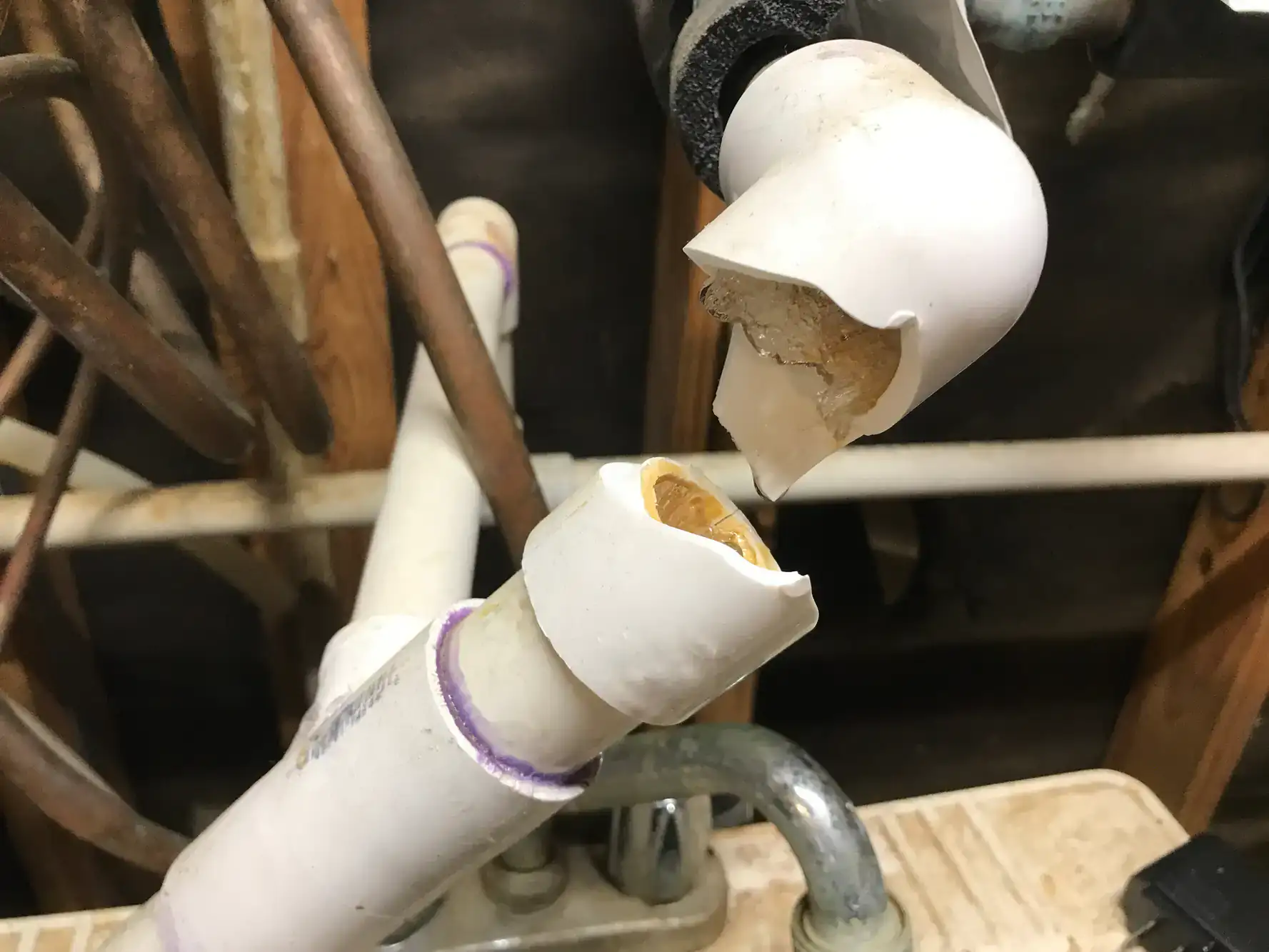
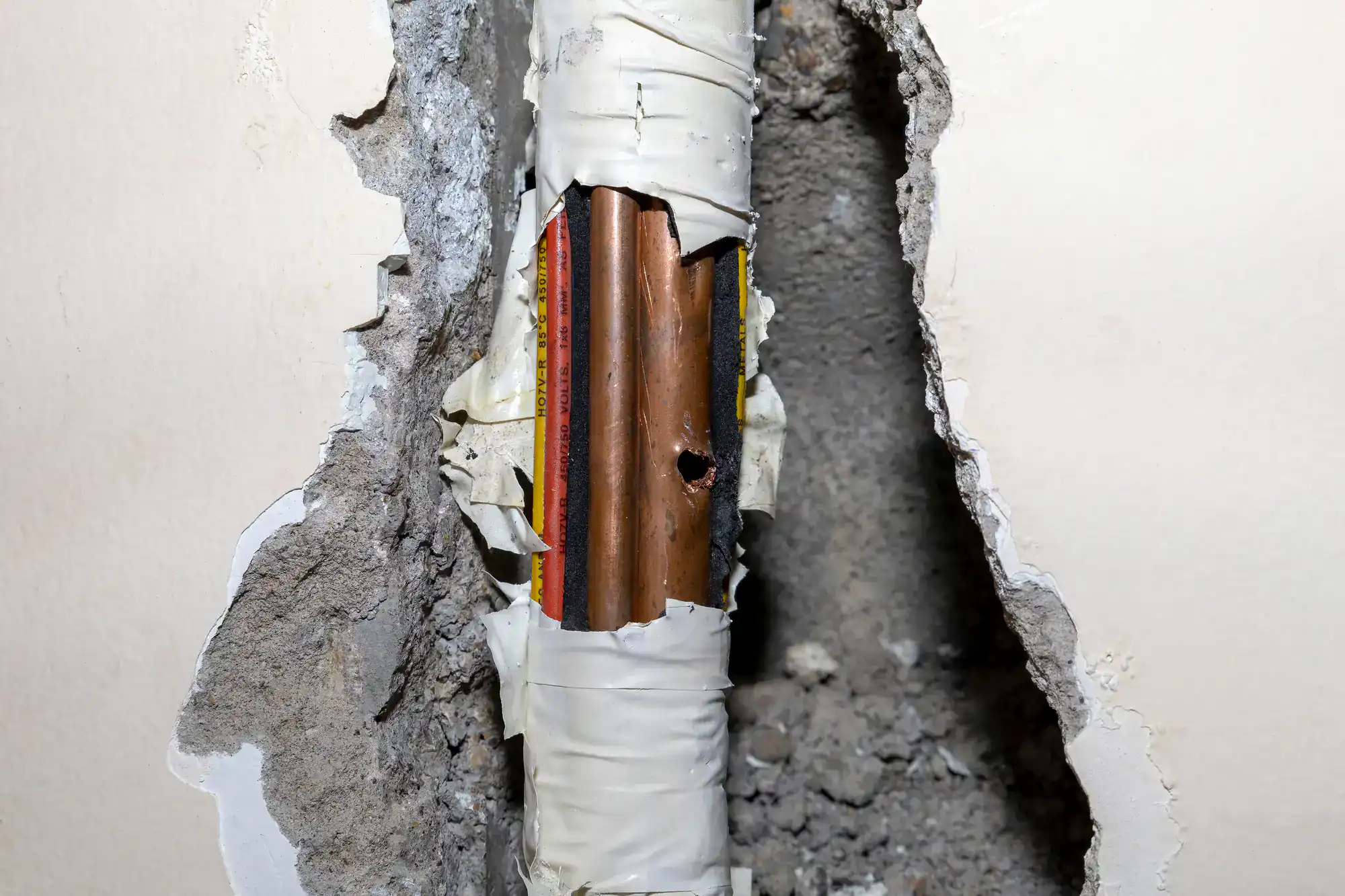
Here’s what most Elverta homeowners don’t realize until it’s too late: the pipe freezing isn’t the expensive part. It’s the water that follows. A burst pipe left running for even a few hours can cause tens of thousands of dollars in damage to flooring, drywall, and foundation and in a 1980s ranch home with a vented crawl space, that water has nowhere to go but up into your living space.
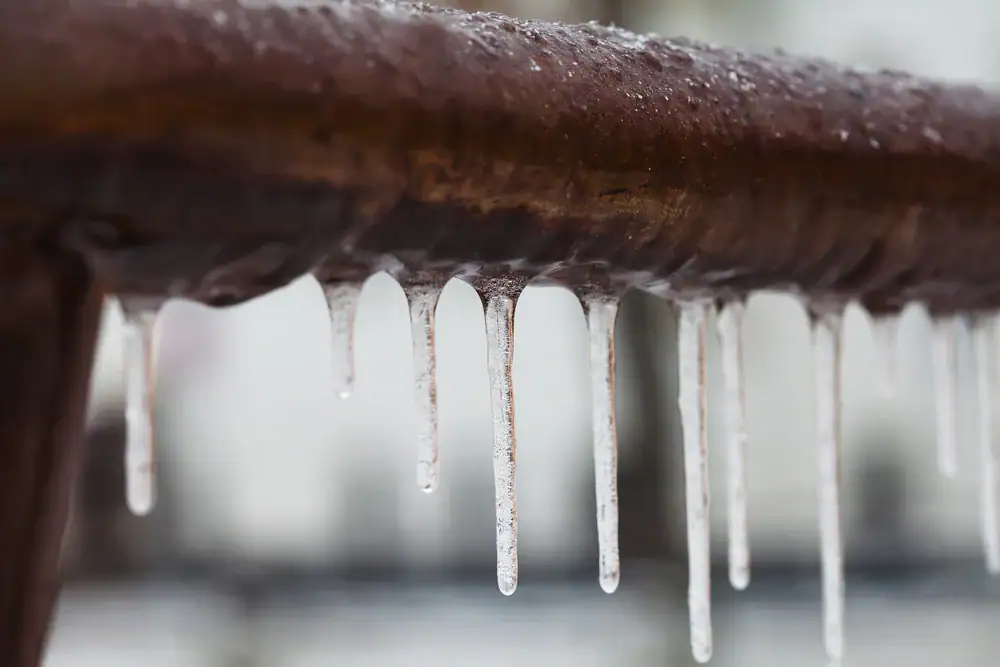
Elverta’s freeze risk is easy to underestimate because winters here are generally mild. But the Sacramento Valley floor loses heat fast on clear, calm nights the kind of radiation frost events the National Weather Service warns about every December through February. Your pipes don’t need a week of hard freezing to burst. One night in the low 30s inside an unheated crawl space is enough.
On top of that, Elverta’s large-lot properties mean longer water line runs from the street to the home, more pipe exposed to ambient cold, and in many cases detached structures garages, barns, workshops with their own water connections that never see heat all winter. When you call us, you’re getting a team that already understands what your property looks like before we pull into the driveway.
We’ve been working in Sacramento County for over 24 years, and that means we’ve been inside the crawl spaces of the same 1980s ranch homes that line the country roads off Elverta Road long before most homeowners in this area even knew what a freeze warning meant for their plumbing. We know Elverta’s properties the older copper or galvanized pipe, the long service line runs to detached structures, the uninsulated water connections serving barns and workshops on large agricultural lots.
We’re not a franchise dispatching someone from a call center. When you call, you reach a real person. When a technician shows up, they know what they’re looking at because they’ve been looking at it for two decades throughout Elverta and the surrounding region. We’ve seen all of it, and we’ve fixed all of it.
Our 4.7 out of 5 Google rating from 93 reviews didn’t come from marketing it came from customers who noted that we showed up when we said we would, explained what we found, and charged what we quoted. Sometimes less.
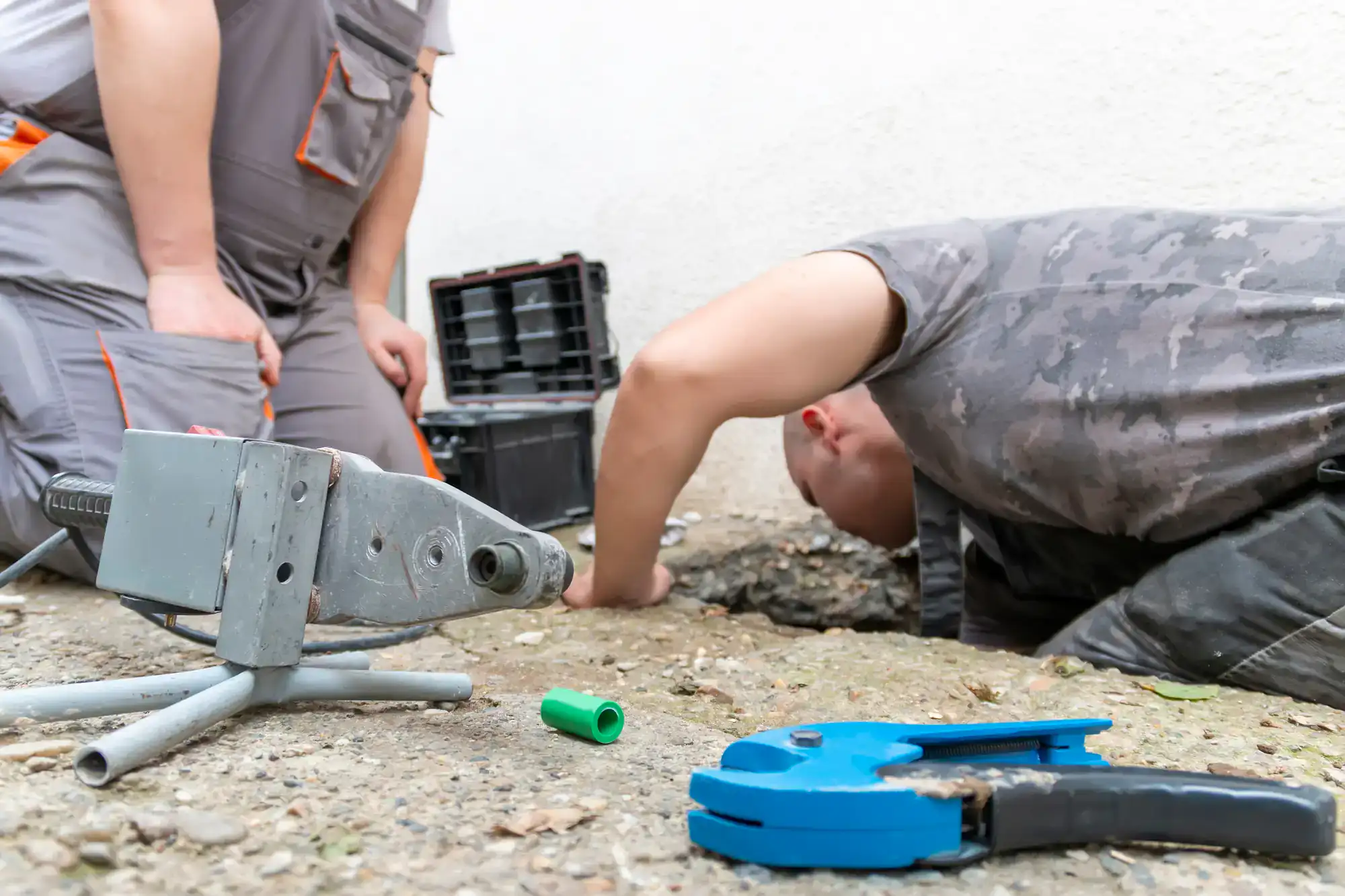
When you call us with a frozen or burst pipe in Elverta, the first thing we do is help you stop active water flow before we even arrive. If your main shutoff is inside the home, we’ll walk you through it. If the shutoff is at the meter which your Rio Linda/Elverta Community Water District connection feeds into we’ll tell you exactly what to do. Stopping the water early is the single biggest thing you can do to limit damage, and we’re not going to make you wait until we’re on-site to get that information.
Once we arrive, we locate the frozen or burst section whether that’s in a crawl space, along a long service run to a detached structure, or somewhere in the main line and assess the full scope before any work begins. You’ll know what we found, what it’ll take to fix it, and what it’ll cost before we start. Frozen pipe thawing with no burst runs between $350 and $750. Burst pipe repair with cleanup runs $750 to $2,500. If it’s after hours, expect an additional $200 to $500 for the emergency premium. No surprises.
After the repair, we test the full system not just the section we worked on. Pipes that have experienced a hard freeze can develop stress fractures that don’t show up immediately. Because Elverta falls under Sacramento County’s jurisdiction, any permitted repair work is handled through the County’s Department of Community Development, and we pull those permits on your behalf when required. You won’t have to figure that part out on your own.
Ready to get started?
Our frozen pipe service isn’t just about the pipe itself. When we come out to an Elverta property, we handle the complete scope in a single visit: thawing the frozen section, repairing or replacing any burst pipe, extracting standing water if it’s reached the floor or subfloor, testing the full system under pressure, and walking you through what to do before the next freeze warning rolls through.
For Elverta’s ranch-style homes, that full-system walkthrough matters more than most people expect. Vented crawl spaces, original 1980s copper or galvanized pipe, and long outdoor runs to agricultural outbuildings near Gibson Meadows or Quail Ranch are all conditions that can hide secondary vulnerabilities a quick patch-and-leave job would miss entirely. We look at the whole picture.
We’re also licensed under California’s C-36 plumbing contractor classification, which means we meet the state’s requirements for any repair over $500 in combined labor and materials the threshold that applies to most frozen and burst pipe jobs in Sacramento County. If your homeowners insurance covers the water damage portion of the claim (most standard policies do cover sudden water damage, though not the pipe replacement itself), we can document what we found and help you understand what to report when you call your carrier. The faster the damage is stopped and documented, the cleaner the claim.
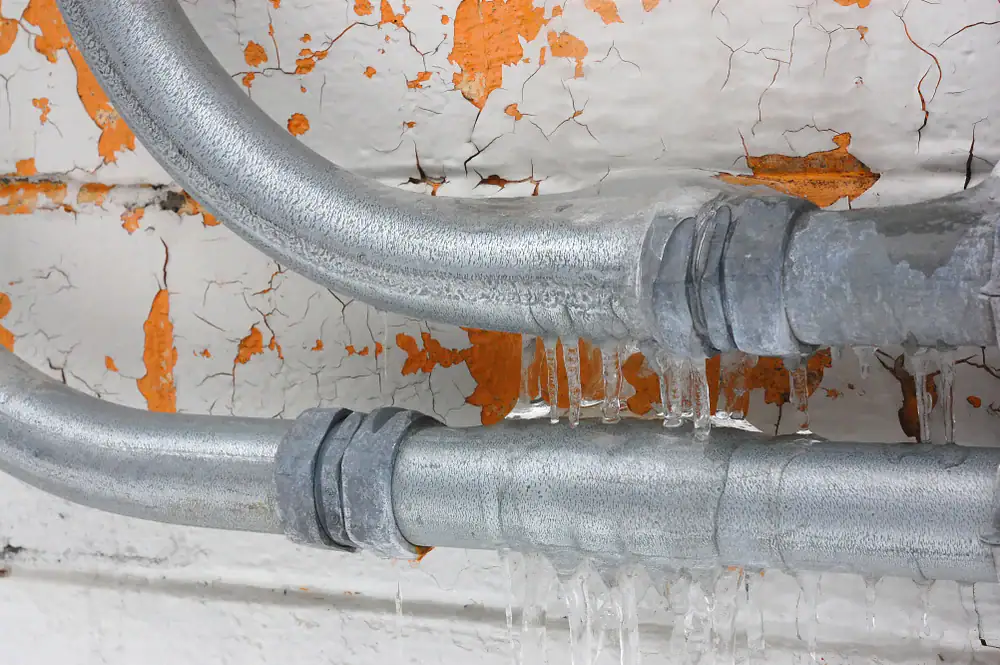
It’s a fair question Elverta’s winters are mild compared to the foothills or the mountains, and most years the daytime temperatures stay comfortable well into December. But the freeze risk here is real, and it’s specific to how the Sacramento Valley loses heat at night. On clear, calm winter nights, the valley floor radiates warmth upward with nothing to trap it. Temperatures that were in the 50s at sunset can drop to 29 or 30 degrees by 4 a.m. and your pipes don’t know the forecast called for a mild winter.
The most vulnerable spots in Elverta homes are the pipes running through unheated crawl spaces, which are standard construction in the 1980s ranch homes that dominate this area, and any water lines serving detached structures like garages, barns, or workshops. Those spaces can drop to ambient outdoor temperature quickly on a cold night. The National Weather Service issues freeze warnings for the Sacramento Valley every winter season, typically between December and February, and those warnings are the signal that your plumbing is at risk not just your garden.
The cost depends on where the pipe is, how much of it needs to be replaced, and whether there’s water damage that needs to be extracted before the repair can be completed. For a straightforward frozen pipe with no burst, our range is $350 to $750. If the pipe has burst and there’s cleanup involved, that range moves to $750 to $2,500. Emergency after-hours calls the kind that come in after a Sacramento Valley freeze warning overnight carry an additional premium of $200 to $500.
Those numbers are given upfront, before any work starts. That’s not a common practice in this market most plumbers in the Sacramento area won’t publish pricing at all, let alone give you a range before they’ve even seen the job. What’s also worth knowing is that our final invoices have come in below the original estimate on more than a few jobs. If the repair turns out to be less involved than the initial assessment suggested, that gets reflected in what you pay.
Call the plumber first. This is the step most homeowners get backwards, and it ends up costing them more in the long run. When a pipe bursts, every minute of active water flow adds to the total damage and the total damage is what your insurance claim is based on. Stopping the water as fast as possible is the most important thing you can do, and that requires a plumber on the line, not an insurance agent.
Once the water is stopped and the repair is underway, then you call your carrier. Standard homeowners insurance policies in California typically cover sudden water damage the flooring, drywall, and personal property affected by the burst but they generally do not cover the cost of replacing the pipe itself. That distinction matters when you’re filing the claim. We can document what was found, what caused it, and what was repaired, which gives your insurance adjuster exactly what they need to process the damage portion of your claim cleanly.
In Elverta specifically, the highest-risk locations are crawl spaces, detached structures, and any outdoor or above-ground pipe sections on large agricultural lots. The 1980s ranch homes that make up most of Elverta’s housing stock were built with vented crawl spaces beneath the floor those vents let cold air circulate freely underneath the home, and any water supply pipe running through that space is directly exposed to overnight temperatures during a freeze event.
Detached garages, barns, and workshops are the next most vulnerable. These structures almost never have heat, and if they have a water connection for a utility sink, a hose bib, or an animal watering station that pipe is exposed to whatever temperature the building drops to overnight. On large lots like those common throughout Elverta and the areas near Gibson Ranch County Park, water lines can also run significant distances between structures, giving cold air more surface area to work with. Outdoor hose bibs that weren’t drained before winter are another common culprit.
We offer genuine 24/7 emergency service not a voicemail that gets returned the next morning, and not a call center that schedules you three days out. When you call after a Sacramento Valley freeze warning, a real person picks up. Response times vary depending on how many calls are coming in during a regional freeze event, but same-day service is the standard, and in many cases a technician is on-site within hours of the initial call.
This matters more in Elverta than it might in a denser urban area because the damage window is short. A burst pipe in a crawl space under a ranch home can flood the subfloor in a matter of hours. The longer it runs, the more it costs both in repair and in the water damage claim that follows. Fast response isn’t just a convenience here. For a home with a median value pushing $555,000, it’s a direct financial protection.
Yes and this is actually one of the more common calls we get from Elverta properties. Rural lots throughout this area often include detached structures with their own water connections: barns, workshops, equestrian facilities, and outbuildings that were plumbed at some point but never insulated for winter. These structures are almost always unheated, and during a Sacramento Valley freeze event, the pipes inside them are among the first to go.
The repair process for a detached structure is the same as for the main home we locate the frozen or burst section, assess the full scope, give you a cost before starting, and test the system after the repair is complete. Because Elverta is unincorporated Sacramento County, all permitted work falls under Sacramento County’s Department of Community Development regardless of whether it’s in the main house or a detached outbuilding on the same parcel. We handle the permit process when it’s required, so you don’t have to navigate the County’s system in the middle of an emergency.