
Frozen Pipe Services
Get a free quote for frozen pipe services from your local plumbing team.
We’ll contact you about your frozen pipe services request. Privacy policy
Hear from Our Customers
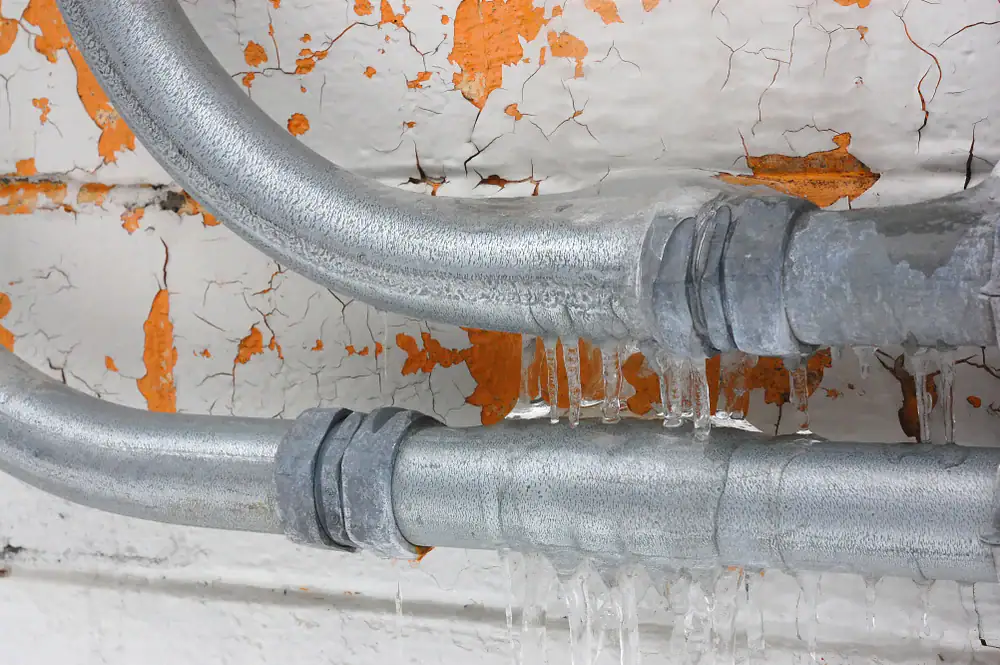
A frozen pipe doesn’t announce itself the night before. In Shingle Springs, it usually happens after one of those deceptive January days warm enough in the afternoon that you didn’t think twice, then cold enough overnight to freeze an uninsulated section in your crawl space or garage wall. By morning, there’s no water pressure, or worse, water running somewhere it shouldn’t be.
Getting that resolved quickly isn’t just about convenience. Every hour of active water flow from a burst pipe adds to the damage and to your repair bill. One inch of standing water can cause $25,000 in structural damage. A fast response doesn’t just fix your plumbing; it limits what this event costs you overall.
Shingle Springs homes built before 1990 and a significant portion of the housing stock here was often have copper or galvanized pipe in locations that were never properly insulated for the freeze-thaw cycles this elevation produces. If you’re also on a private well, the risk extends to your pressure tank and well line, which are frequently the first things to go. Our technicians know how to assess the full picture, not just the section that failed first.
We’ve been serving El Dorado, Sacramento, and Placer County for over 24 years. That’s not a marketing number it means our technicians showing up to your Shingle Springs property have seen the specific freeze patterns this foothill corridor produces, the older housing stock along South Shingle Road, and the acreage properties where outbuildings freeze before the main house does.
The reviews back it up. We hold a 4.7 out of 5 rating on Google based on 93 verified reviews, with consistent feedback around on-time arrivals, professional technicians, and final invoices that sometimes come in under the original estimate. That last part matters it’s rare, and customers notice.
Every job starts with a written estimate before any work begins. You know your number before a single pipe gets touched. That’s how it should work, and that’s how we work.
When you call, the first thing that happens is a real conversation not a voicemail, not a callback form. You describe what you’re seeing, and we give you an honest read on urgency and a same-day arrival window. During peak freeze periods in December through February, response times are prioritized because every plumber in El Dorado County gets calls at once being available around the clock is what makes the difference.
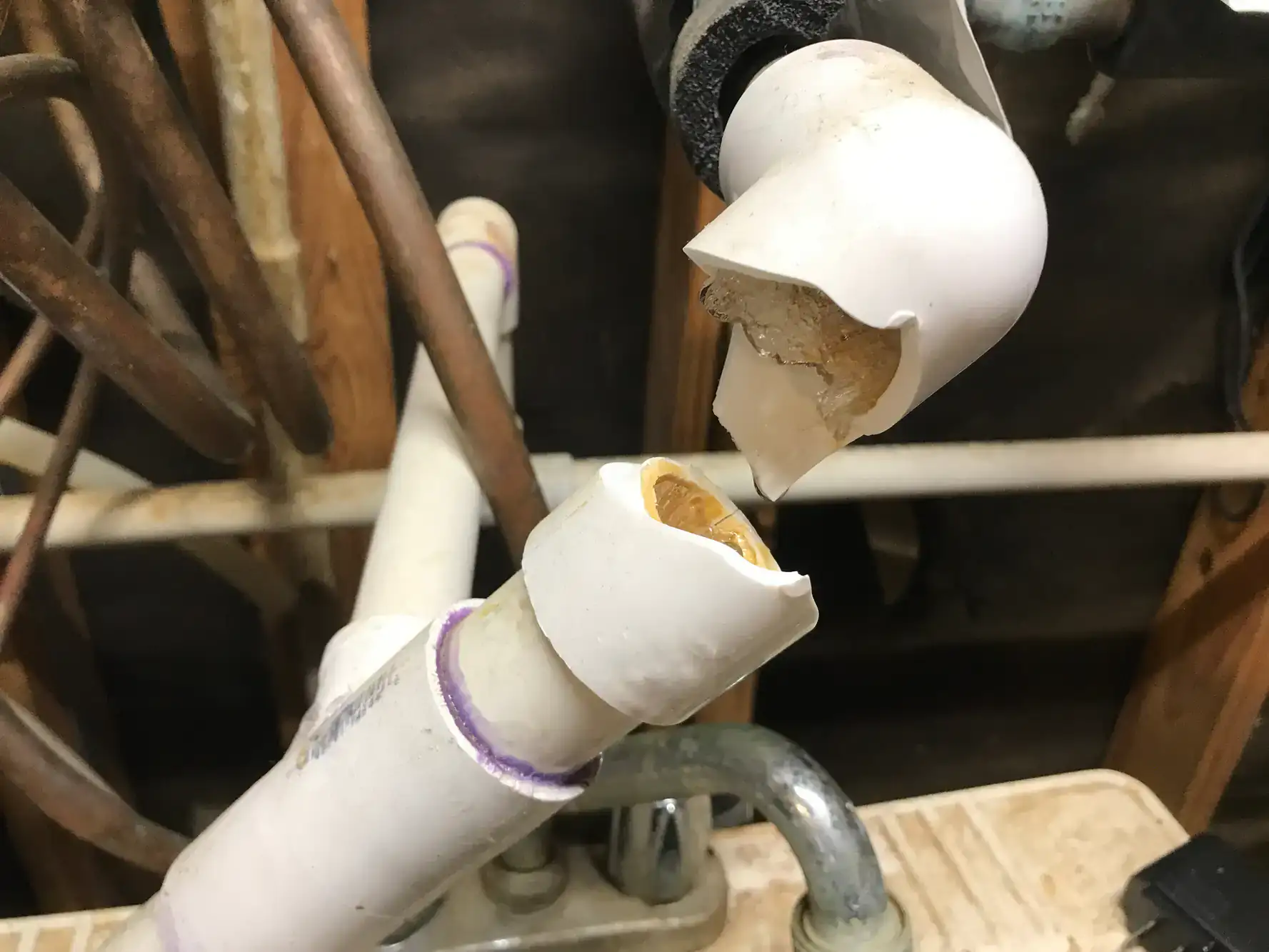
Once on-site, our technician’s first move is stopping active damage. If a pipe has already burst, the water gets shut off immediately to limit what’s already happening to your walls, flooring, or crawl space. From there, the frozen section is located and thawed using professional-grade equipment not a heat gun from a hardware store. Any burst or cracked sections are repaired or replaced, and the full system is tested before we leave.
Because Shingle Springs is an unincorporated community in El Dorado County, permitted plumbing work goes through the El Dorado County Building Department rather than a city office. We handle that process and are fully licensed under California’s C-36 Plumbing Contractor requirements which matters if you ever need to document the repair for insurance or a future home sale. Before the job closes, you’ll also get straightforward guidance on what to do differently before the next cold snap, whether that’s insulating a crawl space, adding heat tape to an exposed line, or protecting an outbuilding that’s at higher risk.
Ready to get started?
Frozen pipe repair in Shingle Springs isn’t always a single-line fix. Larger acreage properties, detached structures, and homes on private well systems can mean multiple freeze points across the property and a plumber who only addresses the most visible symptom leaves you exposed to the next failure. Our service covers the complete scope: locating the freeze, thawing the affected section, repairing or replacing any burst pipe, extracting standing water where needed, and testing the full system before we leave.
Pricing is transparent and given upfront. Basic pipe thawing with no burst runs $350 to $750. Burst pipe repair with minor damage typically falls between $750 and $1,500. More extensive repairs involving water damage to surrounding materials run $1,500 to $2,500 or more, depending on scope. Emergency after-hours calls carry an additional $200 to $500 premium that’s disclosed before our technician rolls, not added to the invoice afterward.
For Shingle Springs homeowners dealing with water damage beyond the pipe itself, we can help you document what happened before you call your insurance company. Most homeowners policies cover sudden water damage from a burst pipe but the sooner the water is stopped and the damage is recorded, the stronger your claim. That’s a practical advantage of calling a licensed plumber first rather than waiting to sort out coverage.
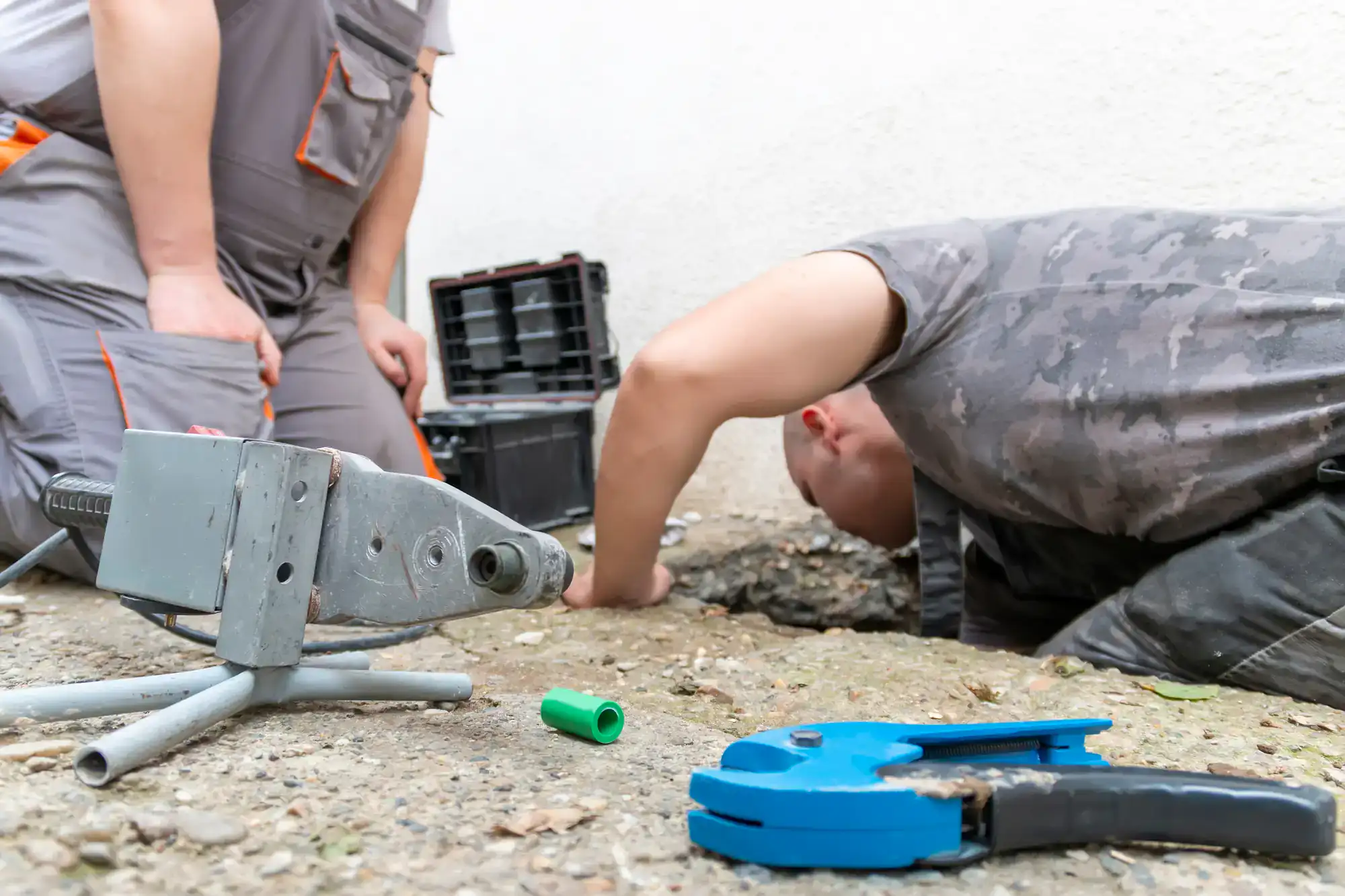
It comes down to elevation. Shingle Springs sits at roughly 1,417 feet in the Sierra Nevada foothills significantly higher than the Sacramento Valley floor. That elevation difference means colder overnight temperatures, more frequent frost events, and a freeze-thaw cycle that repeats throughout winter in a way that flat-valley homes rarely experience.
The other factor is the housing stock. A large share of homes in Shingle Springs were built around 1981 or earlier, before modern pipe insulation standards were common. Pipes in crawl spaces, exterior walls, and garages in those homes were often installed without the insulation that would be standard today. When you combine older construction with foothill temperatures that can drop into the mid-20s on a January night, the freeze risk is real and annual not a once-in-a-decade event.
The cost depends on what you’re dealing with when our technician arrives. If the pipe is frozen but hasn’t burst, thawing and inspection typically runs $350 to $750. If there’s a burst with minor surrounding damage, expect $750 to $1,500. More extensive repairs where water has reached walls, flooring, or a crawl space can run $1,500 to $2,500 or higher depending on how much material needs to be addressed.
Emergency calls outside of normal business hours carry an additional $200 to $500 premium, which is standard across the industry. What sets us apart is that all of this is communicated in a written estimate before any work begins. You’re not finding out the number after the fact. For Shingle Springs homeowners on well water, keep in mind that well line or pressure tank repairs may add to the scope those components are assessed on-site and priced separately if needed.
The first thing to do is locate your main water shutoff and be ready to close it fast. If the pipe has already burst and water is actively flowing, shut it off immediately every minute matters when it comes to limiting damage to floors, walls, and insulation.
If the pipe is frozen but hasn’t burst yet, you can try opening the faucet on the affected line to relieve pressure as it thaws. Never use an open flame to thaw a pipe it’s a fire hazard and can crack the pipe from thermal shock. A hair dryer on low heat directed at an accessible section can help, but if the frozen section is inside a wall, in a crawl space, or in an outbuilding, that’s not a DIY situation. Call a plumber. In Shingle Springs, where many properties have exposed plumbing in detached structures or uninsulated crawl spaces under older homes, the frozen section is often in a location that requires professional equipment to safely reach and thaw.
Most standard homeowners insurance policies cover sudden and accidental water damage from a burst pipe including the cost to repair or replace damaged flooring, drywall, and insulation. What they typically don’t cover is the cost of the pipe repair itself. That’s considered a maintenance issue, and it comes out of pocket.
The most important thing you can do to protect your claim is act fast. The longer water runs after a burst, the more damage accumulates and insurance companies look at the timeline when evaluating claims. Calling a licensed plumber immediately, stopping the water, and documenting the damage before cleanup begins puts you in the strongest position. We’re fully licensed under California’s C-36 requirements, which means the repair is documented and defensible if your insurer asks for it. Given that the average water damage claim in this category exceeds $30,000, having that paperwork in order matters.
Shingle Springs sits directly on Highway 50, which is the same corridor our service teams use to reach El Dorado County properties. Same-day service is the standard, and in many cases the response happens within a few hours of the initial call. During peak freeze periods typically December through February call volume spikes across the entire foothill region, which is exactly why 24/7 availability matters. A plumber who doesn’t answer at 6 a.m. on a frozen Tuesday morning isn’t actually available for emergencies.
For properties further off the highway on rural roads, gated acreage lots, or in areas like Sierra View Estates arrival time may vary slightly depending on conditions, but the commitment to same-day response holds. If you call and describe an active burst, that call is treated as urgent and dispatched accordingly. The goal is always to get to you before the damage compounds.
Yes, and the most effective prevention steps are straightforward. The highest-risk locations in Shingle Springs homes are crawl spaces under older construction, pipes in unheated garages, exterior wall cavities in homes built before modern insulation codes, and any plumbing in detached structures like barns, workshops, or guest quarters. Those are the areas worth addressing before winter hits.
Pipe insulation sleeves on exposed lines are inexpensive and effective. Heat tape on particularly vulnerable sections especially in crawl spaces where temperatures can drop well below the 22°F threshold where pipes typically begin to freeze adds another layer of protection. For properties on private well systems, insulating the well house or pressure tank enclosure is often the single most impactful step. If you’ve had a freeze event before, our technician can walk you through what was missed and what’s worth addressing before the next cold snap. Shingle Springs gets roughly 15 to 20 nights below freezing each winter that’s enough repetition to make prevention a worthwhile investment rather than an afterthought.