
Hear from Our Customers
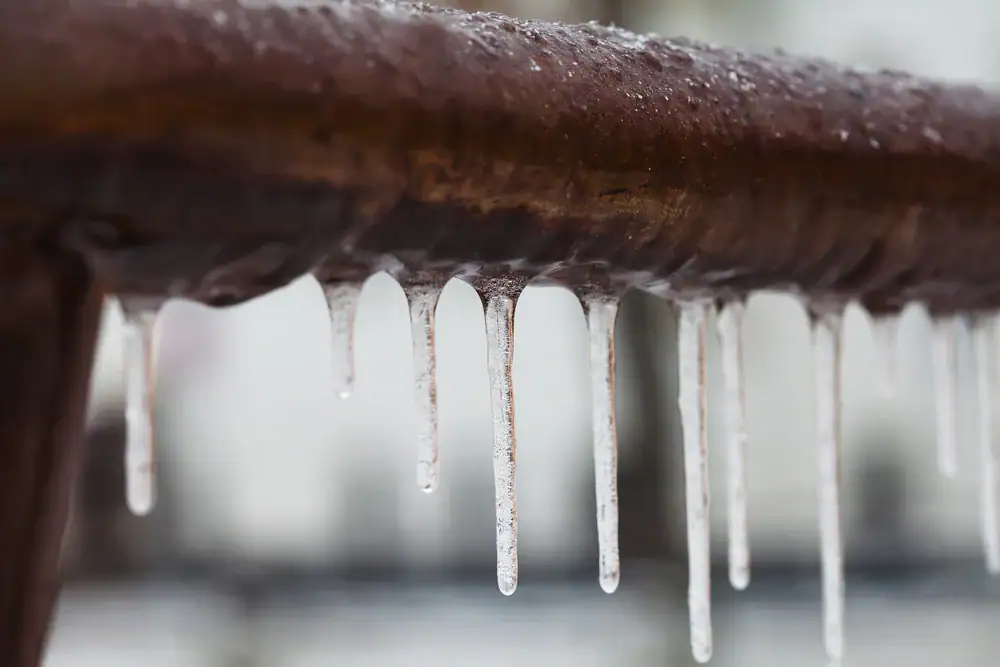
Folsom sits at the highest elevation in Sacramento County up to 831 feet near Carpenter Hill and that foothill position matters more than most homeowners realize. When cold air drains down from the Sierra Nevada overnight, your neighborhood can hit 27°F while Sacramento’s valley floor stays ten degrees warmer. That gap is exactly where pipes fail, especially in unheated garages, crawl spaces, and exterior walls that nobody thought to insulate because Folsom doesn’t feel like a mountain town.
The problem with waiting it out is that a pipe sitting at 20°F can burst within two to four hours. By the time you notice the pressure drop or hear something give, water is already moving through walls, subfloor, or insulation. One inch of standing water alone can cause $25,000 in damage. Fast frozen pipe repair isn’t just about fixing a pipe it’s about limiting what that pipe failure costs you.
What you actually want after this is over is simple: water pressure back, no hidden moisture left behind, and a clear answer on whether anything else is at risk. That’s what a complete service call looks like not just a patch, but a full check of the system before anyone packs up and leaves.
We’ve been serving El Dorado, Sacramento, and Placer Counties for over 24 years, which means we’ve worked through every cold snap this foothill corridor has thrown out. We know Empire Ranch, American River Canyon, Natoma Station, and the newer builds going up south of US-50 in Folsom Ranch. We understand how these neighborhoods are built, how their pipe systems age, and where freeze points show up first.
What sets us apart isn’t a tagline. It’s a 4.7 out of 5 Google rating from 93 real customers in this region, technicians who show up on time and treat your home like it matters, and a pricing model where you see the number before we touch anything. Several of our customers have noted the final bill came in under the original estimate that’s not something most plumbers can say honestly.
We’re a licensed C-36 California plumbing contractor, fully bonded and insured, which protects your home’s value and keeps your insurance coverage intact if a claim becomes necessary.
When you call, you reach a real person not a voicemail, not an answering service. We ask a few quick questions about what you’re seeing, where the issue seems to be, and whether water is actively flowing somewhere it shouldn’t be. If it is, we walk you through shutting off the main before we even dispatch, because stopping flow is the single fastest way to limit damage while we’re in transit.
Once on-site, we locate the frozen or burst section, assess the full pipe run for additional freeze points, and give you a written estimate before any work begins. For most Folsom homes whether it’s a copper-piped 1990s build in Willow Creek Estates or a newer PEX system in Broadstone the repair itself is straightforward once the problem is properly diagnosed. What takes time is making sure we haven’t missed anything. A pipe that looks fine under pressure can still have a hairline fracture that shows up two days later.
After the repair, we test the full system, check for moisture in adjacent areas, and give you a straight answer on what to do before the next cold snap. Any pipe replacement or rerouting work follows California Plumbing Code and City of Folsom building requirements we handle that paperwork so you don’t have to think about it.
Ready to get started?
Frozen pipe repair in Folsom covers more ground than most people expect when they first call. If the pipe is frozen but hasn’t burst, the service runs between $350 and $750 that includes locating the freeze point, thawing it safely, and confirming the line is clear and holding pressure. If it has already burst, repair with cleanup typically runs $750 to $2,500 depending on pipe location, access, and how much water has moved. Emergency after-hours calls carry an additional $200 to $500 premium, and the service call itself starts at $175. Every number is given to you upfront, in writing, before work begins.
For homeowners in the Folsom Ranch development south of Highway 50 many of whom are new to foothill winters we take time to walk through where your most vulnerable pipe runs are and what simple insulation steps can prevent a repeat call. New construction in that area often has PEX tubing, which handles freeze pressure better than copper, but garage-run lines and exterior hose bibs are still exposed without proper protection.
For older homes near the Historic District or along the American River Canyon corridor, aging copper or galvanized lines need a closer look after any freeze event. A pipe that survived this winter may not survive the next one without attention. We’ll tell you honestly what we see and what can wait versus what shouldn’t.
Yes and it catches a lot of homeowners off guard precisely because Folsom doesn’t feel like a cold-weather city. Average December lows hover around 40°F, which is mild enough that most people don’t think about winterizing. But Folsom’s position in the Sierra Nevada foothills, with elevations reaching 831 feet at Carpenter Hill, means cold air drainage events can push overnight lows into the mid-to-upper 20s during Arctic air intrusions while Sacramento’s valley floor sits ten degrees warmer on the same night.
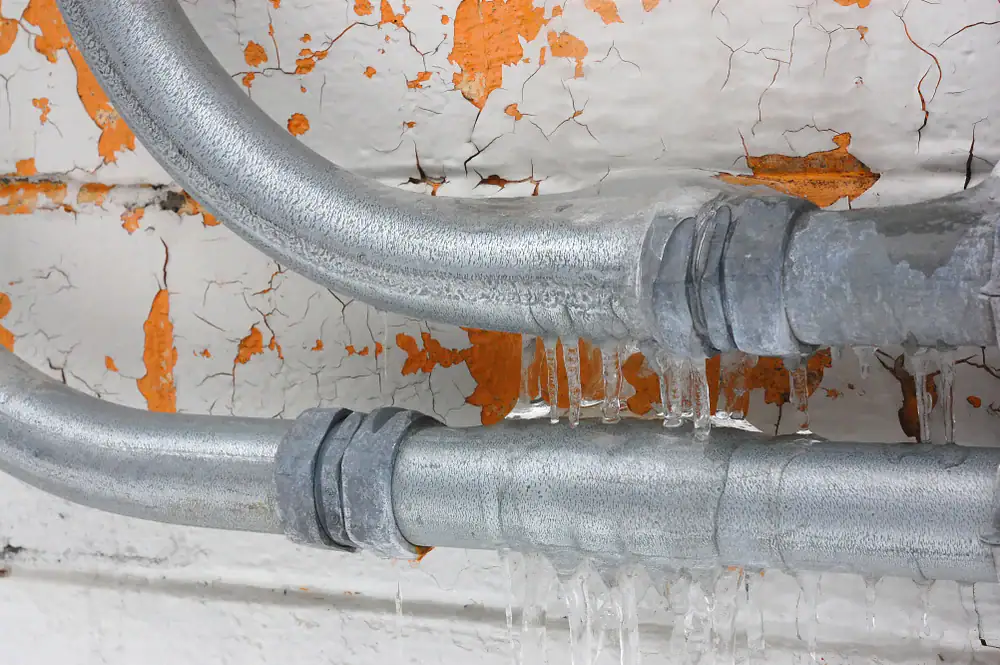
Pipes begin to freeze when temperatures drop to around 20°F, and at that point an unprotected pipe in an unheated garage or exterior wall can burst within two to four hours. The absence of snow in Folsom creates a false sense of security it’s sustained sub-freezing air temperature that causes pipe failures, not snowfall. If the forecast shows overnight lows below 30°F, your vulnerable pipe runs are already at risk.
The cost depends on whether the pipe has already burst or just frozen. If it’s frozen and intact, thawing and confirming the line typically runs $350 to $750. If it has burst and water has moved into surrounding areas, repair with cleanup usually falls between $750 and $2,500, depending on pipe location, how accessible the damaged section is, and how much water extraction is needed.
After-hours emergency calls which are common during Folsom’s overnight cold snaps when most freeze events are discovered at 5 or 6 in the morning carry an additional $200 to $500 premium. The service call itself starts at $175. All pricing is provided in writing before any work begins, so there are no surprises on the invoice. Several of our customers have noted their final bill came in under the original estimate, which is worth knowing when you’re already dealing with a stressful morning.
It’s a reasonable instinct, but it carries real risk. A pipe that’s frozen and under pressure isn’t just sitting still the ice inside is expanding, and the longer it stays frozen, the more stress builds on the pipe wall. If it’s going to burst, it often does so during the thaw cycle, not while frozen, because that’s when pressure shifts rapidly. Waiting means you may be standing next to a pipe when it lets go.
The other issue is that you usually can’t see the freeze point without getting into the wall, crawl space, or cabinet where the pipe runs. Applying heat to the wrong section or using an open flame, which is a common DIY mistake can cause secondary damage or miss the actual freeze location entirely. In Folsom homes where pipe runs go through unheated garages or along exterior walls in older American River Canyon builds, the freeze point is rarely where it looks like it should be. We can locate it accurately and thaw it safely without guessing.
In most cases, homeowners insurance covers the water damage caused by a burst pipe the flooring, drywall, subfloor, and personal property affected but it does not cover the cost of repairing or replacing the pipe itself. That distinction matters when you’re trying to figure out what to call first.
The right sequence is: call the plumber first to stop the water and begin repairs, then call your insurance company to document the damage and start the claim. Every minute of active water flow adds to the damage total and increases claim complexity. One important caveat: if the repair is done by an unlicensed contractor, your insurance company may deny the claim entirely. California requires a C-36 license for plumbing work over $500 in labor and materials, and using an unlicensed plumber on a Folsom home with significant equity is a risk that’s simply not worth taking.
Every Folsom neighborhood has some level of frozen pipe exposure during hard cold snaps, but the risk profile varies based on housing age and construction type. Older homes in the Historic District and established neighborhoods like American River Canyon and Los Cerros often have aging copper or galvanized pipe systems that have become more brittle over decades these are more likely to crack under freeze pressure than modern materials.
Homes in 1990s and early 2000s master-planned communities like Empire Ranch, Natoma Station, and Willow Creek Estates are primarily copper-piped, with the highest freeze risk concentrated in garage-run water lines and pipes along exterior walls. Newer builds in Broadstone and the Folsom Ranch development south of US-50 increasingly use PEX tubing, which handles freeze pressure more flexibly but garage lines, exterior hose bibs, and crawl space runs in those homes are still vulnerable without insulation. If you’ve moved into Folsom Ranch recently and haven’t experienced a foothill freeze before, those are the first places to check before temperatures drop.
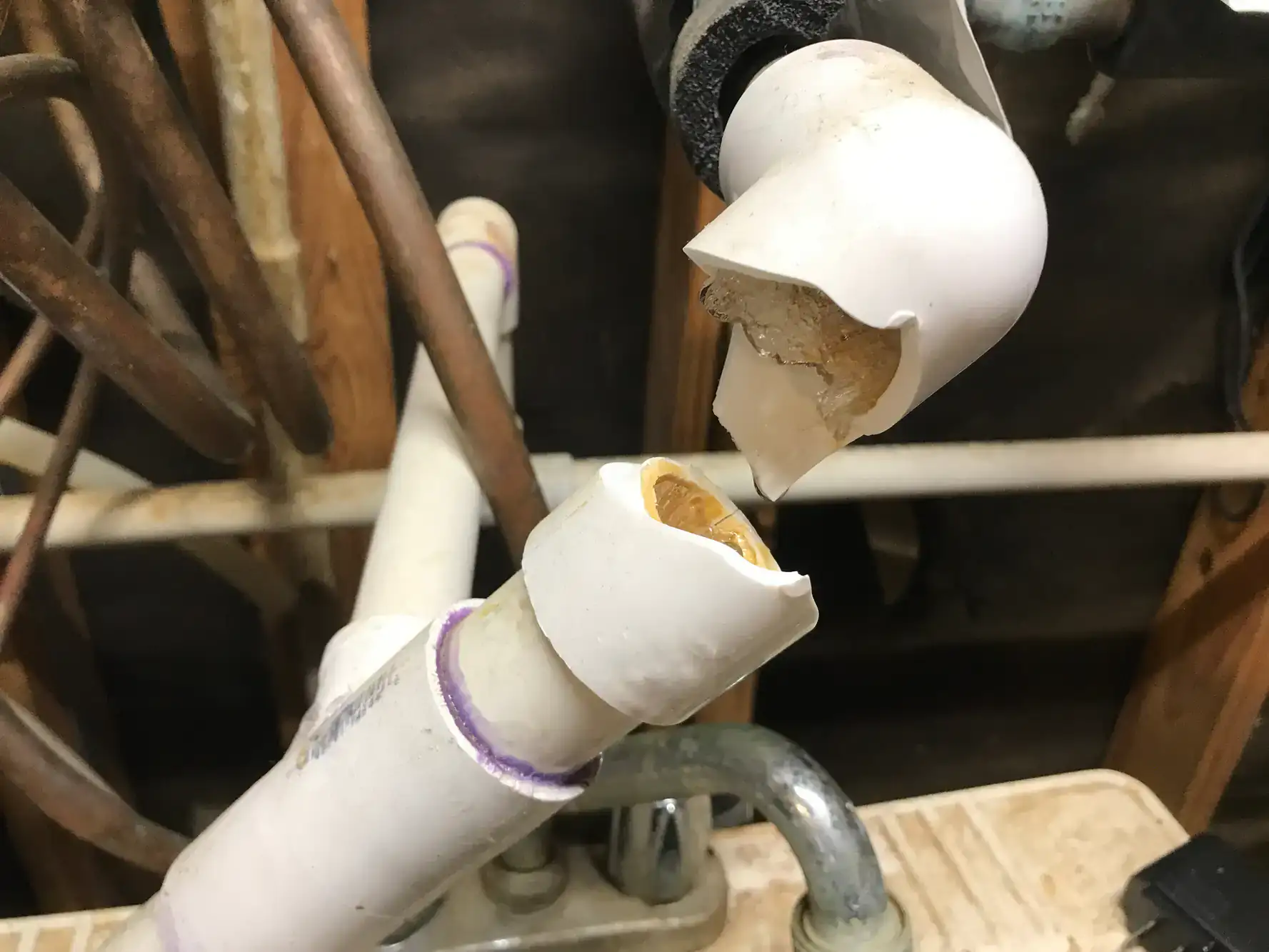
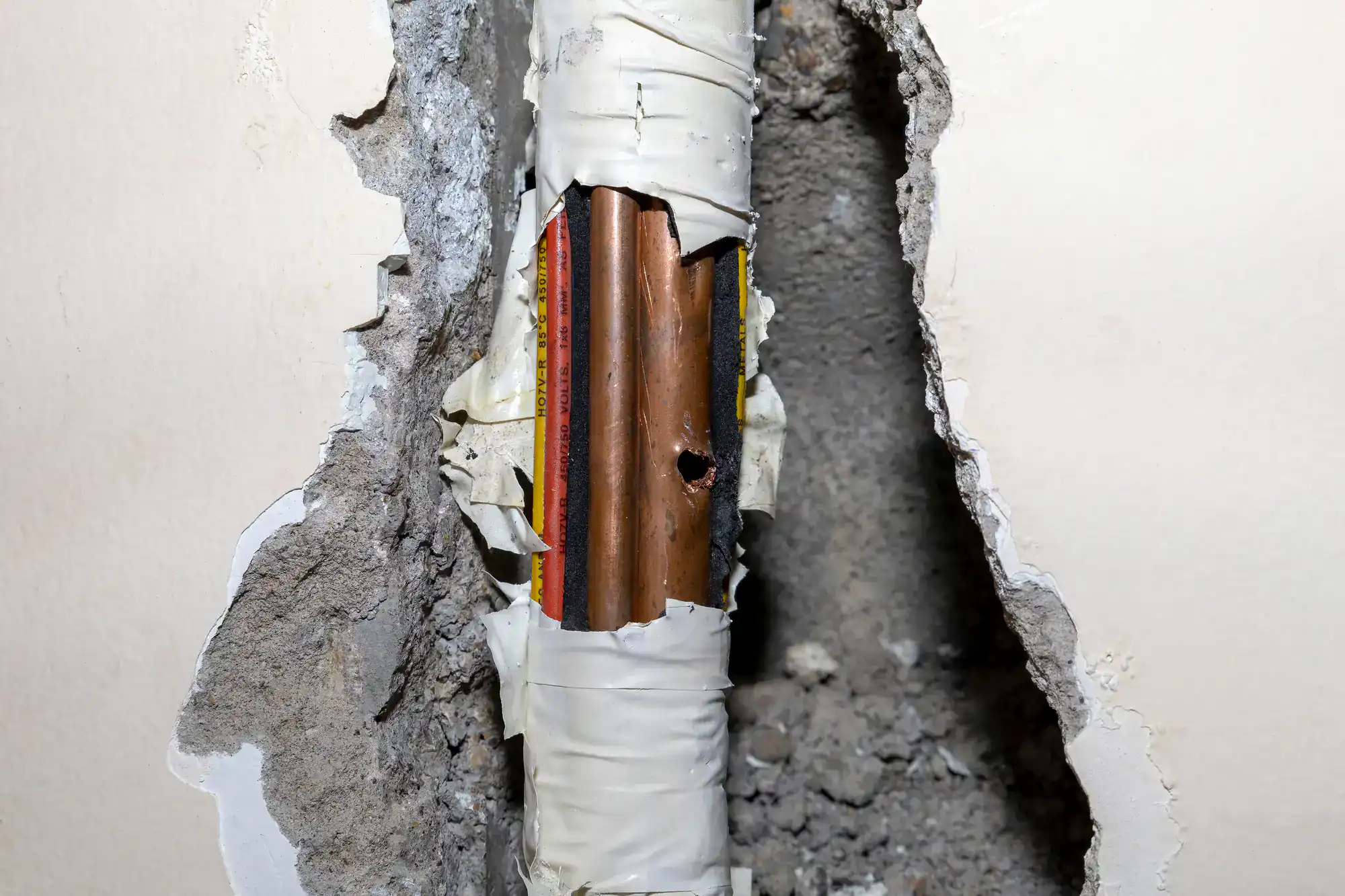
The clearest sign of a burst pipe is a sudden and complete loss of water pressure you turn on a faucet and nothing comes out, or what comes out is a trickle. A frozen pipe that hasn’t burst yet will show the same pressure drop, which is why the two can be hard to tell apart from the inside of your house. The difference shows up when you start looking closer: a burst pipe will often leave visible water on the floor of a cabinet, dripping from a ceiling, or pooling in a garage while a frozen pipe that’s still intact won’t show any moisture yet.
If you see water, shut off the main immediately and call for burst pipe repair right away. If you don’t see water but have no pressure and it’s been below freezing overnight, treat it as a potential burst until a plumber can confirm otherwise because the pipe may be frozen and intact now, but the burst can happen during the thaw. In either case, don’t run water or apply heat to the line yourself until the situation is properly assessed.