
Frozen Pipe Services
Get a free quote for frozen pipe services from your local plumbing team.
We’ll contact you about your frozen pipe services request. Privacy policy
Hear from Our Customers
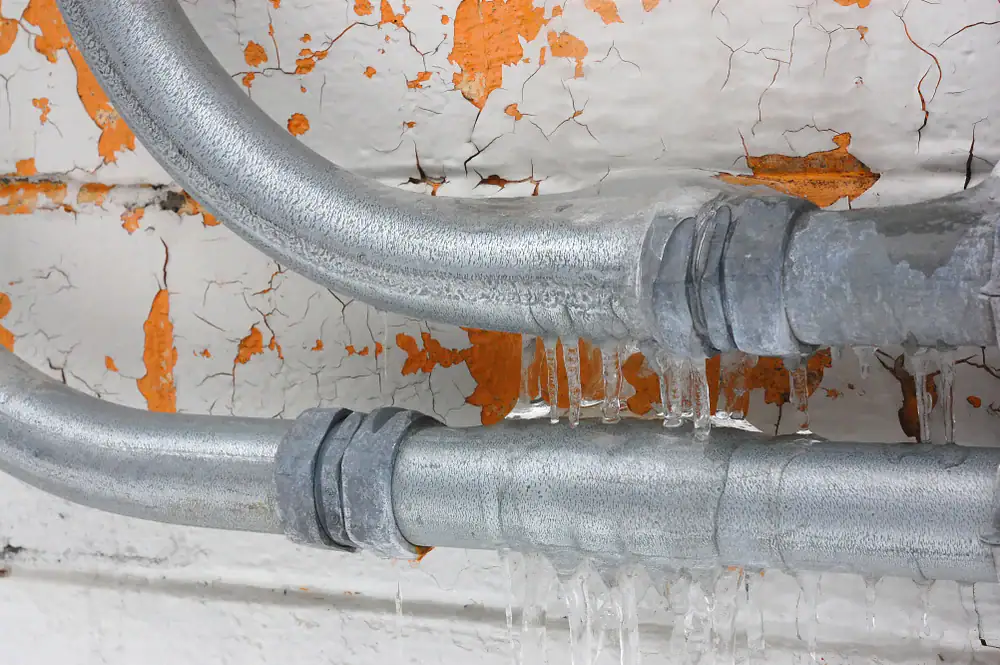
Most Coloma homeowners don’t think of themselves as living in freeze country. At 764 feet in the American River canyon, it doesn’t feel like the mountains but cold air drains off the surrounding ridges every night in December, January, and February, pooling right where your pipes are. That’s not a regional weather forecast problem. That’s a canyon geography problem, and it catches people off guard every single winter.
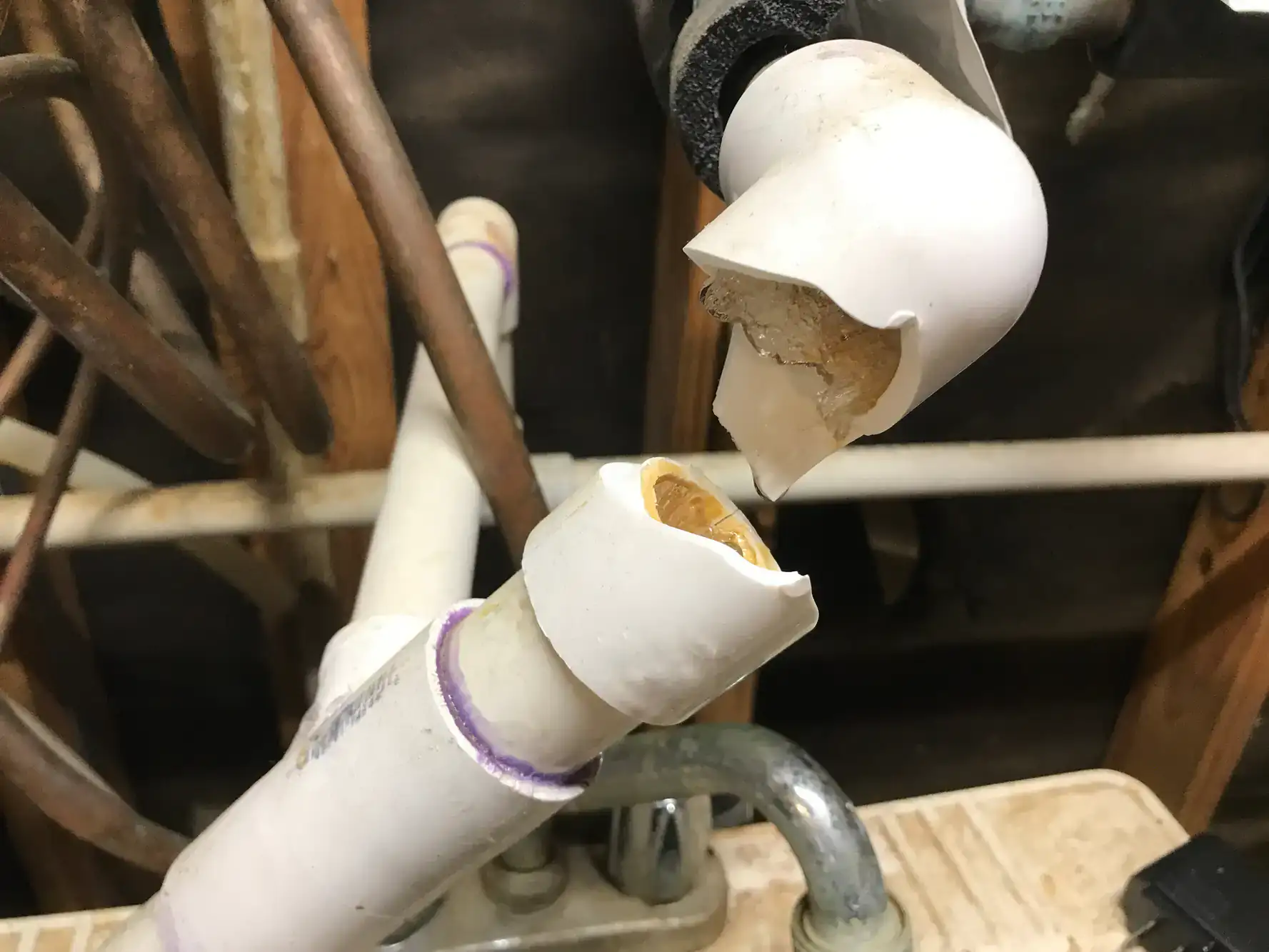
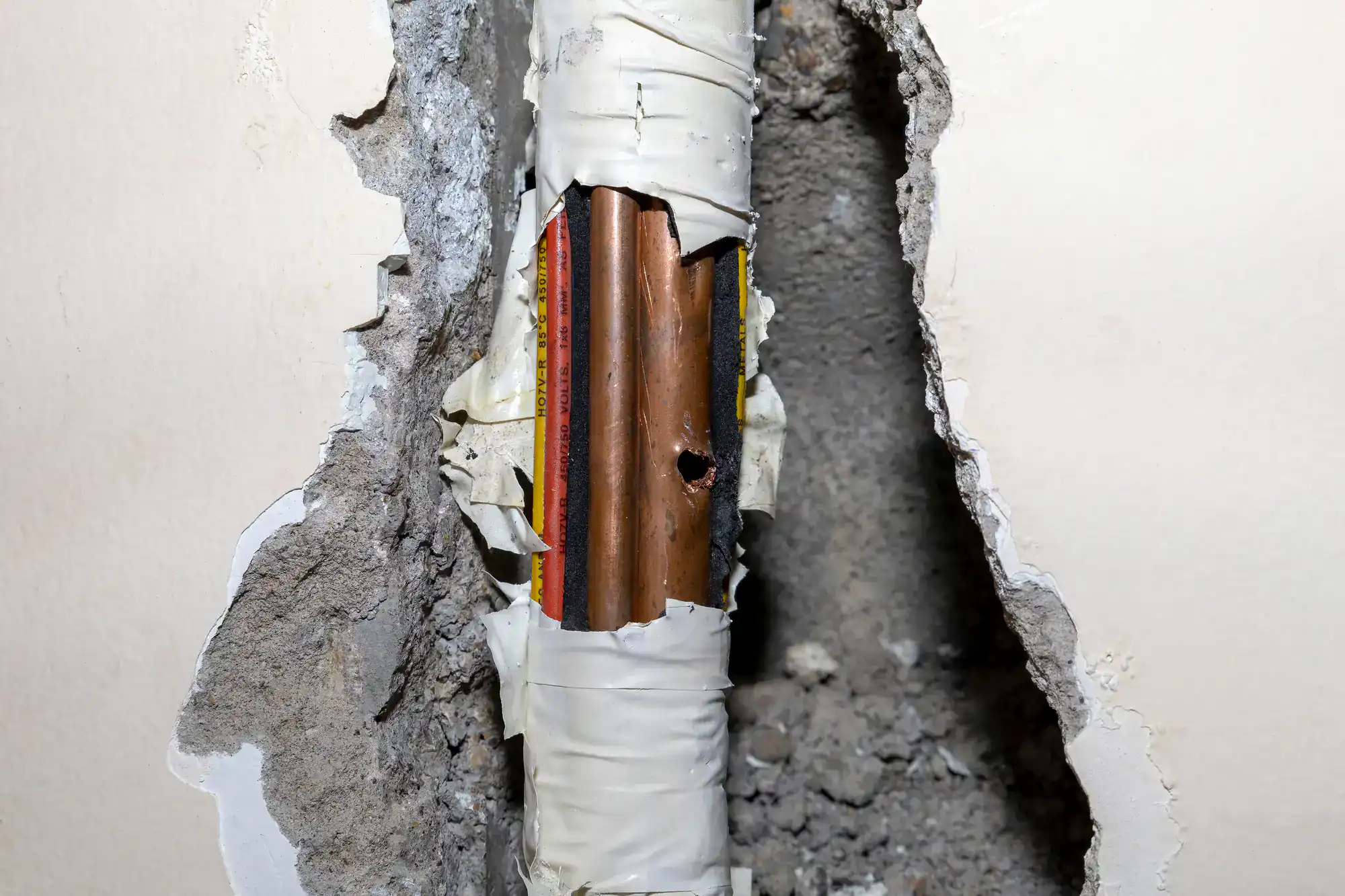
When a pipe freezes and bursts, the water doesn’t wait for business hours. One inch of standing water can cause $25,000 in damage to floors, walls, and insulation. The faster the water stops flowing, the smaller the total bill and the stronger your position with your insurance company.
What you get on the other side of a fast, professional repair is straightforward: water flowing again, no wet drywall spreading behind the scenes, and a clear picture of what the repair cost before anyone touches a pipe. For Coloma residents where the nearest hardware store is 10 miles down Highway 49 in Placerville, having a plumber arrive with everything needed to finish the job in one visit isn’t a luxury. It’s the only version of this that actually works.
We’ve been working across El Dorado, Placer, and Sacramento Counties for over 24 years. That includes a lot of winters in the Coloma Valley enough to know that the homes along Highway 49 aren’t the same as a new build in El Dorado Hills. Galvanized supply lines, private well systems, uninsulated crawl spaces, and pipes that were installed long before modern freeze standards were a consideration. That’s the reality of older Coloma foothill housing stock, and it’s something we’ve dealt with firsthand.
Our Google rating is 4.7 out of 5 based on 93 reviews, and the feedback that shows up most consistently is punctuality, honest pricing, and the fact that the final cost sometimes came in under the original estimate. CA License #916322 is posted publicly because it should be. You can verify it through the CSLB in about 30 seconds and you should, for any plumber you let into your home.
When you call, you reach an actual person not a voicemail, not an answering service that takes a message and promises a callback. The emergency response window for Coloma is 60 to 90 minutes, and the truck that shows up is stocked to handle most repairs without a second trip.
Once on-site, the first step is locating the freeze point and assessing whether the pipe has burst or is still intact. In Coloma homes especially older properties with pipes running through uninsulated crawl spaces or exterior walls this step requires knowing where to look. A frozen line in a newer subdivision home is a different problem than one in a mid-century ranch on a private well system. The assessment drives the repair plan, and the repair plan drives the price quote. You see the number before any work begins.
From there, it’s the repair itself thawing the line if it’s still intact, replacing the damaged section if it’s burst, testing the full system once the repair is complete, and walking you through what to watch for going forward. El Dorado County follows California’s Title 24 building standards, and any work that requires coordination with the county building division is handled as part of our service. No separate permit chasing on your end.
Ready to get started?
Frozen pipe repair in Coloma, CA covers more than just the pipe itself. Our service includes locating and thawing frozen lines, repairing or replacing burst sections, water extraction if there’s standing water in a crawl space or living area, full system pressure testing after the repair, and a walkthrough of what made that specific pipe vulnerable so you’re not making the same call next January.
Pricing is published openly because that’s how it should work. A thaw-only repair typically runs $350 to $750. Burst pipe repair with water damage runs $750 to $2,500 depending on the extent of the damage and the pipe configuration. Emergency after-hours calls carry a premium of $200 to $500, and the service call fee is $175 waived when a repair is completed. We publish these ranges openly. Most plumbers won’t give you a number until they’re already in your crawl space.
For properties on private well systems which is a significant portion of homes in the Coloma-Lotus Valley our service extends to wellhead lines, pressure tanks, and distribution lines that carry their own freeze vulnerabilities separate from the main household plumbing. If your property is on well water and you’ve lost pressure after a cold night, that’s a well-system freeze scenario and it’s well within the scope of what gets handled on the same visit.
Coloma sits at 764 feet in the American River canyon, which creates a specific weather pattern called cold air drainage. Cold, dense air flows downhill from the surrounding ridges overnight and settles in the valley floor right where most of the homes are. The result is that temperatures in the Coloma Valley can drop significantly lower than what regional forecasts show, because those forecasts are often calibrated to higher-elevation foothill stations or the Sacramento valley floor, neither of which captures what’s happening in the canyon.
In practical terms, this means your pipes can be exposed to sub-freezing temperatures for three to six hours overnight even when the daytime high was in the 50s and nothing felt particularly alarming. The South Fork of the American River running through the valley also adds ambient humidity, which accelerates freezing in crawl spaces and uninsulated pipe runs. Coloma’s all-time recorded low is 6°F logged at Marshall Gold Discovery State Historic Park on December 22, 1990. That’s a reminder that this canyon can get genuinely cold, and older homes with minimal pipe insulation aren’t built to handle it without some preparation.
The cost depends on what you’re dealing with when the plumber arrives. If the pipe is frozen but still intact, a thaw-and-inspect service typically runs $350 to $750. If the pipe has burst and there’s water damage involved, the repair range is $750 to $2,500 with the higher end applying to situations where multiple sections need replacement or there’s standing water that requires extraction. Emergency calls after hours carry an additional $200 to $500 premium, and the base service call fee is $175, which is waived when a repair is completed.
What’s worth understanding about these numbers is the context. The average burst pipe insurance claim in the U.S. exceeds $30,000 in water damage costs. The plumbing repair is the smaller part of the total picture and the faster it gets done, the less water damage accumulates. Most homeowners insurance policies cover the water damage to floors, walls, and personal property from a sudden burst, but they typically don’t cover the cost of the pipe repair itself. Knowing that distinction before you call helps you approach the repair and the insurance conversation with a clearer head.
Generally, yes but with an important distinction most homeowners don’t know until they’re filing a claim. Standard homeowners insurance typically covers the sudden water damage caused by a burst pipe: the flooring, drywall, insulation, and personal property that gets soaked. What it usually does not cover is the cost of repairing or replacing the burst pipe itself. That comes out of pocket.
This matters practically because it changes how you should think about response time. Every hour of water flowing after a pipe bursts adds to the damage total and the damage total is what your insurance claim is based on. A faster repair means less damage, a smaller claim, and a cleaner interaction with your insurance company. It also means more of your home stays intact. If you’re a seasonal property owner in the Coloma-Lotus Valley someone who’s not on-site when a cold snap hits this is especially relevant, because undetected burst pipes in vacant properties tend to produce the worst-case damage scenarios. Documenting the repair with a licensed, bonded contractor also strengthens your claim and protects you from any coverage disputes.
Yes, and it’s actually a more complex freeze scenario than a standard municipal water connection. On a private well system, there are multiple vulnerable points: the wellhead itself, the pressure tank, the supply line running from the well to the house, and the distribution lines inside the home. Any of these can freeze independently, and the symptoms can look similar no water pressure, reduced flow, or a complete loss of water even though the freeze location and the repair approach are completely different.
A significant number of properties in the Coloma area are on private wells rather than municipal water supply, which means this isn’t an edge case. It’s a common scenario. The key difference in diagnosing a well system freeze is that you need a plumber who actually knows how well systems work and won’t misdiagnose a frozen wellhead line as a household pipe issue. We handle well system freeze calls on the same visit as standard household pipe repairs no separate contractor, no second trip, no guessing.
Our stated emergency response window for Coloma is 60 to 90 minutes. That’s a specific, published commitment not a vague “we’ll get there as soon as we can.” For a community that sits in the American River canyon roughly 36 miles northeast of Sacramento via Highway 49, response time is a legitimate concern. Not every plumber who advertises El Dorado County coverage is actually willing to dispatch a technician to the Coloma Valley at 2 AM in January.
What matters as much as the drive time is what arrives when the truck gets there. A plumber who shows up without the right fittings, materials, or tools for an older foothill home ends up making a second trip which in Coloma means another hour-plus round trip to Placerville and back. Our truck is stocked to handle most repairs in a single visit, including the pipe configurations common in older Coloma homes with galvanized lines and rural water systems. The goal is one visit, one repair, water running again before the next night’s temperature drop.
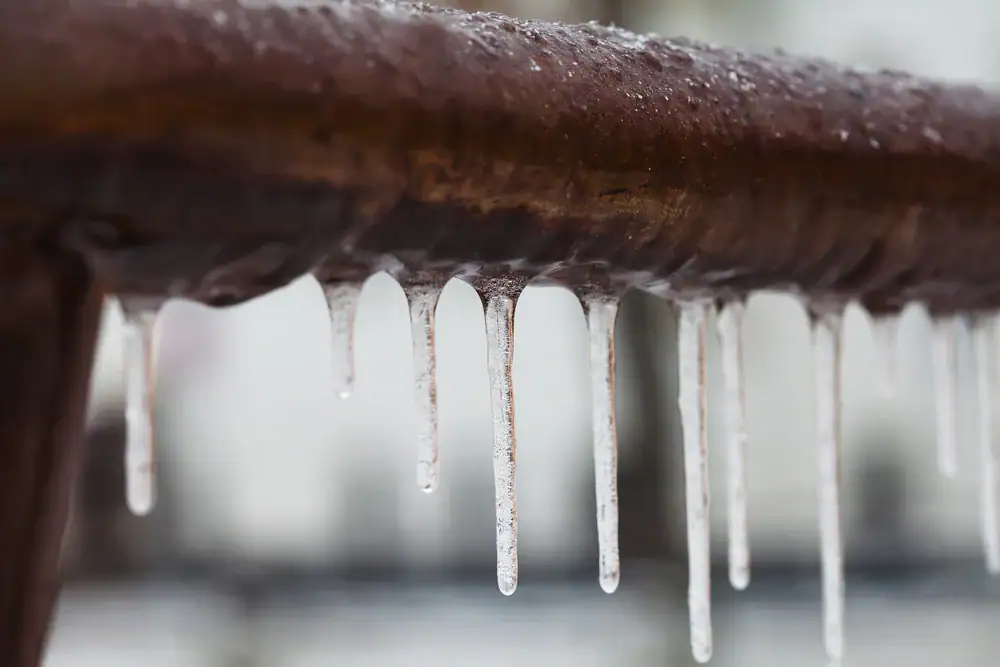
The first thing to do is locate your main water shut-off valve and know how to turn it off quickly. If a pipe has already burst, shutting off the water supply immediately limits how much damage accumulates while you wait for a plumber. If you’re not sure whether the pipe has burst or is just frozen, look for wet spots on walls or ceilings, frost on visible pipe sections, or a complete loss of water pressure any of those signs point to a freeze event that needs professional attention rather than a DIY thaw attempt.
Avoid using open-flame heat sources like propane torches to thaw a frozen pipe. It’s a legitimate fire risk, especially in older Coloma homes with wood framing and insulation that’s seen decades of wear. A hair dryer on a visible, accessible pipe section is reasonable if you know exactly where the freeze is, but most freeze points in foothill homes are in crawl spaces or inside wall cavities where you can’t safely reach them. The smarter move is to shut the water off, call a plumber, and let someone with the right tools locate and address the freeze point without creating a second problem. In the Coloma Valley in the middle of winter, that’s the practical call.