
Frozen Pipe Services
Get a free quote for frozen pipe services from your local plumbing team.
We’ll contact you about your frozen pipe services request. Privacy policy
Hear from Our Customers
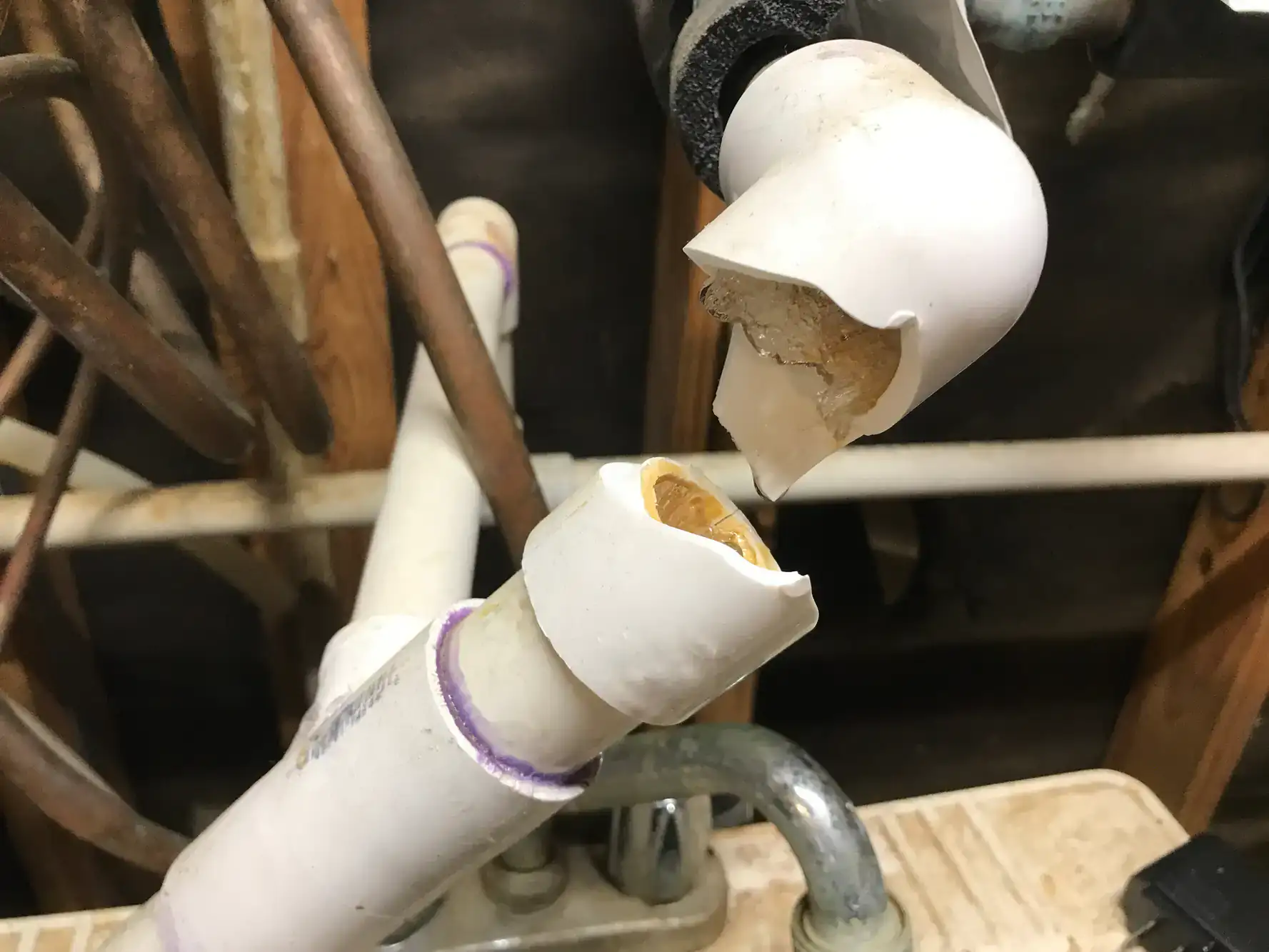
A frozen pipe at this elevation doesn’t just mean no water pressure in the morning. It means water moving through your walls, into your crawl space, or pooling under a floor while you’re still trying to figure out what happened. The longer that goes unchecked, the further the damage spreads and the more expensive the fix becomes. The average burst pipe insurance claim runs over $30,000. The cost of a same-day repair call is a fraction of that.
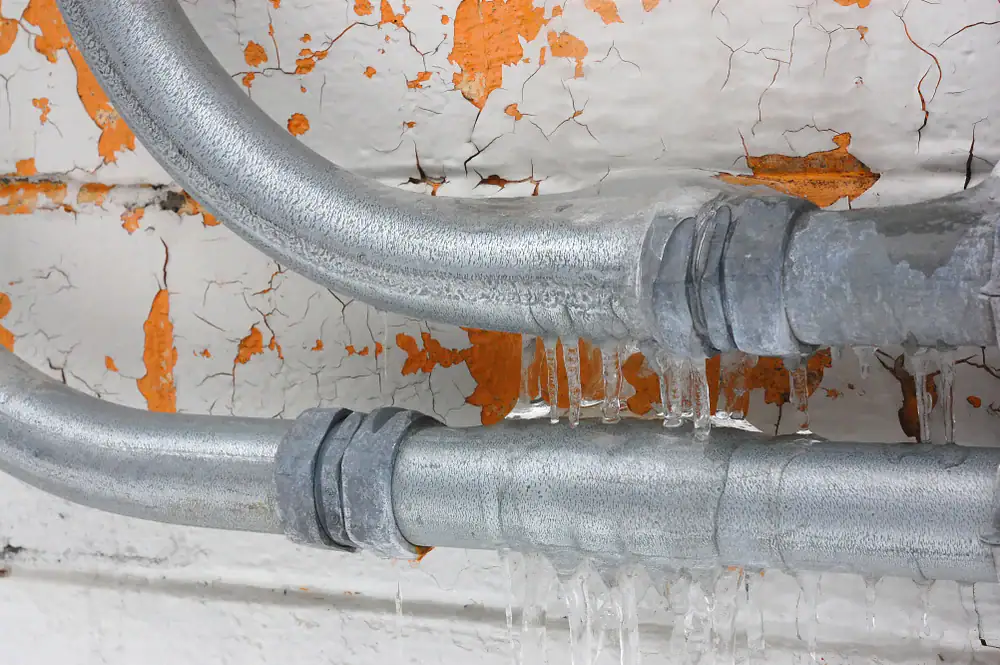
Homes on the Georgetown Divide have a specific vulnerability that valley-floor plumbers don’t often see. Longer pipe runs, unheated crawl spaces, detached outbuildings with water lines, and well pressure systems that were never designed with hard freeze events in mind these are the conditions that turn a frozen section into a full burst. If your Buckeye home was built more than a few decades ago, there’s a real chance your pipes are galvanized steel, which cracks faster and more quietly than modern copper or PEX when ice forms inside.
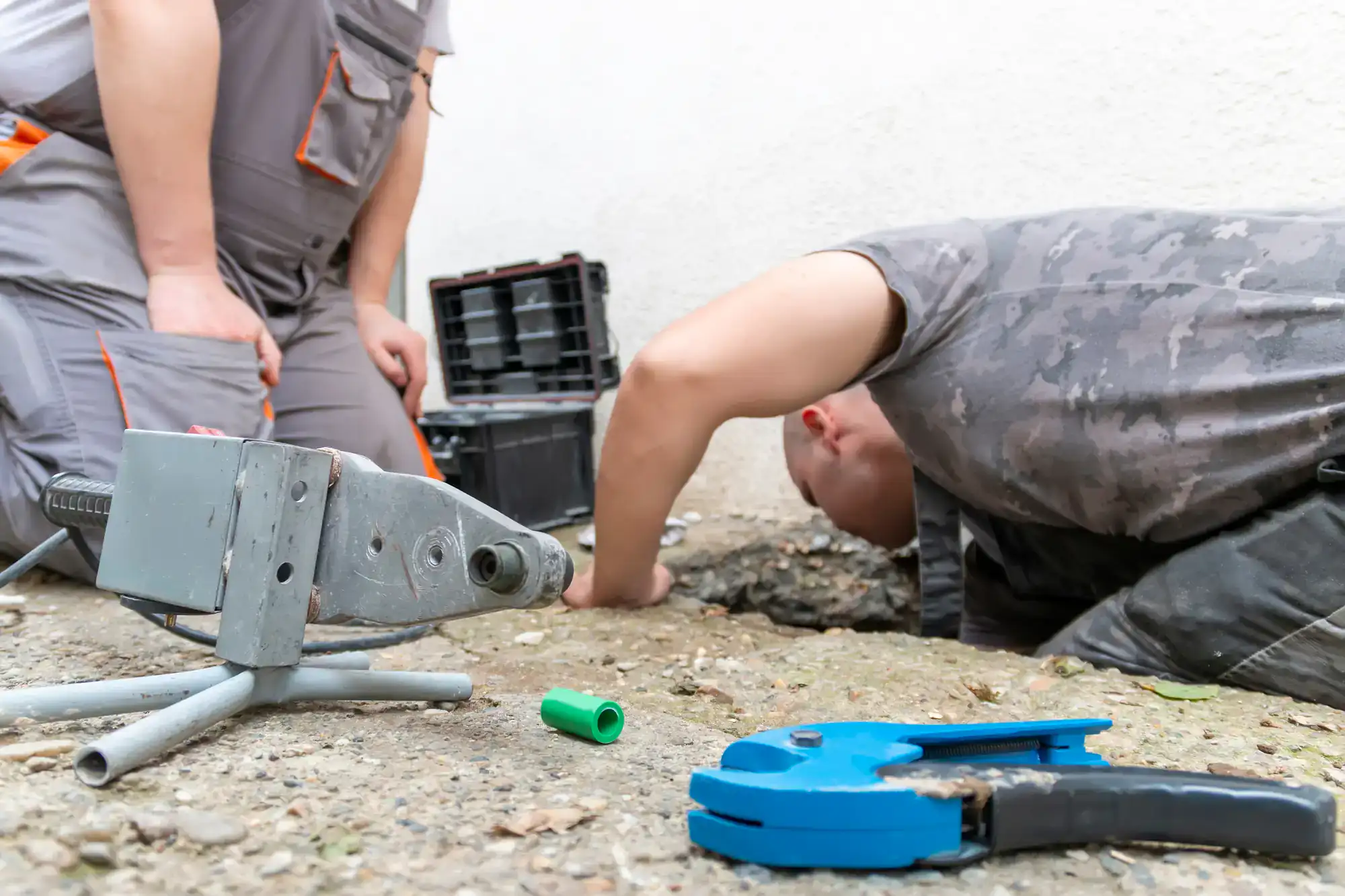
What you get after a Murray Plumbing visit is simple: the frozen section thawed or replaced, the water extracted if there’s been a burst, the full system pressure-tested before we leave, and a clear explanation of what happened and what to watch for. One call, one visit, one invoice. No scheduling a restoration company separately and no follow-up appointments for the parts we skipped the first time.
We’ve been working across El Dorado County for more than 24 years. That includes the foothill communities along Highway 193 Georgetown, Garden Valley, Kelsey, and Buckeye plus the rural properties off Wentworth Springs Road where the freeze risk is real and the nearest plumber isn’t always around the corner. This isn’t a Sacramento chain that added “El Dorado County” to a service area map. We’re a contractor with decades of actual history in the terrain you live in.
The reviews tell the same story consistently: on time, transparent pricing, and the job done right the first visit. Customers mention technicians by name, which matters in a community where personal reputation carries weight. A 4.7 out of 5 rating across 93 reviews from real customers in this region isn’t a number to gloss over it’s the kind of track record that gets built one honest job at a time.
If you’re on a private well, have an older home with aging pipes, or you’ve never had to deal with a freeze event before, that experience is exactly what you’re paying for.
When you call, you’ll speak with a real person not an answering service. You’ll describe what you’re seeing, and we’ll give you an honest estimate range before anyone drives out. For frozen pipe repair in Buckeye, CA, that typically means $350 to $750 if the pipe hasn’t burst, or $750 to $2,500 if there’s been a rupture and water damage to address. After-hours calls carry a premium of $200 to $500 on top of that. You’ll know the range before we arrive.
Once on site, the first step is locating the frozen or damaged section which in a rural foothill home can mean checking the crawl space, the pump house, the garage water line, or the run between your well and the structure. Buckeye homes often have more exposure points than a typical suburban property, and we check all of them, not just the obvious one. If the pipe has burst, we handle the water extraction and the repair in the same visit so you’re not left with standing water while you wait for a second crew.
Before we leave, the system gets pressure-tested to confirm everything is holding. If there’s a permit requirement under El Dorado County’s building codes which applies to any plumbing work over $500 in combined labor and materials we handle that process as a licensed C-36 contractor. You don’t have to figure out the county permit side on your own.
Ready to get started?
Frozen pipe repair in Buckeye covers more ground than it does in a flat suburban neighborhood. Depending on your property, the work might involve thawing a supply line in an unheated crawl space, replacing a cracked section of galvanized pipe that finally gave out under freeze pressure, extracting water from a space that took on moisture during a burst, or inspecting a well pressure tank and pump house that froze independently of the main house system. All of that falls within what we address on a single call not a partial fix that leaves you coordinating the rest.
Every job includes a full system pressure test before the technician leaves. That’s not an add-on it’s how you confirm the repair actually held and that there isn’t a second weak point waiting to fail the next time the temperature drops on the Georgetown Divide. Pipe insulation assessment is also part of the conversation, because the most useful thing that can happen after a freeze event is understanding which sections of your plumbing are still exposed and what it would take to protect them before next winter.
We hold a valid California C-36 Plumbing Contractor License, are bonded, and are fully insured. In an unincorporated area like Buckeye where El Dorado County enforces the California Plumbing Code directly, working with a licensed contractor isn’t just a preference it’s the legal requirement for any job over $500, and it’s what keeps your insurance claim clean if you need to file one.
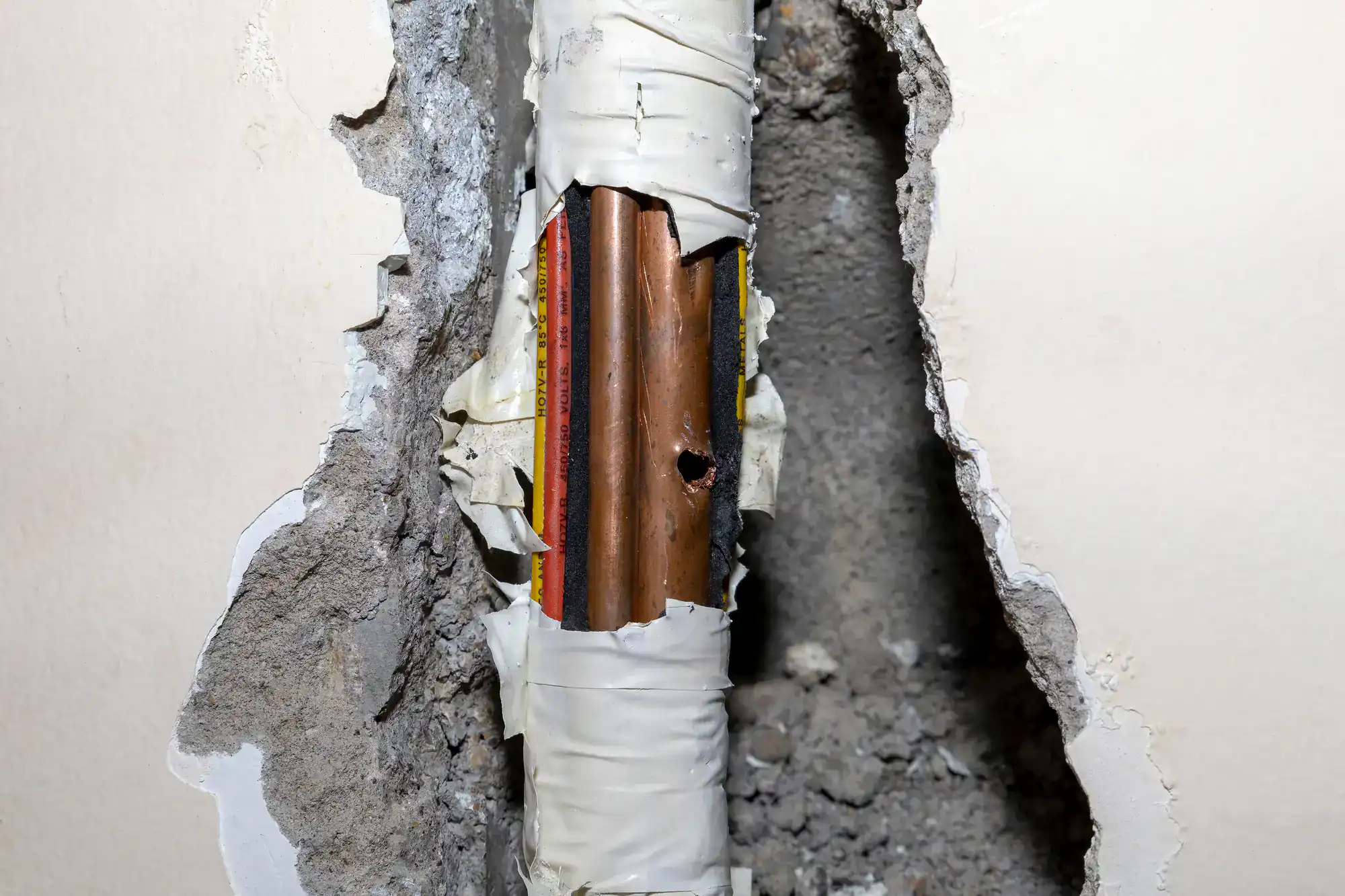
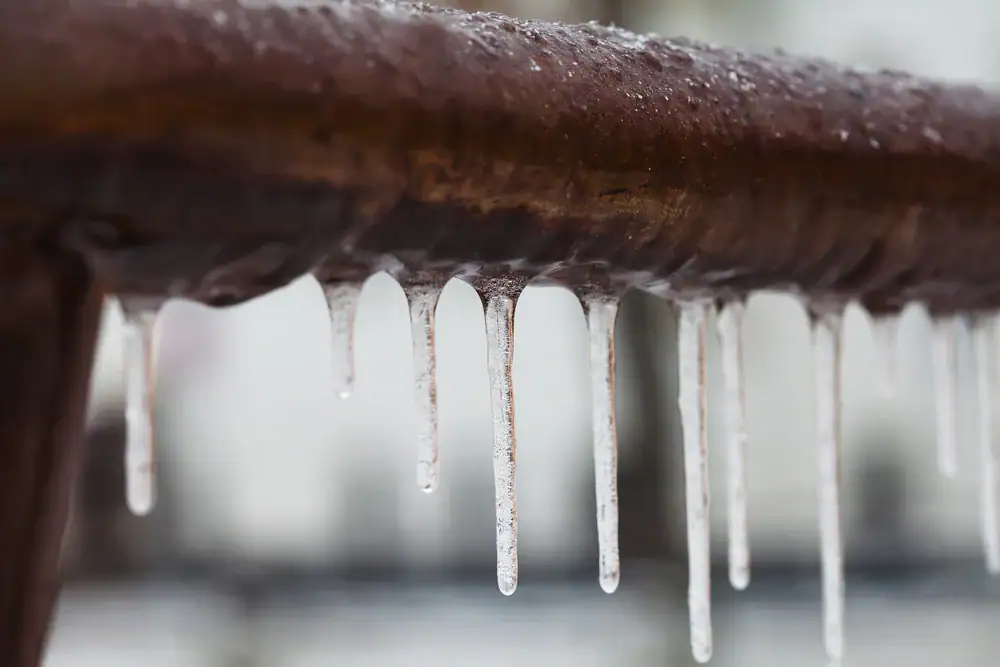
Buckeye sits at 2,949 feet above sea level on the Georgetown Divide well within the elevation range where genuine freeze events happen every winter. The Georgetown area averages around 13 inches of snow per year, and overnight temperatures regularly drop to or below freezing between December and March. What makes Buckeye specifically risky isn’t just the cold it’s the pattern. Daytime temperatures can be mild enough that you don’t think twice about your pipes, while overnight lows are dropping well below 32°F in unheated spaces like crawl spaces, detached garages, and pump houses.
The freeze risk in Buckeye is also longer than most people expect. Georgetown’s heaviest snowfall month is actually March, not December or January. That means a homeowner who made it through the heart of winter without a problem can still get caught off guard by a late-season cold snap when they’ve already started thinking spring is here. If your pipes haven’t been insulated or your crawl space hasn’t been checked, that late freeze is often the one that causes the damage.
The honest answer is that cost depends on what the freeze actually did to your pipes. If the pipe is frozen but hasn’t burst, thawing and inspection typically runs $350 to $750. If the pipe has cracked or burst and there’s water damage involved, the repair and cleanup range is $750 to $2,500. After-hours emergency calls carry an additional premium of $200 to $500 on top of the base cost. We give you the estimate range before work starts not after so you’re not opening the door to a surprise bill.
One thing worth knowing: final invoices have sometimes come in under the original estimate. That’s not a common thing to say in this industry, but it happens when the job turns out to be more straightforward than initially assessed. The standard service call starts at $175, and major repairs come with a free estimate. For a rural property in El Dorado County where the scope of a freeze event can be harder to predict upfront well lines, pump houses, crawl space runs having that pricing transparency before anyone starts work matters more than it does in a simple suburban repair.
The first thing to do is turn off your main water supply. If you’re on a private well which is common in the Buckeye and Georgetown area that means shutting off the well pump and the pressure tank supply. This limits how much water can escape if the pipe has already cracked and is waiting to release once it thaws. Don’t try to force-thaw a pipe with an open flame or a heat gun pointed directly at the pipe wall that’s a fast way to crack already-stressed pipe material, especially if you have older galvanized steel lines.
After shutting off the supply, open a faucet downstream from where you think the freeze is. This releases pressure as the pipe thaws and gives you an early indicator of whether there’s already a crack if water comes out discolored or with debris, there’s likely damage. At that point, call a licensed plumber before doing anything else. Attempting a DIY repair on a cracked galvanized pipe in a crawl space is a situation that regularly turns a $500 fix into a $2,000 one. We offer 24/7 emergency response for exactly this kind of situation same-day, real person answering, not a call center.
Most standard homeowner’s insurance policies cover sudden and accidental water damage from a burst pipe but the key word is “sudden.” If an adjuster finds evidence that the pipe had been deteriorating for a long time, or that the damage was caused by neglect rather than an acute freeze event, coverage can be reduced or denied. This is particularly relevant for older homes in the Georgetown Divide area, where galvanized steel pipes are common and long-term corrosion is a real factor. Having a licensed contractor document the repair with a written assessment of what caused the failure strengthens your claim significantly.
What you want to avoid is having an unlicensed contractor do the work. In an unincorporated area like Buckeye, where El Dorado County enforces the California Plumbing Code and requires a C-36 licensed contractor for any job over $500, work done by an unlicensed person can void your coverage entirely. We provide documentation of the repair, the cause, and the scope of work the kind of paper trail that makes an insurance claim go smoother. If you’re filing a claim, ask for that documentation before the technician leaves.
The highest-risk areas in a Buckeye home are the ones that see the least heat. That typically means the crawl space under the house, the garage if it’s unheated, any water line running along an exterior wall without insulation, and for homes on private wells the pump house and the supply line between the well and the structure. Pipes can reach freezing temperatures in these spaces even when your interior thermostat reads a comfortable 65°F, because unheated cavities lose heat much faster than the living areas of the house.
Homes built before the 1980s are at higher risk for two reasons: older construction standards didn’t require the same level of pipe insulation, and galvanized steel pipes common in older El Dorado County properties become more brittle over time as corrosion weakens the pipe wall. A pipe that has survived a dozen winters may fail during the thirteenth if it’s been slowly corroding from the inside. If you haven’t had a plumber look at your crawl space or pump house in several years, a pre-winter inspection is genuinely worth the service call cost. We can assess which sections of your system are most exposed and give you a realistic picture of what it would take to protect them.
We offer 24/7 emergency response, and that applies to Buckeye the same as it does to any other community in El Dorado County. When you call, you’ll reach a real person not a voicemail, not an automated system who can take your information and dispatch a technician. The drive to the Georgetown Divide on Highway 193 is a real one, and we’re not going to pretend otherwise. What we will tell you is that same-day response is the standard, not the exception, and that the technician who shows up is a licensed plumber with the equipment to handle the full scope of a freeze event not someone who needs to make a second trip for parts.
For Buckeye residents specifically, the 24/7 availability matters more than it does in a suburban area with multiple plumbers nearby. When a pipe bursts at 11 p.m. off Wentworth Springs Road in January, your options are limited. Having a contractor who answers the phone, gives you a real estimate, and commits to getting there the same day is the difference between a manageable repair and a situation that gets significantly worse overnight. Quick response time is consistently the most mentioned factor in our customer reviews and that track record was built in exactly this kind of foothill community.