
Hear from Our Customers
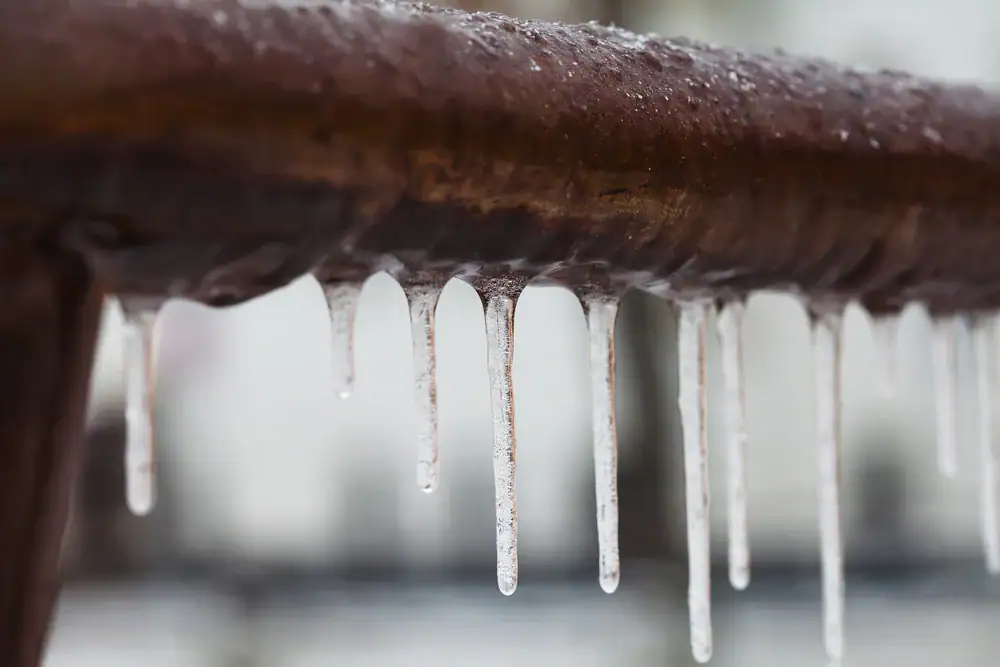
Most people in Midtown don’t think of frozen pipes as a Sacramento problem. The winters here are mild until they aren’t. When overnight temps briefly dip into the upper 20s, the pipes running through the crawl spaces and uninsulated exterior walls of Midtown’s Victorian homes and Craftsman bungalows are genuinely at risk. These buildings weren’t constructed with freeze protection in mind, and that gap shows up fast when the temperature drops.
When a pipe freezes or bursts in your Midtown building, the clock starts immediately. Every hour of active water flow adds to the total damage and if you’re a renter in one of Midtown’s older apartment buildings on the numbered grid, you may not even know where the main shutoff is. That uncertainty makes a fast, knowledgeable response even more critical.
What you get after we visit isn’t just a patched pipe. It’s a fully tested system, confirmed water flow, and a clear understanding of what was done and why. No vague invoice. No second guessing. Whether you’re in a Boulevard Park Victorian or a multi-unit building near Winn Park, the outcome is the same the problem is resolved, not just managed.
We’ve been serving Sacramento County for over 24 years, which means decades of working through the kinds of homes that define Midtown pre-1950 construction, tight crawl spaces, aging pipe configurations, and multi-unit buildings where one problem can affect several tenants at once. This isn’t a franchise that recently added Sacramento to a territory map. We’re a locally rooted operation that knows this neighborhood inside out.
Our 4.7/5 Google rating across 93 real reviews reflects what Midtown customers consistently experience: technicians who show up when they say they will, pricing that’s explained before the job starts, and final invoices that sometimes come in under the original estimate. Named technicians appear in those reviews not anonymous crews.
For Midtown’s 90% renter population, that accountability matters. Whether you’re a tenant dealing with a landlord situation or a property manager responsible for an older building near the Alhambra District, you’re calling a team that understands the full picture not just the pipe.
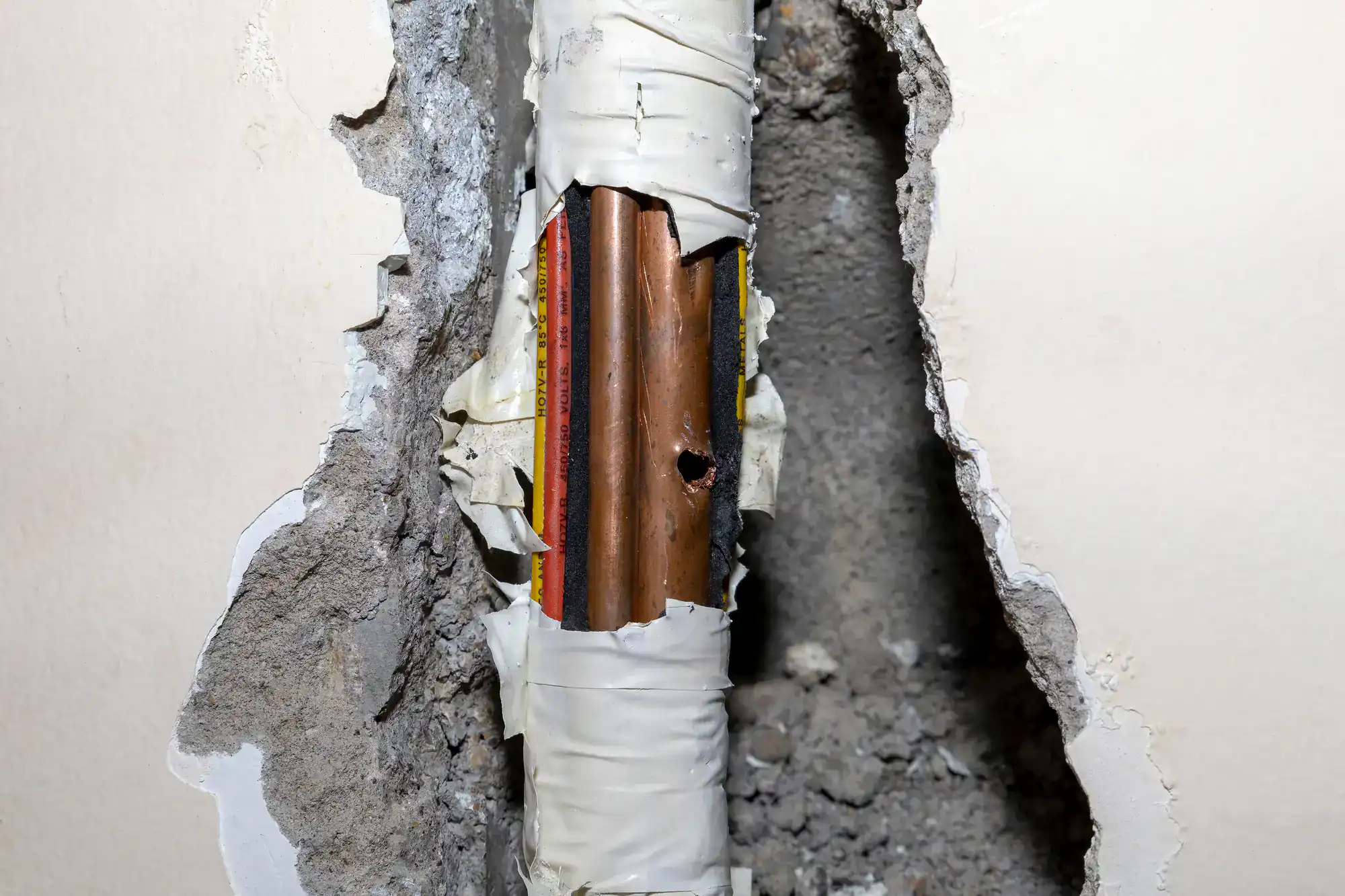
When you call us, someone answers any time of day or night. You’ll describe what’s happening, and based on that conversation, you’ll get a real price range before anyone is dispatched. No surprises waiting on the other end of a truck arrival.
Once on-site, our technician locates the frozen or burst section, assesses the full scope of the damage, and walks you through exactly what needs to happen. In Midtown’s older residential stock especially the Craftsman bungalows and Victorian apartments common throughout the 16th to 30th Street corridor that assessment often includes checking adjacent pipe runs in crawl spaces or unheated attic spaces where secondary freezing is common but easy to miss.
The repair itself covers thawing, burst section repair or replacement, water extraction if needed, and a full system test before the job is called complete. All work we perform meets California C-36 plumbing contractor standards, and any repair that triggers Sacramento’s permit requirements is handled properly. You don’t have to track that it’s part of the job. When our technician leaves, your water is running, the system has been tested, and you have documentation of everything that was done.
Ready to get started?
Our frozen pipe service isn’t a single-task call. When a pipe freezes or bursts in a Midtown home or apartment building, the damage rarely stops at the pipe itself especially in structures built before modern insulation standards existed. Water gets into walls, subfloors, and crawl spaces fast. We build our service to handle the full scope in one visit: pipe thawing, burst pipe repair, water extraction, system testing, and prevention guidance before our technician leaves.
Pricing is published and explained upfront. Thawing-only jobs typically run $350–$750. Burst pipe repair ranges from $750–$2,500 depending on the extent of the damage. After-hours emergency calls carry an additional $200–$500 premium, and service calls start at $175. These aren’t ballpark figures designed to get a truck in your driveway they’re the actual ranges, confirmed before work begins.
For Midtown property managers overseeing older multi-unit buildings, this matters in a specific way. A burst pipe in a building near Newton Booth or along the Capitol Avenue corridor can affect multiple tenants simultaneously, creating both an emergency repair situation and a documentation need for insurance purposes. We provide written records of all work performed useful whether you’re filing a claim, communicating with tenants, or simply keeping maintenance records on an aging property.
It’s a fair question Sacramento’s winters are mild compared to most of the country, and temperatures here rarely stay below freezing for long. But “rarely” isn’t “never,” and that’s where Midtown’s housing stock creates a real vulnerability. The Victorian homes and Craftsman bungalows throughout Boulevard Park, Newton Booth, and the rest of Midtown’s residential core were built in the early 1900s, long before modern insulation standards existed. Pipes running through crawl spaces, unheated attics, and exterior wall cavities in these structures have very little thermal protection.
When Sacramento temperatures briefly dip into the upper 20s which happens multiple times each winter, often overnight those exposed pipes in Midtown are genuinely at risk. The freeze events here tend to be short and sharp, which is actually part of the problem: residents don’t expect it, so they haven’t winterized, and the pipes aren’t prepared. A single cold night is all it takes in an older Midtown building.
The cost depends on what you’re dealing with. If the pipe is frozen but hasn’t burst, thawing alone typically runs $350–$750. If the pipe has burst and needs repair or partial replacement, you’re generally looking at $750–$2,500 that range reflects the difference between a straightforward section repair and a more involved job in a tight crawl space or behind an exterior wall, which is common in Midtown’s older residential buildings. Emergency after-hours calls carry an additional $200–$500 premium, and service calls start at $175.
What matters most is that you get a written estimate before any work starts. We provide that upfront and in some cases, the final invoice comes in under the original estimate. For Midtown renters trying to communicate costs to a landlord, or property managers documenting a repair for insurance purposes, having that written scope from the start makes the whole process cleaner.
First, don’t try to thaw it yourself with an open flame or heat gun that’s a fire risk, especially in older wood-frame buildings common throughout Midtown. If you turn on a faucet and nothing comes out, or you hear water running somewhere but nothing is flowing from your fixtures, those are the two most common signs of a frozen pipe. Try to locate your main water shutoff in older Midtown apartment buildings, it’s often in the basement, crawl space access point, or a utility closet near the building entrance and shut it off if you can reach it safely.
Then call a licensed plumber immediately. The reason speed matters here isn’t just convenience it’s financial. A frozen pipe that’s already cracked will begin flowing water the moment it thaws, and if no one is there to shut it off, that water spreads fast into walls, subfloors, and neighboring units. In a 90% renter neighborhood like Midtown, that situation quickly becomes a landlord-tenant issue on top of a plumbing emergency. Getting a professional on-site before the thaw happens is the best outcome you can aim for.
Under California law, landlords are responsible for maintaining rental properties in a habitable condition, which includes functional plumbing and water supply. A frozen or burst pipe that renders your unit without water is generally the landlord’s responsibility to repair. That said, if you’re in an active emergency water is flowing, damage is spreading, or you have no water at all waiting on a landlord to respond can make the situation significantly worse.
The practical approach is to notify your landlord or property manager immediately and in writing (a text message creates a time-stamped record), and if they can’t be reached quickly, document everything with photos and call for emergency repair. Keep records of all communication. We work with both tenants and property managers in Midtown regularly and can provide written documentation of the work performed which is useful if there’s any dispute about responsibility or costs afterward. Sacramento County’s renter protections are real, and having a paper trail from a licensed contractor helps.
Most standard homeowners insurance policies in California cover sudden and accidental water damage from a burst pipe meaning the damage to your floors, walls, and belongings is typically covered. What’s usually not covered is the cost of replacing the pipe itself. That distinction matters when you’re calculating out-of-pocket costs after a repair.
For renters, the situation depends on whether you carry renters insurance. Standard renters insurance policies generally cover your personal property damaged by water from a burst pipe, but they don’t cover the building itself that falls to the landlord’s policy. The key factor in any insurance claim, whether you’re a homeowner or a property manager, is response time. Insurers look at whether reasonable steps were taken to minimize damage after the event occurred. A fast call to a licensed plumber, documented with a written estimate and repair record, supports a stronger claim. Delaying the call or attempting a DIY fix that doesn’t hold can complicate the claim process significantly.
It comes down to when they were built and how. The Victorian homes and Craftsman bungalows that make up a significant portion of Midtown’s residential stock particularly in areas like Boulevard Park and Newton Booth were constructed in the early 1900s, decades before modern building codes required insulation in crawl spaces, attics, and exterior wall cavities. Pipes in those locations rely on ambient heat from the living space to stay above freezing. When that ambient heat isn’t enough during a sharp overnight cold snap, or in a unit that’s been vacant those pipes are exposed.
Newer construction in Midtown, including the condominiums and loft developments that have gone up in recent years, is built to current California energy and building codes, which include significantly better thermal protection for plumbing runs. That doesn’t make them immune, but it does mean the risk profile is different. If you’re in a pre-1950 building anywhere in the 16th to 30th Street corridor in Midtown, the crawl space and attic pipe runs are worth having inspected before winter especially if you’ve never had it done. Prevention is considerably cheaper than emergency repair.