
Hear from Our Customers
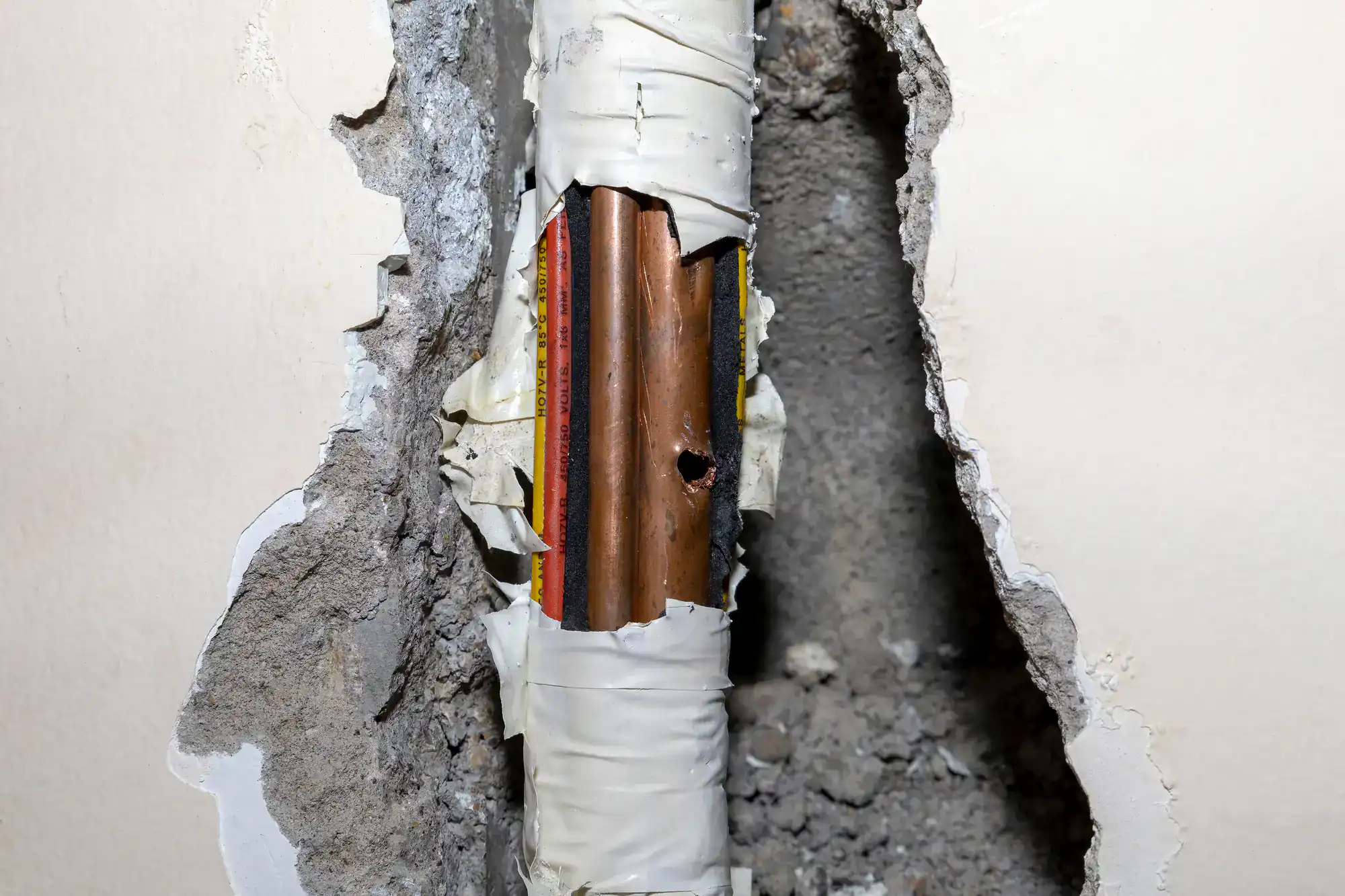
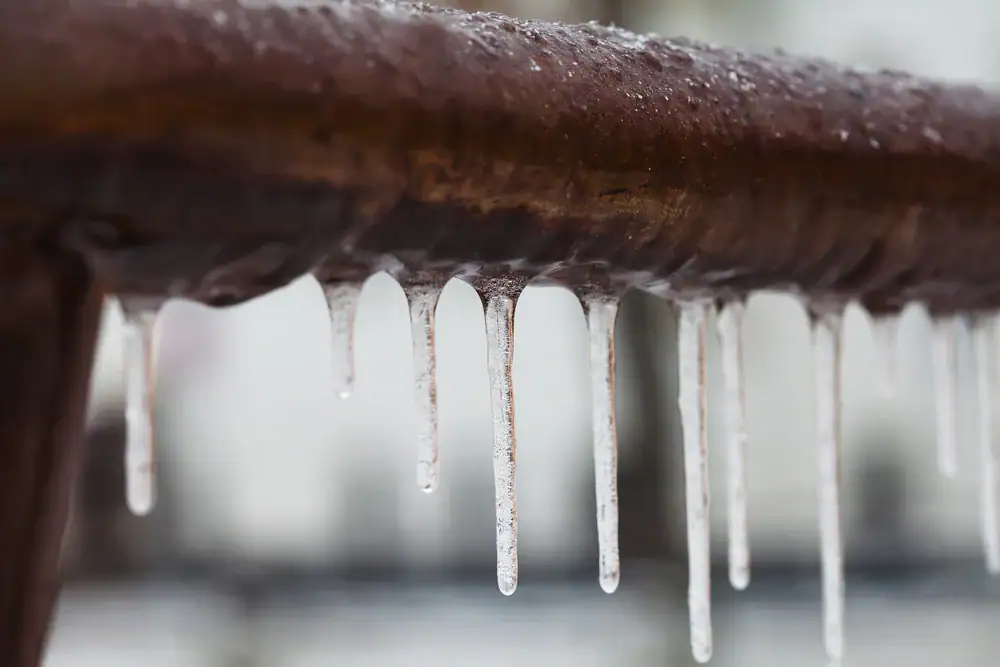
When a pipe freezes and bursts on a ranch property off Latrobe Road, the damage doesn’t stay in one place. Water moves through crawl spaces, under flooring, into outbuildings and it doesn’t wait for business hours. The faster you stop it, the smaller the repair bill and the cleaner the insurance picture.
Most homeowners in the Latrobe area reach for the phone to call their insurance company first. That’s understandable, but it’s the wrong first move. A licensed plumber who can shut off the water and stop active flow immediately is what limits total damage. Insurance documents what already happened a plumber prevents what’s still happening.
Latrobe’s housing stock makes this especially important. Properties along the Latrobe Road corridor commonly have crawl-space foundations, unheated pump houses, outbuildings with independent pipe runs, and long irrigation lines crossing large parcels. These aren’t the same risks you’d find in a Cameron Park subdivision. They’re rural plumbing systems that need someone who actually understands them not a technician used to working in tract homes.
We’ve been serving El Dorado, Sacramento, and Placer Counties for over 24 years. That’s not a tagline it means our team has worked on properties throughout the foothill communities that define this region, including the rural ranch parcels and acreage lots that line the Latrobe Road corridor and stretch toward the Cosumnes River watershed. We know Latrobe’s specific plumbing challenges because we’ve fixed them dozens of times over.
Our Google rating sits at 4.7 out of 5 based on 93 reviews from real customers across the tri-county area. Customers consistently call out the same things: technicians who show up on time, pricing that’s explained before work starts, and final bills that sometimes come in under the original estimate. That last one is rare enough in this industry that people actually mention it by name.
We’re a fully licensed C-36 California plumbing contractor bonded, insured, and CSLB-regulated. In an unincorporated community like Latrobe, where oversight is less visible than in incorporated cities, that distinction matters more than most homeowners realize.
When you call us about a frozen or burst pipe, a real person answers not a voicemail, not a call center. We’ll ask a few quick questions to understand what you’re dealing with, give you an honest price range before anyone gets in a truck, and dispatch a licensed technician to your address. For rural properties off Latrobe Road or along the surrounding ranch corridors, we confirm we know where you are and give you a realistic arrival window not a vague “we’ll be there soon.”
Once on-site, our first priority is stopping active water flow if a pipe has already burst. From there, we assess the full affected run not just the visible section. On rural Latrobe properties, that often means checking the crawl space, the pump house, any outbuildings with independent plumbing, and the exterior hose bibs. Older construction in this area can have pipe runs that were never installed with freeze protection in mind, and a repair that only addresses the obvious break can leave you with a callback in February.
After the repair is complete, we test the full system and walk you through what was done. If there are other sections of pipe that show freeze stress or vulnerability, we’ll point them out and let you decide what to do no pressure, just information. In El Dorado County’s unincorporated areas, permit requirements vary depending on the scope of work, and we handle that determination and compliance so you don’t have to navigate it yourself.
Ready to get started?
We publish pricing for frozen pipe repair something no other plumber serving the Latrobe area does. Frozen pipe thawing with no burst runs $350 to $750. Burst pipe repair with cleanup runs $750 to $2,500. After-hours emergency calls carry a premium of $200 to $500. You see those numbers before we arrive, and the final invoice reflects the actual work completed nothing added after the fact.
For Latrobe properties specifically, the scope of a frozen pipe call often goes beyond a single pipe section. Ranch and acreage properties in this area frequently have well systems and pressure tanks in unheated pump houses, crawl-space plumbing with no insulation buffer, outbuildings and barns with their own pipe runs, and long exterior irrigation lines crossing large parcels. Each of those is a separate freeze risk point, and our assessment covers all of them not just the one that caused the immediate problem.
California law requires a licensed C-36 Plumbing Contractor for any plumbing work over $500. That requirement applies in unincorporated El Dorado County just as it does anywhere else in the state. An unlicensed repair on a rural property can complicate or void your homeowner’s insurance coverage for related water damage. Every job we complete is done under a valid C-36 license, with full documentation you can hand directly to your insurance carrier.
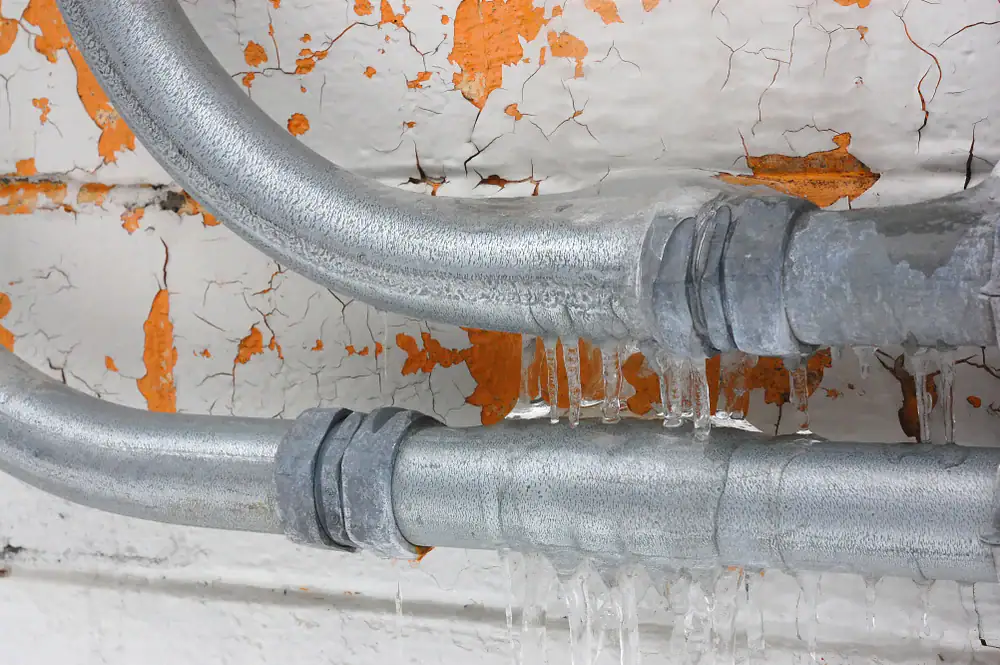
Yes and more often than people expect. Latrobe sits at 761 feet above sea level, which puts it in a climate band that’s meaningfully colder than the Sacramento Valley floor, especially on clear winter nights. While Sacramento might hit a low of 40°F, Latrobe can drop to the mid-20s during the same night due to radiative cooling at foothill elevation. The all-time recorded low for the Cosumnes River area the watershed that defines Latrobe’s southern boundary is 12°F.
The freeze risk here is real, but it’s inconsistent enough that many homeowners don’t build the winterization habits that residents of higher-elevation communities like Pollock Pines or Grizzly Flats develop over time. That inconsistency is exactly what makes Latrobe properties vulnerable. A warm stretch in December followed by a sudden cold snap is the most common scenario we see pipes that weren’t winterized because the previous week was mild.
The most dangerous pipe locations on a Latrobe-area property are the ones farthest from the main living space: crawl-space plumbing under the house, the pump house where your well pressure tank lives, outbuildings and barns with their own pipe runs, and exterior hose bibs and irrigation lines serving large acreage parcels. These areas lose heat fast and have no insulation buffer against overnight temperature drops.
Inside the main structure, the most vulnerable spots are pipes running through exterior walls, pipes in unheated garages, and any section of plumbing that runs through a space that isn’t actively heated. If your home was built before modern freeze-protection standards which applies to a significant portion of the older construction along the Latrobe Road corridor those vulnerabilities may have never been addressed. A preventive inspection before winter is the cheapest version of this conversation.
We publish our pricing, which is uncommon in this market. Frozen pipe thawing where no burst has occurred runs $350 to $750. If the pipe has already burst and cleanup is involved, the range is $750 to $2,500. Emergency after-hours calls carry an additional premium of $200 to $500. These are the numbers you get before work starts not a figure that appears on the invoice after the job is done.
What affects where you land in those ranges is mostly the scope of the problem. A single frozen hose bib on a suburban property is a straightforward job. A ranch property in the Latrobe area with a frozen well pump line, a burst section in the crawl space, and standing water in an outbuilding is a different conversation. The assessment we do on arrival determines the exact scope, and you approve the final price before any work begins. Customers have noted that final costs sometimes come in under the original estimate which tells you something about how we build those numbers.
If you suspect a burst pipe, shut off the main water supply immediately. Don’t wait to confirm the burst if water is flowing somewhere it shouldn’t be, stopping the source is the single most impactful thing you can do in the first 60 seconds. On rural Latrobe properties, main shutoff valves are often located near the pressure tank in the pump house or at the meter connection near the road. If you don’t know where yours is, now is a good time to find out before winter arrives.
After shutting off the water, call a licensed plumber not your insurance company. Insurance documents damage after the fact; a plumber stops it from getting worse. At 20°F, a frozen pipe can burst within two to four hours, and every minute of active water flow after a burst adds to the total damage. Document what you can with your phone before the plumber arrives photos of visible water, the affected area, and any standing water. That documentation will matter when you do eventually talk to your insurance carrier.
Most standard homeowner’s insurance policies cover sudden and accidental water damage caused by a burst pipe meaning the water damage to your floors, walls, and belongings is typically covered. What most policies do not cover is the cost of repairing or replacing the burst pipe itself. That distinction matters: the plumbing repair is usually out of pocket, but the water damage remediation can be submitted as a claim.
There’s an important caveat specific to rural El Dorado County properties. If the repair was performed by an unlicensed contractor, your insurer may deny the related damage claim on the grounds that the work was not done to code. California’s C-36 licensing requirement exists for this reason, and it applies in unincorporated communities like Latrobe just as it does in any incorporated city. When we complete a repair, you receive full documentation under a valid C-36 license the kind of paperwork your insurance adjuster needs to process the claim without complications.
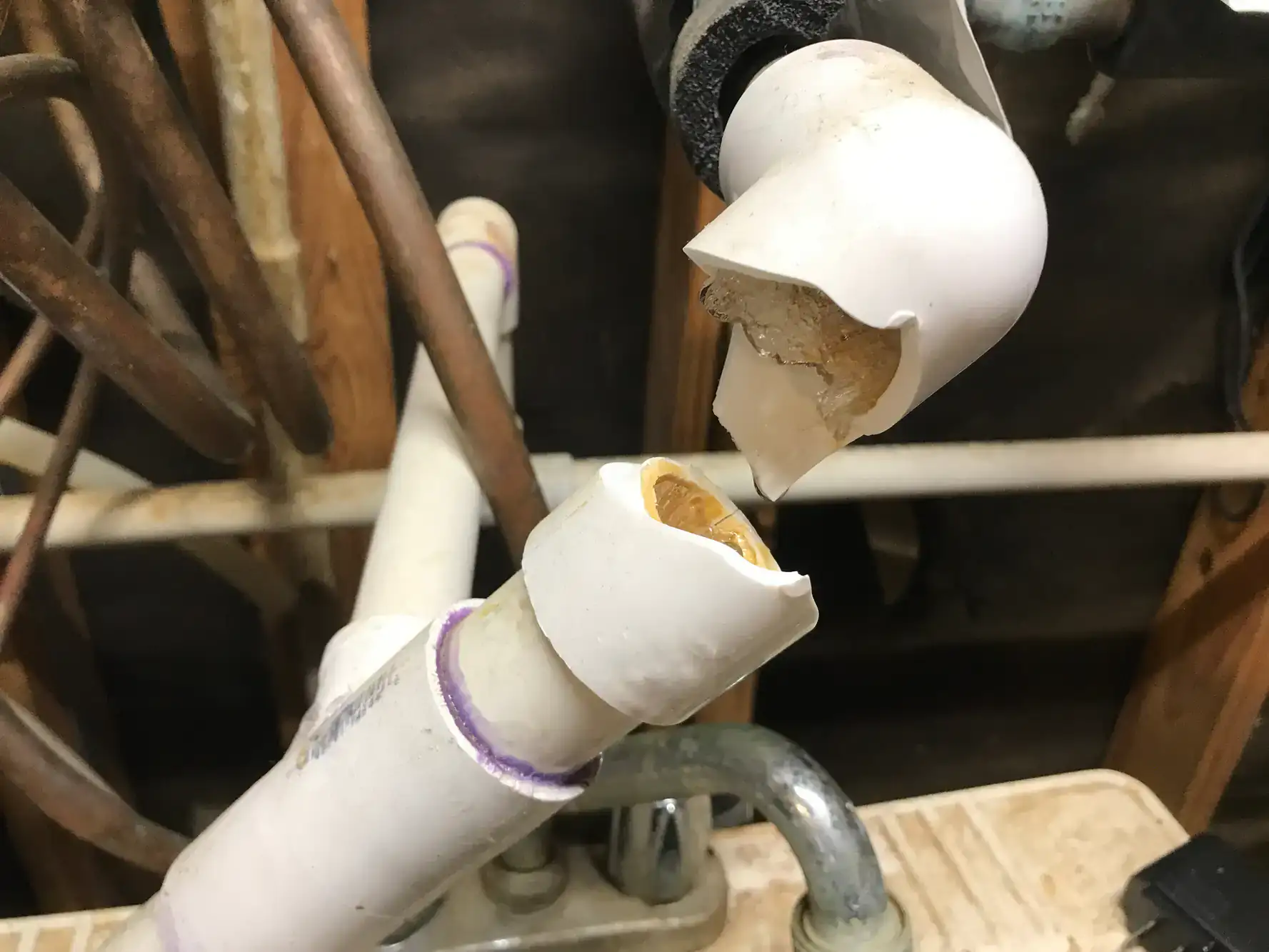
Sometimes, yes but the outcome depends on how long the pipe was frozen, how cold it got, and what the pipe is made of. Copper and older galvanized pipes, which are common in the ranch-era construction found throughout the Latrobe area, are more brittle under freeze stress than modern PEX tubing. A pipe that thaws without an obvious burst can still have micro-fractures in the wall that fail weeks later, often at the worst possible time.
The other risk with waiting for a pipe to thaw on its own is that you don’t know what’s happening inside the wall or under the crawl space. If a section has already cracked and is holding pressure only because the water is still frozen, the thaw becomes the burst. Having a licensed plumber assess the situation before the thaw or immediately after if you weren’t home when it happened is the way to catch that before it becomes a water damage event. A visual inspection of the affected run costs far less than the cleanup that follows a missed crack.