
Hear from Our Customers
The problem with sewer issues is that they’re invisible until they’re not. A line that’s been collecting root intrusion for three seasons looks fine from the outside right up until it doesn’t drain at all. A sewer camera inspection removes the guesswork entirely. You get recorded footage, a clear explanation of what was found, and a precise location marker above ground so you know exactly where any problem sits without anyone digging up your yard to find it.
For Rescue homeowners specifically, there are two conditions that make proactive inspection more important here than in most Sacramento-area communities. First, the clay-loam soils common throughout El Dorado County expand when wet and contract when dry that seasonal movement puts real stress on buried pipe joints over time, especially on sloped foothill terrain where pipes are already working against gravity. Second, a significant number of Rescue properties aren’t connected to a municipal sewer at all. If your home runs to a private septic system, the lateral line between your house and that tank is entirely your responsibility and a camera inspection is the only way to know its actual condition.
Whether you’ve had a slow drain that won’t quit, a gurgling toilet that keeps coming back, or you’re buying or selling a property on Bass Lake Road or anywhere else in the 95672, knowing what’s in your line is worth far more than the cost of finding out.
We’re a licensed C-36 plumbing contractor serving El Dorado County and the surrounding foothill communities. Rescue falls squarely in the area we know which means we’re familiar with EID service boundaries, the mix of sewer-connected and septic-served properties throughout the 95672, and the specific infrastructure realities that come with older ranch-style homes on large rural parcels.
The thing customers mention most in reviews isn’t our equipment or our speed it’s that we told them the truth. Final bills that came in at or below the original estimate. No pressure to approve a repair on the spot. A technician who explained what the camera found in plain language and let the homeowner decide what to do next. That’s just how we operate.
We hold a 4.7 out of 5 rating across 93 verified Google reviews, and we offer 24/7 emergency availability because a sewer backup on a rural foothill property at 9 PM on a Saturday isn’t something you should have to manage alone until Monday.
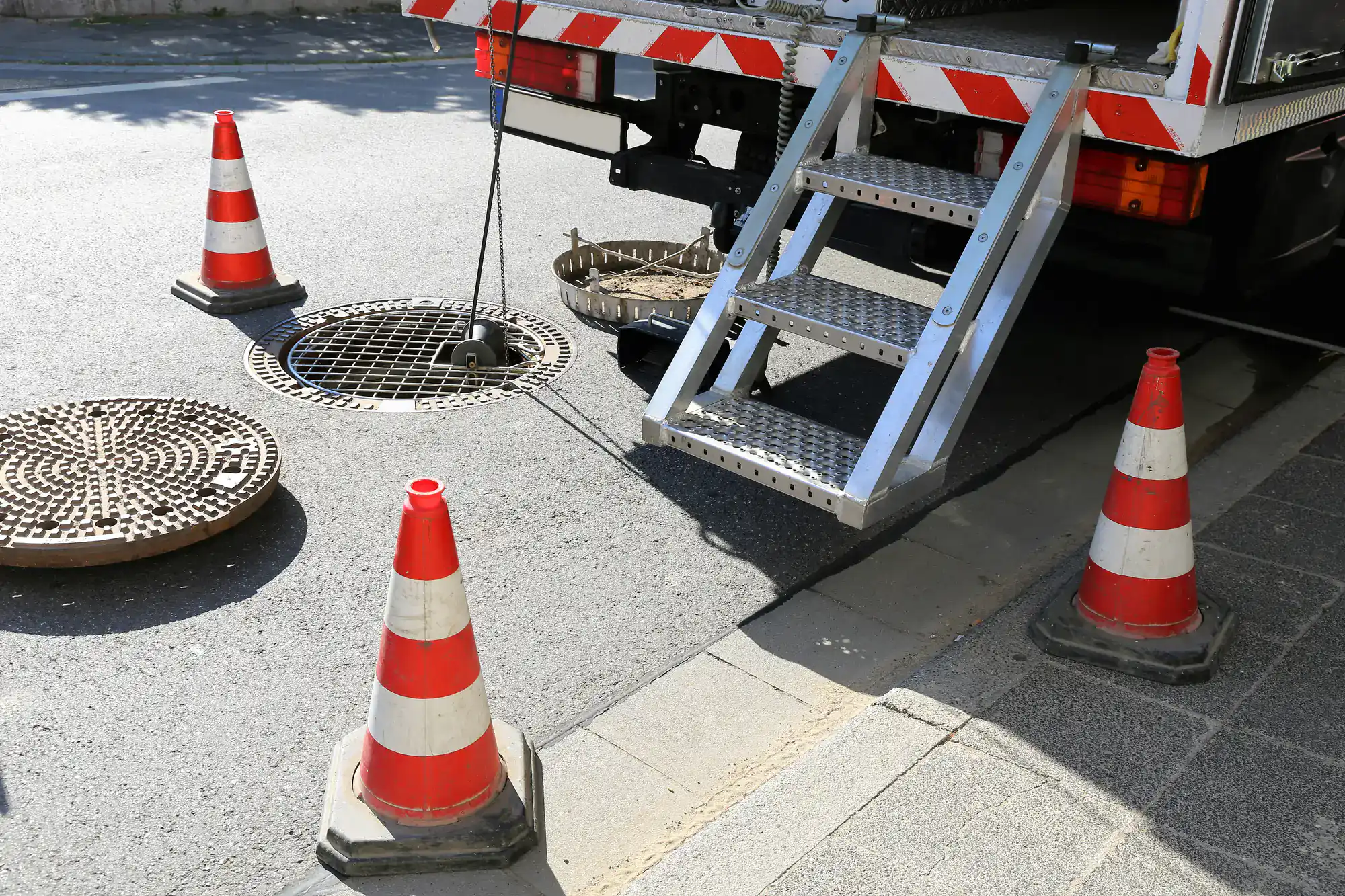
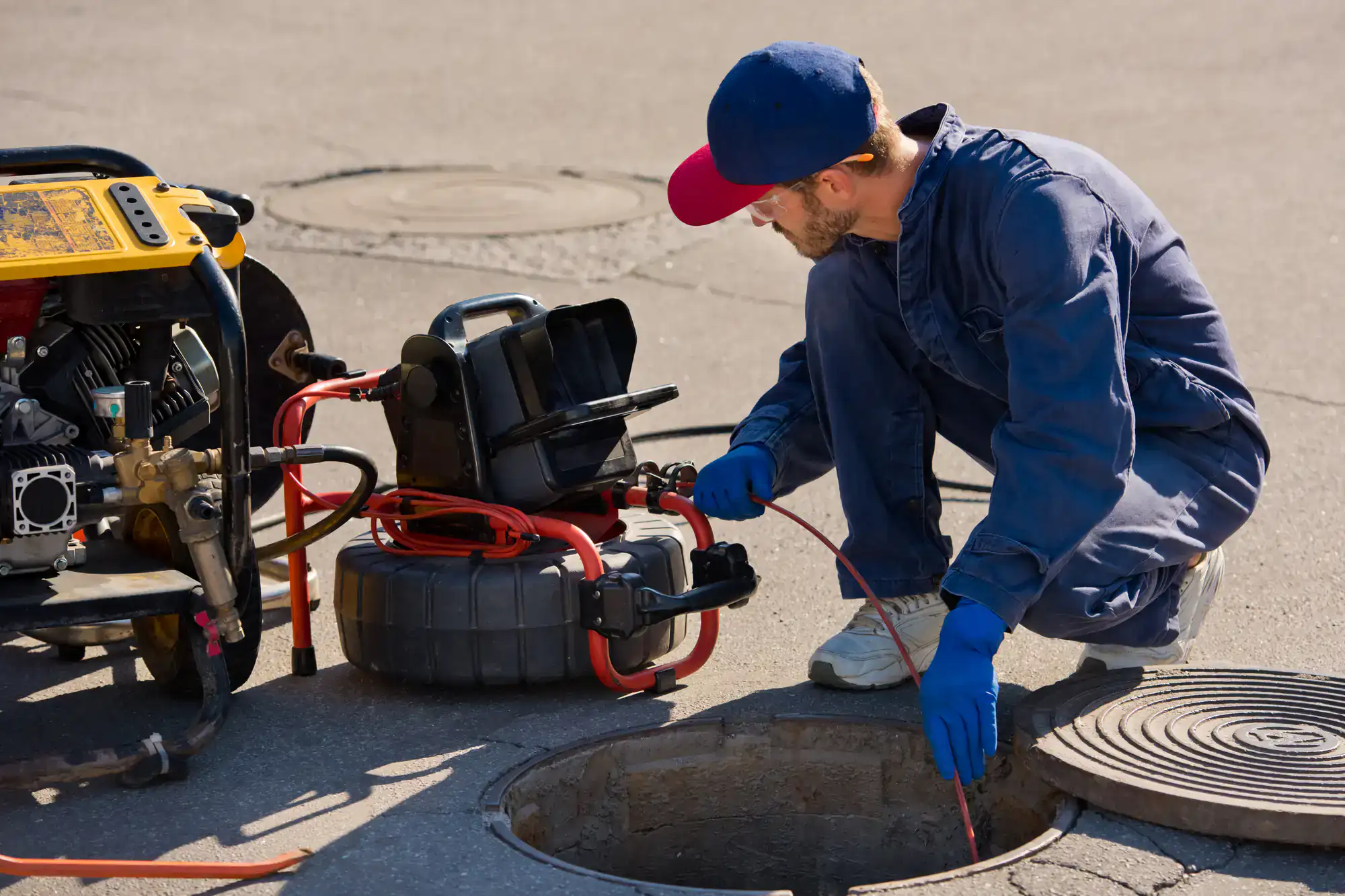
When we arrive at your property, the first thing we do is locate your clean-out access point the entry point for the camera. On many Rescue properties, especially older homes built in the 1960s through 1980s, the clean-out may be partially obscured or in an unexpected location. We find it, confirm the pipe diameter, and get the camera in.
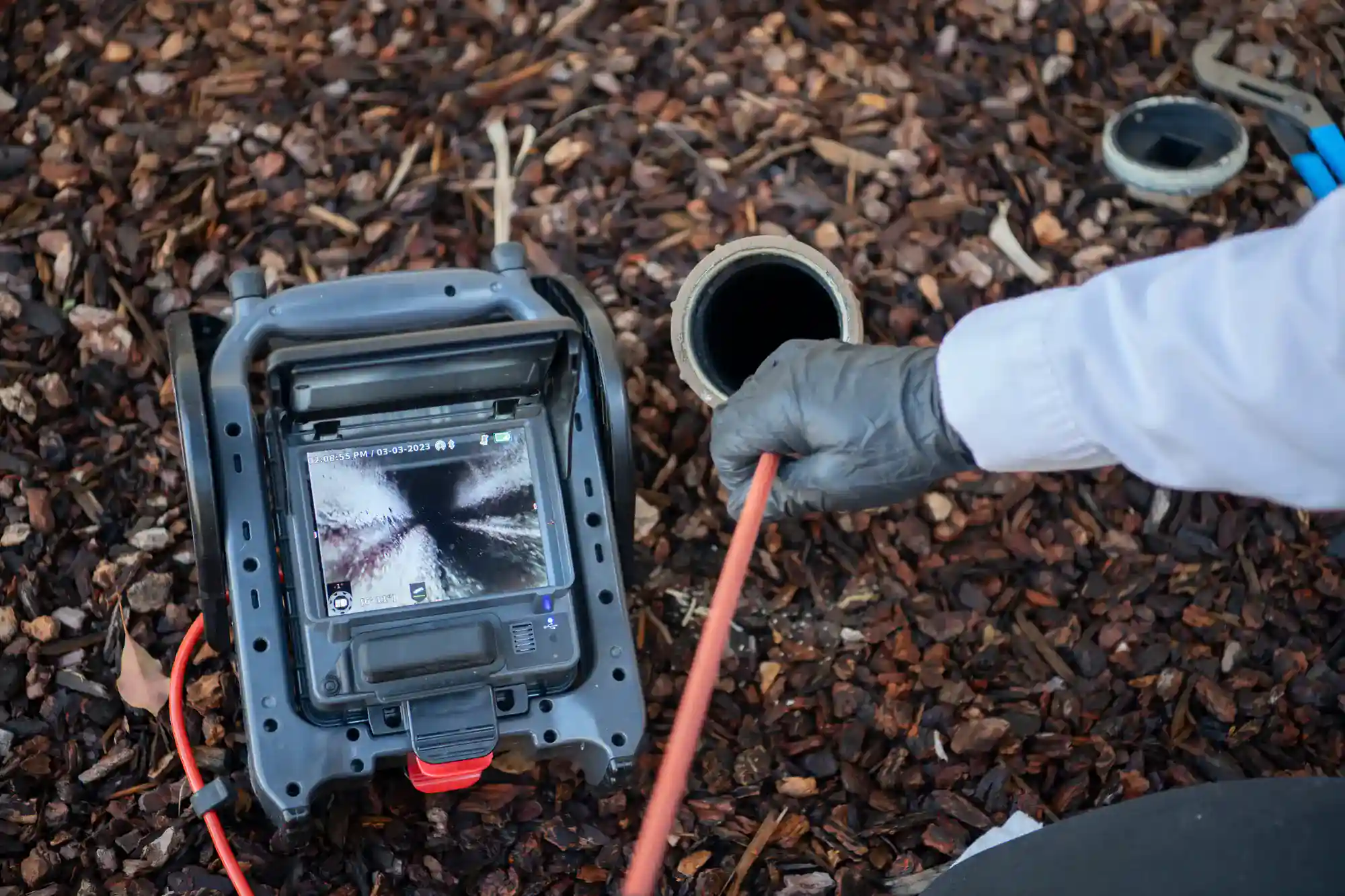
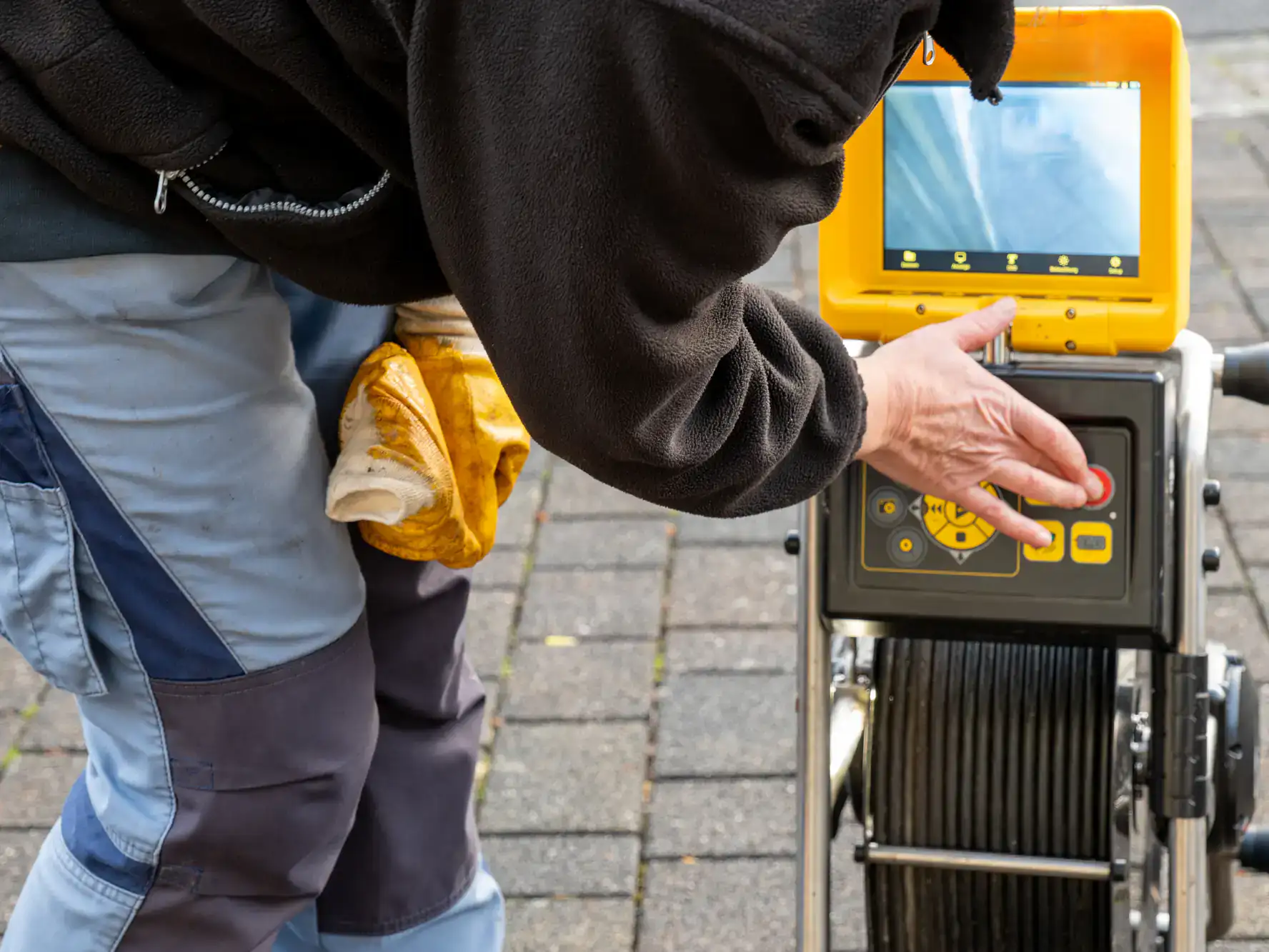
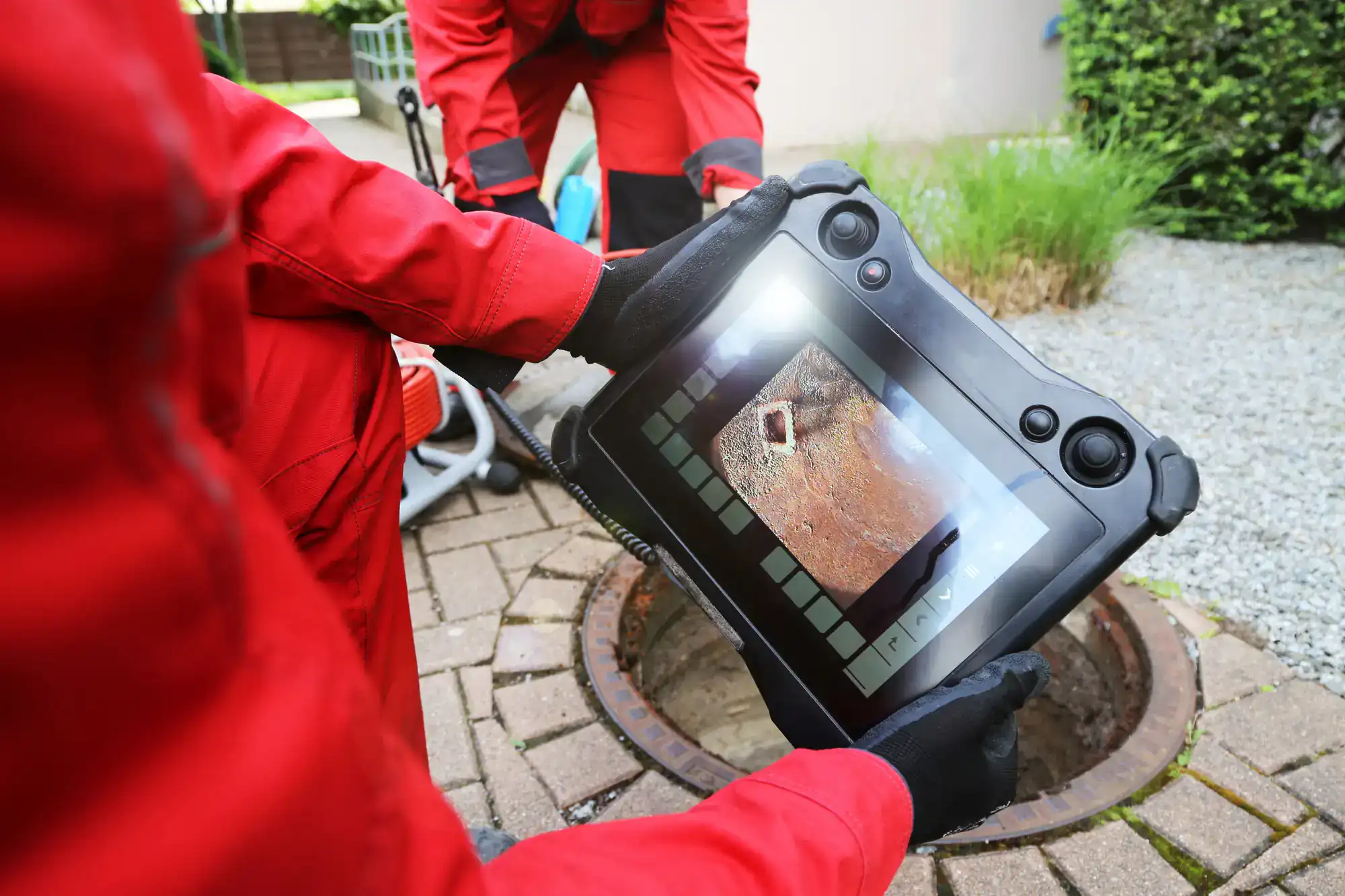
From there, the inspection runs the length of your lateral line up to 350 feet if needed. The camera is self-leveling with high-powered LED lighting, so the footage is clear even in older, partially obstructed lines. You can watch in real time as our technician moves through the pipe and narrates what the camera picks up root intrusion, cracks, pipe belly, joint separation, or a clean line with nothing to report. The locating transmitter built into the system marks any problem area above ground so we can tell you exactly where it is without guessing or exploratory digging.
One practical note for Rescue properties: if your home connects to EID sewer infrastructure, any follow-up excavation work requires 811 Underground Service Alert notification at least 48 hours before digging begins. If you’re on a private septic system, El Dorado County Environmental Health governs the permitting process for any lateral repair work. We’re familiar with both and we’ll walk you through what applies to your property before any repair conversation starts.
Ready to get started?
Our sewer camera inspection covers pipe diameters from 1.5 to 72 inches and navigates up to 350 feet of line well beyond what most consumer-grade or budget inspection equipment can handle. On a Rescue property where the lateral may run a significant distance across a large lot before reaching its connection point, that reach matters. We’re not stopping short of the problem because the equipment ran out of cable.
Every inspection includes recorded video footage of the full run, above-ground location marking of any identified issues, and a clear verbal walkthrough of findings before we leave your property. You’re not handed a vague summary you see the footage, you understand what it shows, and you know where the problem is if there is one. If the line is clean, we tell you that too.
Pricing for a sewer camera inspection runs $99 to $300 depending on the property and line configuration well below the national average of $685 and below typical Sacramento-area rates. That range covers both sewer-connected properties served by EID and homes running to private septic systems, which represent a meaningful share of Rescue’s housing stock. If the inspection reveals something that needs attention, we’ll explain the options clearly. There’s no pressure to approve anything on the spot, and no repair recommendation gets made without the footage to back it up.
Yes and this is one of the more important distinctions for Rescue homeowners specifically. A meaningful portion of properties in the 95672 are not connected to EID’s municipal sewer system and instead rely on private septic systems. Our sewer camera inspection process applies to both: we can inspect the lateral line running from your home to the septic tank inlet, assess the condition of the pipe along that run, and identify any cracks, root intrusion, or blockage that may be developing.
For septic-connected properties, the lateral line is entirely the homeowner’s responsibility there’s no utility district managing it, and there’s no routine inspection unless you schedule one. El Dorado County Environmental Health governs permitting for any repair work on private sewage disposal systems, so if the inspection reveals something that needs fixing, we’ll walk you through what that process looks like before any work begins. The inspection itself doesn’t require a permit it’s the repair work that triggers county involvement.
We price our sewer camera inspection between $99 and $300 depending on the property and line configuration. To put that in context, the national average for this service is around $685, and Sacramento-area rates typically run $250 to $850. Our pricing falls below both benchmarks, and it’s stated upfront not quoted after we’ve already arrived at your property.
The reason this matters in Rescue specifically is that many homes here sit on larger lots with longer lateral runs than you’d find in a denser suburban community. More pipe means more potential exposure, and catching a developing problem early whether it’s root intrusion from one of the property’s oaks, a cracked joint from soil movement, or a belly section that’s been pooling waste costs a fraction of what it costs to repair or replace a section of failed pipe. A collapsed lateral under a driveway or landscaped yard can run $3,000 to $10,000 or more. The inspection is the cheapest part of this equation by a significant margin.
Root intrusion is the most consistent finding on Rescue properties and it makes sense given the landscape. Valley oaks, blue oaks, and other deep-rooted trees are everywhere in this community, and their root systems are moisture-seeking. The small amount of moisture that escapes from even a hairline crack in an aging clay or cast iron lateral is enough to draw roots toward the pipe. Once they’re in, they grow season by season until they form a blockage or cause the pipe to fail.
Beyond roots, the clay-loam soils common throughout El Dorado County’s foothill terrain expand when wet and contract during the dry season. That movement puts stress on buried pipe joints over years and decades, leading to joint separation or the formation of a pipe belly a low spot in the line where waste pools instead of flowing freely. Homes built in the 1960s through 1980s are particularly likely to have original clay tile or cast iron laterals that are now at or past their expected service life. The camera tells you which of these conditions are present and how far along they’ve progressed.
There’s no mandatory sewer lateral compliance ordinance for unincorporated Rescue the way there is in some incorporated California cities. So technically, no it’s not legally required. But buyers’ agents and lenders in El Dorado County are increasingly recommending sewer scope inspections as part of due diligence, particularly for older properties, rural parcels, and homes with septic systems.
The reason is straightforward: a standard home inspection does not cover underground sewer lines. The inspector who walked the attic and checked the electrical panel did not look inside the pipe running from the house to the connection point. On a Rescue property where the home may be 40 to 60 years old, where mature oaks are common, and where the lateral may run across sloped terrain to a septic tank the sewer line is one of the higher-risk systems in the transaction. A documented camera inspection before closing either confirms the line is in good shape or gives the buyer real leverage to negotiate repairs before the deal is done. For sellers, having that documentation ready can prevent last-minute surprises that derail the sale.
Most sewer camera inspections take between 45 minutes and two hours from arrival to completion. The actual inspection run is usually the faster part the variables that add time are locating the clean-out access point, dealing with older pipe configurations, and navigating any partial obstructions that slow the camera’s progress through the line.
On rural Rescue properties where the lateral runs a longer distance to reach the connection point or septic tank, the inspection takes longer simply because there’s more pipe to cover. Our equipment handles up to 350 feet of line, so we’re not stopping short on a large lot. We also take the time to mark any problem locations above ground with the locating transmitter before wrapping up that step adds a few minutes but means you know exactly where an issue sits without anyone making an educated guess. If you’re scheduling around a commute or a school pickup on Bass Lake Road, we’ll give you a realistic time window when you book so you’re not waiting around.
Spring is the most practical window for most Rescue homeowners. Winter rains saturate the clay-loam soils throughout El Dorado County, which accelerates root growth and puts the most stress on buried pipe joints. By the time spring arrives, any root intrusion that’s been developing through the wet season is more visible on camera, and any joint movement caused by soil expansion is easier to assess before the dry season causes the ground to contract again.
That said, fall is a close second particularly if you’ve had any slow drains or gurgling through the summer. Scheduling an inspection before the winter rains arrive gives you a clear picture of the line’s condition before the wet season puts additional pressure on it. If you’ve had a recurring backup or a drain issue that came and went without a clear explanation, that’s the signal to stop waiting regardless of the season. Root intrusion doesn’t pause between fall and spring it just slows down slightly. Catching it before it fully blocks the line is always less expensive than dealing with it after the fact.