
Sewer Camera Inspection
Get a free quote for sewer camera inspection from your local plumbing team.
We’ll contact you about your sewer camera inspection request. Privacy policy
Hear from Our Customers
A lot of Citrus Heights homes were built in the 1960s and 1970s, and many of them still have their original clay or cast iron sewer laterals running underneath the yard. Clay pipe has about a 50-year lifespan under normal conditions. If your home was built in 1970, that pipe hit its expected service life around 2020. That doesn’t mean it’s failed but it does mean you’re past the point where “probably fine” is a good enough answer.
Then there’s the tree situation. Citrus Heights has a mature, protected urban tree canopy, and those roots don’t stop growing just because they’re near a pipe. The city requires permits to remove native oaks and other large trees, so the trees aren’t going anywhere. What that means practically is that root intrusion into cracked or aging laterals is one of the most common things we find in a sewer pipe inspection in Citrus Heights and it’s something that only gets worse the longer it goes unaddressed.
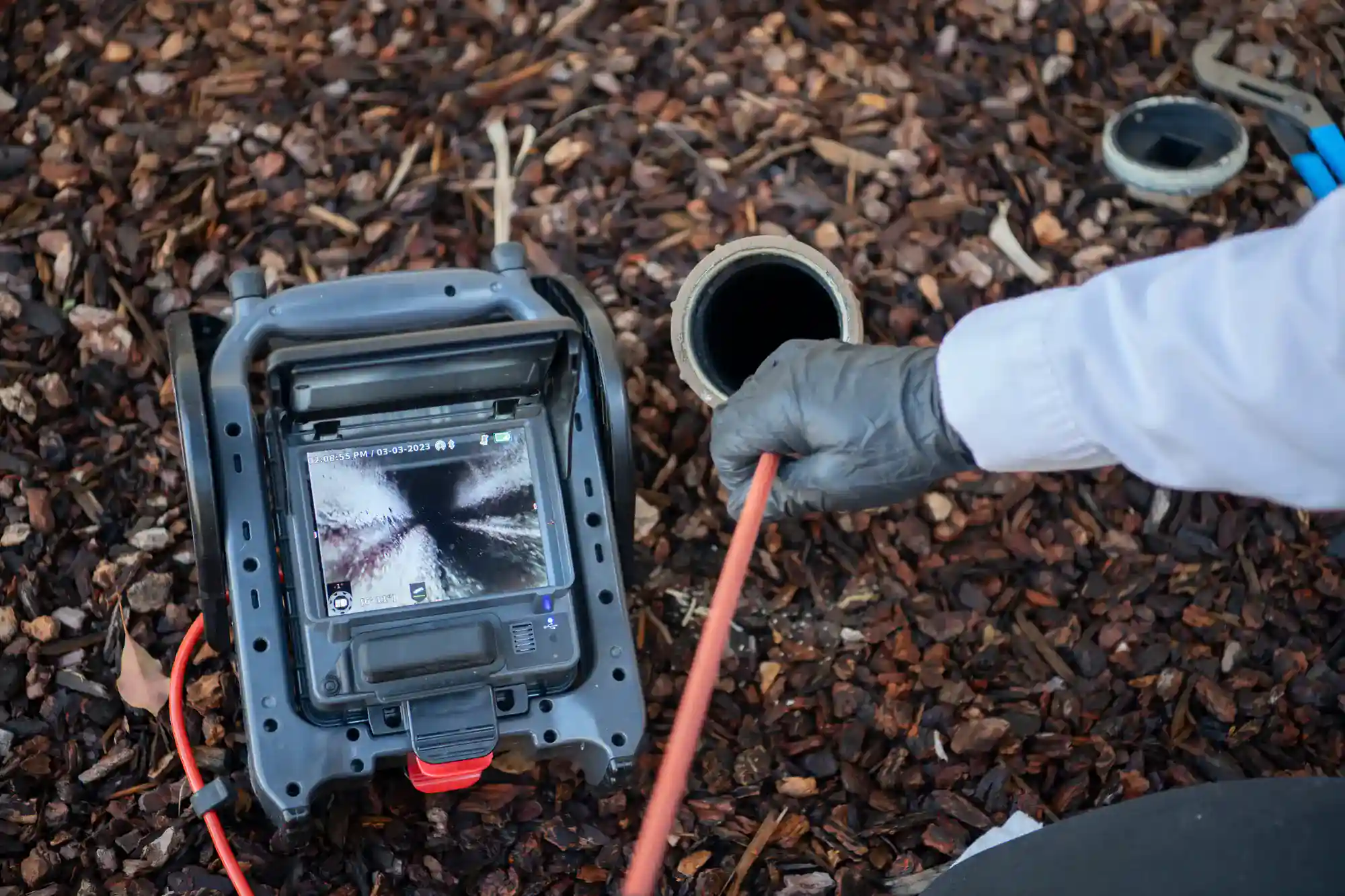
A sewer line camera inspection gives you a real picture of what’s happening underground not an estimate, not a guess, but actual footage of your pipe interior with a clear explanation of what was found. If there’s a problem, you know where it is and what it looks like. If there isn’t, you have documentation that confirms it. Either way, you’re making decisions based on facts.
We hold a California C-36 Plumbing Contractor license and serve Sacramento County communities including Citrus Heights. That license matters here any sewer lateral inspection used for official documentation, a Sacramento Area Sewer District dispute, or a real estate transaction needs to be performed by a licensed plumber. That’s not a formality; it’s a functional requirement.
Our Google rating is 4.7 out of 5 across 93 verified reviews. Customers in Citrus Heights and surrounding areas consistently mention showing up on time, explaining things clearly, and final invoices coming in at or below the original estimate. That last part is worth noting in a market where “affordable” often turns out to mean something different once the work is done.
Our inspection price starts at $99 and runs up to $300 depending on the complexity of the system. You’re told the range before anyone shows up. There’s no upsell built into the inspection process the camera goes in, the footage is recorded, and you get a clear explanation of what was found. What you do with that information is your call.
When you call or book online, you’ll get an upfront price range before anyone is scheduled. No vague “we’ll let you know when we get there” you know what you’re looking at financially before the appointment is confirmed. For Citrus Heights homeowners in escrow, that also means you can schedule fast. With homes in this market selling in an average of 27 days, there’s no time to wait on a plumber who can’t commit to a same-day or next-day slot.
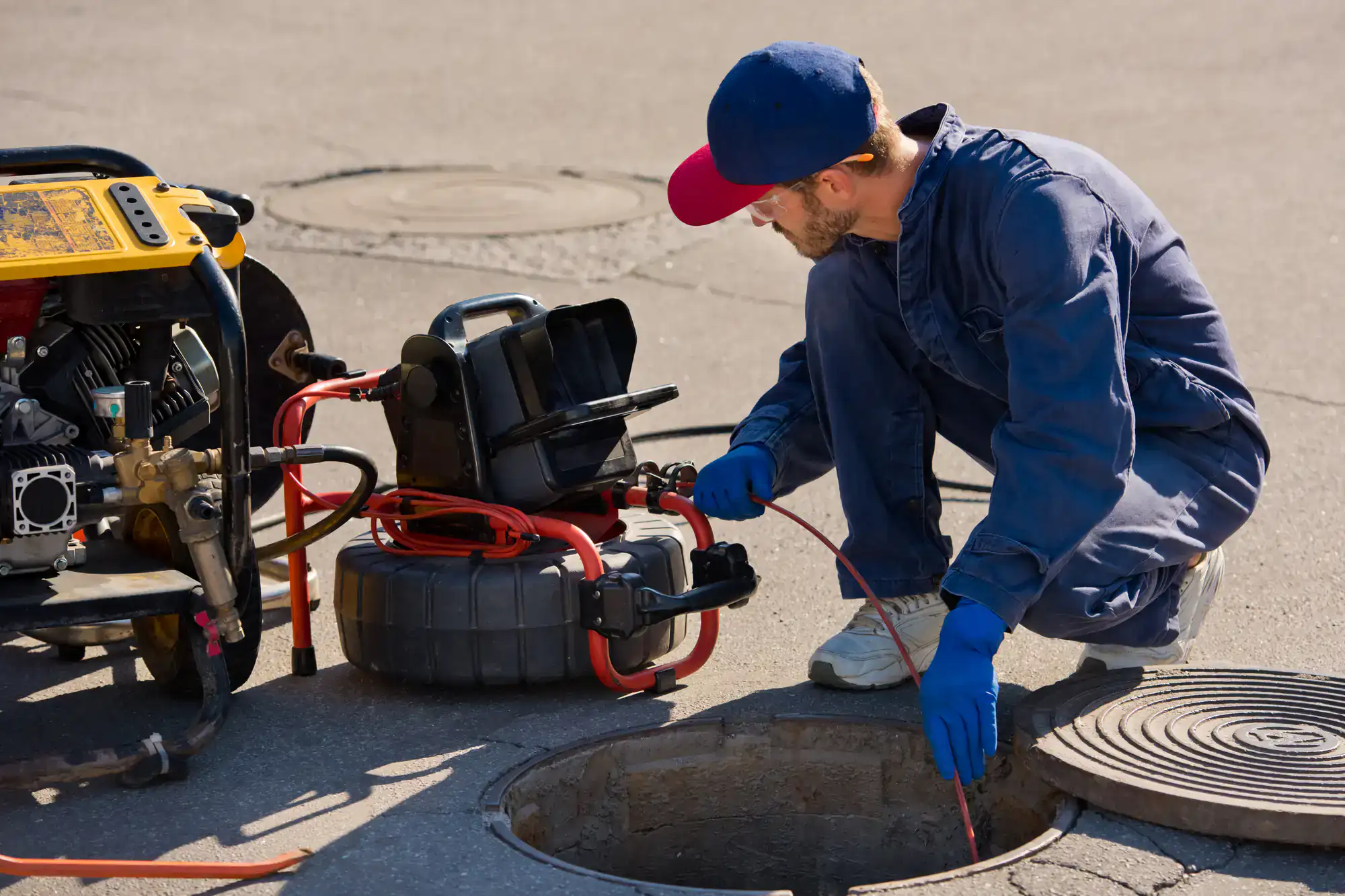
On the day of the inspection, the camera enters through an existing cleanout access point no digging, no cutting into walls, no disruption to your yard or landscaping. Our equipment handles pipe diameters from 1.5 inches to 72 inches and can navigate up to 350 feet of line, which matters in older Citrus Heights homes where the lateral may have multiple bends, decades of buildup, or areas of concern spread across a longer run. An above-ground locating transmitter pinpoints any problem areas from the surface, so you know exactly where an issue is without anyone needing to excavate first.
You watch the footage in real time. Our technician narrates what they’re seeing as the camera moves through the line root intrusion, cracks, pipe belly, offset joints, buildup whatever is there, you see it at the same time they do. You leave the inspection with recorded footage, location data for any problem areas, and a plain-language explanation of what was found and what your options are.
Ready to get started?
Sewer service in Citrus Heights runs through a two-tier system. The Sacramento Area Sewer District (SASD) maintains the public collection lines. The private lateral the pipe that runs from your home to the public main is your responsibility. When something backs up, SASD will check their side of the line. If the problem is in your lateral, which it frequently is, the cost of diagnosis and repair falls to you. A sewer camera inspection is how you establish which side of that line the problem is on, and it’s the documentation SASD and contractors will reference when determining next steps.
Every Murray Plumbing sewer camera inspection in Citrus Heights includes recorded video footage of the full accessible pipe run, above-ground location marking of any identified problem areas, and a clear written and verbal summary of findings. If the inspection is being used for a real estate transaction, the documentation is formatted to support that use. If you’re dealing with a recurring backup near Arcade Creek or in an older Sylvan neighborhood home, the footage gives you and any contractor a factual starting point rather than a diagnosis based on guesswork.
We also offer trenchless sewer inspection and repair options for situations where the footage identifies a problem that needs to be addressed. That means if a repair is needed, it doesn’t automatically mean excavating your yard there are non-invasive options, and the inspection footage is what determines whether you’re a candidate for them.
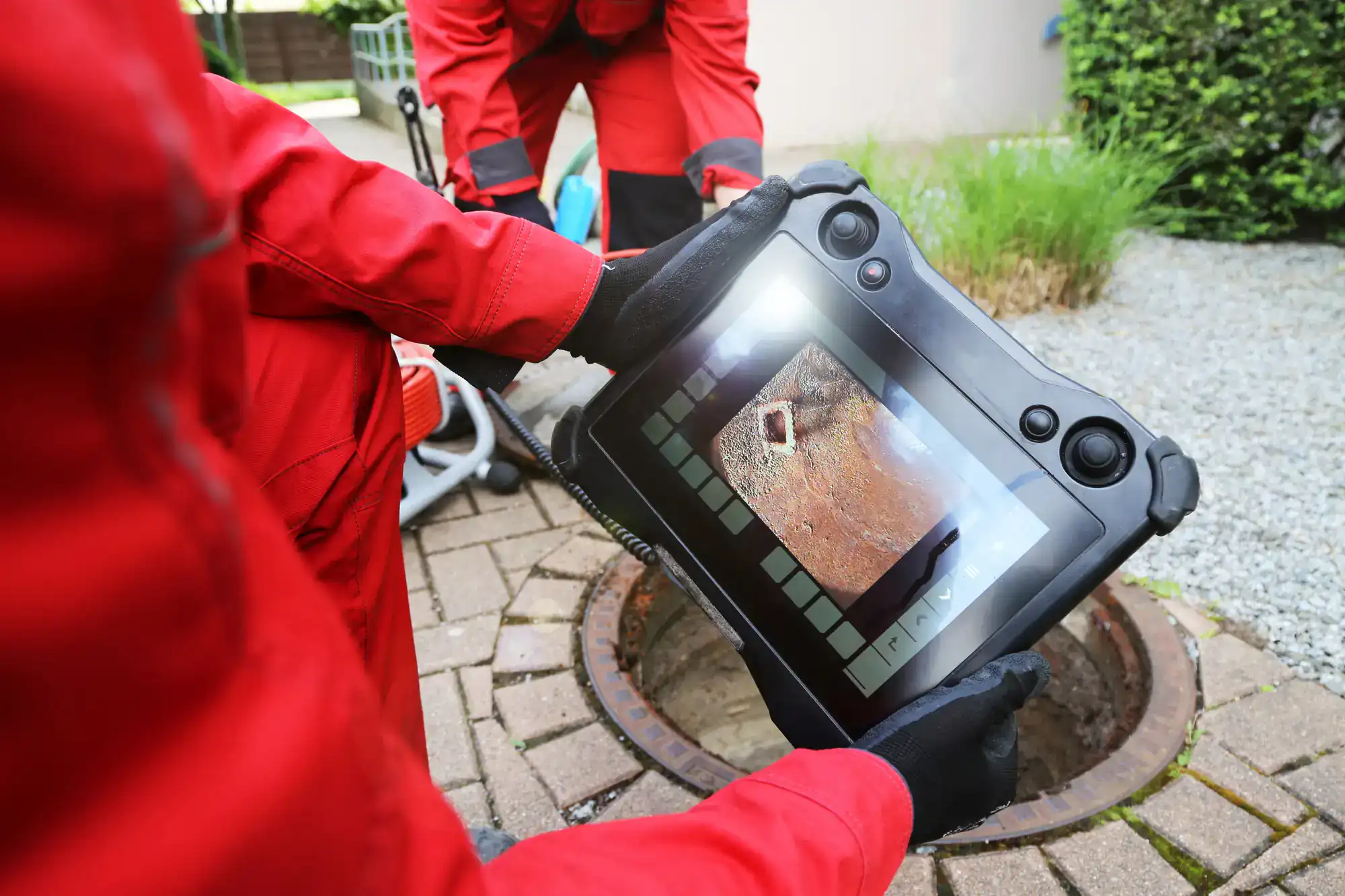
Our sewer camera inspection in Citrus Heights starts at $99 and runs up to $300 depending on the complexity of the system how long the lateral is, how many access points are involved, and what conditions the camera encounters. That range is given to you upfront before anyone is scheduled, and customers regularly report that their final invoice came in at or below the original estimate.
To put that in context, the national average cost for a sewer camera inspection is around $685. Sacramento-area competitors typically quote anywhere from $250 to $850. At $99 to $300, you’re getting professional-grade equipment, a licensed C-36 plumber, and documented footage not a budget shortcut. For a Citrus Heights homeowner staring down the possibility of a sewer line repair that could run $1,000 to $6,000, or a full replacement that can exceed $10,000, the inspection cost is a small number relative to what it can prevent or clarify.
In Citrus Heights, the Sacramento Area Sewer District (SASD) is responsible for the public sewer main. The private lateral the pipe that connects your home to that main is your responsibility as the property owner. That boundary matters because when a backup or failure occurs, SASD will investigate their side of the line first. If the problem is in your lateral, which is the more common finding, the repair cost is yours.
A sewer camera inspection is the clearest way to establish where the problem actually is. The footage shows exactly where in the pipe run an issue occurs, and the above-ground locating transmitter identifies the precise surface location. If the problem is near the connection to the public main, that documentation can also support a conversation with SASD about whether the issue crosses into their jurisdiction. You can reach SASD directly at 916-875-6730 if you want to report a concern or verify which district serves your address before scheduling.
The most common findings in Citrus Heights homes built in the 1960s through the 1980s are root intrusion, cracked or offset pipe joints, and pipe belly a sag in the line where waste accumulates instead of flowing through. Clay pipe, which was standard in that era, becomes brittle over time and develops hairline cracks at joints. Those cracks are entry points for tree roots, and in a city where large oaks and mature trees are protected by ordinance and can’t simply be removed, root intrusion is a recurring problem rather than a one-time fix.
Pipe belly is particularly common in areas with soil movement, including neighborhoods near Arcade Creek where seasonal moisture variation causes the ground to expand and contract. A sagging section doesn’t always cause an immediate backup, but it creates a low point where solids collect and eventually build into a blockage. The camera footage identifies these conditions precisely not as a general suspicion, but as a documented location and severity level that you and any contractor can work from.
A standard home inspection doesn’t include the underground sewer lateral. When you’re buying a 1970s ranch-style home in Sylvan, near Greenback Lane, or anywhere else in Citrus Heights where the housing stock is primarily from that era, you’re buying 50-plus years of pipe history that no inspector has evaluated. A pre-purchase sewer pipe inspection gives you a documented picture of what’s underground before you close.
In practical terms, that footage can do a few things for you. If the inspection finds a problem, you have grounds to request a repair credit or price reduction before signing. If it finds nothing significant, you have documentation that the lateral was in acceptable condition at the time of purchase which matters if something comes up in the first year of ownership. With Citrus Heights homes selling in an average of 27 days and inventory rising through 2025, buyers who want a sewer scope need to move quickly. We offer same-day and next-day scheduling to keep up with escrow timelines.
Most sewer camera inspections on a standard single-family home in Citrus Heights take between 45 minutes and 90 minutes from arrival to completion. That includes accessing the cleanout, running the camera through the full accessible pipe length, using the above-ground locating transmitter to mark any problem areas, and walking you through the footage with a plain-language explanation of what was found.
Older homes with longer laterals, multiple bends, or significant buildup can take closer to the 90-minute end of that range. Our equipment handles up to 350 feet of line, so even longer runs from homes set back from the street which are common in some Citrus Heights subdivisions are covered without needing multiple access points. If you’re scheduling around an escrow deadline or a contractor appointment, the turnaround from inspection to documented findings is typically the same day.
Recurring backups are one of the clearest signs that something is happening in the pipe that a rooter service isn’t fully resolving. Clearing a clog removes the immediate blockage, but if there’s root intrusion, a cracked joint, or a pipe belly creating a collection point, the problem comes back. In Citrus Heights, where the combination of aging clay laterals and protected mature trees creates exactly this cycle, a lot of homeowners end up calling for rooter service two or three times before deciding to find out what’s actually going on.
A sewer line camera inspection breaks that cycle by showing you what’s causing the recurring problem. If it’s root intrusion at a specific joint, you can address that joint rather than clearing roots that will grow back. If it’s a pipe belly that’s collecting debris, you know the location and the severity. That information changes the conversation from “clear it again and hope” to “here’s the actual problem, here are the options, and here’s what each one costs.” That’s a more useful place to be and it’s a cheaper long-term outcome than paying for repeated service calls that don’t fix the underlying issue.