
Sewer Camera Inspection
Get a free quote for sewer camera inspection from your local plumbing team.
We’ll contact you about your sewer camera inspection request. Privacy policy
Hear from Our Customers
At 3,743 feet in the Sierra Nevada foothills, Alta doesn’t get the mild winters that Sacramento homeowners take for granted. Every freeze-thaw cycle puts stress on underground pipe joints and in a home built in the 1970s, those joints have already been through a lot. A sewer line camera inspection tells you exactly what condition your pipes are in before the next hard winter finds the weak spots for you.
Most of the homes in the 95701 ZIP code are sitting on infrastructure that’s now 50 years old. Cast iron and clay pipes don’t fail all at once they crack slowly, collect root intrusion gradually, and develop low spots over time. By the time you notice a slow drain or a backup, the problem underground is usually well past its early stages. Getting a camera down the line gives you a clear picture of where things stand, so you can make a real decision instead of guessing.
The other thing worth knowing: Alta’s forested lots the Sugar Pines, Douglas Firs, and Cedars surrounding most properties aren’t just beautiful. Their root systems are actively seeking moisture, and a hairline crack in an aging sewer lateral is exactly the kind of invitation they take. A sewer pipe inspection catches that early. It’s not dramatic it’s just the practical thing to do when you own property in a mountain environment like this one.
We hold a California CSLB C-36 Plumbing Contractor license and serve homeowners throughout Placer County, including unincorporated communities like Alta along the I-80 corridor. That means we’re familiar with Placer County’s Environmental Health requirements, the county’s LAMP septic regulations, and the infrastructure realities of rural mountain properties in Alta not just the suburban tract homes closer to Auburn or Roseville.
Our inspection pricing runs $99 to $300, which sits well below the national average of $685. More importantly, the final bill consistently comes in at or below the original estimate a pattern that shows up repeatedly across our 93 Google reviews, which average 4.7 out of 5 stars. Customers specifically call out the lack of upsell pressure and the straightforward communication about what was found.
The philosophy is simple: the camera goes in, you see what’s there, and you get honest information to make your own call. No pressure, no manufactured urgency, no repair recommendations that conveniently total three times the inspection fee.
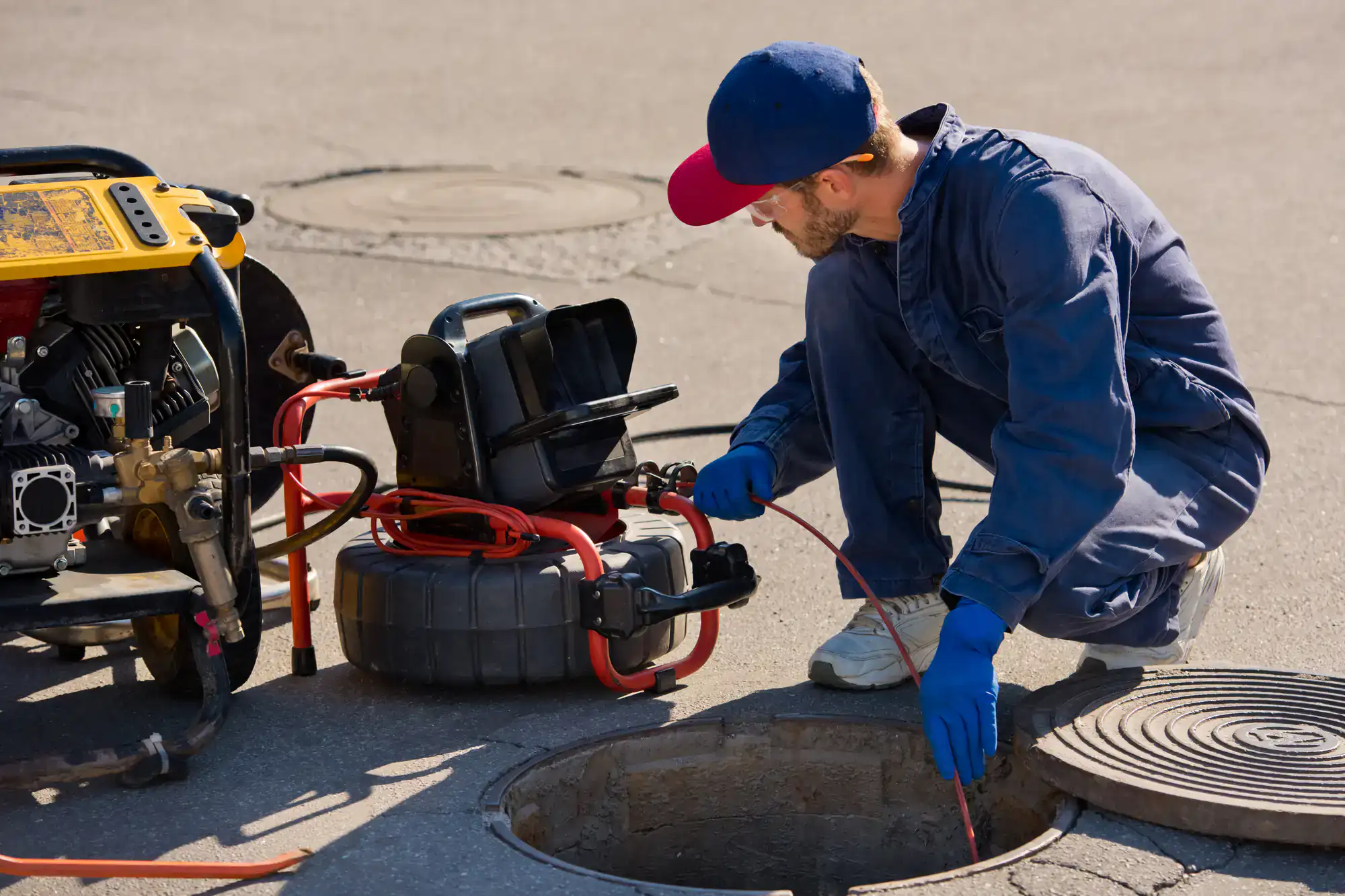
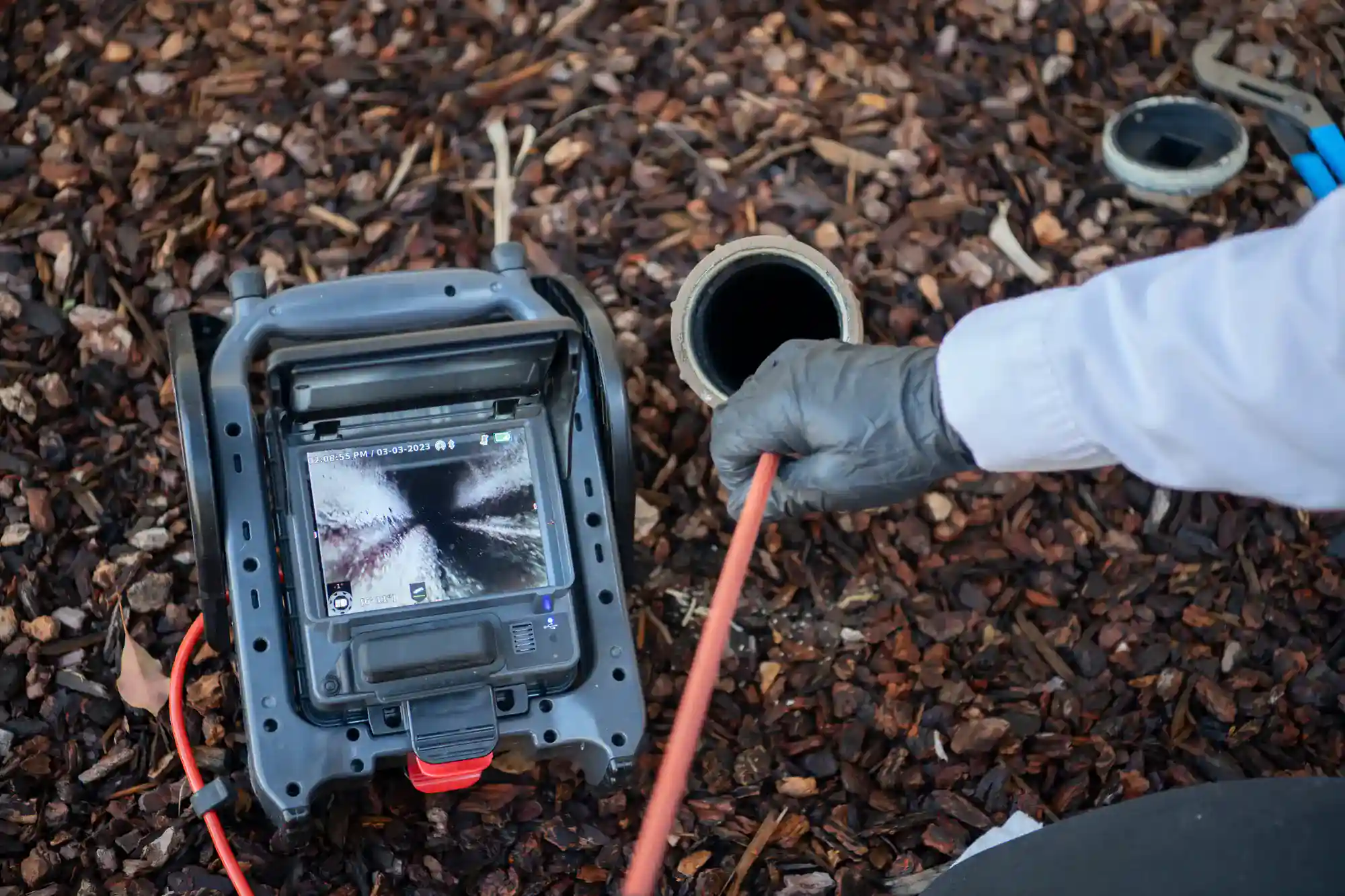
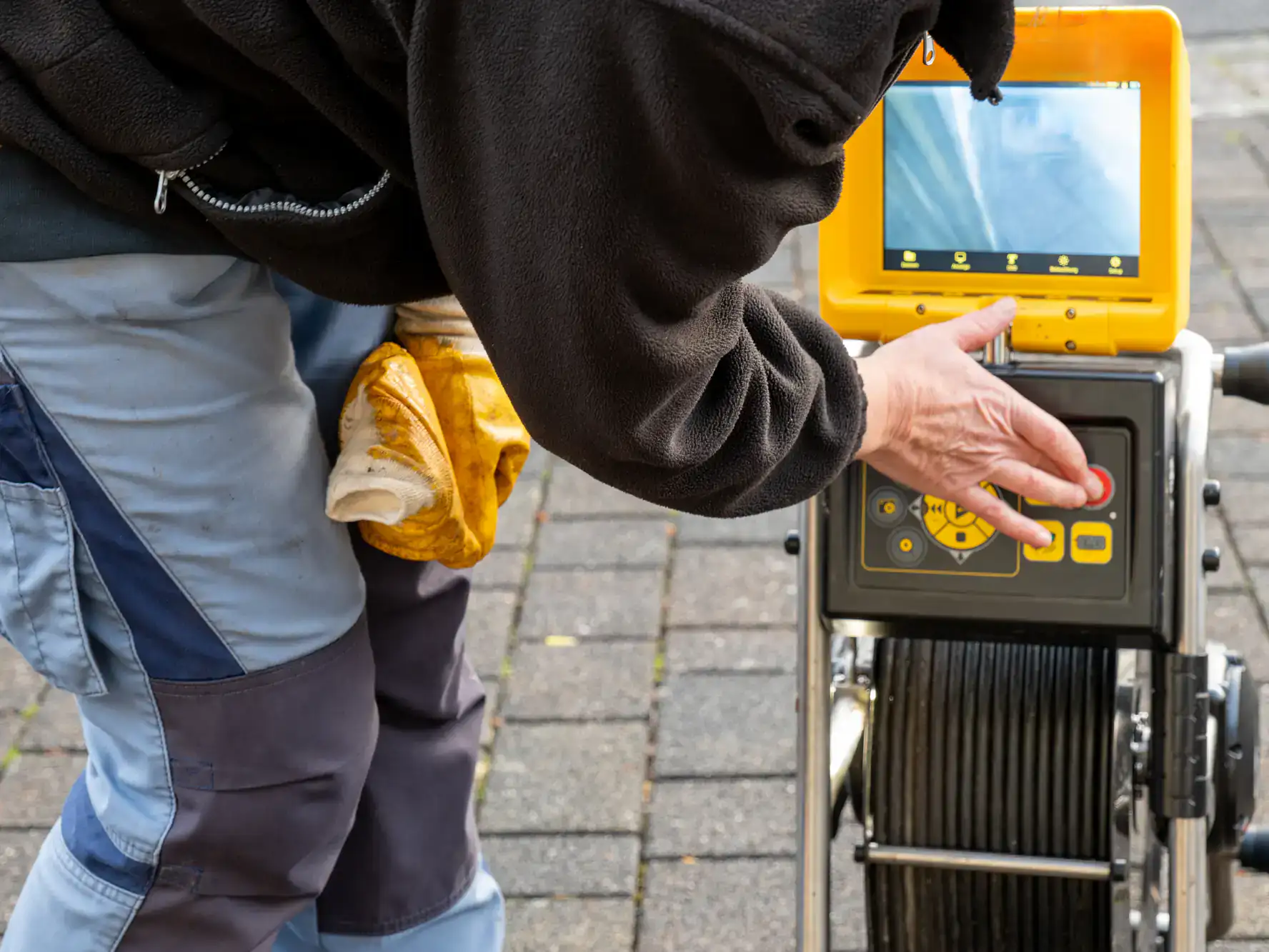
It starts with a phone call or booking, and from there the process is straightforward. One of our licensed technicians comes to your Alta property, accesses your sewer cleanout or an appropriate entry point, and feeds a professional-grade camera into the line. The camera handles pipes from 1.5 to 72 inches in diameter and can navigate up to 350 feet which matters on a rural lot in Alta where lateral runs to a septic tank can be significantly longer than what you’d find on a standard suburban lot.
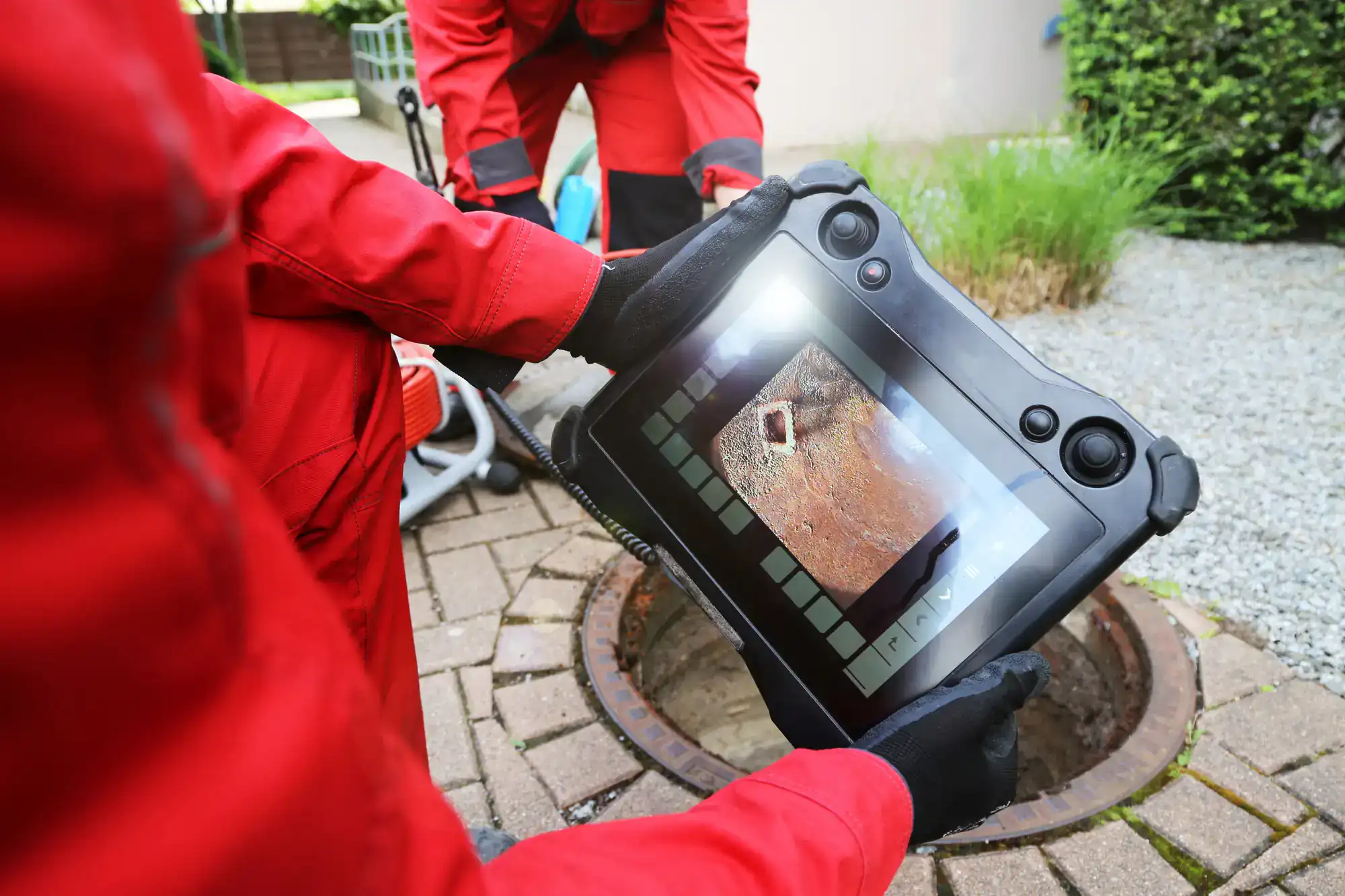
As the camera moves through the pipe, you watch the live feed in real time. We walk you through what’s visible root intrusion, cracks, sediment buildup, pipe belly, joint separation and explain what it means in plain language. If there’s a problem area, a locating transmitter pinpoints it above ground so any repair work can be targeted precisely, without excavating your forested acreage to find it.
After the inspection, you receive recorded video, still images, and a written summary of findings. For Alta homeowners navigating a Placer County septic compliance question or preparing for a property sale where septic documentation is a standard part of the transaction that documentation is what you need. The inspection itself typically takes one to two hours depending on the length and condition of the line.
Ready to get started?
Alta properties present a different set of inspection conditions than a standard Sacramento-area home. Many homes in the 95701 ZIP code are on private septic systems rather than a municipal sewer connection which means the sewer lateral inspection isn’t just about the line running to the street. It’s about the pipe running from the house to the septic tank, the inlet and outlet conditions of the tank itself, and whether the system is holding up under 50-plus years of use and Placer County’s seasonal ground movement.
The inspection covers the full accessible length of your sewer or septic lateral, with the camera identifying root intrusion, cracks, corrosion, pipe belly, and any section showing signs of structural compromise. Because Alta’s soils are rocky and granitic not the flat clay soils of the valley floor pipes here tend to shift and settle unevenly over time, creating joint separations and low spots that trap waste and accelerate deterioration. The camera catches all of it.
For homeowners buying or selling in Alta, this inspection produces the kind of documentation that satisfies a buyer’s agent, a Placer County Environmental Health inquiry, or your own need to know what you’re working with. If you’re reactivating a property after a winter away a common situation for mountain retreats along the I-80 corridor a post-winter sewer camera inspection is a practical first step before assuming everything is fine underground.
Our sewer camera inspection pricing in Alta runs between $99 and $300, depending on the length of the line and access conditions on your property. That’s significantly below the national average of $685 and well within the range that makes this a reasonable step before buying, selling, or heading into another Sierra winter.
For Alta specifically, the inspection cost can vary slightly based on the length of the lateral run rural properties on larger lots often have longer lines to the septic tank than a typical suburban home. If your property has a cleanout already installed and accessible, the process is straightforward. If access requires additional setup, that gets factored in upfront, not added to the bill after the fact. The final cost consistently comes in at or below the original estimate, which is something our customers mention repeatedly in their reviews.
If your Alta home was built in the 1970s, your underground sewer or septic lateral is now approximately 50 years old. Cast iron pipes have a typical service life of 50 to 75 years, and clay pipes require close monitoring after the 50-year mark. Alta’s housing stock in ZIP code 95701 falls squarely in that risk window, which means the question isn’t really whether the pipes will eventually need attention it’s whether you know what condition they’re in right now.
The challenge with aging pipes in a mountain environment like Alta is that the damage is rarely obvious from above ground. Freeze-thaw cycles at nearly 3,800 feet accelerate joint cracking and material fatigue in ways that don’t produce immediate backups. Root intrusion from the conifers surrounding most Alta properties works slowly and silently. A sewer pipe inspection is the only reliable way to see what’s actually happening inside a 50-year-old line and the cost of the inspection is a fraction of what an undetected collapse or failed lateral costs to repair.
Yes and for most Alta properties, this is exactly the inspection that matters most. Many homes in the unincorporated areas of Placer County, including Alta, are on private septic systems rather than a municipal sewer connection. A sewer camera inspection of the lateral line running from your house to the septic tank is the most direct way to assess whether that line is intact, clear of root intrusion, and structurally sound.
Placer County’s Environmental Health division governs septic systems under the Local Agency Management Program (LAMP), and any significant repair or modification to a septic system requires documentation that meets county standards. Our inspection is performed by a licensed C-36 California contractor, and the recorded footage, still images, and written report produced during the inspection are the kind of documentation that holds up to county scrutiny. If you’re dealing with a Placer County compliance question, preparing for a property sale, or simply want to know what condition your septic lateral is in before the next winter season, this is the right tool for that job.
Alta sits at 3,743 feet in the Sierra Nevada foothills, which means it experiences genuine freeze-thaw cycles that Sacramento-area communities never deal with. When water gets into a small crack in an underground pipe and freezes, it expands and that expansion widens the crack, separates joints, and accelerates the deterioration of already-aging cast iron or clay materials. Over multiple winters, this cycle compounds. What starts as a hairline fracture becomes a structural problem.
The issue is that freeze-thaw damage underground doesn’t always produce an immediate, obvious symptom. You might notice a slightly slower drain or a faint odor, but a full backup or collapse can develop without much warning if the damage progresses undetected. A sewer line camera inspection after a hard Sierra winter is one of the most practical things an Alta homeowner can do it tells you whether the season left damage behind before that damage reaches the point where it’s forcing your hand on a repair.
If the camera identifies a problem root intrusion, a crack, a pipe belly, joint separation you get the footage and a clear explanation of what was found and where. From there, the decision is yours. We’ll tell you what the issue is, what the repair options are, and what happens if it’s left alone. What we won’t do is pressure you into approving a repair on the spot or manufacture urgency around something that can wait.
Not every problem found during a sewer camera inspection requires immediate action. Some issues are worth monitoring; others need to be addressed before the next winter. The inspection gives you the information to make that call intelligently. For Alta homeowners on septic systems, knowing the exact location of a problem marked above ground by the locating transmitter means any repair work can be targeted precisely, without unnecessary excavation through your property. That matters when your lot is surrounded by mature conifers and landscaping that took decades to establish.
For a home in Alta, it’s one of the most important inspections you can do before closing and it’s one that standard home inspections don’t cover. A general home inspector will check what’s visible: the fixtures, the water heater, the visible plumbing connections. They won’t put a camera down the sewer lateral or assess the condition of a 50-year-old septic system pipe buried under a forested lot.
In Alta, where homes in the 95701 ZIP code were largely built in the 1970s and many properties rely on private septic systems, the underground infrastructure is a genuine unknown without a camera inspection. Real estate listings here routinely reference septic documentation as a standard part of the transaction which tells you something about how seriously buyers and sellers in this market treat wastewater system condition. If the inspection turns up a problem, you have documented evidence to negotiate with. If it comes back clean, you close with confidence instead of hoping for the best on a system you can’t see.