
Hear from Our Customers
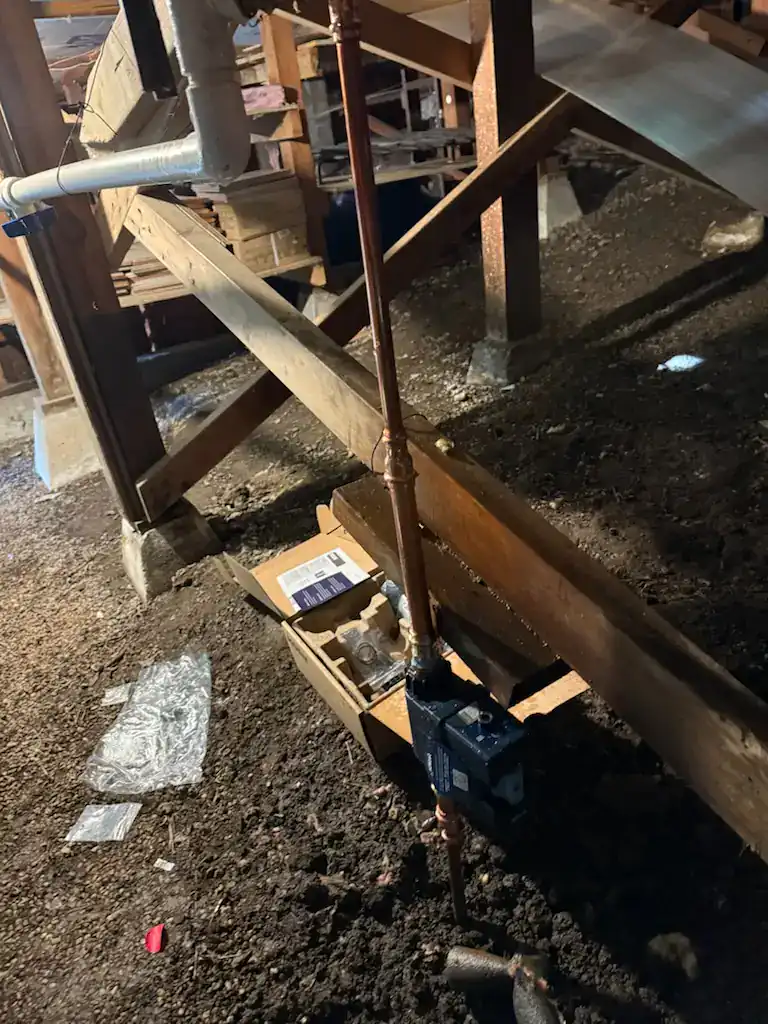
Your water bill stops climbing for no clear reason. The musty smell behind the wall disappears. You stop wondering whether that soft spot in the floor is something serious or something catastrophic. That’s what a properly diagnosed and permanently repaired water leak actually does for you it removes the uncertainty that’s been sitting in the back of your mind.
For homes in Campus Commons, that uncertainty is more common than most people realize. Nearly every home here was built in the 1970s, which means the plumbing is now somewhere between 45 and 55 years old. Sacramento’s water supply runs medium-to-hard, with enough calcium and magnesium to scale pipes from the inside out over decades. That combination aging copper or galvanized pipes plus mineral-heavy water is exactly the environment where pinhole leaks, slow joint failures, and hidden slab leaks develop quietly before anyone notices them.
The other thing worth knowing: in a Campus Commons townhome or condo, a leak inside your walls isn’t just your problem. Water moves through shared structures. What starts as a slow drip in your unit can show up as water damage in your neighbor’s ceiling within days. Getting it found and fixed quickly isn’t just about your home it’s about keeping a manageable repair from becoming a multi-unit situation that involves your HOA board.
We’ve been serving Sacramento County and the surrounding region for over 24 years. That means we were already working on homes in Campus Commons before most of the current residents moved in. We know what 1970s plumbing looks like after five decades of Sacramento water running through it, and we know how to talk to an HOA board when the source of a leak turns out to be a shared system rather than an individual unit.
We’re not a franchise. There’s no call center routing your request to whoever happens to be available. When you call us, you reach someone who can actually help, and we’ll give you a specific cost before any work starts. Our customers have noted more than once that the final invoice came in at or below the original estimate which, in this industry, is worth saying out loud.
We hold a California C-36 plumbing contractor license, carry full liability insurance, and are bonded. Whether you’re in the Villages of Campus Commons or the Nepenthe Association, we know how to navigate the work correctly.
When you call, we’re not putting you on a list for next week. Same-day response is the standard, and for active leaks, we treat it as the emergency it is 24 hours a day, seven days a week. You tell us what you’re seeing: a spike in your water bill, a damp wall, water near the base of a toilet, or something you can hear but can’t locate. We listen, ask the right questions, and get someone out to you.
Once we’re on-site, the first job is finding the actual source not just where the water showed up, but where it started. In a 1970s-built Campus Commons home, that often means looking beyond the obvious. Leaks in this housing stock can originate at pipe joints behind walls, under slabs, or along aging supply lines that have been scaling internally for years. We use professional leak detection methods to locate the source without tearing apart your home unnecessarily.
Before we touch anything, you get a clear, specific cost. No hourly ambiguity, no “we’ll know more once we open the wall” followed by a surprise number. In Campus Commons, where many repairs involve HOA documentation or insurance coordination, that written clarity matters. After the repair is done, we walk you through what we found, what we fixed, and what if anything you should keep an eye on going forward. California requires a permit for most plumbing repairs beyond basic fixture work, and we handle that process correctly every time.
Ready to get started?
Water leak repair in Campus Commons covers more ground than a single dripping faucet. The service calls we get from this neighborhood reflect its specific conditions and if you’re trying to figure out whether what you’re dealing with falls within our scope, the answer is almost certainly yes.
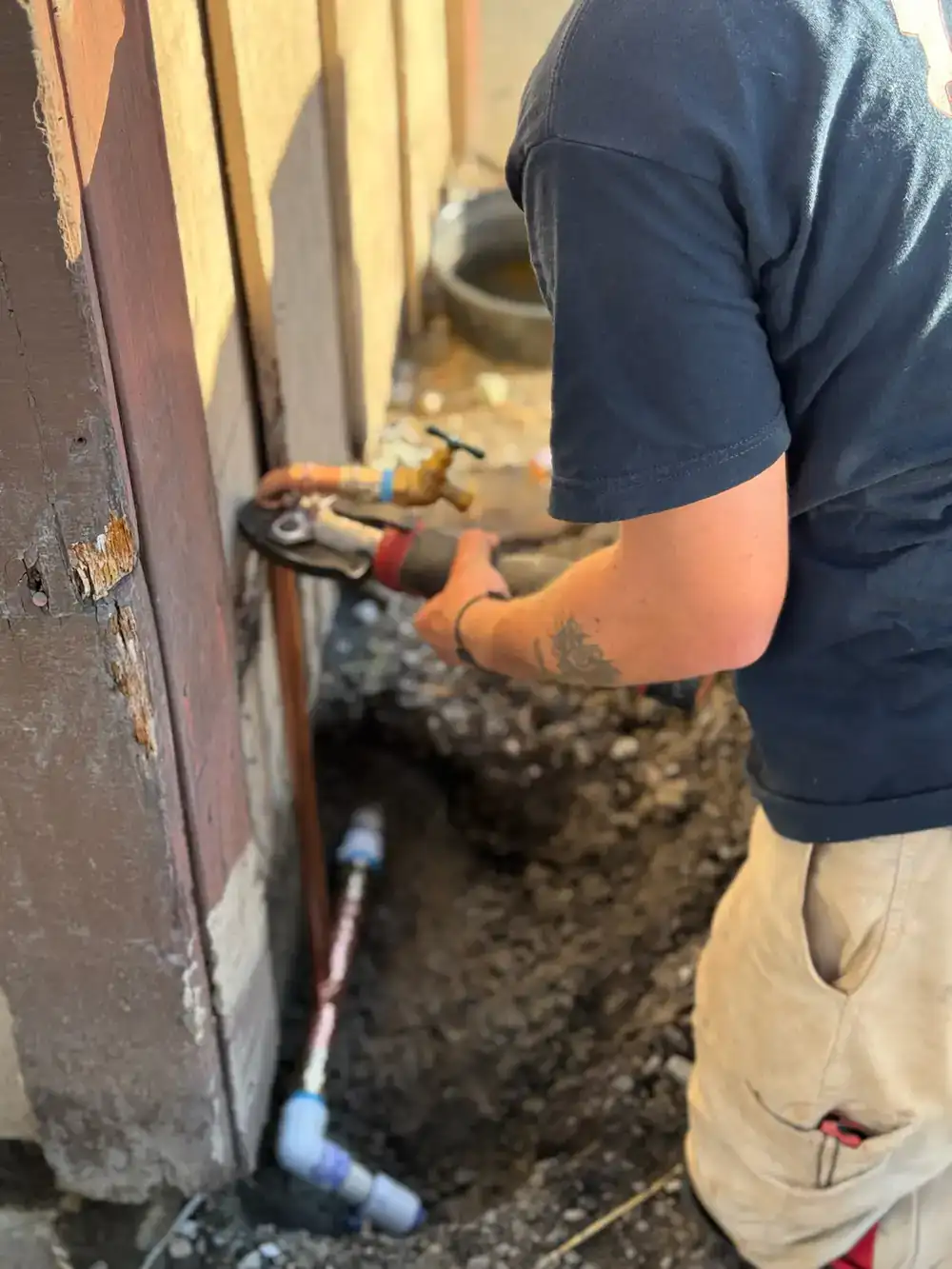
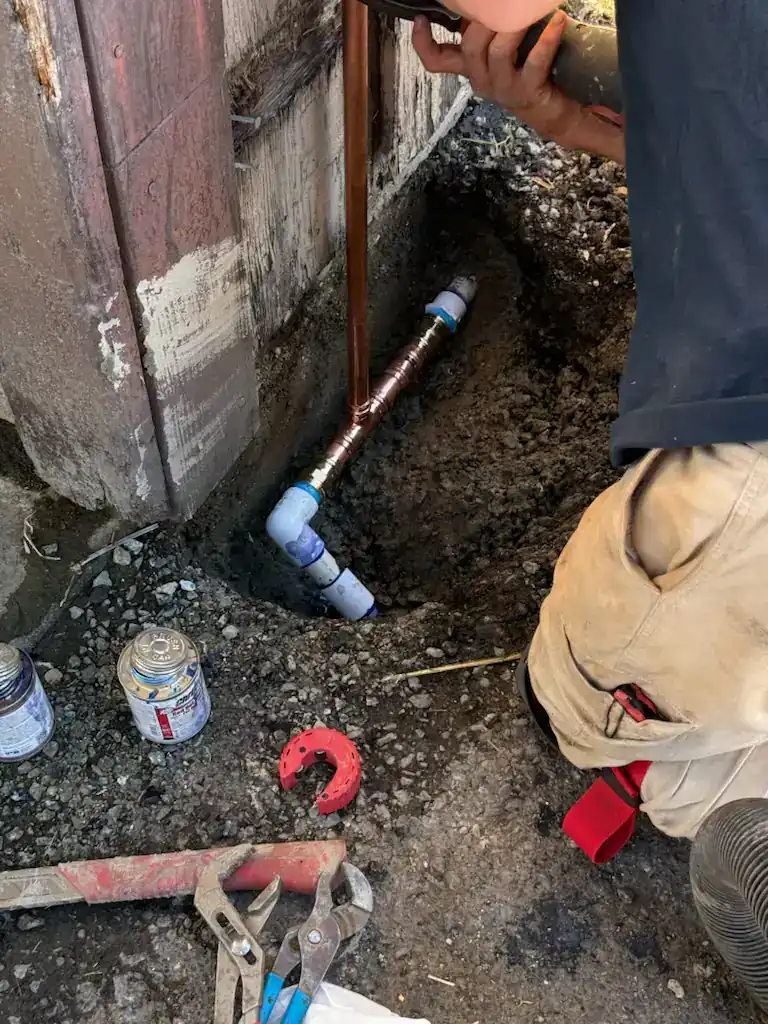
Wall leak repair is one of the most common calls we get from Campus Commons townhomes and condos. Hidden leaks inside shared walls are particularly stressful in multi-unit structures because the visible damage often appears somewhere other than the source. We locate the origin point, not just the symptom. Toilet leak repair is another high-frequency call a running toilet or a leak at the base can waste thousands of gallons before it gets addressed, and it’s usually a faster fix than people expect. Underground water leak repair is an elevated concern in this neighborhood specifically: Campus Commons is exceptionally tree-dense, and mature root systems throughout the community are a known cause of underground supply line damage in Sacramento’s established neighborhoods.
Slab leak detection and repair, supply line failures, emergency burst pipe response, and full plumbing leak diagnosis are all part of what we handle. If your water bill spiked and you can’t explain why, that’s a leak until proven otherwise and we can find it.
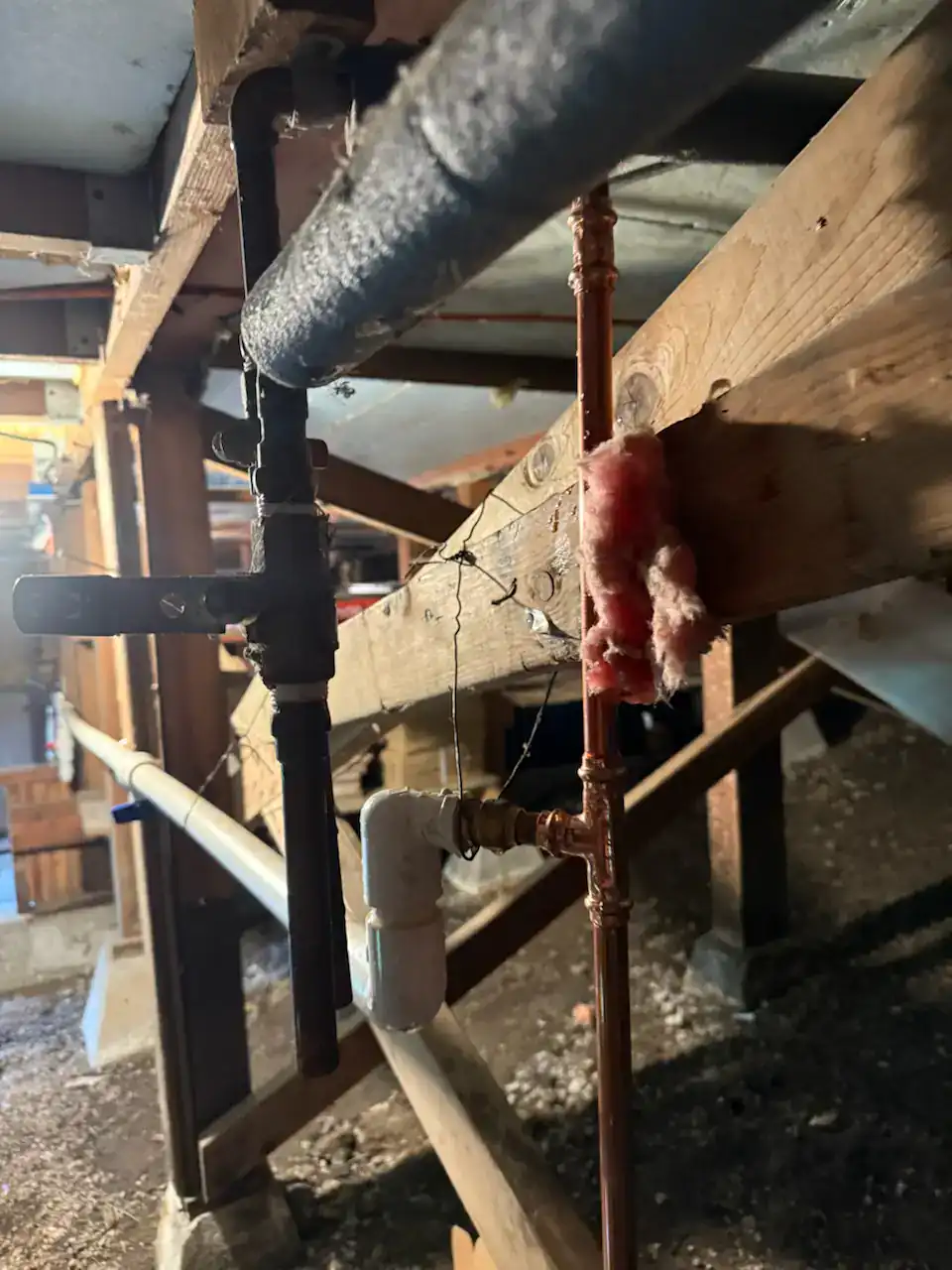
The most reliable early signal is a water bill that’s higher than usual with no obvious explanation no change in usage, no new appliances, no guests. Other signs include a musty or earthy smell in a room that shouldn’t have one, soft or discolored spots on walls or ceilings, flooring that feels slightly spongy underfoot, or the sound of running water when everything in the house is turned off.
In Campus Commons specifically, these signs carry extra weight because of the age of the housing stock. Homes built in the 1970s have plumbing that’s now 45 to 55 years old, and Sacramento’s hard water has been scaling and corroding those pipes from the inside for decades. A slow leak that’s been running inside a wall for weeks can cause mold growth within 24 to 48 hours of first contact with organic material meaning by the time you see water staining, the damage behind it may already be significant. If you’re noticing any of these signs, it’s worth having someone take a look before the repair cost compounds.
It depends on where the leak originates, and that determination matters financially. In Campus Commons where virtually every home is part of either the Villages of Campus Commons HOA or the Nepenthe Association the CC&Rs define the boundary between individual unit plumbing and shared common-area systems. Generally speaking, plumbing within your unit’s walls that serves only your unit is your responsibility. Shared supply lines, main water lines serving multiple units, or pipes running through common areas typically fall under the HOA’s scope.
The problem is that you often can’t tell which side of that line a leak falls on until someone actually locates the source. That’s one of the reasons it matters to work with a plumber who can clearly document their findings not just fix the pipe, but explain in plain language where the leak originated and why it falls where it does. If the source turns out to be a shared system, that documentation is what you bring to your HOA board. We’ve worked in HOA-governed communities throughout Sacramento County and understand how to communicate findings in a way that’s useful for both homeowners and association management.
The cost depends on what type of leak it is, where it’s located, and how much access is required to reach it. A toilet leak repair or an exposed supply line fix is typically on the lower end often in the range of a few hundred dollars. A leak inside a wall, under a slab, or along an underground service line involves more diagnostic work and potentially more labor, which pushes the cost higher. Slab leak repairs in Sacramento-area homes can range from roughly $500 to $3,000 or more depending on the repair method and extent of the damage.
What we can tell you is that you’ll know the exact cost before we start. We give you a specific number upfront not a range with an asterisk, not an hourly estimate that balloons once we’re inside your wall. That matters in Campus Commons, where a repair in a shared-wall townhome or condo can have HOA and insurance implications that make cost clarity especially important. California also requires a licensed C-36 plumbing contractor for any project over $500, so if you’re getting quotes, make sure whoever you hire is properly licensed.
Yes, and it’s more common in Campus Commons than in newer Sacramento neighborhoods for a straightforward reason: the trees here are old and large. Campus Commons is one of Sacramento’s most tree-dense residential areas, with mature trees lining streets throughout the community. Root systems from those trees particularly species like willow, poplar, and certain oaks are drawn toward moisture and can infiltrate aging underground water lines over time.
In a neighborhood where the underground pipes are also 45 to 55 years old, the combination of aging pipe material and active root pressure creates real vulnerability. You might notice reduced water pressure at your fixtures, an unexplained wet area in your yard, or a water bill that keeps climbing without explanation. Underground water leak repair in this environment typically involves locating the breach, clearing any root intrusion, and repairing or replacing the affected section of pipe. In some cases, we may recommend a trenchless repair method to minimize disruption to landscaping. If you’ve got mature trees near your water service line, it’s worth being proactive rather than waiting for the problem to surface on its own.
Shut off your water supply as quickly as possible. In most Campus Commons condos and townhomes, there’s a main shutoff valve either inside the unit often under the kitchen sink, near the water heater, or in a utility closet or accessible through an exterior panel. Knowing where yours is before an emergency happens is genuinely useful. If you can’t locate it or it won’t turn, the water meter shutoff outside is the next option.
Once the water is off, document what you’re seeing. Take photos or video of visible water, staining, or damage before anything dries or gets cleaned up. This matters for insurance purposes and for helping the plumber understand the scope of what happened. If water has reached flooring, baseboards, or drywall, move anything valuable away from the affected area and increase ventilation if you can open windows, run fans to slow the onset of mold. Mold can begin developing within 24 to 48 hours of water exposure, so speed matters even after the flow has stopped. When you call us, let us know it’s an active situation we prioritize emergency water leak calls and offer 24/7 response for exactly these scenarios.
It’s essentially a core part of what we do. We’ve been working on Sacramento County homes for over 24 years, and a significant portion of the calls we respond to involve housing stock from the 1960s, 1970s, and 1980s the exact era that defines Campus Commons. We understand what copper pipes look like after five decades of Sacramento’s mineral-heavy water running through them, where galvanized steel tends to fail first, and what the early warning signs of a developing slab leak look like in a home of this age.
Older homes aren’t a liability for us they’re familiar territory. That said, working on a 1970s home does sometimes surface issues beyond the original leak: a nearby joint that’s close to failure, a section of pipe that’s been scaling for years and is now significantly narrowed. When we find something like that, we tell you. Not to add to the bill, but because you deserve to know what’s happening inside your walls. You can decide what to address and when we just make sure you have the full picture. That’s what 24 years of doing this work honestly looks like.