Choosing the right plumber in Cameron Park means knowing what to look for before an emergency hits. Learn how to evaluate credentials, estimates, and reviews.
Share:
Summary:
Licensing isn’t just a formality. In California, plumbers need a C-36 license issued by the Contractors State License Board, which means they’ve completed the training, passed the exams, and met the requirements to work safely and up to code. If someone can’t show you proof of that license, they shouldn’t be working on your pipes.
Insurance matters just as much. A licensed plumber should carry both liability insurance and workers’ compensation. Liability protects your property if something goes wrong during the job. Workers’ comp covers their team if someone gets injured on your property. Without these, you could end up paying for damages or medical bills out of your own pocket.
You can verify a plumber’s license online through the California Contractors State License Board. It takes two minutes and saves you from hiring someone who’s cutting corners in more ways than one.
A plumber who’s worked in Cameron Park for years knows things a contractor from Sacramento or Roseville might not. They understand the area’s water conditions, the soil composition, and the specific challenges that come with older homes built in the 1980s and 1990s. They’ve seen the common issues that pop up in local neighborhoods and know how to fix them efficiently.
Local experience also means faster response times. When a plumber is based nearby, they can get to your home quickly when emergencies happen. That matters when you’re dealing with a burst pipe at midnight or a sewer backup on a holiday weekend. Companies that serve Cameron Park specifically—not just as part of a massive service area—tend to prioritize local customers better.
There’s also accountability. A local plumber depends on their reputation in the community. They can’t afford to do shoddy work or overcharge customers because word spreads fast in a town this size. When you hire someone with roots in Cameron Park, you’re more likely to get honest service because they know they’ll see you at the grocery store or hear about it from your neighbors if they don’t deliver.
Ask how long they’ve been serving the area. Ask if they’re familiar with the types of plumbing systems common in Cameron Park homes. A plumber with local knowledge will give you specific answers, not vague promises about serving “the greater Sacramento region.”
Some warning signs are obvious. If a plumber can’t provide a license number, doesn’t carry insurance, or refuses to give you a written estimate, you’re looking at someone who either doesn’t know what they’re doing or doesn’t want you to have a paper trail. Either way, that’s not someone you want working on your home.
Other red flags are more subtle but just as important. Be cautious of plumbers who give you a firm price quote over the phone without seeing the problem. Plumbing issues vary wildly depending on accessibility, pipe condition, and what’s actually causing the problem. A plumber who quotes you $200 to fix a leak before they’ve even looked at your pipes is either guessing or planning to hit you with extra charges once they’re already there.
Pressure tactics are another major red flag. If someone shows up and immediately tells you that your water heater is beyond repair, your sewer line is full of roots, or you need thousands of dollars in emergency work right now—without showing you clear evidence or giving you time to think—that’s a problem. Legitimate plumbers will show you what’s wrong, explain your options, and let you make an informed decision. They’re not trying to scare you into signing a contract on the spot.
Watch out for cash-only requests too. A plumber who insists on cash payment might be trying to avoid taxes, and if they’re cutting corners there, they’re probably cutting corners elsewhere. You want a paper trail. You want receipts. You want to be able to dispute charges or file a complaint if something goes wrong.
Door-to-door plumbers or unsolicited phone calls offering “free inspections” should also raise your suspicions. Reputable plumbing companies don’t need to canvas neighborhoods looking for work. They have steady business because they do good work and people recommend them. If someone knocks on your door offering to inspect your plumbing for free, there’s a good chance they’re looking for problems they can charge you to fix—whether those problems actually exist or not.
Want live answers?
Connect with a Murray Plumbing expert for fast, friendly support.
A good estimate isn’t just a number scribbled on a business card. It should be detailed, written, and include a breakdown of labor, materials, and any additional costs like permits or disposal fees. You should know exactly what you’re paying for before anyone starts working.
In Cameron Park, typical plumbing repairs range from around $108 to $359 for common issues like fixing a leaky faucet or unclogging a drain. Larger jobs—like pipe replacements or water heater installations—can run anywhere from $500 to several thousand depending on the scope. If someone’s quote is wildly outside these ranges, ask why.
Don’t automatically go with the lowest bid. Sometimes a rock-bottom price means the plumber is using cheaper materials, rushing the job, or planning to add charges later. Other times, it means they’re inexperienced and underbidding to get work. Either way, the cheapest option often costs you more in the long run when you have to call someone else to fix what they messed up.
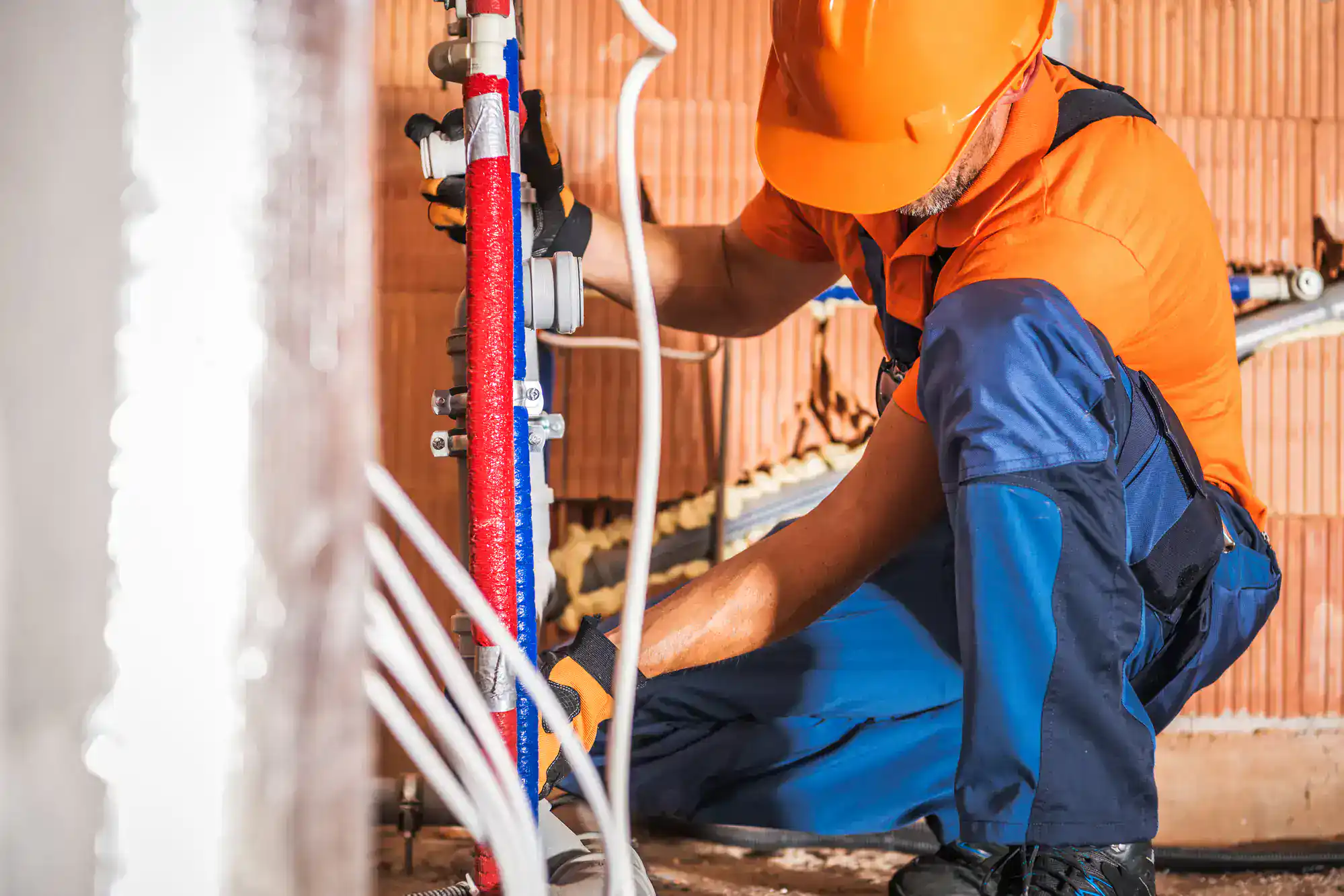
A proper estimate should list the specific work being done—not just “plumbing repair” but “replace 10 feet of corroded galvanized pipe under kitchen sink” or “install new 50-gallon water heater with upgraded connections.” The more specific, the better. Vague descriptions leave room for misunderstandings and disputes later.
Materials should be itemized too. If the plumber is installing a new faucet, what brand and model are they using? If they’re replacing a section of pipe, what type of pipe? You should know whether you’re getting standard fixtures or premium ones, and you should be able to verify that the materials match what you’re being charged for.
Labor costs need to be clear. Some plumbers charge by the hour, others use flat-rate pricing for specific jobs. Both approaches can be fair, but you need to know which one you’re dealing with. If it’s hourly, ask for an estimate of how long the job should take based on their experience. If it’s flat-rate, make sure the quote includes everything—not just the basic repair but also any prep work, cleanup, or disposal fees.
Ask about warranties too. A reputable plumber will guarantee their work, usually for at least a year. If something goes wrong with the repair within that timeframe, they should come back and fix it at no additional charge. If a plumber won’t stand behind their work, that tells you something about the quality you can expect.
Finally, the estimate should include a timeline. When can they start? How long will the job take? If you’re dealing with an emergency, you need to know whether they can get someone out today or if you’ll be waiting until next week. For non-emergency work, a clear timeline helps you plan around the disruption to your home.
Before you sign anything or let anyone start working, ask a few key questions. First: “Are you licensed and insured?” They should be able to provide their license number and proof of insurance without hesitation. If they get defensive or dodge the question, that’s your answer.
Next: “What exactly is causing this problem?” A good plumber will explain what’s wrong in terms you can understand. They might show you the issue with a camera inspection or point out the specific pipe that’s leaking. If they can’t or won’t explain what they’re fixing, you’re taking their word on faith—and that’s a risky position to be in.
Ask about alternatives. “Is this the only way to fix it, or are there other options?” Sometimes a full replacement is necessary, but other times a repair will do the job for a fraction of the cost. A trustworthy plumber will present your options honestly, including the pros and cons of each approach. Someone who only offers one solution—especially the most expensive one—might not have your best interests in mind.
Find out what’s covered in the price. “Does this estimate include everything, or could there be additional charges?” You want to know upfront if there are potential surprises. Sometimes plumbers discover additional problems once they start working, and that’s understandable. But they should communicate that with you before proceeding, not just add charges to the final bill.
Ask about their availability for follow-up. “If something goes wrong after you finish, how quickly can you come back?” Plumbing problems sometimes reveal themselves days or weeks after a repair. You want to know that the plumber will be responsive if you need them again, not disappear once they’ve cashed your check.
Finally, don’t be afraid to ask for references. “Can you provide contact information for a few recent customers?” Most plumbers who do good work are happy to connect you with satisfied customers. If they can’t or won’t, that’s worth noting.
Choosing a plumbing repair service in Cameron Park comes down to doing your homework before you need one. Verify licenses and insurance. Get detailed written estimates. Read reviews from multiple sources. Ask questions until you’re confident you understand what you’re paying for and who you’re trusting with your home.
The right plumber won’t rush you, pressure you, or leave you guessing about costs. They’ll show up when they say they will, explain what’s wrong in plain language, and stand behind their work. That’s not too much to ask—it’s the baseline for professional service.
When you find a plumber who checks all these boxes, hold onto their contact information. Having a trusted professional you can call when problems arise saves you from scrambling during emergencies. And if you’re in Cameron Park and looking for that kind of reliable, transparent service, we at Murray Plumbing have built our reputation on exactly that approach.
Article details:
Share:
Continue learning: