Discover the key differences between DIY plumbing repairs and professional services, plus when each approach makes the most sense for your wallet and peace of mind.
Share:
Summary:
Not every plumbing problem requires calling a plumber near you. Some basic repairs are well within reach of most homeowners with a few tools and a little patience.
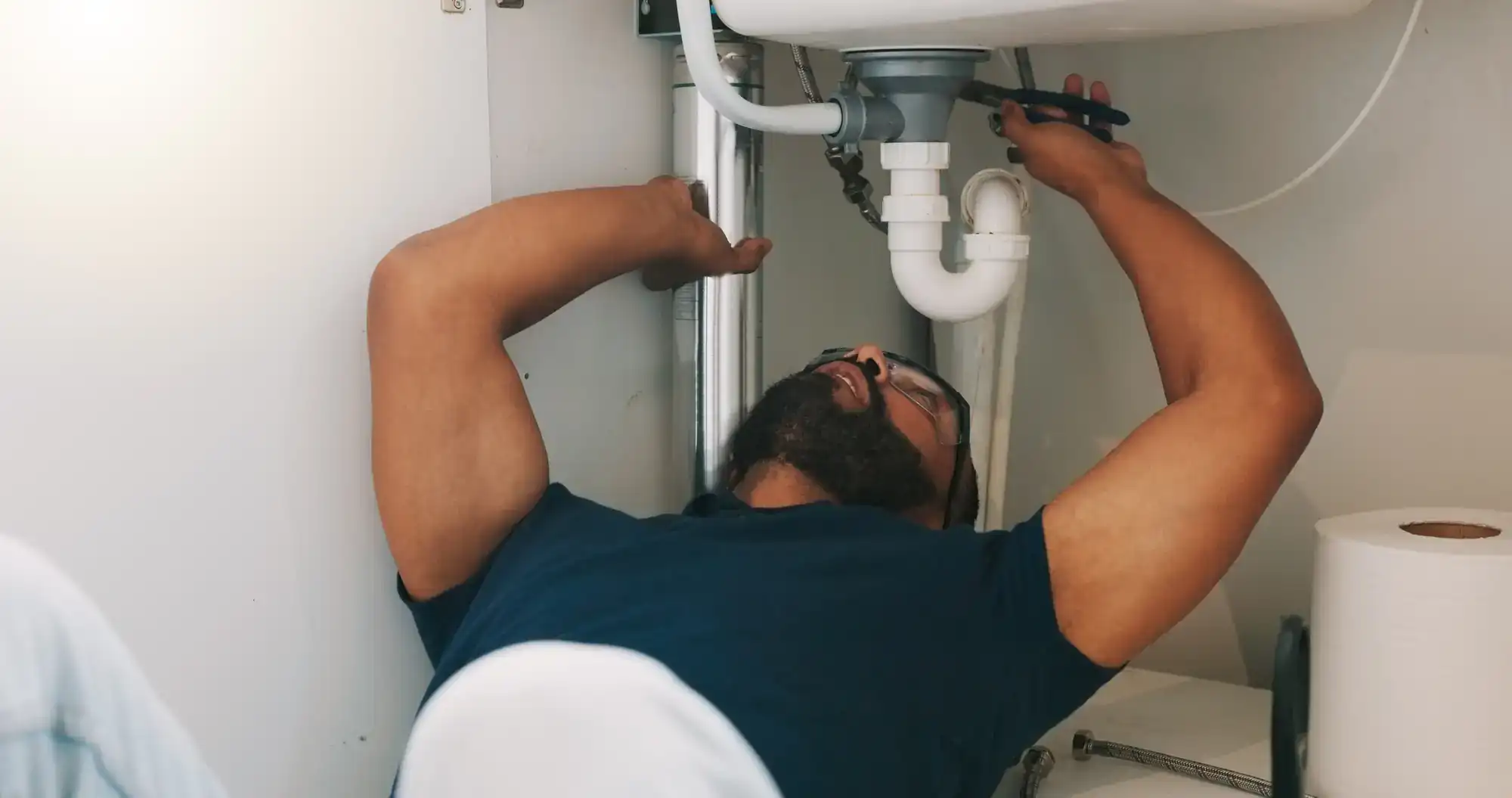
A dripping faucet is one of the most common household plumbing issues that wastes water and drives up your utility bill. Thankfully, fixing it is straightforward, often requiring only replacing a worn-out washer or tightening a loose part. You’ll typically need an adjustable wrench, screwdriver, and replacement parts—usually under an hour of work.
A slow or clogged drain is another problem you can address. A plunger or drain snake usually does the trick, and you can also use a baking soda and vinegar solution to clear minor clogs. Just remember to turn off the water supply before starting any repair work.
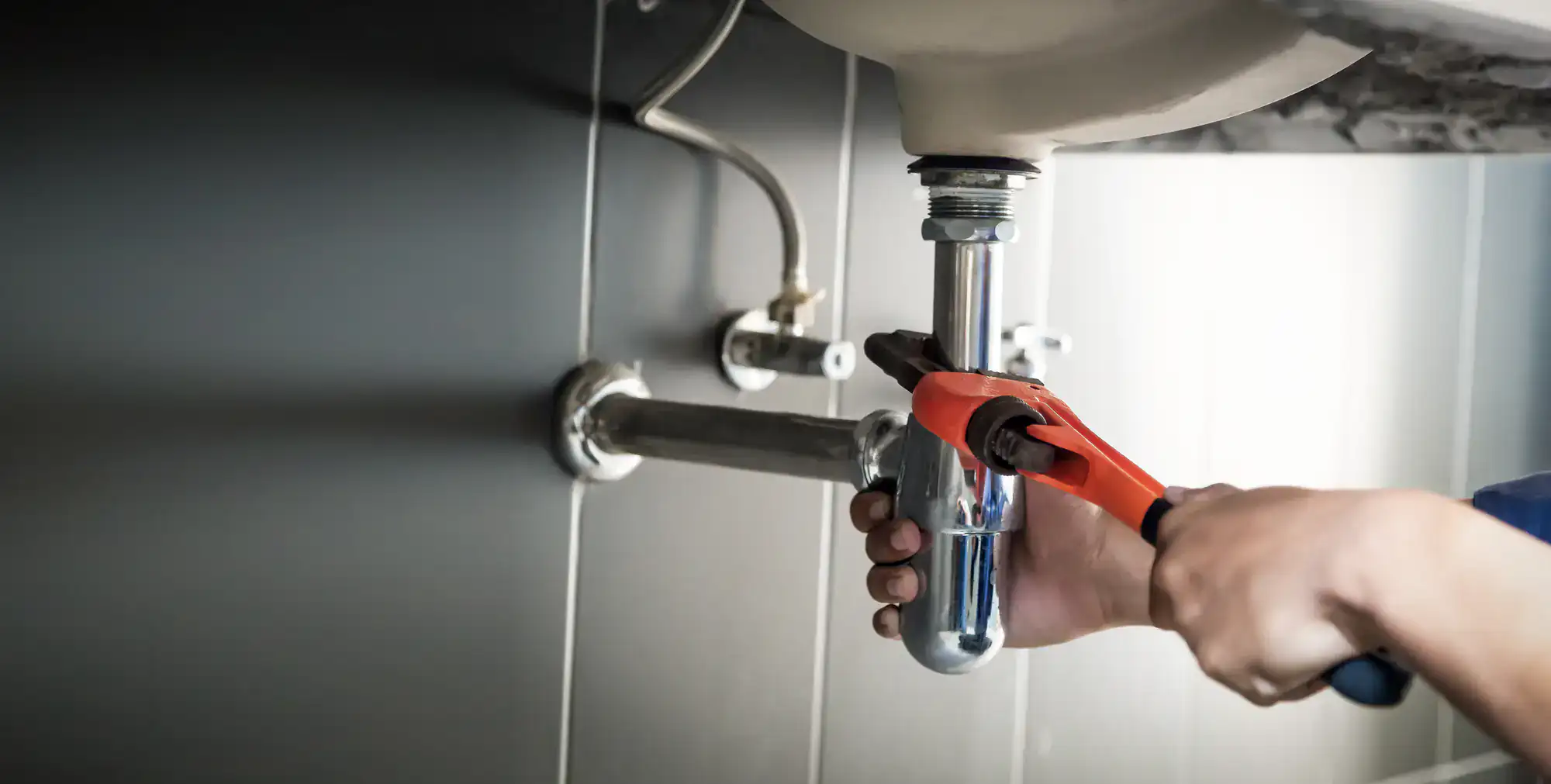
Most people take pride in being able to do little fixes around the house. Unless you’re really all thumbs, handling a leaky faucet, unclogging a toilet, or installing a new shower head are among the most common DIY plumbing tasks.
Upgrading your showerhead is a simple DIY project. You just need to unscrew the old one, apply plumber’s tape to the threads, and screw on the new showerhead. These straightforward swaps typically don’t involve cutting pipes or dealing with pressurized water lines.
Most homeowners should be able to install new plumbing fixtures or replace old ones that are damaged or old. Basic tools and careful attention to instructions usually get the job done. The sweet spot for DIY work? Surface-level problems that don’t require opening walls or dealing with your home’s main systems.
But here’s the catch. With a few basic tools, you can repair leaky faucets on your own, but it can be a meticulous process. Each part needs to be disassembled and reassembled in proper order, so this project is best reserved for those who are good at keeping track of various small parts. If you’re not confident in your ability to reassemble everything correctly, you’re likely better off calling for professional plumbing services.
The bottom line? Simple replacements and basic repairs can often be DIY projects, but only if you’re comfortable with detailed work and have the patience to do it right.
Here’s where things get dangerous for your wallet. What starts as a simple DIY project can quickly spiral into something much more complex—and expensive.
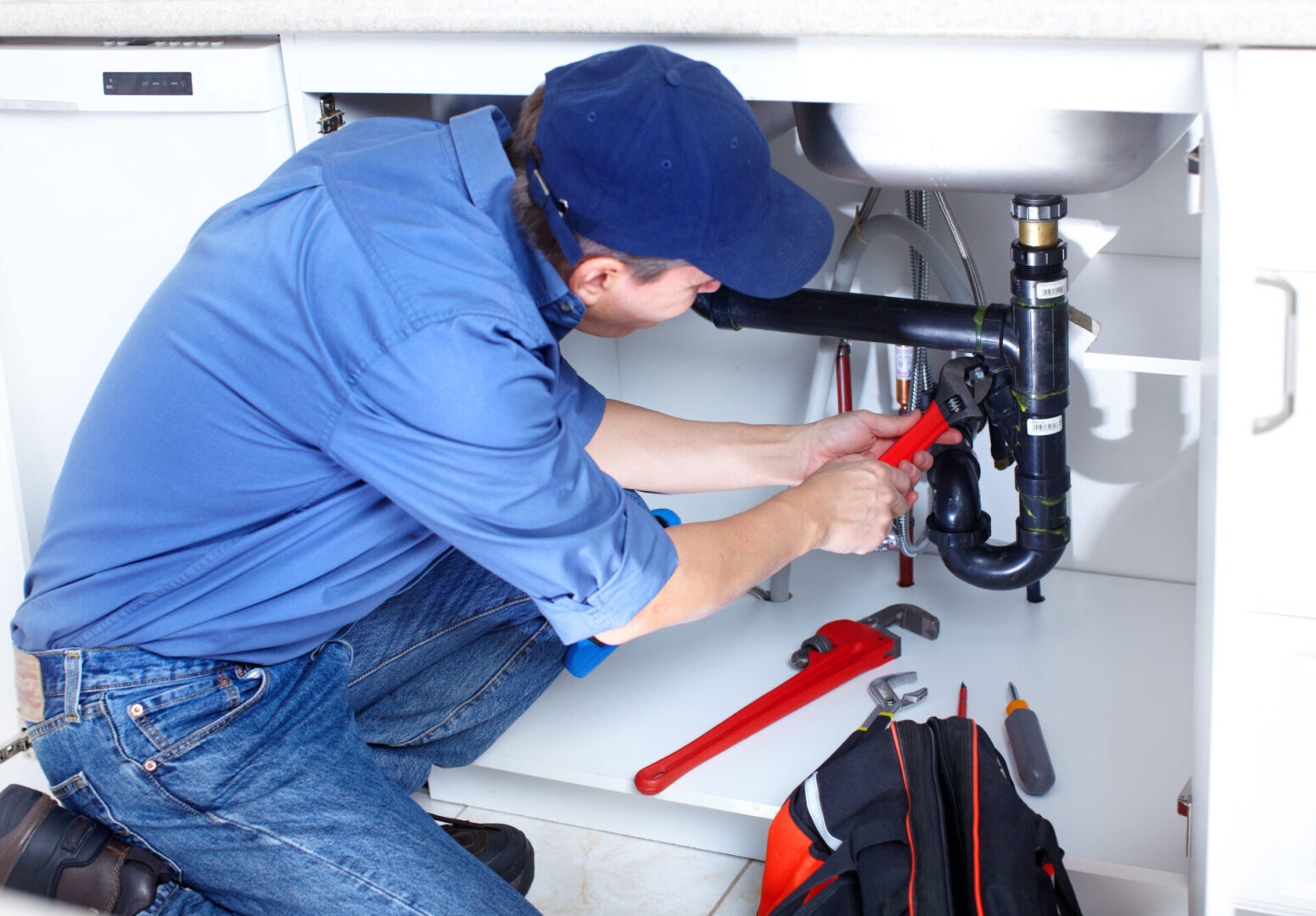
A DIYer will overtighten connections such as toilet bolts and faucet supply tubes with the mistaken belief that they need to be watertight. What this can do is crack plastic fittings, strip pipe threads, warp fittings, and break plastic or rubber washers, creating leaks. The result? Ruined fittings, useless connections, and potentially flooded rooms.
As simple as this may sound, forgetting to turn off your water supply before embarking on a DIY plumbing job can have serious repercussions. When you skip this step, you can expect major water damage or even a surprise swimming pool in your house.
As a DIYer, you may lack enough knowledge about the many kinds of pipes available on the market. You may also not match the materials of the existing pipes to those you want to replace. Examples of piping materials include copper, plastic, brass, and galvanized steel. This leads to leaks and corrosion, ending up in expensive repairs in the future.
Even “simple” repairs require more knowledge than most homeowners realize. We understand pipe materials, water pressure, local codes, and proper installation techniques that prevent problems down the road. A DIY fix might not get to the root of the issue, and you could miss underlying problems like hidden leaks or water pressure issues. What you think is a minor clog could be a symptom of something more serious, like a sewer line issue or pipe corrosion.
Want live answers?
Connect with a Murray Plumbing expert for fast, friendly support.
Some plumbing jobs should never be DIY projects. Period. The risks are too high, the complexity too great, or the potential for damage too severe to tackle without professional expertise.
If you ever (and we mean EVER) think that there might be a gas leak, call a professional immediately. Telltale signs of a gas leak include an eggy smell and hissing noises. This isn’t the time to consult YouTube or try to figure it out yourself.
A burst pipe is an emergency. It can cause flooding and extensive water damage if not handled immediately. In this situation, you need a plumber’s experience to locate the break and repair it quickly. Turn off the main water supply and call a professional immediately—don’t attempt a DIY fix that could make things worse.
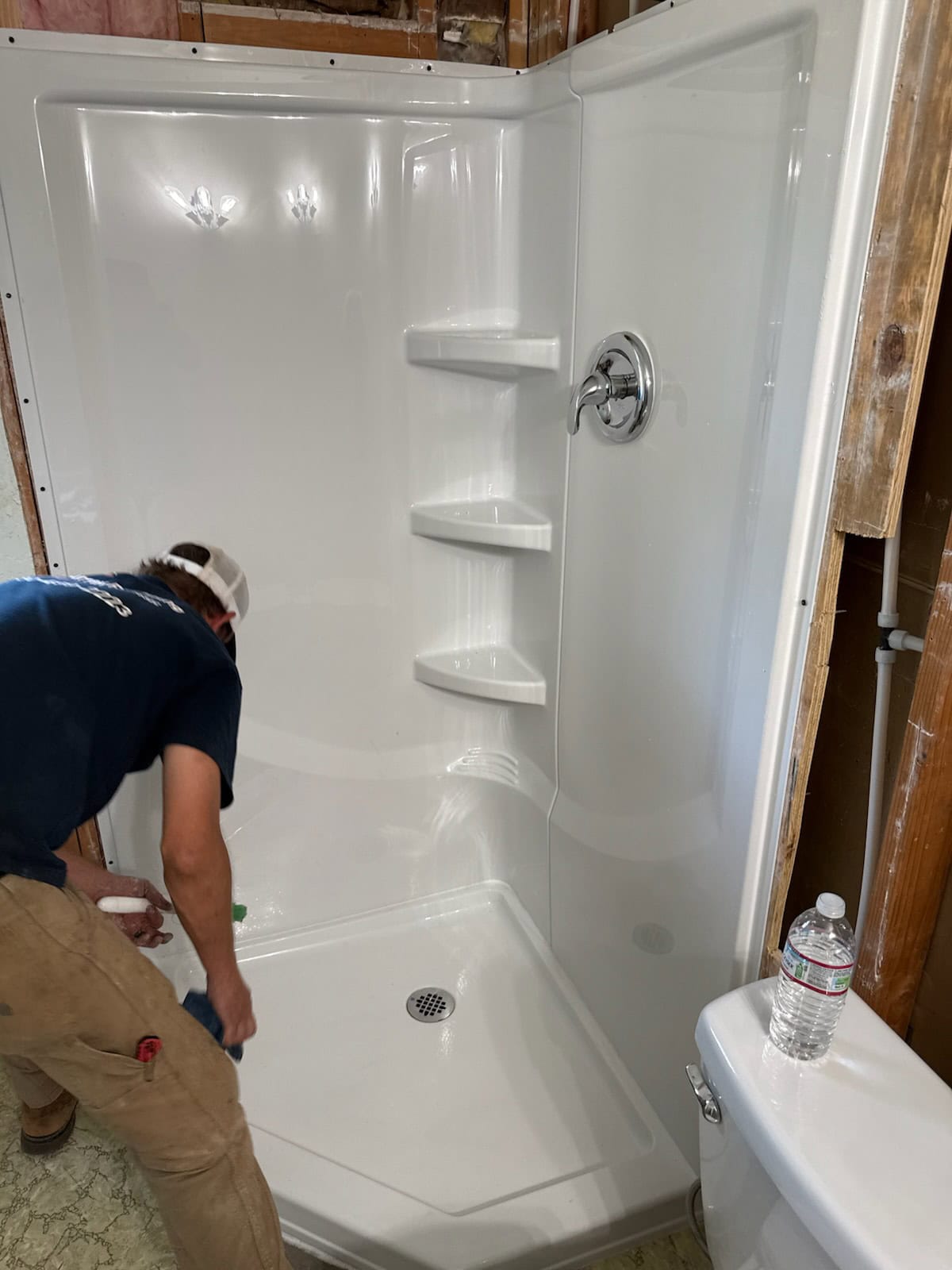
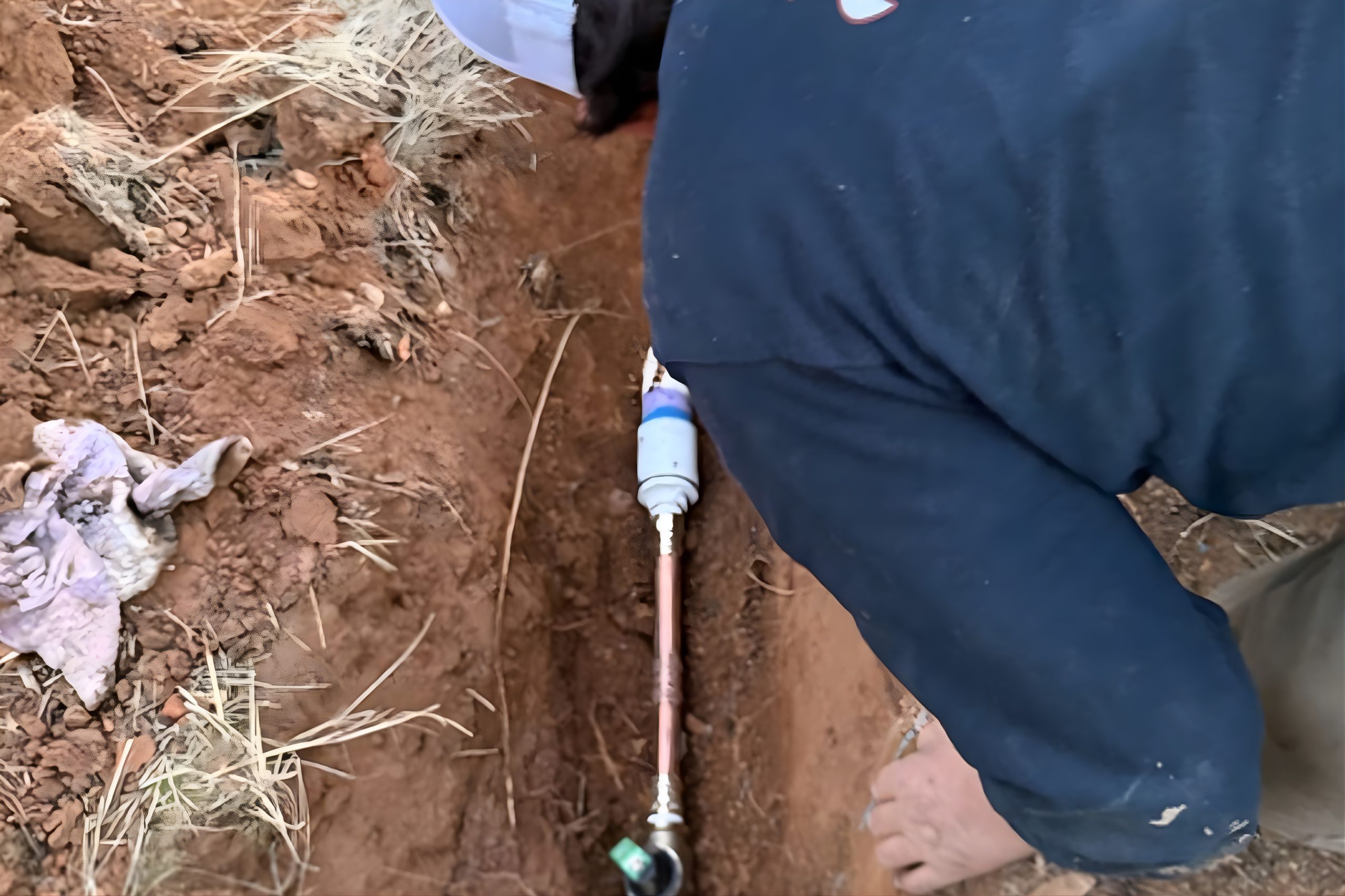
Any problems involving your home’s main water or sewer lines should be left to professionals. These issues often require specialized equipment and expertise to diagnose and repair correctly. We’re talking about the backbone of your home’s plumbing system here—not the place for trial and error.
Water heaters are complex appliances that require a deep understanding of electrical and plumbing systems. Trying to repair a water heater without experience can be dangerous. Issues like strange noises, leaks, or no hot water at all call for professional help. You’re dealing with high temperatures, pressure, and potentially gas connections—all serious safety hazards.
Signs of a sewer line problem include slow drains, gurgling sounds from your plumbing fixtures, foul odors, and sewage backups. If you notice any of these signs, contact professional plumbing contractors immediately. We have the tools and expertise to diagnose and repair sewer line issues effectively.
If you are renovating your home or installing a significant number of new pipes, fixtures, or appliances, you may want to call a professional plumber. We can ensure everything is done correctly up front, helping you avoid plumbing problems down the road.
The equipment alone makes many of these jobs impossible for DIYers. We use specialized tools that most homeowners don’t have lying around, such as fiberoptic cameras to detect leaks, pressure gauges, and more. We also understand local building codes and permit requirements that could cause serious problems if not followed correctly.
What seems like a way to save money could cost you more if something goes wrong. DIY projects can be a great way to save money, but they also come with the hidden cost of your time and energy. Plumbing repairs require specialized tools and expertise that many homeowners don’t have. This means it may take you much longer to complete the task than if you had hired a professional.
Here’s what we see happen all too often: Some homeowners attempt to fix a small leak that ended up flooding their kitchen overnight because they weren’t able to secure the pipe connection. Other homeowners have shared how using the wrong materials, like tape instead of proper pipe glue, caused hidden leaks that went unnoticed until major water damage happened.
One wrong twist, poorly sealed pipe, or incorrectly installed fitting can lead to slow leaks or full-blown water damage. And you may not even notice right away. Water damage isn’t just a puddle on the floor—it can lead to mold, structural issues, and thousands of dollars in repairs.
Here’s something most homeowners don’t know: DIY plumbing repairs can void manufacturer warranties on fixtures and appliances—and even your homeowners insurance in some cases. If you flood your kitchen trying to install a new faucet or cause damage to your water heater during a repair, your insurance may not cover it if the work wasn’t performed by a licensed professional.
The typical cost range to hire a plumber is between $180 and $489, with a national average cost of $331. Costs will vary depending on the plumber’s expertise level, type of service, job complexity, supplies, labor, and geographic location. When you compare that to the potential cost of water damage, insurance issues, and having to call a professional anyway to fix your mistakes, the professional route often makes more financial sense.
The decision between DIY and calling a professional plumber near you comes down to honest self-assessment. Before taking on a DIY plumbing project, it’s important to be honest with yourself. Learning how to do something online or from a book or instructions is a lot different from having hands-on experience. While you might have a high confidence level, consider the age of your home, any safety risks, and the type of job.
Sometimes, you just have to wave the white flag and call a qualified plumber. Here’s a list of the situations that need a little extra attention from a professional. If you’re dealing with anything involving gas lines, main water or sewer lines, water heater issues, or emergency situations with active flooding, don’t hesitate to call for help.
The best approach? Know your limits and respect them. For residents in Folsom, El Dorado Hills, Cameron Park, and surrounding communities, we offer the expertise, transparency, and quick response times that give you peace of mind and protect your home’s value.
Article details:
Share:
Continue learning: