Annual plumbing inspections catch problems early, preventing costly water damage and major repairs that can cost thousands.
Share:
Summary:
Most homeowners don’t realize how expensive plumbing problems become when left unchecked. The numbers tell a sobering story.
The average water damage insurance claim costs over $12,500, and that’s just what insurance covers. Many plumbing-related issues aren’t covered at all, leaving homeowners to foot the entire bill. When pipes burst, you’re looking at $1,000 to $4,000 just for the pipe repair—before addressing any water damage to floors, walls, or belongings.
Compare that to a professional plumbing inspection that typically runs $200 to $300. It’s not just about the money you’ll save—it’s about avoiding the stress, disruption, and headaches that come with major plumbing emergencies.
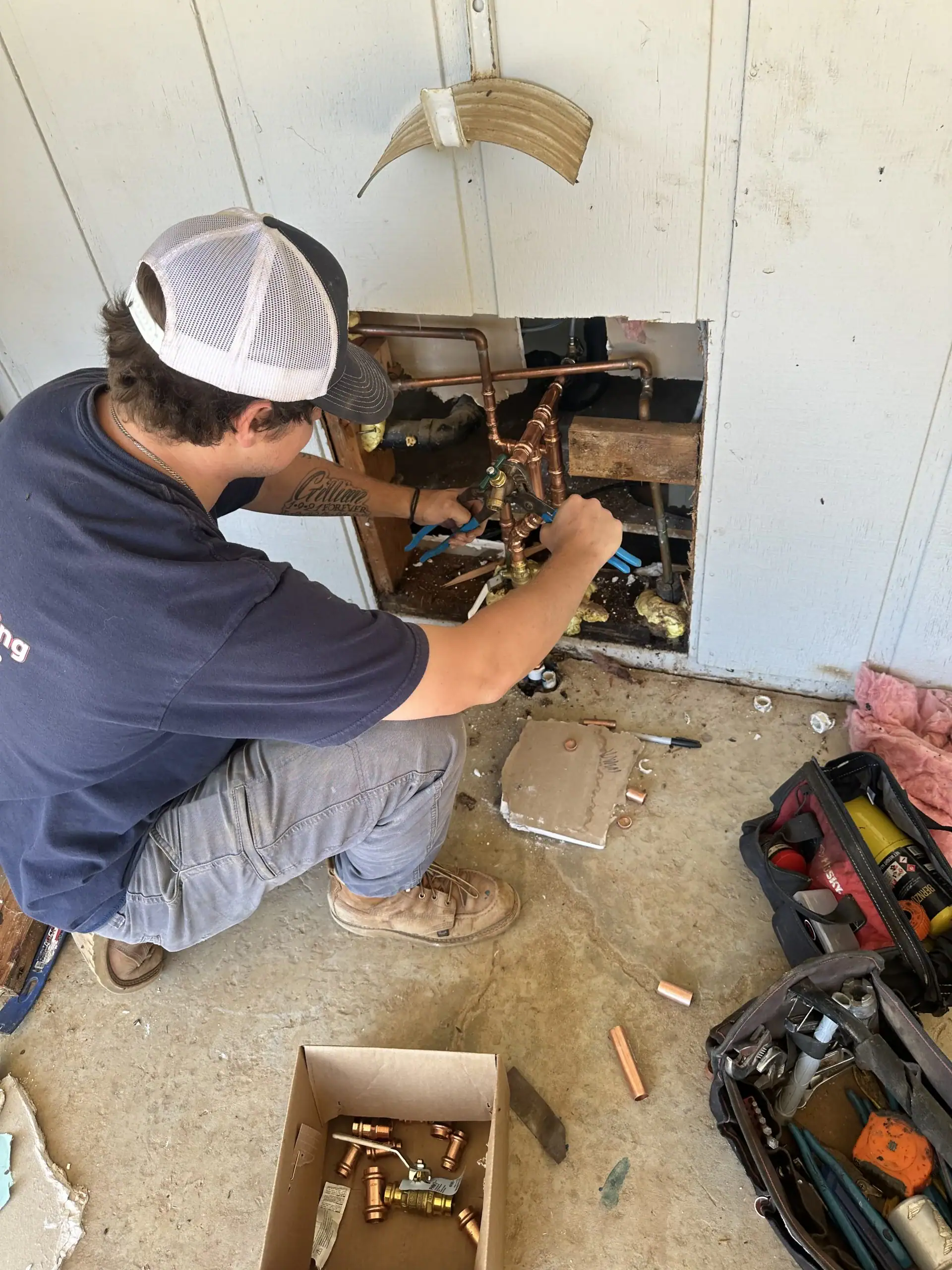
Water damage doesn’t just affect one area of your home. It spreads, creating a domino effect of expensive repairs that can quickly spiral out of control.
When water gets where it shouldn’t, you’re not just dealing with the original plumbing problem. Drywall needs replacing at $1.50 to $3.50 per square foot. Flooring damage can cost $200 to $2,000 depending on the material and extent of damage. If mold develops—and it often does within 24 to 48 hours—remediation adds another $1,500 to $15,000 to your bill.
A bathroom water damage incident can cost up to $3,000 to clean and repair properly. Kitchen water damage runs even higher, with restoration costs ranging from $2,265 to $6,190. These aren’t worst-case scenarios—they’re typical costs that homeowners face when small problems go undetected.
The most expensive part isn’t always the repair itself. It’s the secondary damage. Water seeps into areas you can’t see, weakening structural components and creating ideal conditions for mold growth. What starts as a small leak behind a wall can compromise your home’s structural integrity and create health hazards for your family.
Emergency repairs cost 1.5 to 3 times more than regular service calls. When your main sewer line backs up on a weekend, you’re not just paying for the repair—you’re paying premium rates for immediate service. A sewer line repair that might cost $3,000 during regular hours can easily hit $9,000 as an emergency call.
Professional plumbing inspections reveal problems that homeowners typically miss until they become expensive emergencies. These aren’t obvious issues like dripping faucets—they’re the silent problems that cost the most money.
Small leaks are surprisingly common and costly. Ten percent of homes have plumbing leaks that waste 90 gallons or more per day. That’s not just water waste—it’s ongoing damage to your home’s structure. These leaks often develop in areas you can’t see: behind walls, under slabs, or in crawl spaces where they can cause damage for months before you notice.
Pipe corrosion happens gradually, especially in older homes. What looks fine from the outside might be deteriorating from the inside. When corroded pipes finally fail, they don’t just leak—they burst, flooding your home with hundreds of gallons of water in minutes. A professional inspection can identify corrosion before it reaches the failure point.
Water pressure problems signal bigger issues. Low pressure might indicate leaks somewhere in your system. High pressure puts stress on all your fixtures and pipes, shortening their lifespan and increasing the likelihood of sudden failures. Both problems are easily detected during an inspection and relatively inexpensive to fix when caught early.
Sewer line issues are among the most expensive plumbing problems homeowners face. Tree roots, shifting soil, and aging pipes can create blockages or damage that leads to sewage backups in your home. A sewer camera inspection, typically included in comprehensive plumbing inspections, can identify these problems before they become health hazards and expensive emergencies.
The key is timing. A main sewer line cleaning costs $175 to $475. But if you wait until you have a backup, you’re looking at $6,300 for major repairs—plus the cost of cleaning up sewage in your home and potentially replacing damaged flooring, drywall, and belongings.
Want live answers?
Connect with a Murray Plumbing expert for fast, friendly support.
A comprehensive plumbing inspection is much more thorough than most homeowners realize. We don’t just check what you can see—we evaluate your entire plumbing system to identify current problems and potential future issues.
The inspection typically takes 2 to 3 hours for most homes, though larger properties might require up to 8 hours for a complete evaluation. This isn’t time wasted—it’s time invested in protecting your home and your budget from expensive surprises.
We use specialized tools and techniques that go far beyond what homeowners can do themselves. Camera inspections reveal the inside condition of your pipes, while pressure testing identifies leaks and weak points throughout your system.
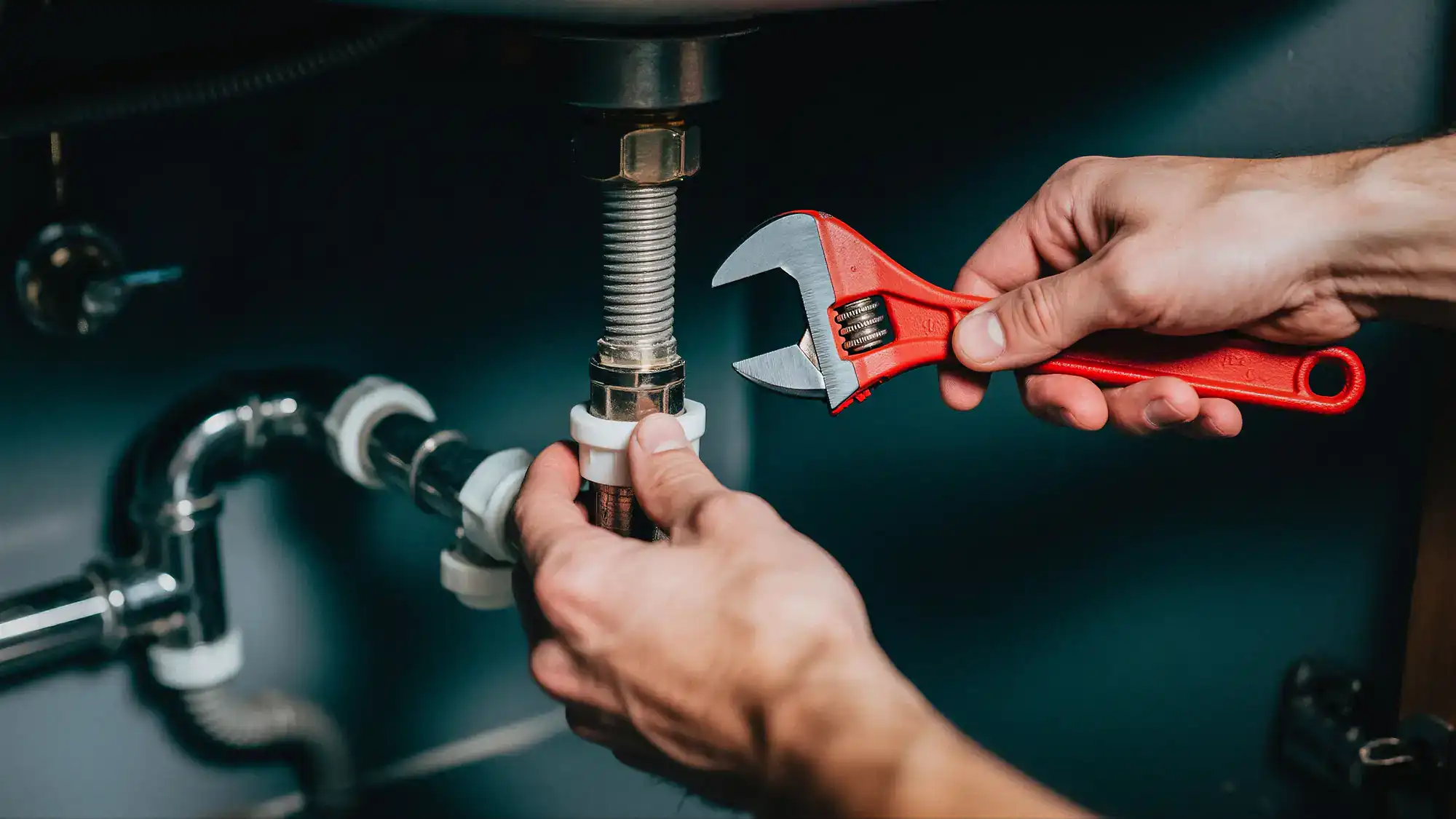
Modern plumbing inspections combine visual assessment with advanced technology to give you a complete picture of your plumbing system’s health. Each type of inspection serves a specific purpose and provides valuable information about your home.
Visual inspections cover all accessible plumbing fixtures, supply lines, and drainage systems. We check faucets, toilets, showers, and appliances for leaks, proper operation, and signs of wear. We examine exposed pipes for corrosion, damage, or improper installation that could lead to future problems.
Water pressure testing at multiple points throughout your home reveals issues that aren’t immediately obvious. Inconsistent pressure can indicate partial blockages, leaks, or problems with your home’s main water line. These issues often develop gradually, so you might not notice them until they become severe.
Camera inspections are particularly valuable for sewer lines and other underground pipes. A high-resolution camera fed through your drain lines can identify blockages, cracks, root intrusion, and other problems that would otherwise require expensive excavation to diagnose. This technology allows us to pinpoint exact locations of problems and recommend the most cost-effective solutions.
The combination of visual and camera inspections provides comprehensive coverage of your entire plumbing system. While visual inspections cost $100 to $200, camera inspections range from $300 to $1,100. Many homeowners opt for combination inspections ($350 to $1,375) because they provide complete peace of mind and the most thorough evaluation possible.
Water heater inspection is typically included and involves checking the unit’s safety systems, efficiency, and signs of corrosion or sediment buildup. Water heater problems often develop slowly, and early detection can extend the unit’s life significantly while preventing sudden failures that leave you without hot water.
Most plumbing experts recommend annual inspections, but your home’s specific circumstances might call for more frequent evaluation. Understanding when to schedule inspections helps you stay ahead of problems and maximize your investment in preventive maintenance.
Annual inspections work well for most homes, especially newer properties with modern plumbing systems. This frequency allows us to catch developing issues before they become expensive problems while avoiding unnecessary service calls. For most homeowners, annual inspections provide the right balance of protection and cost-effectiveness.
Older homes often benefit from more frequent inspections. If your home is more than 30 years old, consider bi-annual inspections. Older plumbing systems use materials that are more prone to corrosion and failure, and problems can develop more quickly. The additional cost of more frequent inspections is typically far less than the cost of major repairs.
Homes with mature trees nearby should also consider more frequent inspections. Tree roots naturally grow toward water sources, and they can infiltrate sewer lines and water pipes over time. Root damage often develops slowly and can cause significant problems before you notice any symptoms. Regular camera inspections of your sewer lines can catch root intrusion early when it’s still manageable.
New homeowners should schedule a comprehensive plumbing inspection soon after purchase, even if the home had a general inspection. Home inspectors check basic functionality, but they don’t perform the detailed evaluation that we provide. This baseline inspection helps you understand your new home’s plumbing condition and identify any issues that need immediate attention.
Certain situations warrant immediate professional inspection regardless of your normal schedule. If you notice changes in water pressure, unusual sounds from your pipes, or unexplained increases in your water bill, don’t wait for your next scheduled inspection. These symptoms often indicate problems that can quickly become expensive if left unaddressed.
The investment in regular inspections pays dividends in avoided repairs and extended system life. Forty percent of homeowners expect more pressing maintenance issues in the future, with many anticipating plumbing replacements within the next five years. Regular inspections help you plan for these expenses and often extend the life of your existing systems.
The math is simple: spend a few hundred dollars on annual inspections, or risk thousands in emergency repairs and water damage. Smart homeowners in Folsom, El Dorado Hills, and surrounding areas understand that plumbing inspections aren’t an expense—they’re insurance against much larger problems.
Regular inspections give you control over your home’s plumbing instead of letting problems control you. You’ll know what’s happening with your system, what needs attention, and what can wait. This knowledge helps you budget for maintenance and avoid the stress of unexpected plumbing emergencies.
When you’re ready to protect your home with professional plumbing inspection services, we provide thorough evaluations and honest recommendations for homeowners throughout El Dorado County. Don’t wait for a small problem to become an expensive disaster.
Article details:
Share:
Continue learning: