Regular plumbing maintenance prevents expensive emergencies and extends your system's lifespan. Learn how Cameron Park homeowners save thousands through preventative care.
Share:
Summary:
A routine plumbing inspection in Cameron Park runs between $100 and $300. That’s what you pay to have a professional look at your entire system, check for early warning signs, and catch problems while they’re still manageable.
Emergency plumbing services cost $100 to $500 per hour—often 1.5 to 3 times normal rates. That’s just the labor. A burst pipe repair can run $500 to $5,000 depending on location and damage. Water heater failures cost $800 to $3,000+ for replacement. Sewer backups start at $500 and climb fast if there’s structural damage.
The math isn’t complicated. Annual maintenance catches issues when they’re cheap to fix. Emergency repairs happen when small problems have turned into expensive ones, usually at 2 AM or on a holiday when rates are highest.
Preventative plumbing maintenance reduces repair costs by 15 to 30 percent annually. That’s not a marketing claim—it’s based on the difference between scheduled fixes and emergency calls.
Here’s what that looks like in real numbers. The average homeowner spends about $1,200 per year on plumbing services. With regular maintenance, you’re spending $100 to $300 on inspection plus maybe $200 to $400 on small repairs identified early. Without it, you’re rolling the dice on emergency situations that start at $500 and go up from there.
Fixing easily corrected leaks saves about 10 percent on water bills according to the EPA. A single leaking faucet wastes 180 gallons of water per week. A running toilet can waste 3,000 gallons annually. These aren’t hypothetical scenarios—they’re the most common issues found during routine inspections.
Water damage is even more expensive. The average water damage insurance claim is $11,098. That’s for claims that insurance actually covers. Many policies don’t cover damage from gradual leaks or poor maintenance. You’re on your own for those costs.
Early detection changes everything. A small pipe leak caught during inspection might cost $200 to fix. If left untreated, that same leak can lead to burst pipes costing thousands, plus water damage to walls, floors, and foundations. Replacing a worn toilet seal during scheduled maintenance costs $50 to $100. Waiting until it fails completely can mean water damage, mold growth, and structural repairs.
Your water heater is another example. Annual flushing removes sediment buildup that forces the unit to work harder, reducing efficiency and shortening its lifespan. A simple flush costs $100 to $150 and can extend your water heater’s life by several years. Replacing a water heater prematurely because of neglected maintenance costs thousands.
The pattern repeats across your entire plumbing system. Small problems identified early cost less to fix than major failures. Scheduled repairs during business hours cost less than emergency service. Prevention costs less than reaction. Period.
A comprehensive plumbing inspection examines every part of your system that affects performance and safety. This isn’t a quick visual check—it’s a detailed evaluation designed to catch problems you wouldn’t notice on your own.
We check all visible pipes for signs of corrosion, leaks, or wear. We inspect connections and joints where failures commonly start. Water pressure gets tested to ensure it’s in the safe range—too high damages pipes and fixtures, too low indicates problems elsewhere in the system.
Drain performance matters. Slow drainage often signals developing clogs or sewer line issues. We test all drains and toilets, looking for problems before they become complete blockages. We check toilet seals, faucet valves, and supply line connections that wear out over time.
Water heater inspection includes checking for rust, leaks, proper temperature settings, and sediment buildup. The pressure relief valve gets tested. We look for signs the unit is approaching failure so you can plan for replacement rather than dealing with an emergency.
Cameron Park’s climate creates specific concerns. Temperature swings between hot summers and cool winters cause pipes to expand and contract, potentially loosening connections. We check for stress points that could develop into leaks. We look at insulation on exposed pipes, especially in areas vulnerable to occasional freezing.
Older homes in Cameron Park—many built in the 1980s—have aging infrastructure. Inspections for these properties focus on pipe condition, outdated materials that may need replacement, and systems that might not meet current code requirements. We identify what needs attention now versus what to plan for in the next few years.
Sewer line evaluation often includes camera inspection. This shows the interior condition of pipes, identifies tree root intrusion before it causes backups, and reveals cracks or deterioration you can’t see from above ground. Finding these issues early prevents expensive emergency repairs and property damage.
The inspection also covers fixture efficiency. We identify opportunities to reduce water waste, lower utility bills, and upgrade to more efficient components. We explain what’s working well and what’s costing you money.
Want live answers?
Connect with a Murray Plumbing expert for fast, friendly support.
Most Cameron Park homes should have professional plumbing inspections once a year. That’s the baseline recommendation for properties with standard plumbing systems and no unusual risk factors.
Your home might need more frequent attention. Properties built before the 1980s benefit from inspections every six months due to aging pipes and outdated systems. Homes with mature trees near sewer lines should be checked annually at minimum—tree roots seek moisture and can crack or block underground pipes.
If you’ve recently purchased a home in Cameron Park, schedule inspections more frequently during the first few years. You don’t have a track record of the system’s condition, and the previous owner’s maintenance habits are unknown. Annual or bi-annual inspections give you a complete picture and prevent surprises.
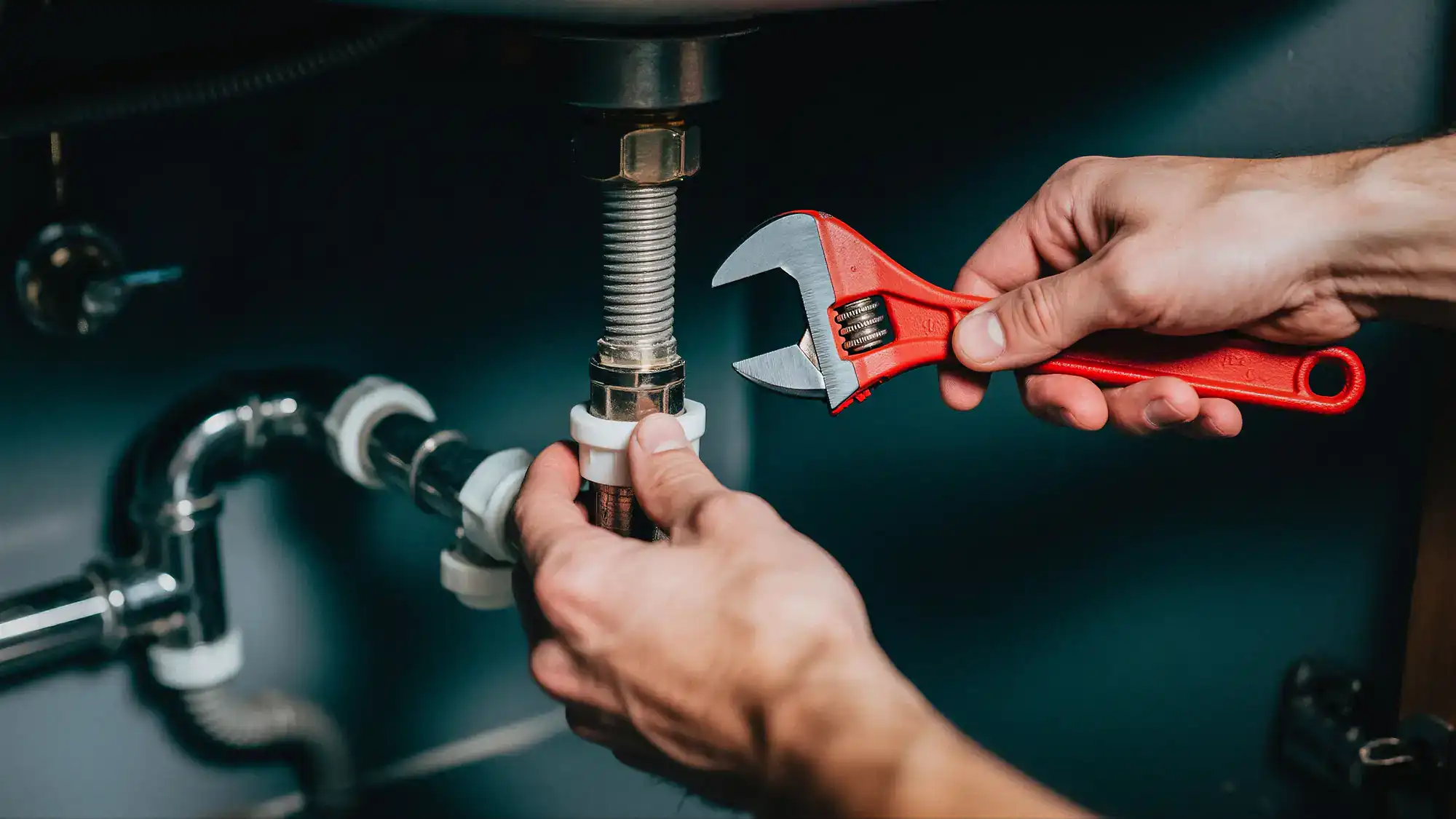
Some problems can’t wait for your next scheduled inspection. Knowing when to call immediately versus when you can wait saves both money and property damage.
Call for emergency service if you have burst pipes or major leaks. Water spreading through your home causes damage by the minute. Shut off your main water valve and call a plumber right away. The same applies to sewer backups—these create health hazards and need immediate attention.
No hot water might seem like an emergency, but it depends on the situation. If your water heater is leaking or you smell gas near a gas-powered unit, that’s urgent. If it simply stopped heating, you can often schedule service during business hours and save on emergency rates.
Gas leaks require immediate action. If you smell gas, leave your home and call your utility company, then a plumber. Don’t wait, don’t try to locate the source yourself, and don’t use anything that could create a spark.
Slow drains, minor drips, and reduced water pressure are annoying but usually not emergencies. These are exactly the problems that routine inspections catch before they worsen. If you notice them between inspections, schedule service during normal business hours to avoid premium rates.
Cameron Park’s occasional freezing temperatures create specific risks. If temperatures drop below freezing and you notice reduced water flow or no water at all, you may have frozen pipes. This can quickly become an emergency if pipes burst. Call for help before that happens.
The cost difference matters. Emergency service during business hours might run $150 to $300 per hour. After-hours, weekend, or holiday calls can hit $300 to $500 per hour. If you can safely wait until morning or Monday without worsening damage, you’ll save significantly.
Your judgment call should balance urgency against cost. Active water damage, health hazards, or situations worsening by the hour justify emergency rates. Problems that are stable and not causing additional damage can usually wait for scheduled service.
Professional inspections regularly uncover issues homeowners didn’t know existed. These are the problems that turn into expensive emergencies when left alone.
Small leaks are the most common discovery. They often start in hidden areas—behind walls, under slabs, in crawl spaces—where you won’t notice them until damage is extensive. Early detection means a simple plumbing repair instead of structural work and mold remediation.
Water heater issues show up frequently. Sediment buildup forces the unit to work harder, reducing efficiency and shortening its lifespan. Failing heating elements, corroded tanks, and faulty pressure relief valves all give warning signs before complete failure. Catching these during inspection means planned replacement on your schedule, not an emergency when the unit quits entirely.
Drain problems develop gradually. Slow drainage, partial clogs, and tree root intrusion in sewer lines typically happen over time. Most homeowners adapt to slightly slower drains without realizing there’s a growing problem. Professional inspection identifies these issues before they become complete blockages requiring emergency plumbing services.
Toilet seals, faucet valves, and supply line connections wear out. We spot components approaching failure and replace them during scheduled maintenance. This costs a fraction of what you’d pay for emergency repairs after a failure, plus you avoid water damage.
Pipe corrosion is another frequent find, especially in older Cameron Park homes. Early-stage corrosion signals that leaks are coming. Replacing worn pipes before they fail prevents water damage and the higher costs of emergency repairs.
Water pressure problems indicate issues elsewhere in your system. High pressure damages pipes and fixtures over time. Low pressure might mean leaks, blockages, or problems with your pressure regulator. Either way, addressing it early prevents bigger problems.
Cameron Park’s temperature swings stress plumbing connections. Pipes expand and contract with heat and cold, potentially loosening joints. Inspections catch these stress points before they develop into leaks. It’s one reason why working with professionals who understand local conditions makes a difference.
The pattern is consistent—small problems found early are cheap to fix. The same problems ignored become expensive emergencies. Regular inspections shift the odds in your favor.
Regular plumbing maintenance isn’t an extra expense—it’s protection against the expensive kind. A $200 annual inspection beats a $3,000 emergency repair every time.
The math works because small problems cost less to fix than big ones. Scheduled repairs during business hours cost less than emergency calls. Prevention costs less than reaction. Your Cameron Park home represents a significant investment. Protecting it with quality plumbing services makes financial sense.
Schedule annual inspections for most homes, more frequently if your property is older or has risk factors like mature trees near sewer lines. Pay attention to warning signs between inspections—slow drains, unexplained water bill increases, or reduced water pressure. Address these during normal business hours to avoid emergency rates.
If you’re ready to stop worrying about plumbing emergencies and start saving money through preventative care, we can help. We’ve been serving Cameron Park for over 24 years with transparent pricing, fast response times, and a satisfaction guarantee that means you don’t pay if you’re not happy.
Article details:
Share:
Continue learning: