
Hear from Our Customers
A slow drain in a Land Park home is rarely just a clog. Beneath the tree-lined streets along Land Park Drive and Riverside Boulevard, most homes are still running on clay tile and cast iron pipes installed 80 or more years ago. Those materials crack at the joints, develop low spots where waste pools, and attract roots from the same elms and valley oaks that make this neighborhood beautiful. When the drain finally stops, it’s usually the result of years of buildup not a single bad morning.
Getting that fixed the right way means knowing what you’re actually dealing with before anyone touches a wrench. That’s where camera inspection changes the outcome. Instead of snaking a line and hoping for the best, you get a clear picture of what’s inside root mass, pipe belly, cracked joint and a real explanation of what needs to happen next. No guessing, no repeat calls two weeks later.
Sacramento’s clay soil makes this even more important. Every wet season, that ground swells against your buried drain lines. Every dry summer and Land Park summers regularly push past 100°F it contracts and pulls away. That annual cycle stresses pre-war pipe joints in ways that modern PVC simply doesn’t experience. Catching a problem early, before the rainy season hits, is the difference between a drain cleaning and a full lateral replacement.
We’ve been doing this for more than 100 years five generations of the same family, the same commitment to showing up on time, explaining the problem honestly, and charging what was quoted. That last part matters more than most companies want to admit. The price you’re given before work starts is the price on your invoice when it’s done. Some customers have actually paid less than the original estimate. That’s not a gimmick it’s just how we’ve operated for over a century.
For Land Park homeowners, that kind of accountability means something. This is a neighborhood where people invest in their properties, care about their homes’ history, and expect the professionals they hire to treat the work with the same respect. Whether you’re dealing with a stubborn kitchen drain near Freeport Boulevard or a main line backup in a 1930s Craftsman, our licensed technicians understand what’s under these streets and we know how to handle it without making the problem worse.
It starts with a call. You describe what you’re seeing slow drain, gurgling, backup, odor and we schedule a visit that works for your timeline, including same-day and emergency availability around the clock. When our technician arrives, they assess the situation before quoting anything. You get a clear price upfront, and work doesn’t begin until you’ve agreed to it.
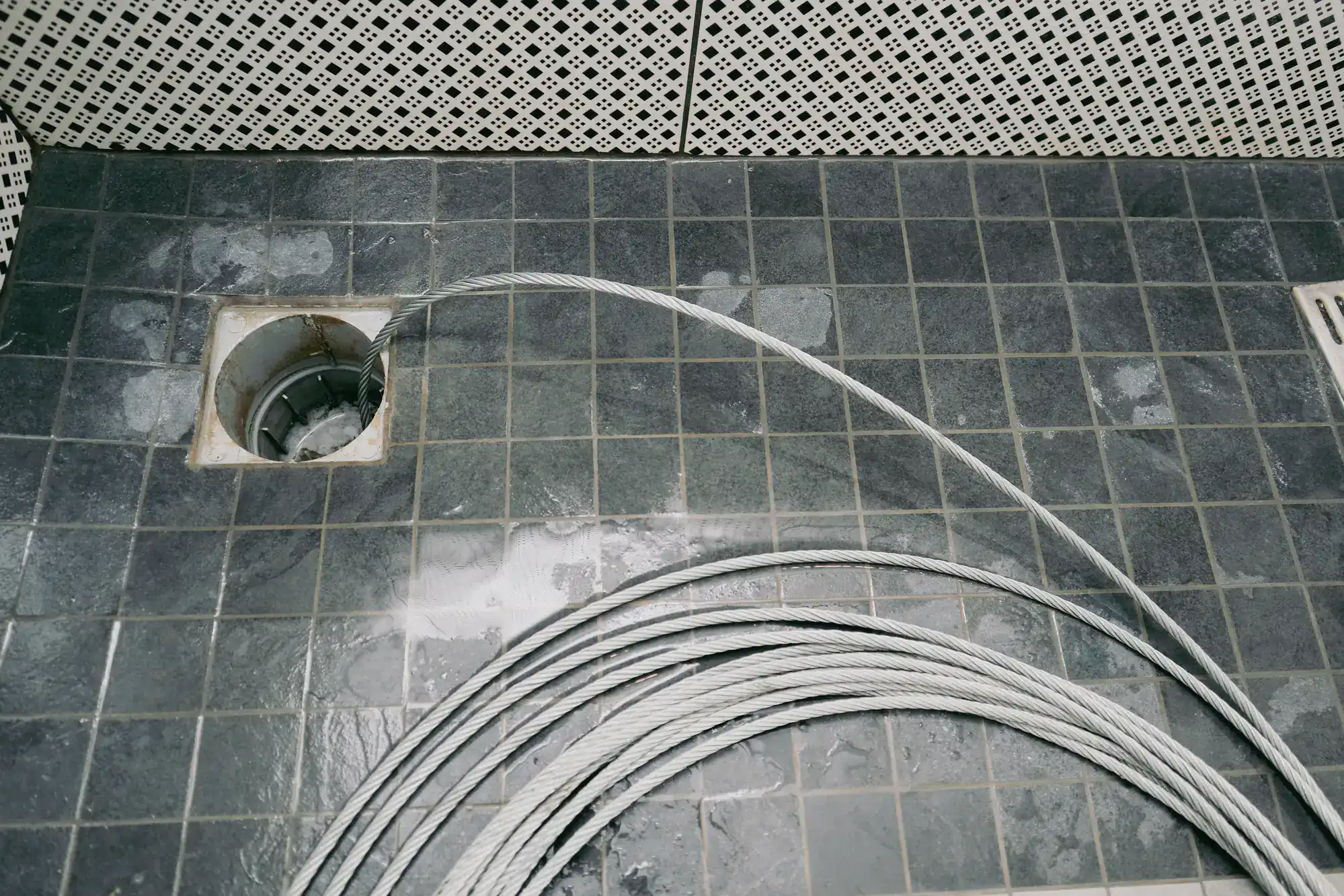
From there, the approach depends on what the drain actually needs. For most Land Park homes, that means starting with a camera inspection to see exactly what’s happening inside the pipe. Pre-war clay tile lines in this neighborhood can hide root intrusion, joint offsets, or pipe bellies that a standard snake won’t resolve and that a camera makes immediately visible. Once the problem is identified, the right method gets applied. That might be hydro jet drain cleaning, which uses high-pressure water to fully clear the pipe walls and flush root fragments out of the line entirely, or it might be targeted snaking for a simpler blockage closer to the fixture.
Because Land Park falls under Sacramento city jurisdiction and Regional San sewer oversight, any structural repair to a sewer lateral requires a city permit something we handle as a licensed California C-36 contractor. Routine drain cleaning doesn’t require a permit, but if the camera reveals something more serious beneath your yard, you’ll know exactly what the next steps look like, what they cost, and who’s responsible for what. In Sacramento, the sewer lateral from your home to the public main is your responsibility and knowing that before a problem escalates is exactly the kind of information we make sure you have.
Ready to get started?
We handle the full range of drain cleaning in Land Park from a single slow shower drain to a main line that’s backing up into the house. Shower drain cleaning, toilet drain cleaning, kitchen drain clearing, main drain cleaning, and hydro jet drain cleaning are all part of what we do here, depending on what the situation calls for. There’s no one-size-fits-all approach, and there’s no pressure to upgrade to a service you don’t need.
For Land Park’s older homes specifically, hydro jet drain cleaning is often the most effective long-term solution. The mature tree canopy throughout the neighborhood valley oaks, elms, sycamores has been sending roots toward aging clay tile sewer laterals for decades. A cable snake can punch through a root mass, but it leaves the root structure and the entry point intact. Hydro jetting scours the pipe walls clean and removes the debris entirely, which is why results typically last two to three years rather than a few weeks.
We offer both residential and commercial drain cleaning in Land Park, and the same transparent pricing policy applies regardless of the job size. If you own a property near the Broadway District or manage a building anywhere in the 95818 area, the approach is the same: assess first, quote honestly, and don’t start work until you’ve said yes. We also serve the adjacent neighborhoods of Curtis Park, Upper Land Park, and South Land Park so if your property sits near Sutterville Road or closer to the Eichler homes in South Land Park Hills, the same team and the same standards apply.
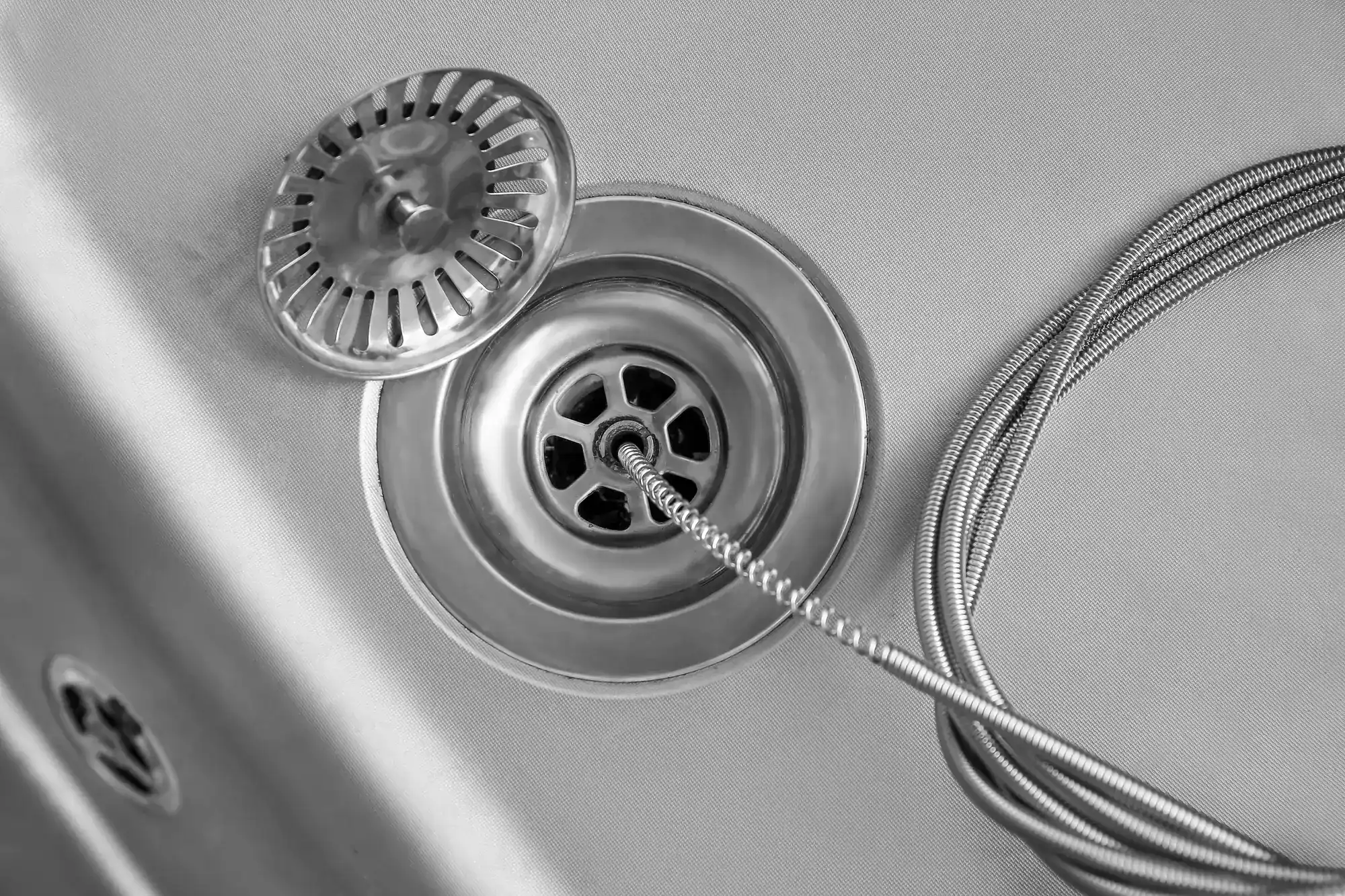
The short answer is that the pipes in most Land Park homes were never designed to last this long. Homes built in the 1930s and 1940s which make up the majority of the housing stock in this neighborhood were plumbed with vitrified clay tile for sewer laterals and cast iron for interior drain stacks. Both materials have a finite lifespan, and after 80 or more years of use, they develop cracks at the joints, internal corrosion that narrows the pipe diameter, and low spots where waste pools instead of flowing out.
Add to that the root systems from the mature elms and valley oaks lining virtually every block between Freeport Boulevard and Interstate 5, and you have a situation where roots are actively growing into pipe joints that are already compromised. Sacramento’s clay soil makes it worse the ground expands every wet season and contracts every dry summer, which shifts and stresses those aging joints year after year. Recurring clogs in a Land Park home are usually a symptom of something structural, not just buildup. A camera inspection is the fastest way to find out which one you’re dealing with.
It depends on the condition of the pipe, which is exactly why a camera inspection should come before hydro jetting in any older home. Hydro jetting uses high-pressure water to scour pipe walls clean, and it’s extremely effective at removing root fragments, grease buildup, and debris that snaking leaves behind. But if a clay tile lateral is already cracked or has a severely offset joint, applying that pressure without knowing the pipe’s condition first can cause additional damage.
In most cases, Land Park homes with reasonably intact clay or cast iron pipes handle hydro jetting without any issue and the results are significantly better than snaking alone. The key is having a licensed plumber assess the line with a camera before recommending the method. Our technicians do this as a standard part of the process for older homes, not as an add-on. If the pipe isn’t a candidate for hydro jetting, you’ll be told that clearly, along with what your actual options are.
For standard drain cleaning snaking a single line like a kitchen sink or shower most Sacramento-area homeowners pay somewhere in the $200 to $500 range. Hydro jet drain cleaning, which is the more thorough option and often the right call for Land Park’s older clay pipe systems, typically runs $600 to $1,400 depending on the length of the line and what’s in it.
What matters as much as the number is how it’s quoted. We don’t charge a diagnostic fee to come out and assess the problem, and the price given before work starts is the price on the final invoice. Some customers have ended up paying less than the original estimate. For a neighborhood where homes are valued near or above $800,000 and the pipe infrastructure underneath them is 80-plus years old, getting a clear, honest number before anyone starts work is not a small thing it’s the baseline expectation, and it’s one we consistently meet.
In Sacramento, the private sewer lateral the pipe that runs from your home to the connection point with the public sewer main is the homeowner’s responsibility. That means if roots have infiltrated your lateral, if a joint has cracked from years of clay soil movement, or if a pipe belly has developed somewhere under your yard, the cost of repair falls to you, not the city or Regional San.
This is a detail that catches a lot of Land Park homeowners off guard, especially when a drain backup turns out to be a lateral problem rather than a simple clog. The lateral under your property could be 50 to 100 feet long, running beneath the yard and out to the street connection. A camera inspection is the only reliable way to know whether what you’re dealing with is a cleanable blockage or a structural issue that requires permitted repair work. We handle both, and as a licensed California C-36 contractor, can pull the necessary city permits if the work goes beyond routine drain cleaning.
For most Land Park homes, yes and the timing matters more here than it does in newer neighborhoods. Sacramento’s rainy season runs roughly from November through March, and when the atmospheric rivers hit, they saturate the clay soil quickly. That saturated ground swells against already-stressed pipe joints, and municipal sewer capacity gets pushed hard during major rain events. A drain line that’s been slowly accumulating root growth or grease buildup all summer can go from slow to completely backed up within a single heavy storm.
Getting a professional drain cleaning done in September or October after the dry season has done its damage and before the first rains arrive gives you a clear line going into the wettest months of the year. It also gives a technician the chance to spot anything on camera that might become a bigger problem once the ground starts moving again. For a home with an 80-year-old clay lateral under a yard full of mature tree roots, that kind of preventive service is genuinely worth the cost.
The honest answer is that you can’t know without a camera inspection and anyone who tells you otherwise before looking inside the pipe is guessing. A drain that’s slow or backing up could be a root mass that hydro jetting will clear completely, or it could be a collapsed section of clay tile that no amount of cleaning will fix. The symptoms can look identical from the outside.
In Land Park specifically, the age of the housing stock means both scenarios are genuinely common. Homes built before 1950 with original clay tile laterals are at real risk of structural failure, particularly along sections of pipe that run beneath large trees or through areas where Sacramento’s clay soil has been shifting for decades. A camera inspection gives you a visual record of exactly what’s in the pipe cracks, root intrusion, pipe belly, offset joints so the recommendation you receive is based on what’s actually there, not a worst-case assumption. If cleaning is the right call, that’s what gets recommended. If replacement is necessary, you’ll see why on the screen before any decision is made.