
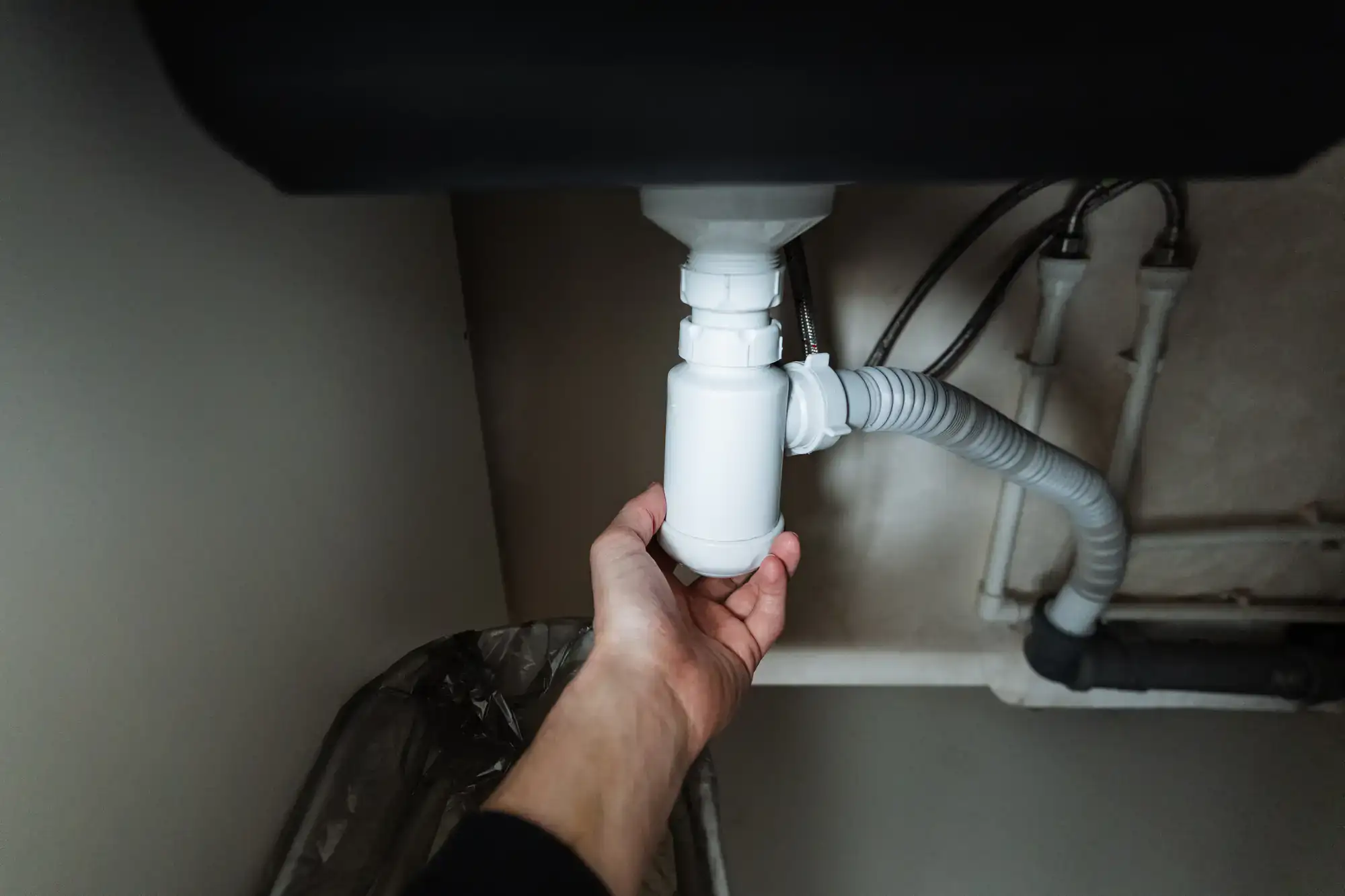
Drain Cleaning
Get a free quote for drain cleaning from your local plumbing team.
We’ll contact you about your drain cleaning request. Privacy policy
Hear from Our Customers
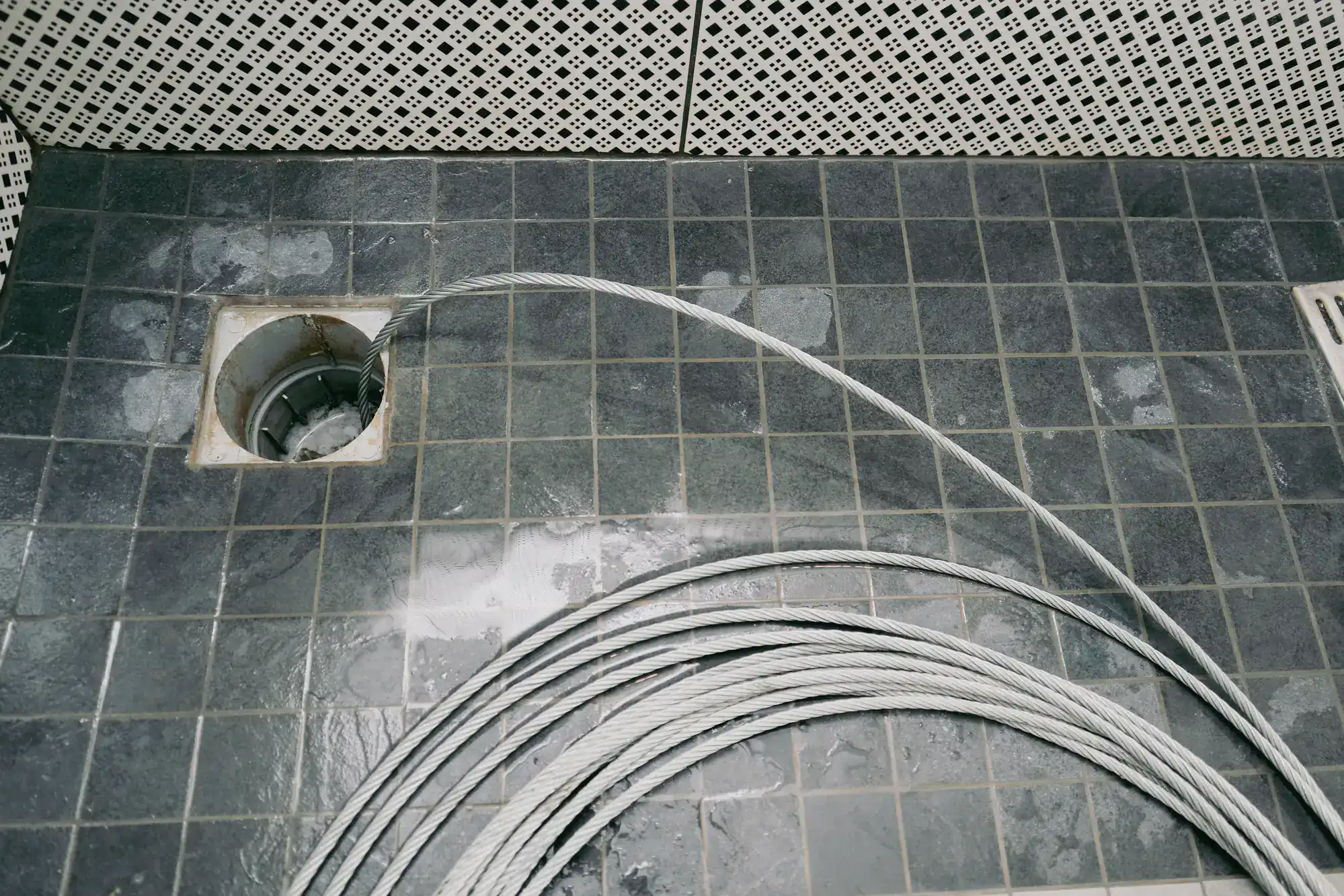
A slow drain in a Richmond Grove home isn’t just inconvenient it’s a warning. The homes here were built between 1880 and 1940, and a lot of those original cast iron and galvanized steel pipes are still in the ground. When drainage slows down, it’s rarely just a hairball. It’s decades of buildup narrowing a pipe that was already aging before the first Sacramento freeway was ever paved.
When the drain is cleared the right way, the difference is immediate. Water moves freely. You’re not standing in a puddle in the shower. Your kitchen sink doesn’t back up every time you run the dishwasher. For landlords managing multi-unit buildings in Richmond Grove and with 84% of Richmond Grove residents renting, there are a lot of you a working drain line means no angry tenant calls at 11 p.m. and no emergency that spreads across multiple units at once.
There’s also something bigger at play here. Richmond Grove sits inside Sacramento’s combined sewer system, one of only two still operating in California, where stormwater and sewage share the same century-old pipes. When your private drain line is partially blocked and a winter storm rolls through, the system backs up fast. Keeping your lateral clear isn’t just a household issue it protects your property during Sacramento’s wet season when the CSS is already running near capacity.
We’ve been serving Sacramento County homeowners and property managers with the kind of straightforward service that’s surprisingly rare in this industry. No diagnostic fee tacked onto your bill just for showing up. No quote that mysteriously grows by the time the job is done. What we tell you upfront is what you pay and more than a few Richmond Grove customers have noted their final bill came in under the original estimate.
That matters in a neighborhood like Richmond Grove, where a lot of the people calling us are landlords or property managers responsible for older buildings near Capitol Avenue and 16th Street. You don’t have time for a plumber who creates more problems than they fix. Our technicians are licensed, punctual, and experienced with the kind of aging pipe infrastructure that’s standard in pre-1940 Richmond Grove homes cast iron, galvanized steel, the works.
We offer 24/7 emergency drain cleaning because backed-up drains in multi-unit buildings don’t wait for business hours. Whether it’s a single clogged shower drain or a main sewer line serving an entire building, one call gets it handled.
The first thing we do is actually look at what’s going on. In a neighborhood where pipes can be 80 to 140 years old, assuming it’s a simple clog is how you end up paying twice. Camera inspection lets us see exactly what’s inside the line whether it’s grease buildup, a tree root that’s been growing through a crack in your sewer lateral for years, or a section of corroded cast iron that needs a different approach entirely. Richmond Grove’s century-old oak and cottonwood trees are beautiful, but their root systems have had decades to find every weak joint in the aging clay and cast iron lines running beneath these streets.
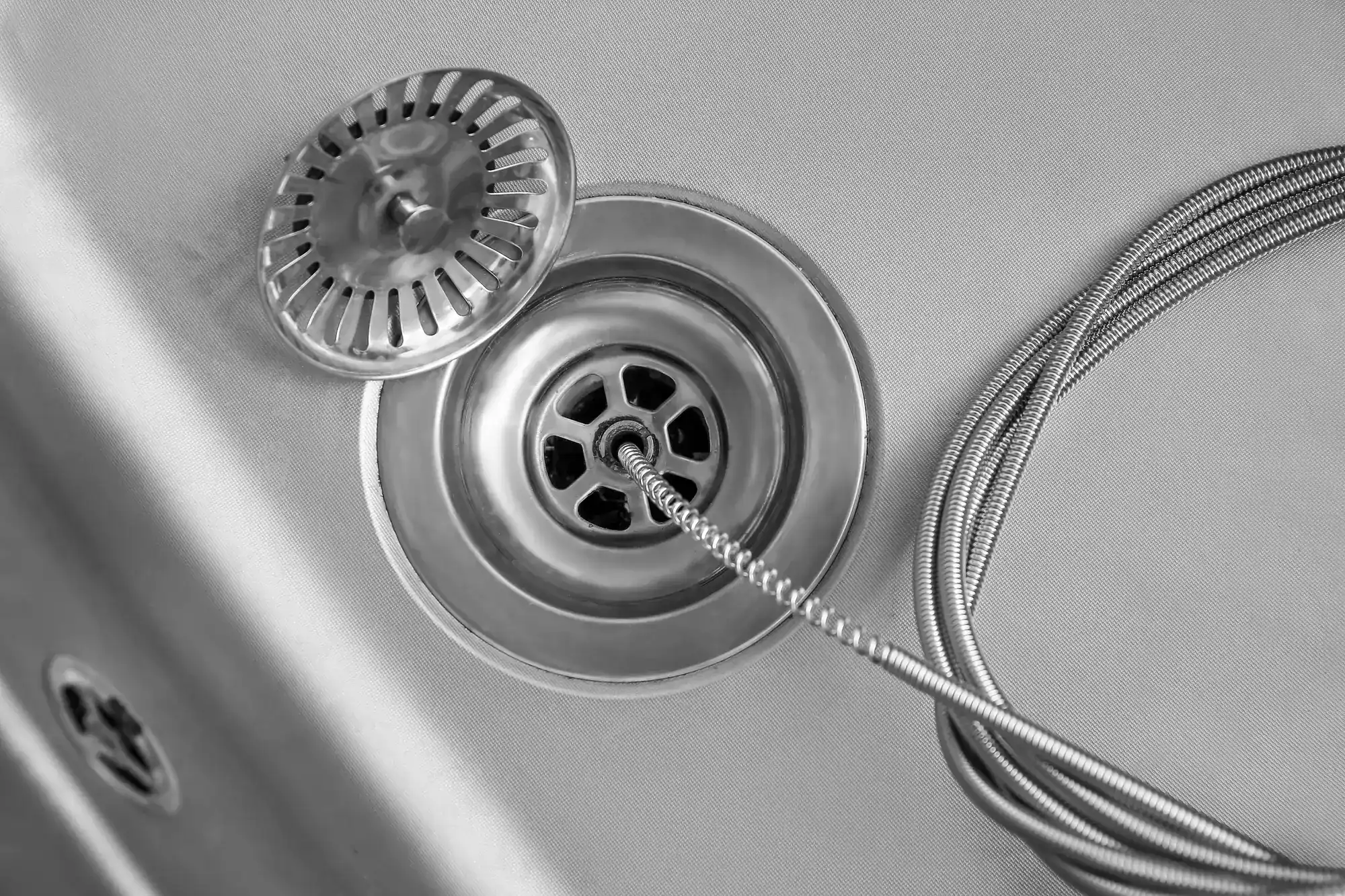
Once we know what we’re dealing with, we use the right tool for the job. For most standard clogs, drain snaking clears the blockage quickly and gets things moving again. For lines that are heavily coated in grease, mineral scale, or root material, hydro jet drain cleaning is the better call high-pressure water that scours the pipe walls clean instead of just punching a hole through the blockage. Hydro jetting in Richmond Grove is especially useful in older cast iron lines where years of buildup have narrowed the pipe from the inside out.
Because many Richmond Grove properties fall within the historic district, we work with minimal disruption to the structure. No unnecessary digging, no tearing into walls. If a repair turns out to be needed beyond cleaning a cracked lateral, for example we’ll walk you through what’s required and what the City of Sacramento’s permitting process looks like before any additional work begins.
Ready to get started?
Drain cleaning isn’t one-size-fits-all, especially in a neighborhood with Richmond Grove’s mix of single-family Craftsman bungalows, converted triplexes, and investment rental properties. A slow shower drain in a one-bedroom unit calls for something different than a backed-up main line serving four units at once. We handle the full range shower drain cleaning, toilet drain cleaning, kitchen drain cleaning, main drain cleaning, and hydro jet drain cleaning for lines that need more than a standard snake.
For residential properties in Richmond Grove, the most common issues we see are root intrusion from the neighborhood’s mature trees, grease and soap buildup in older cast iron lines, and mineral scale accumulation in galvanized pipes that are well past their design lifespan. These aren’t problems a bottle of drain cleaner fixes. They need a licensed drain cleaning plumber with the right equipment and the experience to know what they’re actually looking at.
For commercial and multi-unit properties which make up a significant portion of Richmond Grove’s housing stock we also handle main drain cleaning for shared sewer lines and can set up recurring service agreements for property managers who need a reliable plumbing partner, not just a one-time call. If your building is in ZIP code 95814 or 95818 and you’re dealing with repeat drain issues, the answer is usually a thorough hydro jetting service followed by a camera inspection to confirm the line is clear and identify anything that needs monitoring going forward.
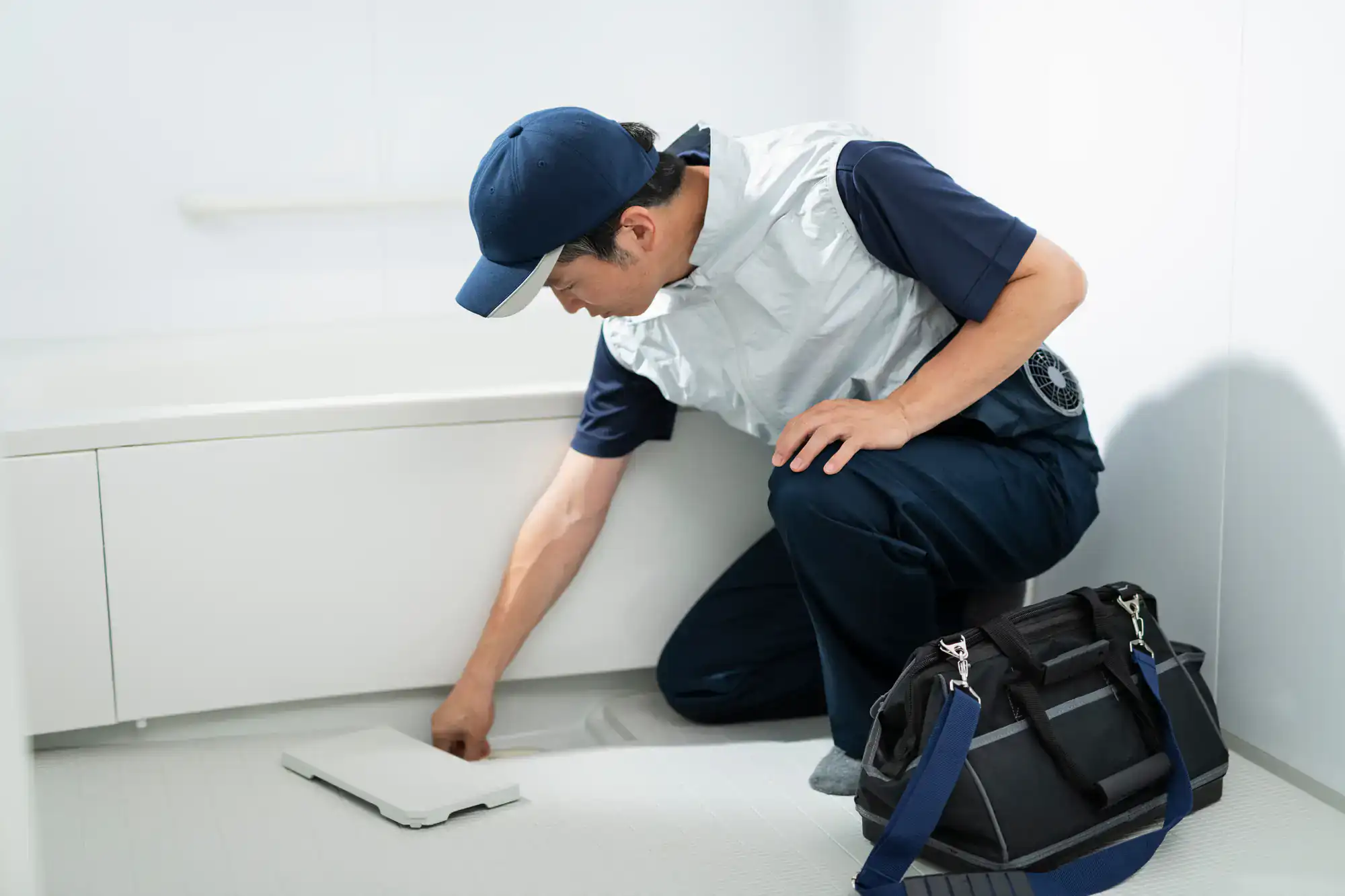
The short answer is pipe age. Most homes in Richmond Grove were built between 1880 and 1940, which means the original drain pipes cast iron and galvanized steel are anywhere from 85 to over 140 years old. Galvanized steel pipes have a functional lifespan of about 60 to 70 years. Cast iron can last longer, but both materials corrode from the inside over time, and as the interior surface roughens and narrows, buildup accumulates faster with every passing year. What used to drain in seconds starts taking minutes, then starts backing up entirely.
Tree root intrusion is the other big factor specific to Richmond Grove. The neighborhood’s streets are lined with century-old oak, cottonwood, and maple trees, and their root systems have had decades to find every hairline crack in aging sewer laterals. Once roots get inside a pipe, they don’t stop growing. They expand with every wet season and can turn a slow drain into a full blockage within a couple of years. Camera inspection is the only way to know for certain which problem you’re dealing with and the right fix depends entirely on that answer.
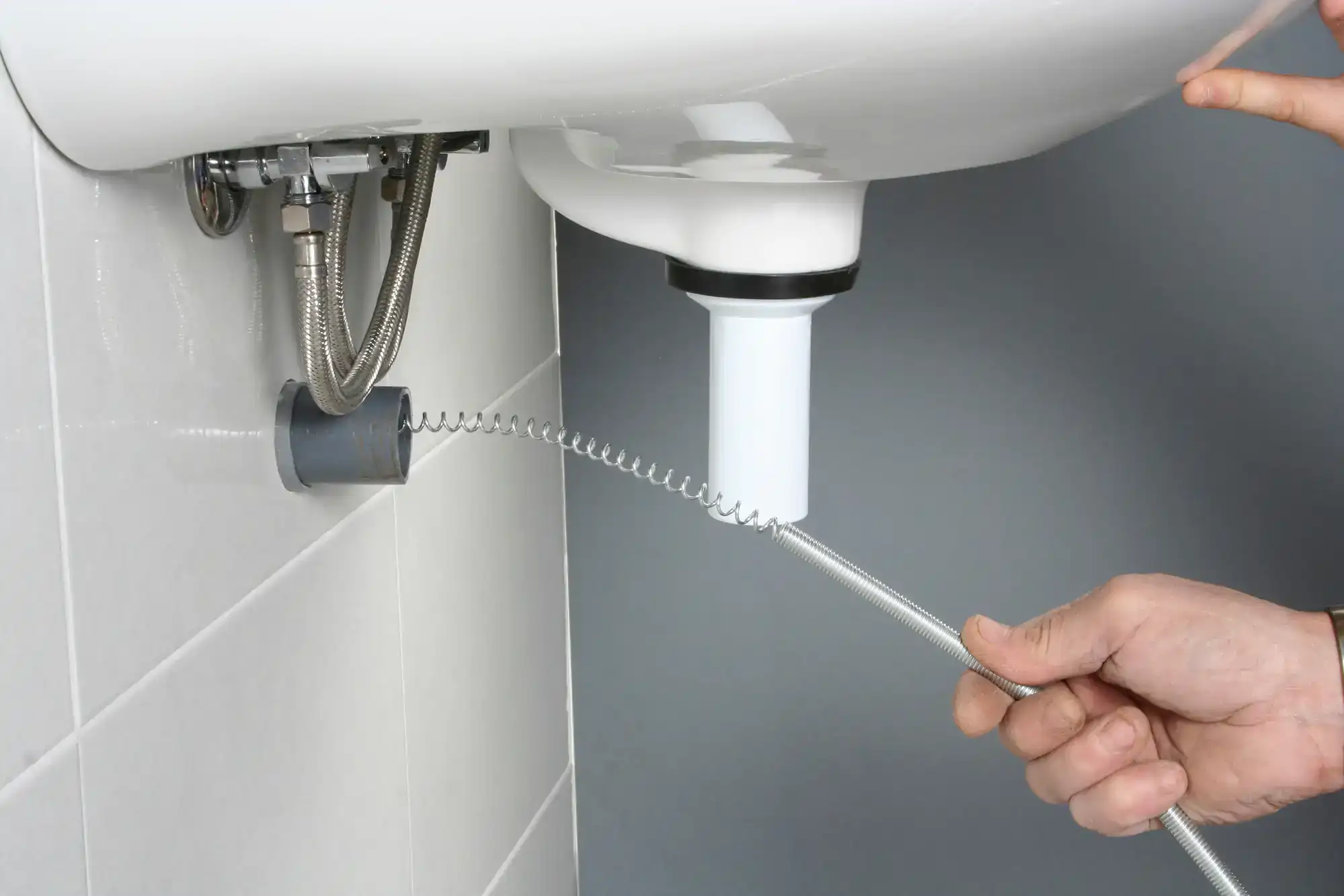
Drain snaking uses a rotating metal cable to break through or pull out a blockage. It works well for most standard clogs a wad of hair in a shower drain, a grease plug in a kitchen line and it’s fast. But snaking only clears the blockage itself. It doesn’t clean the pipe walls, which means the buildup that contributed to the clog in the first place is still there, and the next clog usually shows up sooner than the last one.
Hydro jet drain cleaning uses high-pressure water to scour the interior of the pipe clean not just punch through the clog, but remove the grease, scale, and residue coating the walls. In Richmond Grove’s older cast iron lines, where years of buildup have gradually narrowed the pipe’s interior diameter, hydro jetting restores the line to something close to its original flow capacity. It’s a more thorough solution, and for rental properties or buildings with recurring drain issues, it typically extends the time between service calls significantly often two to three years compared to a few months with snaking alone. For lines with tree root intrusion, hydro jetting also cuts through root material more effectively than a standard snake.
Sacramento operates one of only two combined sewer systems still active in California a design where stormwater and sewage flow through the same pipes. This system covers roughly 7,500 acres, including downtown Sacramento and the neighborhoods immediately surrounding Richmond Grove. It was built for a fraction of the population it serves today, and during heavy rain events which in Sacramento means the concentrated atmospheric river storms that hit between November and March the system can reach capacity quickly.
What that means for your property is straightforward: if your private drain lateral is partially blocked when a storm rolls through, the combination of storm surge and backed-up sewage has nowhere to go except back into your building. Keeping your lateral clear isn’t just about day-to-day convenience. It’s a real line of defense during Sacramento’s wet season. A professional drain cleaning before the rainy season starts and a camera inspection to confirm the line is fully clear is one of the more practical things a Richmond Grove property owner can do before November.
Routine drain cleaning snaking a clogged line, hydro jetting a main drain does not require a permit from the City of Sacramento. A licensed plumber can perform that work without any additional approvals, and it’s typically completed in a single visit.
Where permits come into play is if the work involves repairing or replacing a sewer lateral the pipe that runs from your home or building to the public sewer main. Any work that touches the connection to Sacramento’s sewer system requires a permit through the City of Sacramento Department of Utilities. If your camera inspection reveals a cracked, offset, or collapsed section of lateral that needs repair, your plumber will need to pull the appropriate permits before that work begins. For properties within the Richmond Grove Historic District, there’s an additional layer: structural changes to historic properties require city approval, which is one more reason to start with a thorough drain cleaning and camera inspection before assuming a full pipe replacement is necessary. Non-invasive solutions that extend the life of existing infrastructure are often the right call here.
This is a fair question, and the honest answer is: it depends on the condition of the pipe. Hydro jetting is safe for cast iron pipes that are structurally intact. High-pressure water cleans the pipe walls without the mechanical stress that a rotating snake cable applies, which actually makes it gentler on the pipe material in some respects.
The concern comes when a cast iron pipe is already heavily corroded, cracked, or partially collapsed. In that case, the pressure from hydro jetting could worsen existing damage. That’s exactly why camera inspection should come before hydro jetting in any older Richmond Grove home not as an upsell, but as a necessary step to confirm the pipe can handle the service. If the camera shows the line is in reasonable structural condition, hydro jetting is the right tool. If it shows significant corrosion or damage, the conversation shifts to what kind of repair makes sense before cleaning. A licensed drain cleaning plumber should be making that call based on what they actually see, not defaulting to the most expensive option on the menu.
For a standard residential drain cleaning snaking a clogged kitchen, bathroom, or shower drain you’re typically looking at somewhere between $200 and $500 depending on the severity and location of the blockage. Main drain cleaning for a sewer line, especially in an older multi-unit building, runs higher, generally in the $300 to $600 range. Hydro jet drain cleaning, which is the more thorough option for heavily built-up or root-affected lines, typically falls between $600 and $1,400 depending on the length of the line and what’s in it.
What matters as much as the number is how the price is handled. We don’t charge a diagnostic fee just for showing up, and the price quoted at the start of the job is what you pay at the end no additions, no surprises. For Richmond Grove landlords and property managers who deal with drain calls regularly, that kind of pricing consistency is worth a lot more than a low estimate that grows once the truck is in your driveway. If you’re managing multiple units in the 95814 or 95818 ZIP codes, ask about recurring service options keeping lines clean on a schedule is almost always less expensive than handling emergency calls one at a time.