
Hear from Our Customers
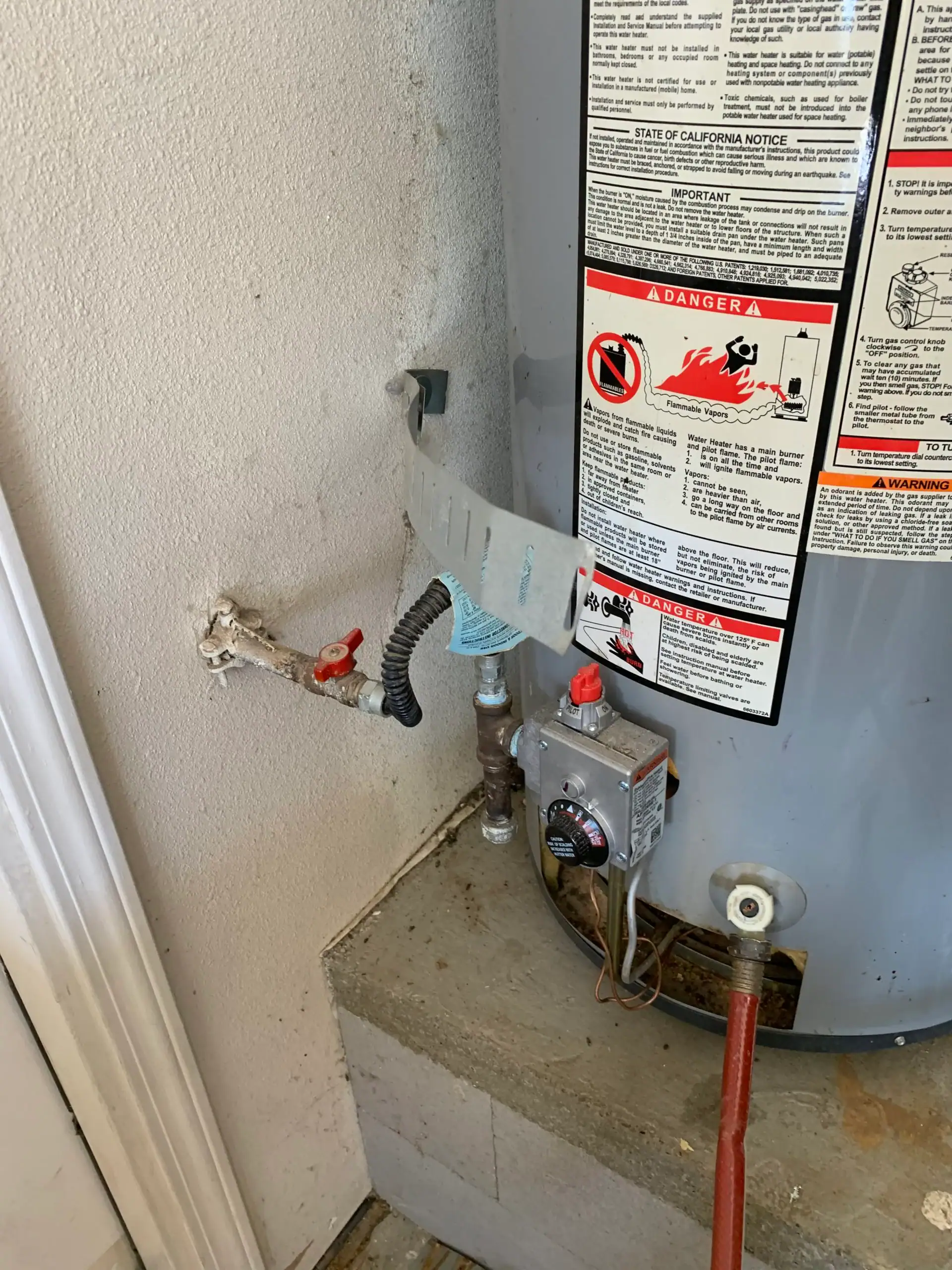
When a seismic valve is installed correctly, your gas line shuts off automatically the moment ground movement hits the threshold before a spark, before a fire, before you even realize what happened. That’s not a small thing. That’s the difference between a scare and a disaster.
San Joaquin’s housing stock runs mostly from the 1950s through the early 2000s. A lot of those homes were built long before seismic valve requirements existed, and the gas lines running through them have never had an automatic shutoff in place. If you own or rent out one of those properties, that gap is worth closing.
There’s also a practical concern specific to living out here: the farms, the harvesters, the heavy trucks on the county roads. A common worry is whether all that vibration could trip the valve and kill your gas on a random Tuesday. It won’t. DSA-certified valves are calibrated to 0.2g of horizontal ground acceleration a threshold that agricultural equipment simply doesn’t reach. You get real protection without the false alarms.
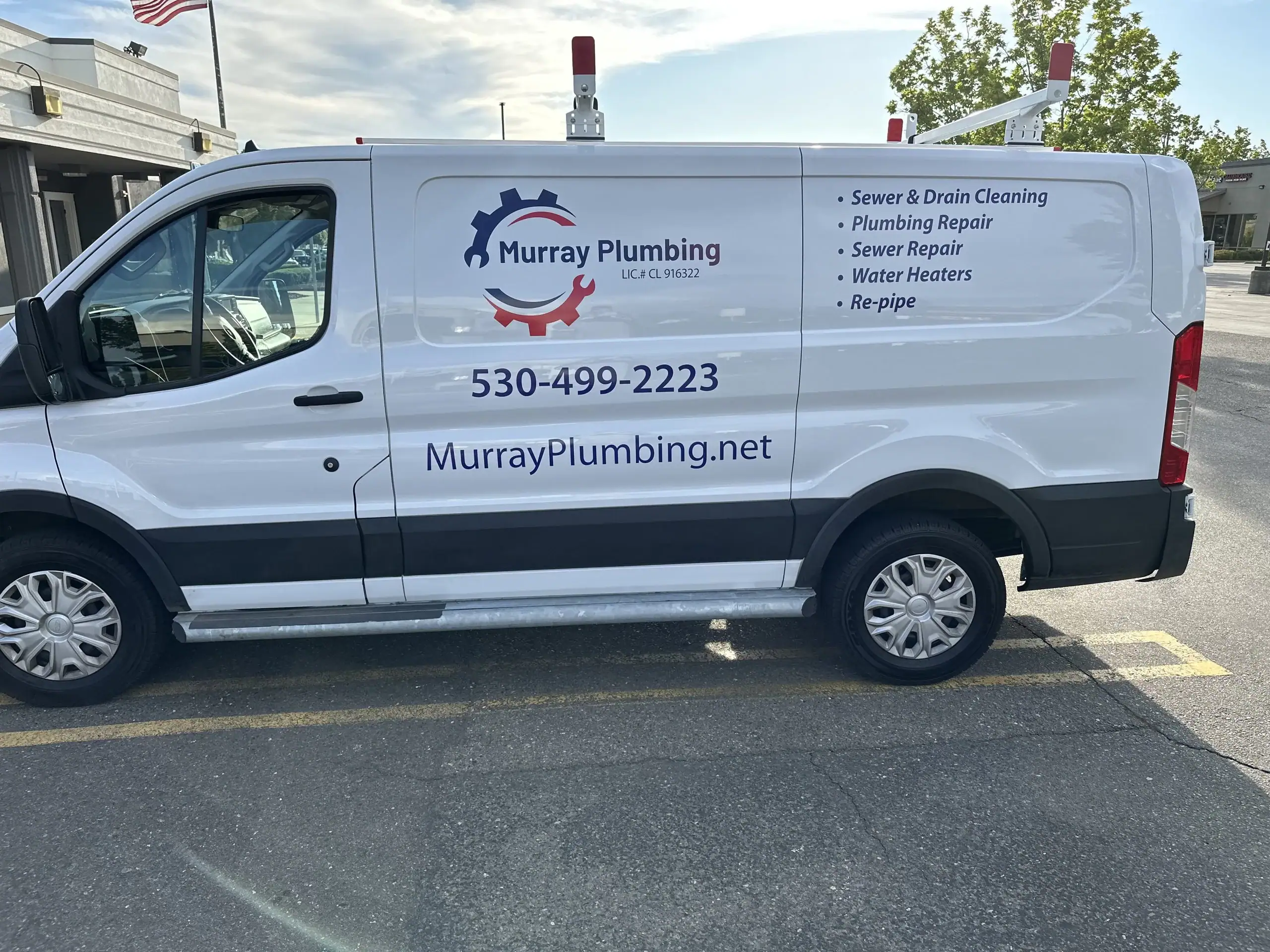
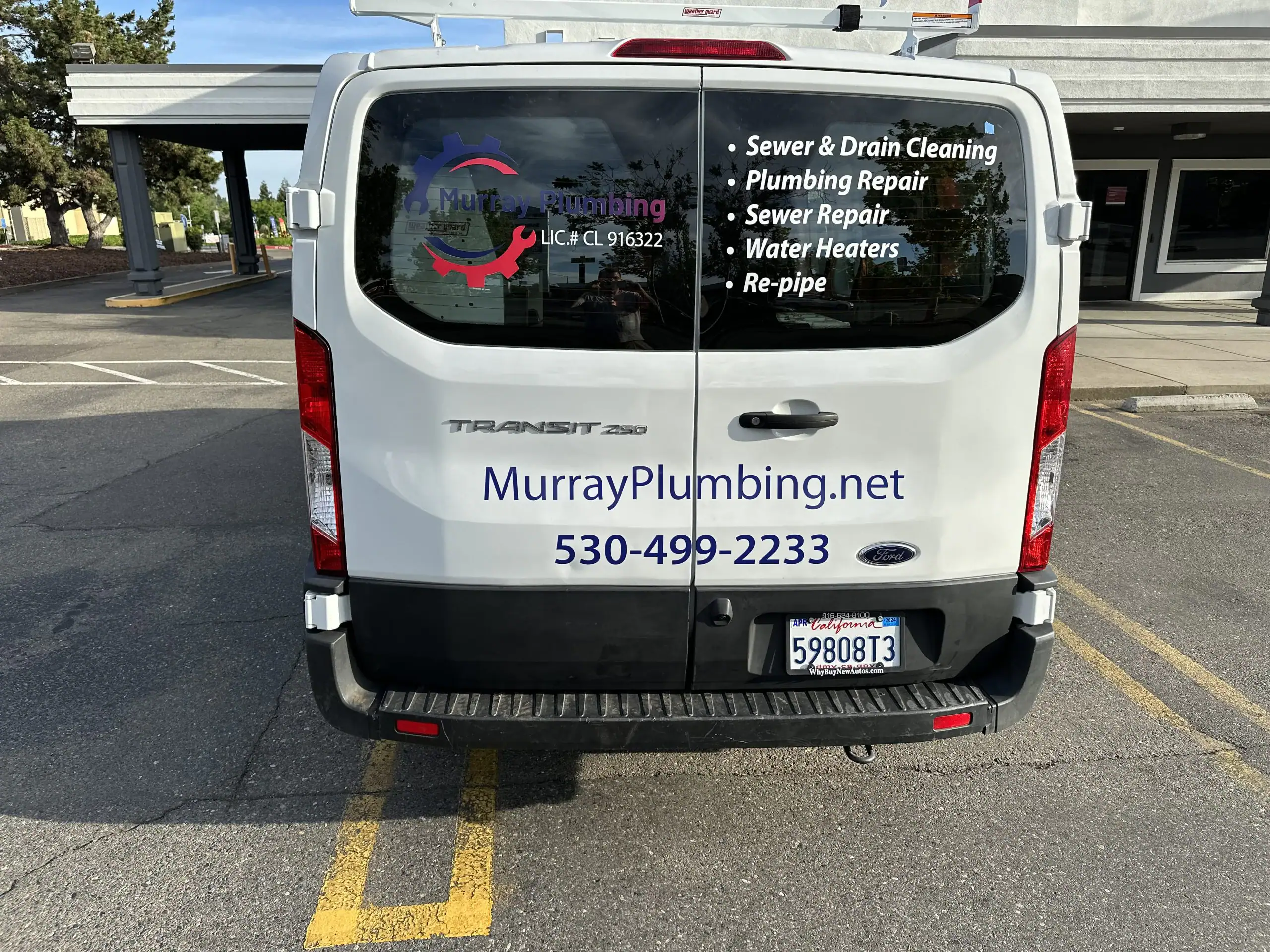
We founded Murray Plumbing in 2009, and we hold California C-36 License #916322 the specific classification required by the state to legally perform gas line and seismic valve work. You can verify it yourself at cslb.ca.gov in about a minute. That’s not a formality. That’s how you know the person touching your gas line is qualified to do it.
We serve the west side of Fresno County, including San Joaquin and the surrounding communities along the SR-33 corridor. This isn’t a franchise dispatching whoever’s available. When you call, you’re dealing with a real person who stands behind the work.
Our customers consistently point to three things: we showed up on time, we explained everything clearly, and the final bill matched the quote sometimes came in under it. That track record, backed by a 4.7-star rating across 93 reviews, is what makes the difference when you’re trusting someone with your gas line.
It starts with a free pre-installation assessment. Before any money changes hands, one of our licensed technicians comes out to inspect your gas meter, confirm the right valve for your setup, and give you an exact price. No estimates that balloon later. No pressure to commit on the spot.
Once you’re ready to move forward, the installation itself is straightforward. We install only DSA-certified seismic shut-off valves the standard required under California’s Title 24 plumbing code and the only type that satisfies permit compliance, insurance documentation, and real estate disclosure requirements. For homes in San Joaquin, where many properties were built before these standards existed, this is the upgrade that brings the gas line into current compliance.
Every installation includes a pulled permit and a scheduled inspection through the appropriate Fresno County building authority. That creates a legal record on file which matters if you ever sell the property or need to document the upgrade for your insurer. After the work is done, we’ll walk you through how the valve works, what to do if it trips, and why you should call a licensed plumber before resetting it rather than doing it yourself. The whole process, from first call to final inspection, is built to be clean and straightforward.

Ready to get started?
The all-in price for most residential earthquake valve installations runs $400–$650. That covers the DSA-certified valve, labor, permit fees, and written documentation. There’s no line item that appears after the fact. The free pre-installation assessment locks in your exact price before work begins, so you know what you’re paying before anyone picks up a wrench.
For property owners in San Joaquin and given that roughly two-thirds of residents here rent, a lot of the people reading this are landlords the permit record that comes with every installation we do is especially important. It documents compliance, protects against liability, and gives tenants something concrete when they ask about gas safety. If you’re managing multiple properties in the area, that documentation trail adds up to real protection.
We also offer 24/7 emergency availability. After a felt seismic event, demand for valve assessments and installations spikes fast, and most contractors are booked out for days. If you feel a tremor near San Joaquin whether it’s activity along the western valley fault zone or something further out on the San Andreas and you want your home assessed the same day, that’s a call we can actually answer.
San Joaquin sits in the western San Joaquin Valley, which is underlain by a series of buried thrust faults that most residents don’t know about. These aren’t minor geological footnotes they’re the same fault system that produced the 1983 Coalinga earthquake, a magnitude 6.5 event centered roughly 35 to 40 miles south of San Joaquin. That earthquake caused significant structural damage and was generated entirely by a buried valley fault, not the San Andreas.
The San Andreas Fault also runs along the Coast Ranges to the west, and a major rupture there would be felt strongly throughout Fresno County. The Earthquake Country Alliance specifically notes that damaging faults run along the western valley margin the exact zone San Joaquin sits in. This isn’t a precaution you’re taking for a distant, abstract risk. It’s a reasonable response to a documented, local seismic history.
This is one of the most common questions from homeowners in agricultural communities like San Joaquin, and it’s a fair one. Tractors, harvesters, irrigation equipment, and loaded semi-trucks on county roads all produce vibration and if you’re spending $400–$650 on a safety upgrade, the last thing you want is a false trigger shutting off your gas in the middle of the week.
DSA-certified seismic valves are calibrated to activate at approximately 0.2g of horizontal ground acceleration. Agricultural equipment and road traffic don’t come close to that threshold. The valve is designed to respond to the specific motion pattern of seismic ground shaking, not the steady or rolling vibration of machinery. Once it’s installed, it sits there quietly until it actually needs to do something which is exactly what you want.
Yes, and skipping the permit is one of the more costly mistakes a homeowner or landlord can make. In Fresno County, earthquake valve installations require a building permit and a final inspection to confirm the work meets California’s plumbing code standards. The permit creates an official record of the installation and that record is what makes the upgrade count when it matters most.
If you’re selling a home in San Joaquin, the absence of a permit on a seismic valve installation can surface during escrow and create real complications. If you’re filing an insurance claim after an earthquake, an unpermitted installation may not satisfy your insurer’s documentation requirements. We pull the permit and schedule the inspection as part of every job, so you’re not left managing that process yourself or wondering whether the paperwork is in order.
Technically, most seismic shut-off valves have a manual reset mechanism, and the physical act of resetting it isn’t complicated. But resetting the valve before a licensed plumber has inspected your gas lines is a serious risk, and it’s one that catches people off guard in the aftermath of a tremor.
When an earthquake trips the valve, it’s doing its job it detected ground motion at or above the activation threshold and cut off the gas supply. What you don’t know at that point is whether any of your gas lines, fittings, or appliances were damaged in the event. Restoring gas pressure to a damaged line can cause a leak or, in the worst case, an ignition. The right move is to call a licensed plumber someone holding a C-36 classification, like we do to inspect the system before the valve is reset. In a rural area like San Joaquin where the nearest emergency services can be a meaningful distance away, knowing this protocol before you ever need it is worth a lot.
In most cases, the responsibility for installing and maintaining a seismic gas shut-off valve falls on the property owner, not the tenant. If you’re renting in San Joaquin and your home doesn’t have one, the right first step is to raise it with your landlord especially if your insurer or their insurer has flagged it as a coverage condition.
That said, if you’re a landlord managing rental properties in San Joaquin or the surrounding west Fresno County area, this is worth addressing proactively. California’s insurance market has been tightening significantly, and seismic safety features are increasingly appearing as underwriting requirements rather than optional discount qualifiers. Getting ahead of that with a permitted, documented installation is a straightforward way to protect the property and avoid a coverage gap down the road. We work with property owners managing multiple units and can coordinate assessments and installations efficiently across more than one address.
The key is making sure the valve meets California’s DSA certification standard and that the installation is permitted and inspected. Those two things a certified valve and a pulled permit are what insurance companies are looking for when they ask for documentation of a seismic shut-off valve. A valve purchased at a hardware store and installed without a permit may physically function, but it won’t satisfy most insurers’ documentation requirements, and it won’t hold up during a real estate transaction either.
We install only DSA-certified valves and include a permit and final inspection with every job. After the installation, you receive written documentation of the work the valve model, the certification, and the permit record which is exactly what you’d submit to your insurer or provide during escrow. For homeowners in San Joaquin who are navigating insurance renewals or preparing a property for sale, that paper trail is the part of this service that has the most direct financial value.
Other Services we provide in San Joaquin