
Hear from Our Customers
Water doesn’t wait. A burst pipe, a failed pressure tank, a sewage backup every hour you’re not getting help is another hour the damage is getting worse. And out here in Coloma, you’re not a short drive from a hardware store or a backup water source. When your well-fed system goes down, the whole house goes down with it.
That’s the reality most emergency plumber pages don’t talk about. Coloma homes aren’t connected to a municipal water main. Many are sitting on galvanized pipes that have been slowly corroding for decades. A lot of properties are on septic. These aren’t suburban plumbing problems they’re foothill problems, and they need someone who’s actually worked on these systems before, not someone figuring it out in your crawlspace at 11 PM.
When you call us, you get an exact price before anyone touches anything, a technician who knows El Dorado County’s older rural systems, and a response time that’s honest about the drive up Highway 49. No inflated emergency markups. No surprises on the bill. Just the problem diagnosed correctly and fixed the same day in most cases so your household gets back to normal and the damage stops where it started.
We’ve been working across El Dorado County for over 24 years, and that means we’ve been inside the older homes along the Coloma valley, worked on the well pressure systems and galvanized supply lines that are standard in this area, and understand what El Dorado County requires when permitted work is involved. This isn’t a Sacramento company occasionally dispatching to the foothills. The 530 area code on the phone line isn’t a coincidence.
We’re small, locally operated, and carry a C-36 license number 916322, verifiable on the CSLB website. Every technician is fully insured with general liability and workers’ comp coverage. That matters more than it sounds when you’re dealing with an emergency repair on an older rural property in Coloma.
Our Google rating sits at 4.7 out of 5 across 93 reviews and the feedback that shows up most often is that the final bill matched or came in under the original estimate. That’s the kind of thing that travels fast in a community as small and close-knit as Coloma.
When you call, a real dispatcher picks up not an answering service, not a callback queue. You describe what’s happening, and we give you a realistic response window based on where our team is and the actual drive up Highway 49 from Placerville. No overpromising. If it’s a true emergency, our target is 60 to 90 minutes. You’ll know before you hang up.
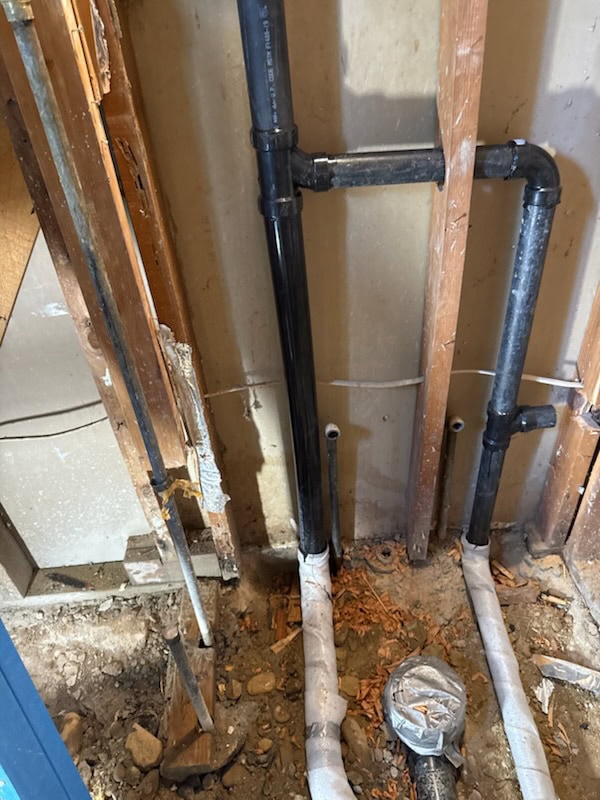
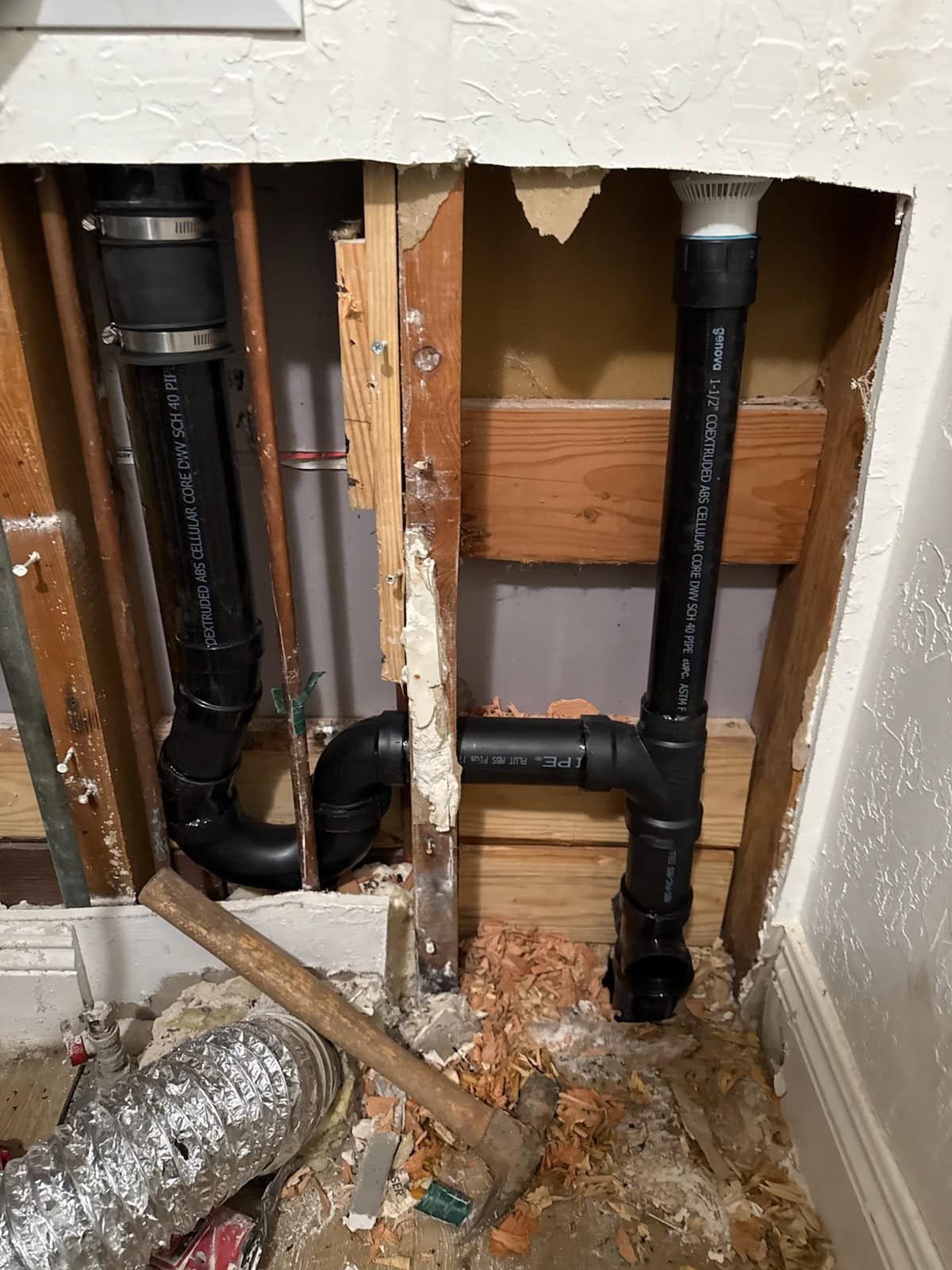
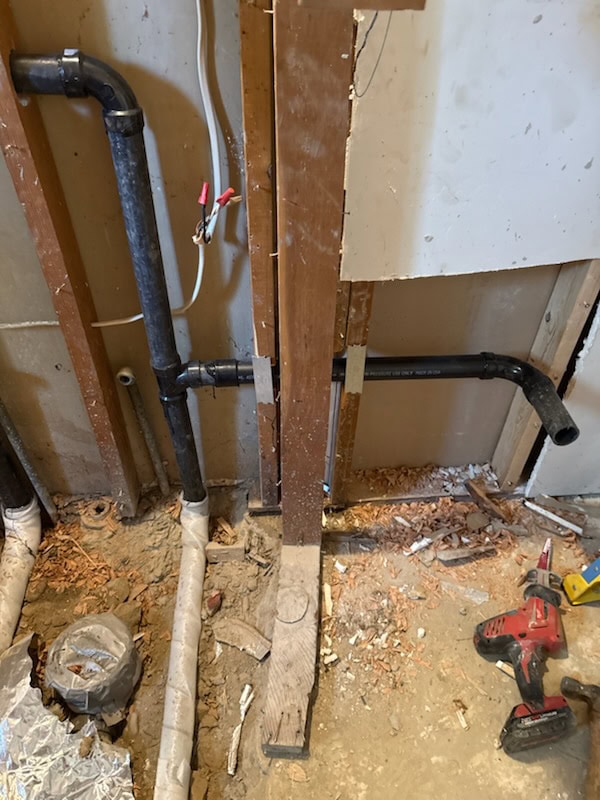
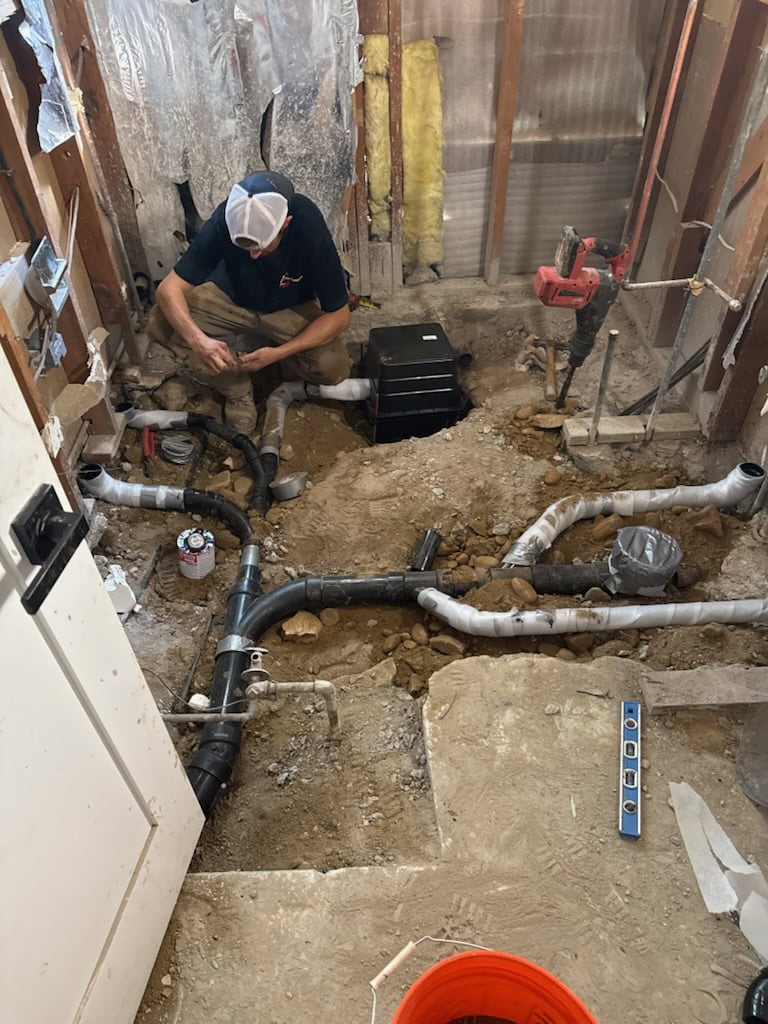
When our technician arrives, the first step is a proper diagnosis not a guess, not a parts swap. Coloma properties have specific failure patterns: galvanized lines that corrode from the inside out, well pressure tanks that drop during temperature swings, septic laterals that root-intrude under mature oaks. We look for the actual source before quoting anything. Once the diagnosis is done, you get an exact price in writing before any work begins. If you don’t like the number, you’re not obligated to proceed.
If the repair requires an El Dorado County permit which applies to certain water heater replacements, sewer line work, and anything touching the septic system under the county’s Private Sewage Disposal System Ordinance we handle that process. You don’t have to navigate county requirements on your own in the middle of an emergency.
Ready to get started?
The emergency calls we handle in Coloma cover the full range of what actually breaks in this area. Burst pipes and major water leaks. Complete loss of water pressure which in a well-fed home means a failed pump, a pressure tank problem, or a broken pressure switch, not just a valve issue. Sewer backups and septic emergencies. Water heater failures, which spike during Coloma’s summers when temperatures regularly push past 100°F and units work harder than they were designed to. Frozen pipe repairs during January cold snaps when exposed crawlspace plumbing in older homes takes the hit. Gas line emergencies for properties on propane. Drain blockages that won’t clear with a plunger.
What makes the Coloma list different from a Sacramento suburb list is the well and septic layer. Most of the homes here aren’t connected to city systems. That means the emergency plumber you call needs to understand pressure tank diagnostics, know when a backup is a septic issue versus a drain issue, and be able to work within El Dorado County’s permitting requirements for private sewage disposal not just show up with a snake and hope for the best.
If you’re not sure whether your situation qualifies as an emergency, call anyway. A slow leak that’s been running for a week is already costing you. A quarter-inch pipe leak wastes roughly 10,000 gallons a month and does it quietly, right up until it doesn’t.
Yes and this is one of the more common emergency types in the Coloma area specifically. Most properties here aren’t on a municipal water supply. When a well-fed system fails, the entire household loses water pressure, and the cause could be a failed submersible pump, a waterlogged pressure tank, a broken pressure switch, or an electrical issue with the pump circuit. These are not the same as a city water supply problem, and they require a plumber who has actually diagnosed and repaired these systems before.
We explicitly service well water system problems as a standard emergency type in Coloma not as a specialty add-on. If your pressure gauge has dropped to zero and your faucets aren’t producing, that’s a call worth making immediately. The longer a household goes without water, the more disruptive the situation becomes, especially if you’re more than 20 minutes from the nearest store in Placerville.
Coloma sits about 7 miles north of Placerville via Highway 49, and roughly 36 miles northeast of Sacramento. We operate out of El Dorado County, which means the drive to Coloma is a realistic one not a stretch dispatch from a Sacramento call center. For true emergencies, our target response window is 60 to 90 minutes. That’s the honest number, not a marketing claim designed to get you to stop calling around.
When you call, our dispatcher will give you a realistic arrival estimate based on where our team is at that moment. Highway 49 can see some traffic during peak rafting season in the summer months when the South Fork American River corridor gets busy, so timing can vary slightly. But you’ll know what to expect before you hang up, which lets you make decisions where to move things, what to shut off while help is on the way.
Emergency plumbing work generally runs 1.5 to 3 times the standard service rate, and that range is real across the industry. What we do differently is tell you the exact number before any work begins in writing, after the diagnosis, before a wrench moves. There are no diagnostic fees added after the fact and no emergency surcharges revealed at the end of the job.
The actual cost depends on what’s wrong. A water heater replacement is a different job than a burst galvanized supply line or a well pressure tank swap. Coloma properties tend to have older systems, which sometimes means the repair is more involved than it would be in a newer suburban home but you’ll know that going in, not after. Customers have documented cases where the final bill came in lower than the original estimate. That’s the standard we hold ourselves to, and in a community as small as Coloma, that kind of consistency is what builds a reputation.
Coloma sits at 764 feet elevation well below the Tahoe basin, but cold enough in January and February to cause real problems for exposed plumbing. The freeze risk here isn’t as severe as it is up at South Lake Tahoe or Kings Beach, but it’s not zero either. Older homes in the Coloma valley tend to have more exposed crawlspace plumbing and less insulation than newer construction, which makes them more vulnerable during hard freezes than their elevation might suggest.
The pipes most at risk are the ones in uninsulated crawlspaces, exterior walls with little insulation, and outdoor hose bibs that weren’t winterized. When temperatures drop hard overnight which does happen here those are the pipes that burst. If you wake up to no water pressure on a cold morning, don’t assume the well failed. Check whether you’ve had a freeze event first, and call us either way. A burst pipe that’s caught early is a repair. Left until the crawlspace floods, it becomes a restoration project.
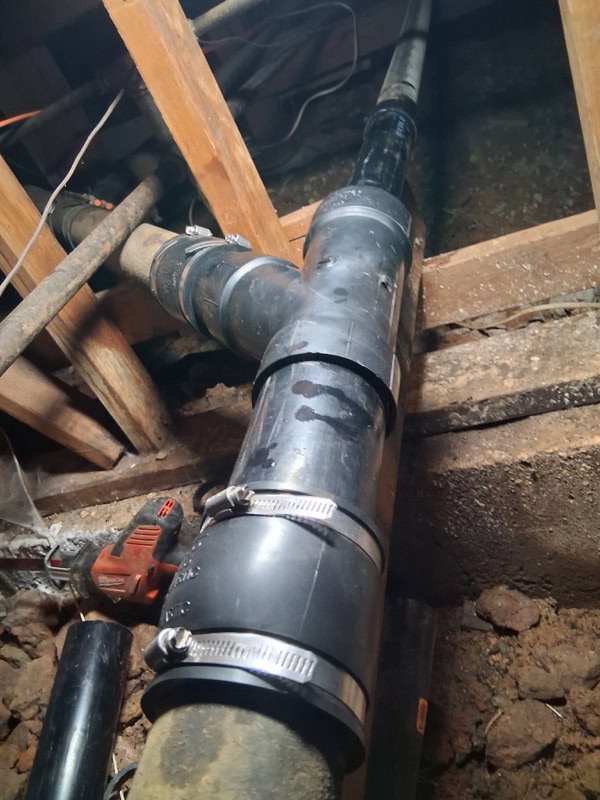
Yes, absolutely. A septic backup is one of the more serious emergencies a rural property owner can face, and most Coloma-area homes are on private septic systems rather than a municipal sewer connection. When a septic system backs up, you’re dealing with sewage coming back into the home through drains and toilets that’s a health hazard, not just an inconvenience, and it needs to be addressed immediately.
The average cost of sewage backup damage is around $45,000 when it’s not caught fast. We handle septic emergencies in Coloma and understand the El Dorado County Environmental Management requirements that govern private sewage disposal system work here. Septic repairs and modifications require county permits and inspections work that legally needs a licensed contractor to certify. Calling an unlicensed plumber for a septic emergency in El Dorado County isn’t just a quality risk; it creates a permitting and liability problem that can follow you when you sell the property.
If your home was built before the mid-1960s, there’s a reasonable chance the supply lines are galvanized steel. Galvanized pipe was the standard before copper became common, and a lot of the older homes in the Coloma valley some dating back several decades still have original or partially original galvanized plumbing. The problem with galvanized pipe isn’t visible from the outside. It corrodes from the inside out over time, gradually restricting water flow, causing discolored or rust-tinted water, and eventually failing without much warning.
Signs to watch for include low water pressure that’s gotten progressively worse over the years, brownish or orange-tinted water when you first run a tap, and visible rust or white mineral buildup around pipe fittings. A full failure can happen suddenly, especially in older sections of pipe that have been under pressure for 50 or 60 years. If you’re not sure what your supply lines are made of, we can assess that during a service call. Knowing what’s in your walls before it fails is a lot less expensive than dealing with it as an emergency.