
Hear from Our Customers
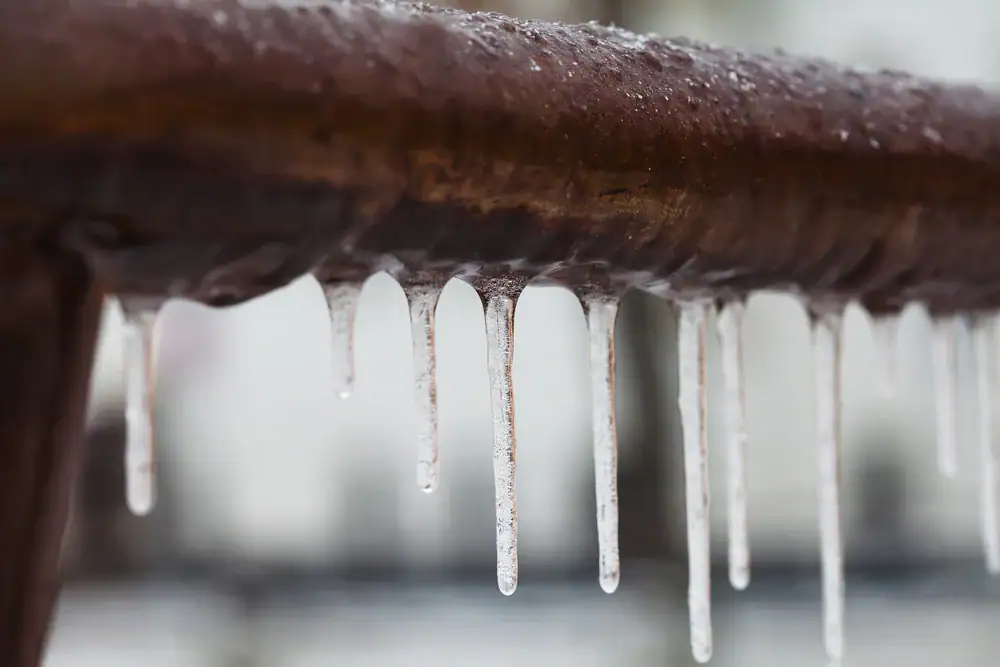
Most Antelope homeowners don’t think frozen pipes are their problem. The winters here are mild most years and that’s exactly what makes a hard freeze so dangerous. You haven’t winterized. You don’t know where your shutoff valve is. And then one January morning, there’s no water pressure and a wet spot spreading across your crawl space floor.
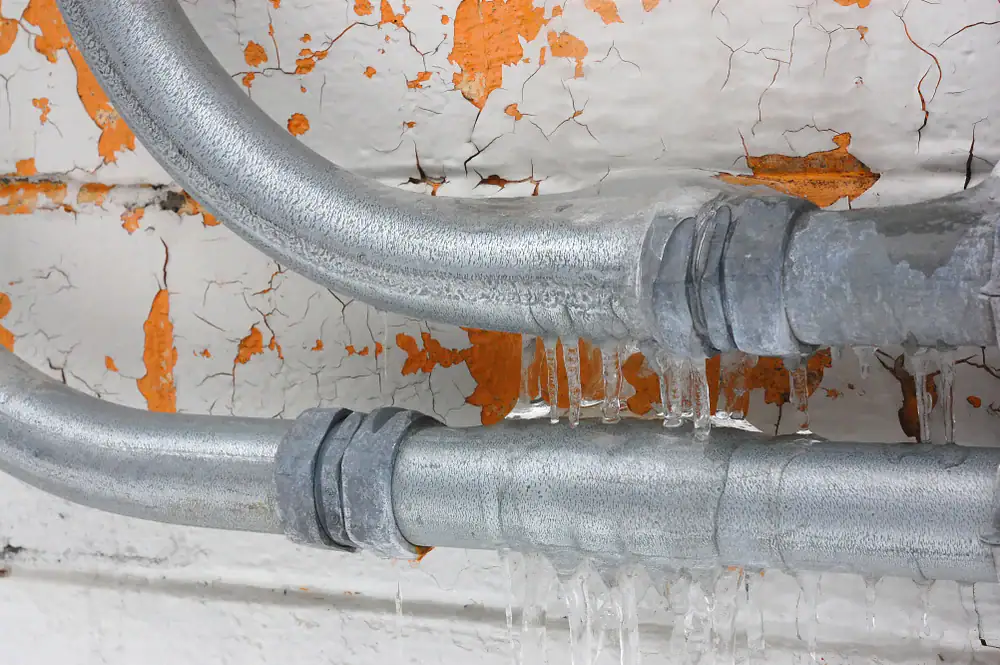
The homes throughout Antelope were built around 1992. That means copper plumbing that’s now pushing 30-plus years old, running through crawl spaces and garages that were built to Sacramento Valley standards not cold-weather ones. When overnight temps drop into the upper 20s during a radiative cooling event, those pipes are the first to go.
Getting a licensed plumber on-site fast is the difference between a $750 repair and a $30,000 insurance claim. State Farm processed over 20,000 frozen pipe claims between 2024 and mid-2025, averaging more than $30,000 per incident. The water doesn’t wait, and neither should you.
We’ve been serving Sacramento County homeowners for over 24 years. Not a franchise. Not a call center routing your emergency to whoever’s available. A real local plumbing operation with a 4.7/5 Google rating from 93 verified reviews and a track record of showing up when it counts.
Antelope sits in unincorporated Sacramento County, which means plumbing permits and inspections run through Sacramento County’s Department of Community Development not a city building department. That regulatory detail matters when a repair requires documentation or a permit pull. We hold a valid C-36 California Plumbing Contractor license and handle the paperwork so you don’t have to.
Customers in Antelope consistently mention two things: technicians who arrive on time and final bills that sometimes come in under the original estimate. In an industry where neither of those things is common, it’s worth paying attention to.
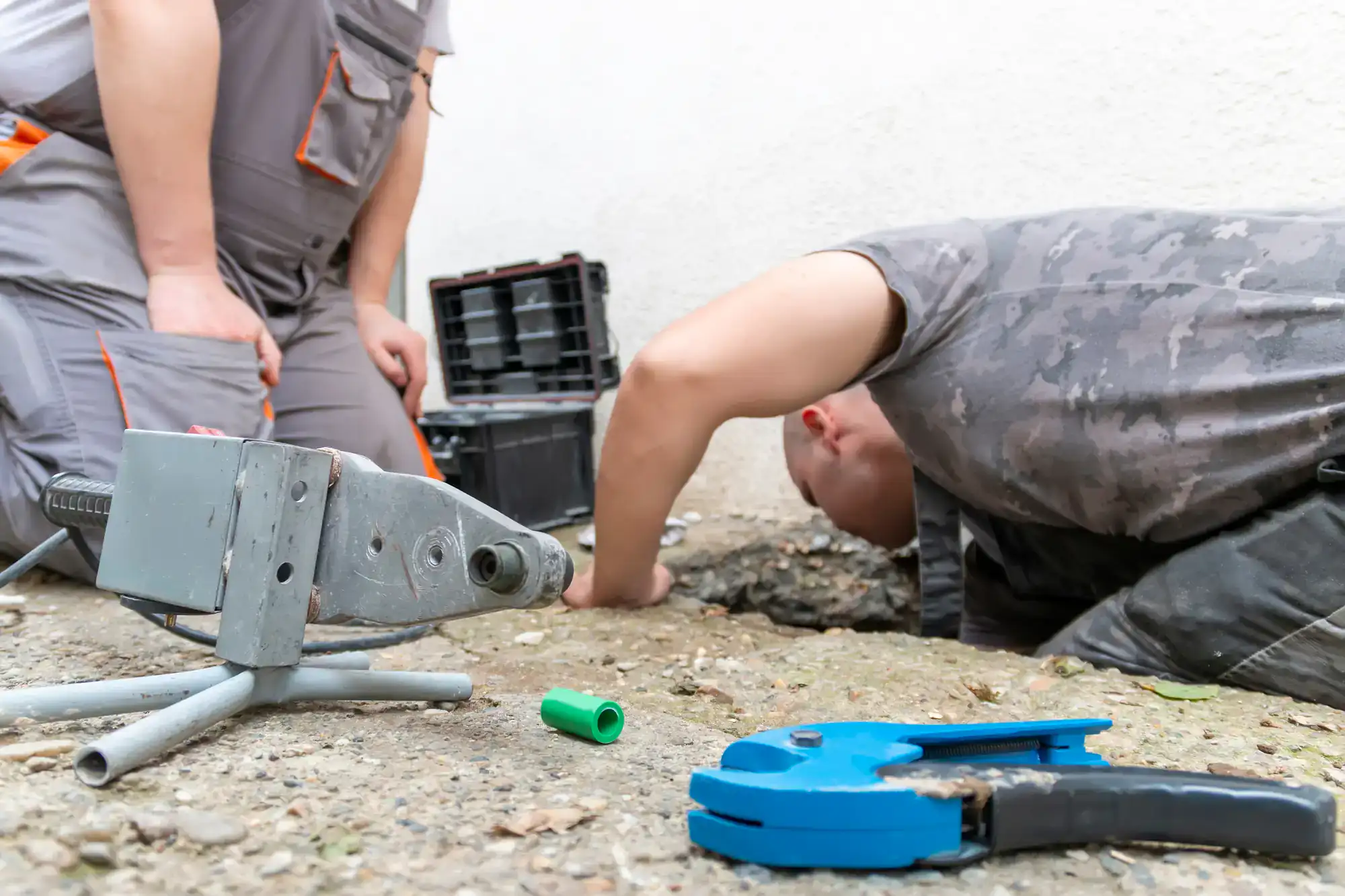
When you call, a real person picks up not a voicemail, not a dispatch queue. You’ll describe what’s happening, and a technician will be routed to your address in Antelope with an estimated arrival time. Before anything starts, you’ll get a written price range for the work. No surprises once they’re inside your walls.
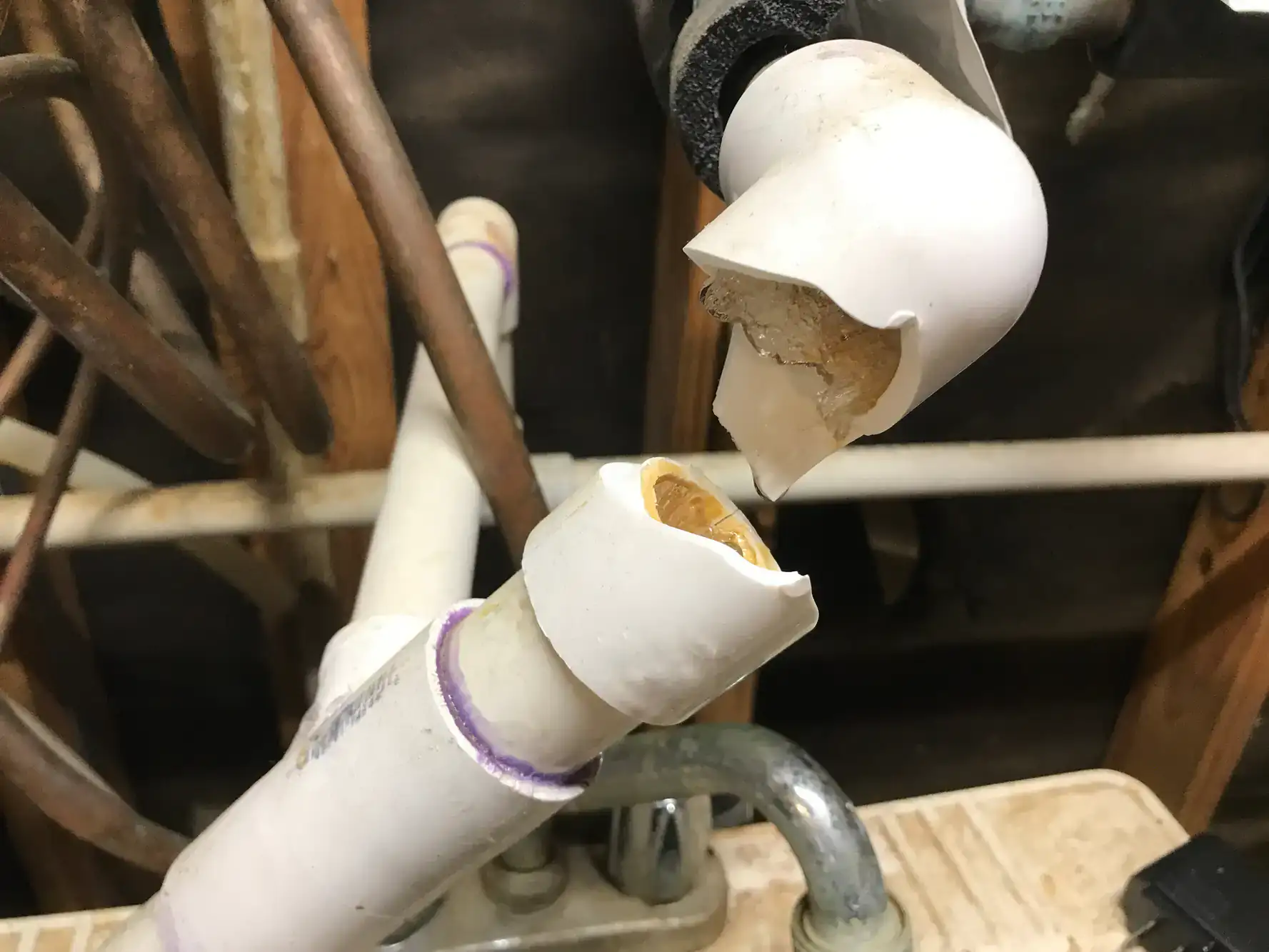
On arrival, our technician assesses the full situation not just the visible problem. In Antelope’s 1990s-era tract homes, a frozen section in the crawl space often means adjacent pipe runs are stressed too. The job includes thawing the affected line, repairing or replacing any burst sections, extracting standing water if present, and testing the system before leaving. If the freeze event hit multiple points, you’ll know that before the bill is written.
After the repair, you’ll get a clear explanation of what was found, what was fixed, and what if anything needs attention before the next cold snap. That last part matters in a community where most residents have never dealt with a frozen pipe before and don’t know what to watch for going forward.
Ready to get started?
Frozen pipe repair in Antelope isn’t a single-step job and a plumber who treats it like one is leaving you exposed. Our emergency response covers the full scope: frozen pipe thawing, burst pipe repair, water extraction from crawl spaces and affected areas, full system pressure testing, and a prevention walkthrough before the technician leaves your property.
We publish pricing upfront. Frozen pipe thawing runs $350–$750 depending on access and severity. Burst pipe repair with cleanup ranges from $750–$2,500. Emergency calls carry a premium of $200–$500, and service calls start at $175. These aren’t ballpark guesses they’re the ranges you’ll see in writing before work begins. And because Antelope falls within unincorporated Sacramento County, any work that crosses the permit threshold gets handled through Sacramento County’s Department of Community Development. We pull the permits when required, so the repair is documented and code-compliant.
If your homeowner’s insurance covers the water damage and most standard policies do cover burst pipe damage, though not always the pipe repair itself our technician can walk you through what to photograph and document before work starts. That documentation step is something most plumbers skip entirely, and it can make a real difference when you file your claim.
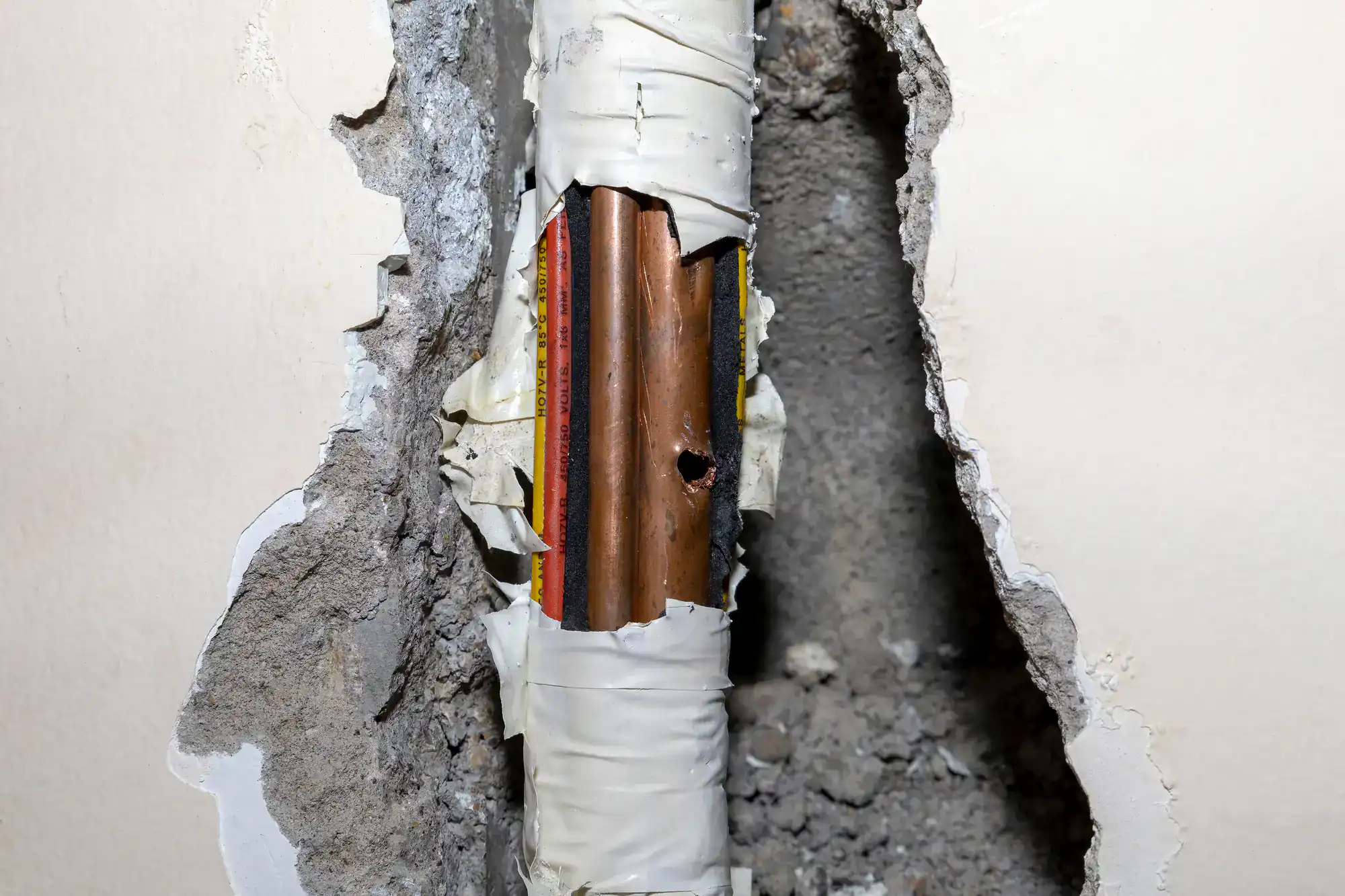
It’s a fair question Antelope’s winters are mild compared to the Sierra foothills, and most years the temperatures stay well above freezing. But “most years” isn’t every year. Antelope’s average January lows sit around 40°F, but clear, still nights after storm systems pass can push temperatures into the upper 20s through radiative cooling. Those brief freezes sometimes only 12 to 24 hours long are exactly when pipes fail.
The bigger issue is that Antelope homeowners are largely unprepared for it. Unlike residents in Pollock Pines or El Dorado Hills who expect freeze events and winterize accordingly, most people in the 95843 ZIP code have never dealt with a frozen pipe. Crawl-space supply lines, garage water heater connections, and exterior hose bibs in homes built around 1992 were installed to Sacramento Valley standards which means minimal cold-weather insulation. When a hard freeze does arrive, those are the first points to fail.
The cost depends on what you’re dealing with. If the pipe is frozen but hasn’t burst, thawing it out typically runs $350–$750. That range accounts for how accessible the pipe is a crawl-space line takes more time and equipment than an exposed garage supply line. If the pipe has already burst and there’s water damage involved, you’re looking at $750–$2,500 for repair and cleanup. Emergency calls meaning nights, weekends, or holidays carry an additional $200–$500 premium, and the base service call starts at $175.
What sets us apart in the Antelope market is that these numbers are given to you in writing before work begins. Most plumbers in the Sacramento area don’t publish pricing at all, which means you’re committing to a job without knowing the cost until they’re already inside your wall. Customers have also noted that final bills sometimes come in under the original estimate which isn’t something you hear often in this industry.
First, shut off the water at your main valve. If you don’t know where it is, it’s typically located near the front of the house in the crawl space access or near the water meter at the street. Shutting it off stops any active flow if the pipe has already cracked and it limits how much water enters the crawl space or subfloor while you wait for a plumber.
Don’t use an open flame or heat gun to thaw the pipe yourself. A hair dryer on low, pointed at an exposed pipe, is the only DIY thawing method that’s reasonably safe and even then, if the pipe has already cracked, thawing it will just release the pressure and start the leak. Call us first. Our technician can assess whether the pipe is still intact before recommending thawing versus immediate repair, and we’ll bring the right equipment to do it safely.
Most standard homeowner’s insurance policies in California cover the water damage caused by a burst pipe things like subfloor damage, drywall, and personal property. What they typically don’t cover is the cost of replacing the pipe itself. That distinction matters when you’re trying to figure out what your out-of-pocket exposure looks like.
Before work starts, photograph everything the affected area, visible water damage, the pipe itself if accessible. That documentation supports your claim and gives your adjuster a clear picture of the situation before repairs altered it. Our technicians can walk you through this step on-site. One thing worth knowing: calling a plumber to stop active water damage first is always the right move, even before you call your insurance company. Most policies require you to take reasonable steps to prevent further damage waiting for adjuster approval while water spreads through your crawl space does not meet that standard.
A straightforward thaw job on an accessible pipe like a garage supply line or an exposed crawl-space run can be completed in one to two hours. If the pipe has burst and requires section replacement plus water extraction, plan for three to five hours depending on the extent of the damage and how accessible the affected area is.
Antelope’s 1990s-era tract homes have a fairly consistent construction profile, which actually works in your favor. Our technicians have worked in enough Sacramento County homes from that era to know the typical crawl-space layouts, the common pipe routing patterns, and where freeze damage tends to concentrate. That familiarity speeds up diagnosis and reduces the time you’re sitting without water. Once the repair is complete, the system gets pressure-tested before the technician leaves so you’re not discovering a secondary issue two days later.
Yes and it’s not just a formality. California state law requires a C-36 Plumbing Contractor License for any plumbing work where the combined labor and materials exceed $500. Nearly every frozen or burst pipe repair job crosses that threshold. Because Antelope is unincorporated Sacramento County, permits and inspections for qualifying work run through Sacramento County’s Department of Community Development rather than a city building department and that office requires licensed contractors for permitted work.
Hiring an unlicensed handyman to fix a burst pipe in your Antelope home creates real exposure. If the repair fails or causes additional damage, your homeowner’s insurance can deny the claim on the basis that the work was done by an unlicensed contractor. We hold a valid C-36 license, carry full insurance and bonding, and pull permits when the scope of work requires it. That’s not a selling point it’s just the legal and practical standard the work demands.