
Frozen Pipe Services
Get a free quote for frozen pipe services from your local plumbing team.
We’ll contact you about your frozen pipe services request. Privacy policy
Hear from Our Customers
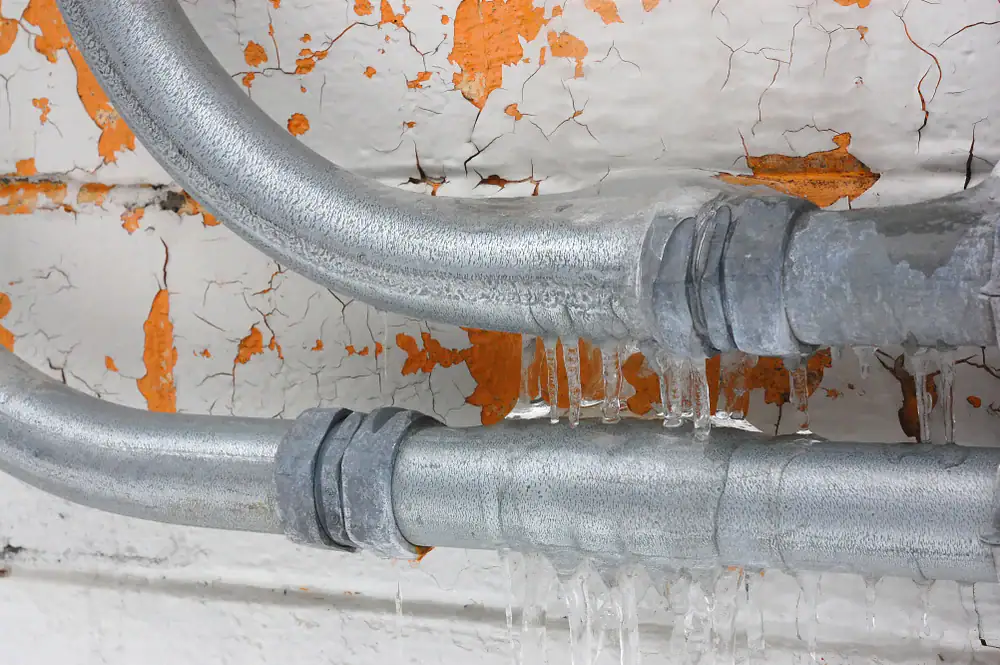
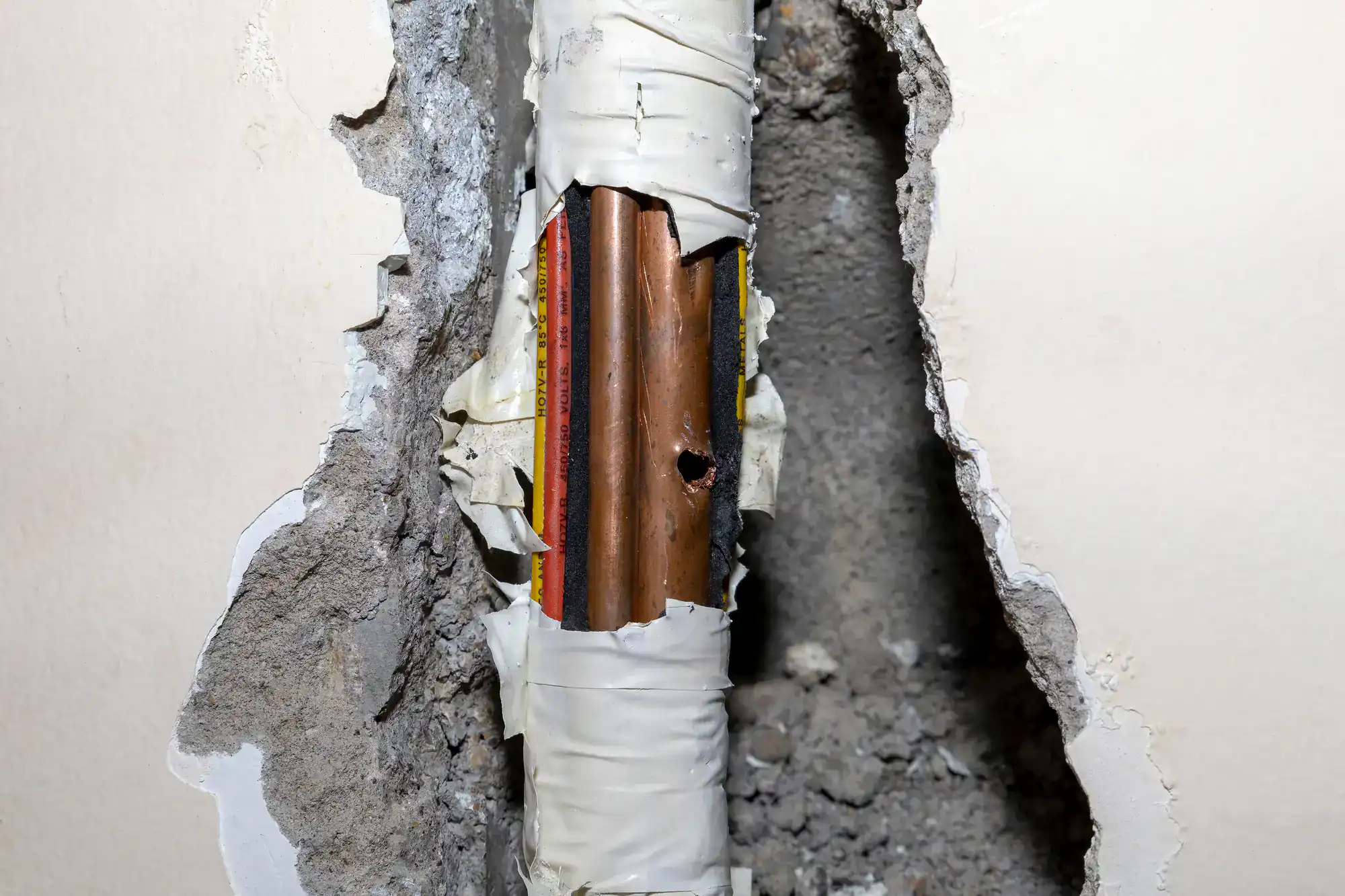
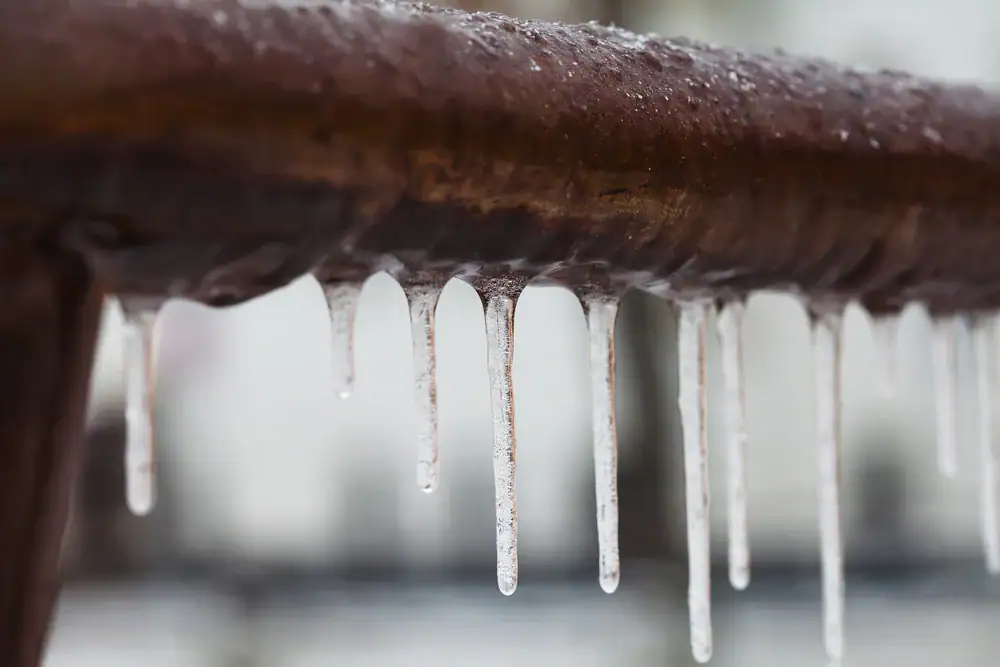
Most Citrus Heights homeowners don’t think of their neighborhood as freeze country. It’s not the Sierra foothills but that assumption is exactly what gets pipes in trouble. Citrus Heights averages 18 nights a year when temperatures drop below 32°F, and when those cold snaps hit, they hit fast. A pipe that freezes overnight in an unheated garage or crawl space can crack silently and then burst the moment temperatures climb back up the next morning and water pressure returns. By then, you’re not dealing with a frozen pipe anymore. You’re dealing with water in your walls.
The homes most at risk are the ones that make up most of Citrus Heights tract homes built in the 1970s and 1980s, with original copper pipes that have been through 40 to 50 years of seasonal temperature cycling. Those pipes develop micro-fractures at joints and elbows long before any visible damage shows. A brief freeze that would pass through a newer home without incident can open those fractures into active leaks. Getting a licensed plumber on-site quickly before pressure returns to a cracked pipe is the difference between a $500 repair and a $5,000 water damage claim.
When the job is done right, you get your water back, you know exactly what was repaired and why, and you’re not left wondering if there’s another leak waiting to happen. We test the full system before leaving not just the spot that was obviously damaged.
We’ve been serving the Sacramento area for over 24 years longer than Citrus Heights has even been an incorporated city. That kind of history means something when you’re calling at 2 a.m. with no water pressure and water staining spreading across your ceiling. You’re not reaching a call center. You’re reaching a real local team that knows Citrus Heights’ housing stock, understands the specific vulnerabilities of the 1970s and 1980s tract homes that dominate the area, and can get someone to your door the same day.
The reviews back it up 4.7 out of 5 stars across 93 verified Google reviews, with customers specifically calling out on-time arrivals, honest communication, and final invoices that sometimes came in under the original estimate. That last part is rare in this industry, and it matters when you’re already stressed about what a burst pipe is going to cost you.
We hold a C-36 California Plumbing Contractor License, which is the credential required for permitted plumbing work in Citrus Heights under the city’s own municipal plumbing code. If your repair requires a permit and some do you’re covered.
When you call Murray Plumbing, you talk to a real person not a voicemail, not a scheduling bot. You describe what’s happening, and we’ll give you an honest read on urgency and walk you through what to do right now while a technician is on the way. If you can safely shut off your main water supply, do it. That one step can significantly limit how much water ends up inside your walls before the repair is made.
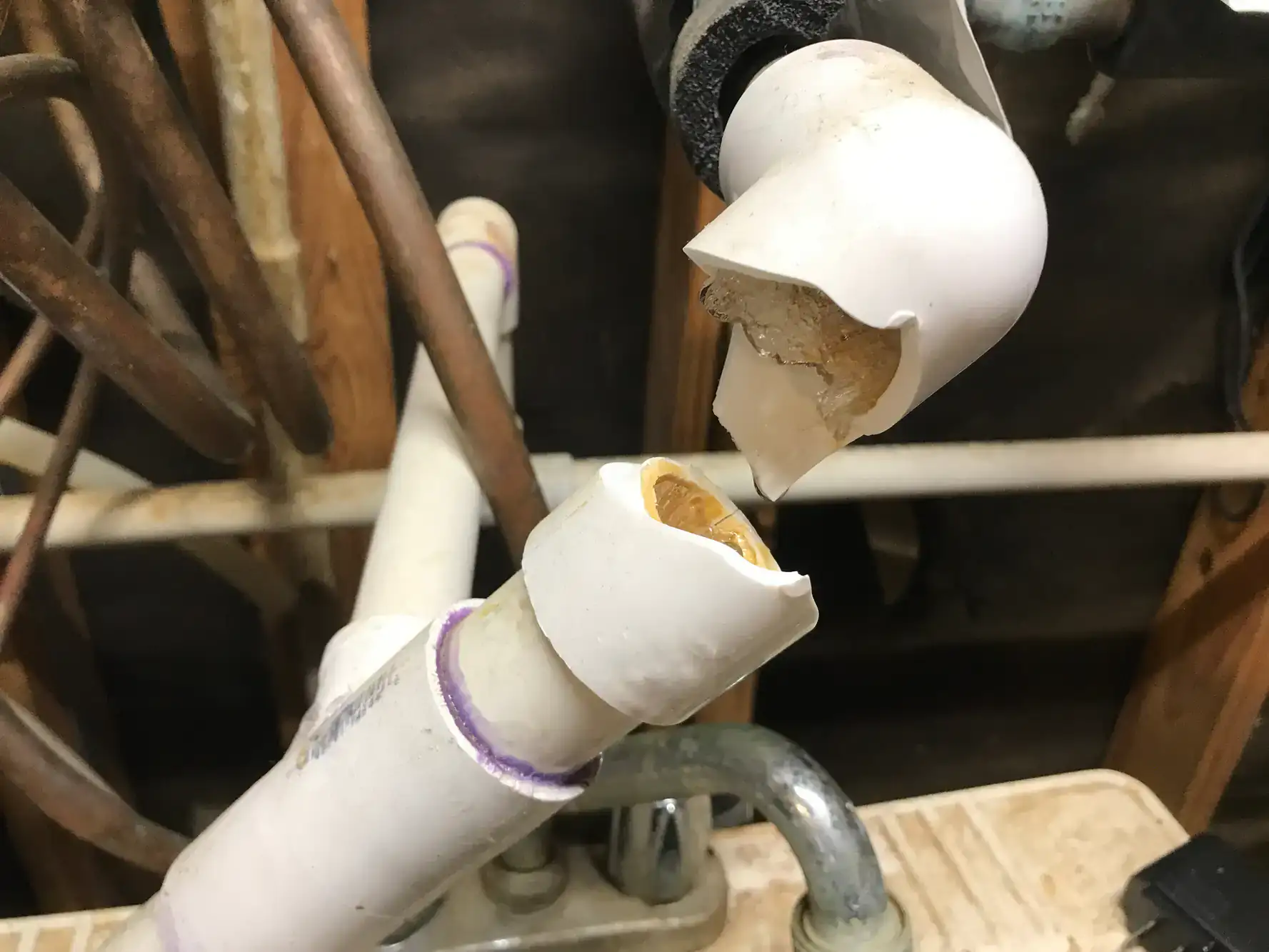
Once the technician arrives, the first priority is locating the freeze point or the burst. In Citrus Heights homes, that usually means checking the garage water lines, crawl space supply pipes, and any plumbing running through exterior walls on the north or shaded side of the house the spots that get the least heat and the most exposure during a cold snap. You’ll receive a written estimate before any work begins. The price range for frozen pipe thawing typically runs $350 to $750. If a pipe has already burst and needs repair or replacement, that range is $750 to $2,500 depending on location and scope. After-hours emergency calls carry an additional $200 to $500 premium.
After the repair, the full system gets tested not just the section that was visibly damaged. This matters because Citrus Heights’ older copper plumbing can have more than one weak point, and a second undetected crack can turn into a second call within days if it’s not caught the first time. You’ll know everything that was found, everything that was fixed, and whether anything else warrants attention before the next cold snap.
Ready to get started?
Frozen pipe repair isn’t just about thawing a pipe and calling it done. In a city like Citrus Heights where most of the housing stock is 40 to 55 years old and the plumbing has never been replaced the visible problem is often just the starting point. Our service includes a full assessment of the affected area, not just the spot that’s obviously damaged. That means checking adjacent pipe sections, inspecting joints and elbows where stress fractures tend to develop first, and identifying any areas that are likely to cause problems in the next cold snap.
For burst pipe repair specifically, the work involves cutting out the damaged section, replacing it with code-compliant materials, and testing the repair under full pressure before the job is considered complete. If the repair falls under Citrus Heights’ permit requirements governed by Article VIII of the city’s municipal plumbing code we can pull that permit directly, something an unlicensed contractor legally cannot do. California requires a C-36 license for any plumbing work over $500, and permitted work must be performed by a licensed contractor. Skipping that step can void your homeowner’s insurance claim and create code violations that show up at resale.
If you’re a landlord or property manager with a rental unit in Citrus Heights and with 42% of housing units being rentals here, that’s a significant part of the community you’ll receive full written documentation of the repair, which you’ll need for your insurance claim, tenant records, and any city inspection that follows.
Yes and this is the assumption that catches a lot of Citrus Heights homeowners off guard. The city isn’t a mountain town, but it sits on the Sacramento Valley floor where overnight temperatures drop below 32°F on roughly 18 nights per year. The record low is 17°F, recorded on December 11, 1932. Citrus Heights also averages 96 fog days per year, concentrated in December and January the same months when overnight lows are closest to freezing. That combination of moisture and cold creates real freeze risk for pipes in unheated spaces, even when the afternoon feels mild.
The pipes most at risk are the ones in garages, crawl spaces, and exterior walls especially on the north or shaded side of the house where sunlight doesn’t help warm things back up. In the 1970s and 1980s tract homes that make up most of Citrus Heights’ housing stock, those spaces are often uninsulated and fully exposed to overnight temperature drops. A pipe doesn’t need to stay frozen for hours to crack a few hours below 28°F is enough to cause damage that shows up later when pressure returns.
The cost depends on whether the pipe is frozen but intact, or whether it’s already burst. For a frozen pipe that needs to be thawed before it cracks, the typical range is $350 to $750. If the pipe has already burst and needs a section replaced, the range is generally $750 to $2,500, depending on where the pipe is located, how much needs to be replaced, and whether the repair requires opening a wall or accessing a crawl space. Emergency after-hours calls carry an additional $200 to $500 premium.
What you won’t get with us is a vague estimate that balloons once the work starts. You receive a written estimate before anything begins, and the final invoice reflects the actual work performed. Customers have noted in reviews that their final cost came in under the original estimate which is not something you hear often in emergency plumbing situations. For Citrus Heights homeowners on a middle-income budget who weren’t expecting this expense, knowing the number upfront makes a real difference.
The first thing to do is shut off your main water supply if you can do it safely. In most Citrus Heights homes, the main shutoff is near the water meter, which is typically located near the street or at the front of the property. Turning it off stops water from continuing to flow into a cracked pipe and limits how much gets into your walls, floors, or ceiling. Don’t try to thaw a frozen pipe with an open flame that’s a fire hazard and can damage the pipe further. A hair dryer on low heat applied carefully to an exposed pipe is a safer short-term option, but it’s not a substitute for a professional assessment.
Once the water is off, call a licensed plumber. The reason timing matters here is specific to how Citrus Heights freeze events work cold snaps tend to be brief, and a pipe that froze overnight may already be cracked by the time temperatures climb back up the next morning. If you turn the water back on before a plumber has checked the system, you may be sending pressure into a pipe that’s ready to burst. Getting eyes on it before you restore water pressure is the safer move.
Most standard homeowners insurance policies in California do cover sudden and accidental water damage from a burst pipe but the key word is “sudden.” If an insurance adjuster determines that the pipe froze and burst due to neglect for example, a homeowner left the heat off for an extended period, or a known vulnerable pipe was never insulated the claim can be denied. Documentation matters here, and so does who does the repair.
For Citrus Heights homeowners, using a licensed C-36 contractor like us creates a paper trail that supports your claim: a written estimate, a detailed scope of work, and proper permit documentation if the repair required one under the city’s municipal plumbing code. An unlicensed handyman who does a quick patch job gives you none of that and if the repair wasn’t permitted when it should have been, your insurer has additional grounds to push back on the claim. Getting the repair done right the first time protects both your home and your ability to recover the cost.
The biggest risk factor in Citrus Heights isn’t the severity of the cold it’s the age and condition of the plumbing. The city is 98% built out, with the bulk of residential development happening in the 1970s and 1980s. If your home was built during that period and still has its original copper or galvanized steel pipes, those pipes have been through 40 to 50 years of seasonal temperature cycling. Over time, that cycling creates micro-fractures at joints and elbows stress points that aren’t visible from the outside but are significantly weaker than the surrounding pipe.
The specific locations to pay attention to are the garage water line, any supply pipes running through a crawl space, and plumbing on the exterior walls of the house particularly on the north or shaded side. These are the spots that get the least ambient heat and the most direct exposure during a cold snap. If your garage is unheated and has a water line running through it, that’s the first place to look. We can do a pre-winter inspection of these areas and identify pipes that are worth insulating or replacing before the next cold snap hits.
It depends on the scope of the repair. Simple like-for-like repairs replacing a short section of pipe with the same material in the same location typically don’t require a permit. But if the repair involves replacing a significant section of pipe, changing pipe materials, or altering the existing plumbing configuration in any way, the City of Citrus Heights requires a building permit under Article VIII of its municipal plumbing code. The city has its own building permit system administered through the Citizen Access Portal, and all permit applications must be submitted digitally through that platform.
The practical reason this matters is that California law requires a C-36 Plumbing Contractor License for any plumbing work valued at more than $500, and only a licensed contractor can legally pull a permit in Citrus Heights. If an unlicensed contractor does the work without a required permit, you’re left with unpermitted work that can surface as a code violation during a home sale, and potentially a voided insurance claim if the repair is ever tied to a water damage event. We’re C-36 licensed and can handle the permit process directly you don’t need to navigate the city’s portal yourself.