
Frozen Pipe Services
Get a free quote for frozen pipe services from your local plumbing team.
We’ll contact you about your frozen pipe services request. Privacy policy
Hear from Our Customers
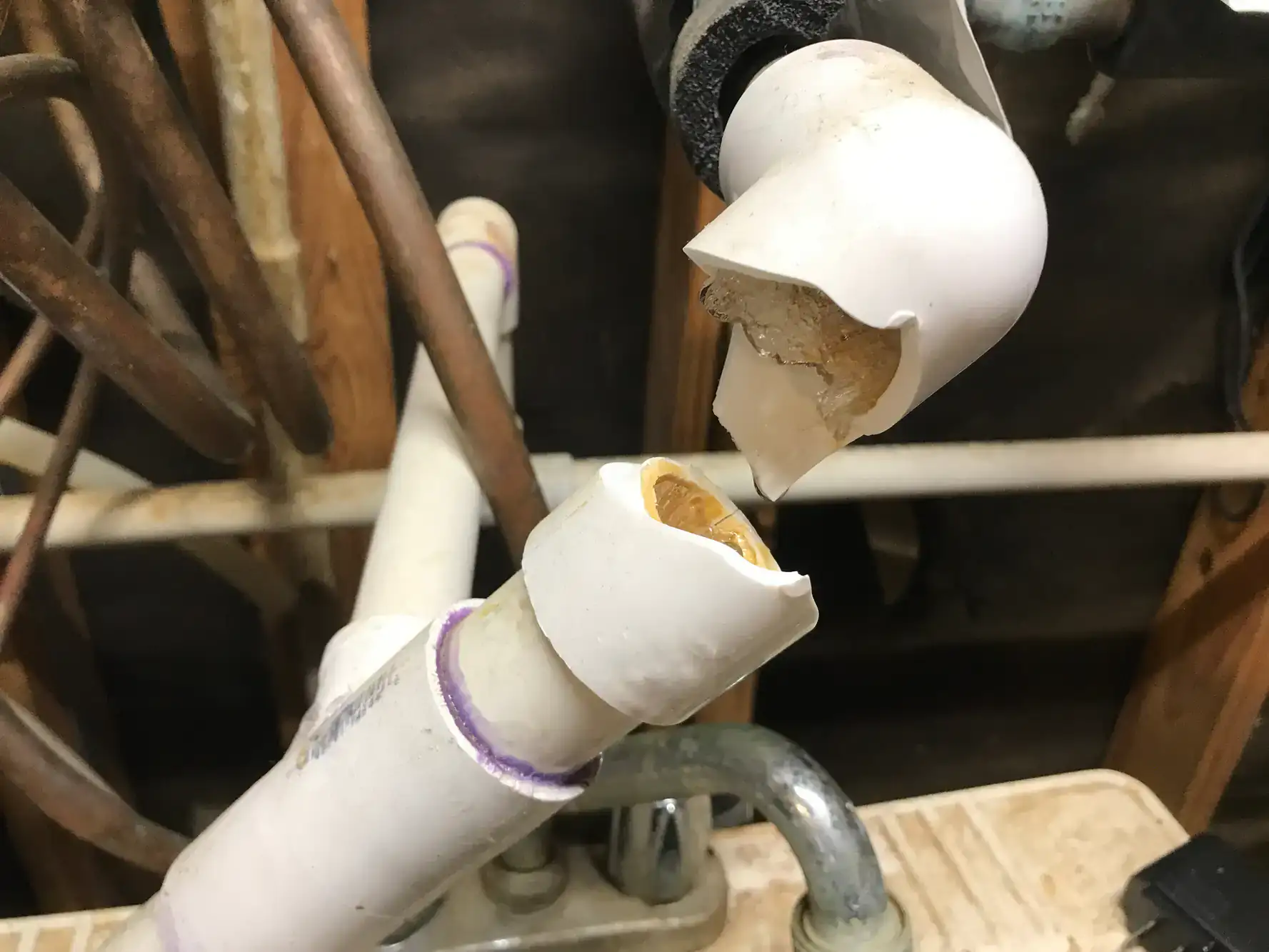
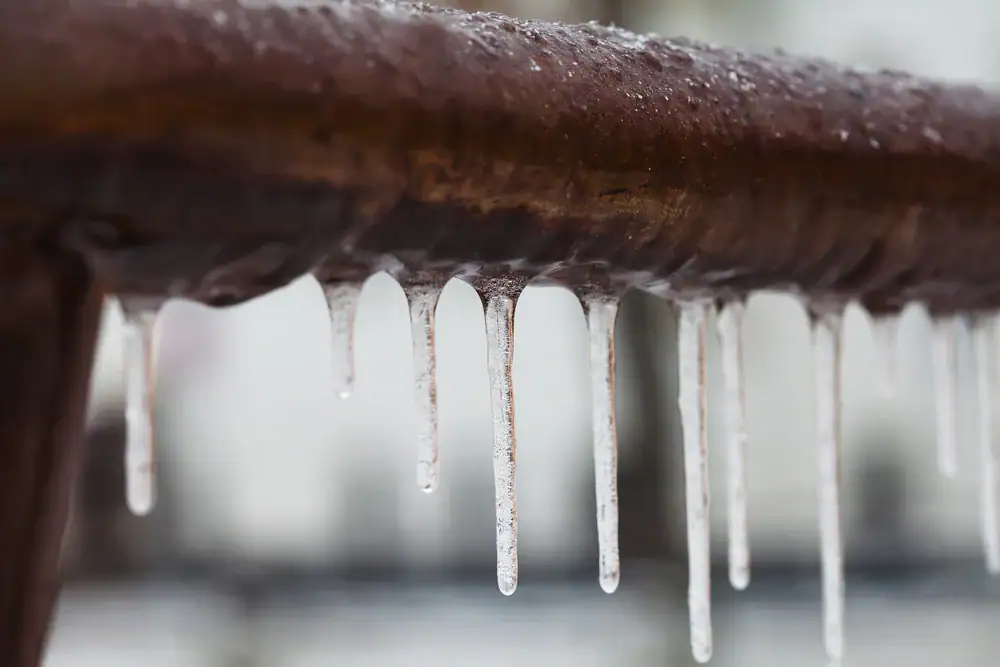
A frozen pipe doesn’t stay frozen. Once temperatures drop into the low-to-mid 20s°F which happens in Placerville every January an unprotected pipe can go from frozen to burst in a matter of hours. And when it bursts, the water doesn’t wait for you to figure out who to call. Every hour matters.
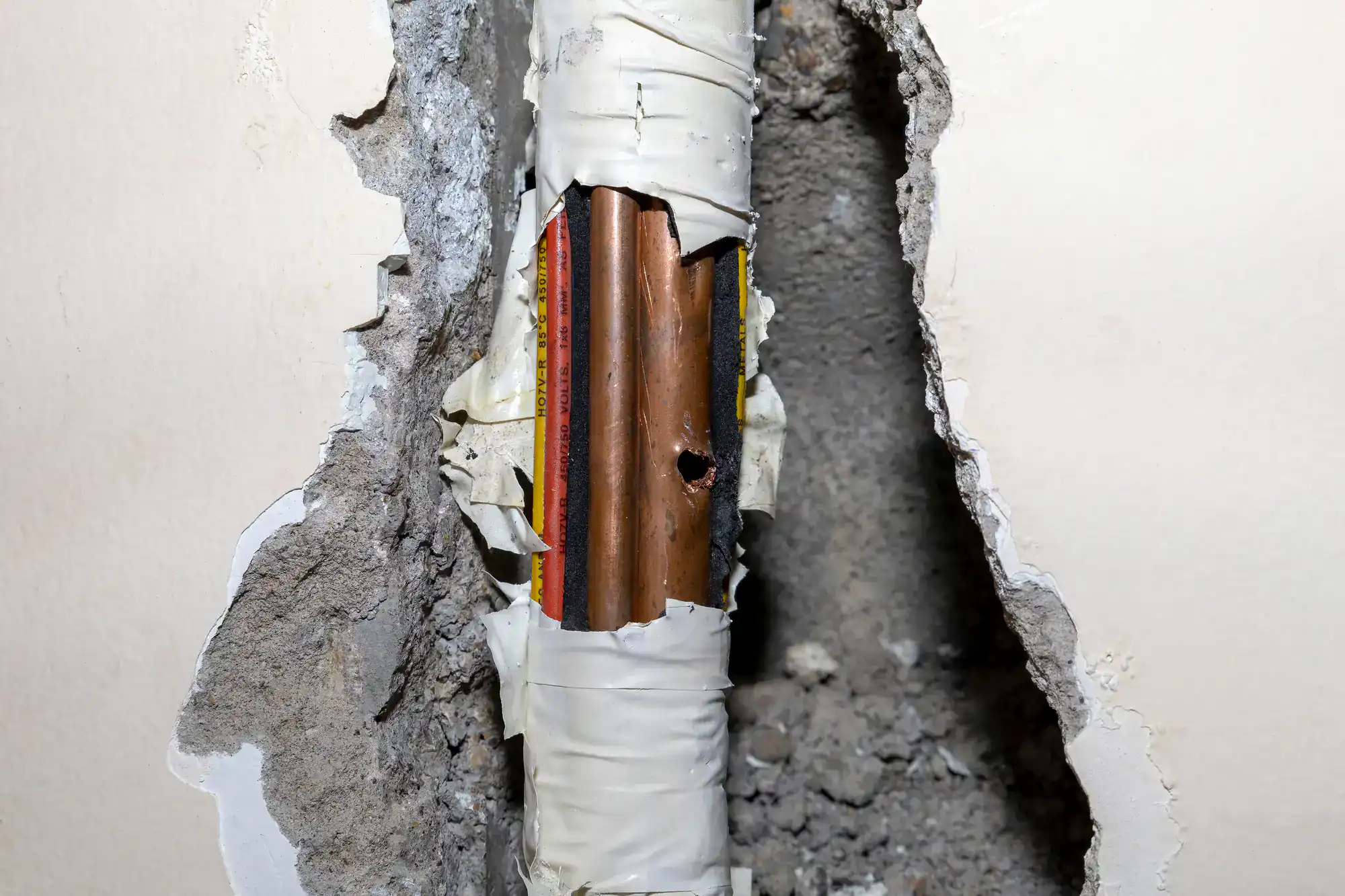
What most homeowners don’t realize is that the pipe repair itself is rarely the biggest cost. It’s the water damage that follows soaked subfloor, damaged drywall, warped framing that turns a manageable repair into a five-figure insurance claim. Getting a plumber on-site fast is the single most effective thing you can do to keep that number low.
Placerville’s housing stock makes this even more relevant. A lot of homes here especially near downtown and the older corridors off Schnell School Road have crawl-space foundations with supply lines that sit exposed to cold air. Those pipes weren’t designed for modern insulation standards, and they’re the first to go during a hard freeze. If your home was built before 1980, that risk is real and worth taking seriously before the next cold front rolls in off US 50.
We’ve been serving Placerville and El Dorado County for over 24 years. That’s not a tagline it means we’ve worked on the full range of what Placerville actually looks like: Gold Rush-era buildings on Main Street with aging galvanized pipe, mid-century ranch homes with uninsulated crawl spaces, newer subdivisions off Missouri Flat Road, and rural properties out toward the Apple Hill corridor where elevation and seasonal vacancy make freeze risk even higher.
We hold a C-36 California Plumbing Contractor license, we’re fully bonded and insured, and we pull permits where the work requires it. That matters in a market where unlicensed operators show up after a freeze event and cut corners that cost you more later. Our 4.7/5 Google rating across 93 verified reviews reflects what customers in Placerville actually experience: someone who shows up on time, explains the problem clearly, and charges what we quoted sometimes less.
When you call us about a frozen or burst pipe in Placerville, the first thing that happens is a real person answers. Not a voicemail, not a national call center routing to whoever’s available a live dispatcher who takes your information and gets a technician moving. We’ll ask you a few quick questions to understand the situation: where the problem is, whether you’ve already shut off the water, and whether there’s visible damage. If you’re not sure how to shut off your main, we’ll walk you through it right then.
When our technician arrives, the first step is locating and assessing the freeze point. In Placerville homes, that’s often in a crawl space, an unheated garage, or an exterior wall on the north side of the house the spots that lose heat fastest during a cold snap. We use thermal detection and pressure testing to confirm the problem before any work starts, and we give you a clear price before we touch anything.
Once the repair is complete whether that’s thawing and insulating, replacing a burst section, or repiping a vulnerable run we test the full system before we close up. California code requires permits for plumbing work over $500 in combined labor and materials, and we handle that process when it applies. You won’t be left wondering if the job was done right. We check it, confirm it, and tell you exactly what to watch for going forward.
Ready to get started?
We publish our pricing openly because we think you deserve to know what you’re getting into before a technician shows up at your door. Frozen pipe thawing typically runs $350–$750. Burst pipe repair with water cleanup ranges from $750–$2,500 depending on the extent of the damage and access. Emergency after-hours service carries a premium of $200–$500 which, when you consider what an uncontrolled burst pipe can do to a Placerville home overnight, is a fraction of the alternative. Service calls start at $175, and major repairs come with a free estimate before any work begins.
What sets us apart isn’t just the price range it’s what happens when the job is simpler than expected. Our customers have noted that final costs sometimes come in under the original estimate. That’s not something most plumbers advertise, because most plumbers don’t do it.
For Placerville homeowners dealing with older homes, vacation properties out near Carson Road, or rural acreage in the unincorporated areas around Diamond Springs and El Dorado, we also offer prevention assessments after the repair pipe insulation recommendations, vulnerable run identification, and practical advice for protecting your system before next winter. One call, one company, one invoice.
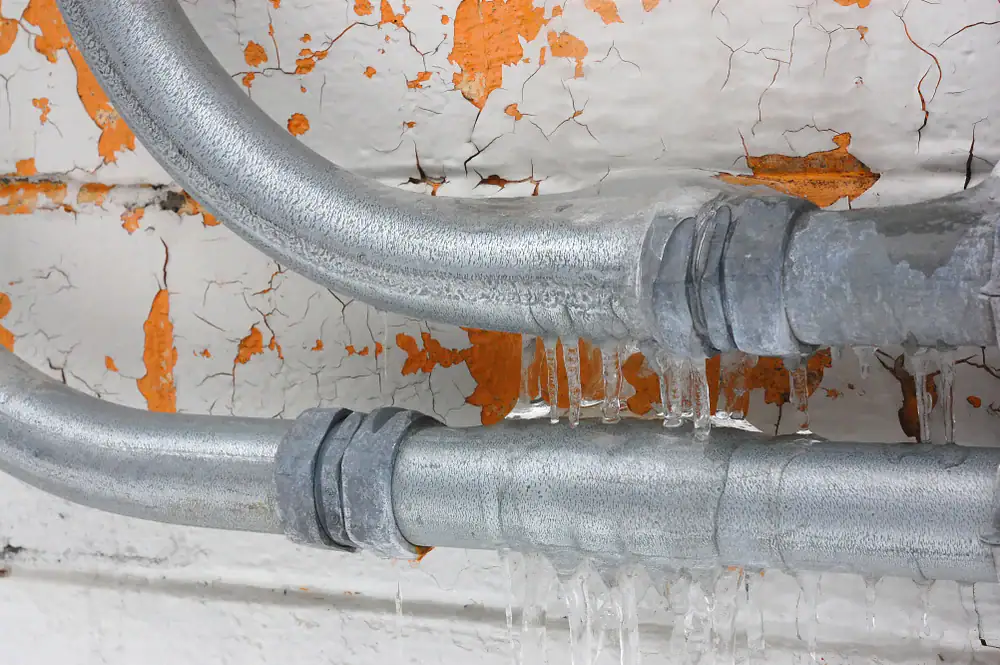
It’s not rare at all it’s a documented annual occurrence in Placerville. Our town sits at approximately 1,867 feet above sea level downtown, and surrounding areas reach close to 4,000 feet. During January and February cold snaps, overnight temperatures regularly drop into the low-to-mid 20s°F, especially after Pacific storm systems push through. At 20°F, an unprotected pipe can freeze and begin to fail within two to four hours.
The homes most at risk in Placerville are older properties near downtown, hillside lots with north-facing exterior walls, and any home with a crawl-space foundation where supply lines sit exposed to cold air. Newer subdivisions off Missouri Flat Road tend to have better insulation, but unheated garages and exterior hose bib lines are still common failure points. If you haven’t had your vulnerable pipe runs insulated, a hard freeze isn’t a question of if it’s when.
The first thing to do is shut off your main water supply. If you’re not sure where your shutoff is, it’s typically near the water meter in Placerville homes, that’s often at the street near the curb or at the foundation wall. Shutting off the water won’t unfreeze the pipe, but it limits how much water escapes if the pipe has already cracked.
Don’t try to thaw the pipe yourself with an open flame or a heat gun. It sounds like a fast fix, but it’s one of the leading causes of house fires during freeze events, and it can cause a pipe that’s already stressed to fail suddenly. Open the faucet on the affected line so pressure can release as the ice melts, and then call us. If you’re already seeing water wet drywall, water on the floor, a drop in pressure across the house treat it as an emergency and call immediately. The damage window is short.
The cost depends on what you’re actually dealing with. If the pipe is frozen but hasn’t burst, thawing and insulating the affected section typically runs $350–$750. If the pipe has already burst and there’s water damage involved, you’re looking at $750–$2,500 for the repair and cleanup, depending on access, pipe material, and how far the water spread. Emergency after-hours service adds $200–$500 to the base cost still significantly less than what uncontrolled water damage does to a home overnight.
For older Placerville homes with galvanized steel or cast iron pipe common in properties built before 1970, especially near downtown repair costs can run toward the higher end of that range because the surrounding pipe may be brittle or corroded. In those cases, we’ll tell you upfront if a section replacement makes more sense than a patch. Service calls start at $175, and we provide a free estimate on major repairs before any work begins. The price you’re quoted is the price you pay and sometimes it comes in lower.
Most standard homeowners insurance policies in California cover sudden and accidental water damage meaning if a pipe bursts unexpectedly and damages your floors, walls, or belongings, that damage is typically covered. What insurance usually does not cover is the cost of replacing the burst pipe itself. That’s considered a maintenance or repair expense, which falls on the homeowner.
There’s an important distinction worth knowing: if the damage resulted from a pipe that froze because the home was left unheated a common scenario with vacation properties and seasonal rentals in the Apple Hill and Carson Road areas east of Placerville some insurers will deny the claim on the grounds of negligence. Keeping your home heated to at least 55°F when it’s unoccupied during winter is the standard recommendation to maintain coverage. If you’re dealing with a burst pipe right now, document everything before cleanup begins photos, video, a written description of when you discovered the problem and call your insurer as soon as the immediate emergency is handled.
A straightforward thaw-and-insulate job on an accessible pipe say, a supply line in a garage or a crawl-space run that froze overnight typically takes two to three hours from the time our technician arrives. That includes locating the freeze point, thawing, inspecting the pipe for cracks, and testing the system before leaving.
If the pipe has burst and there’s water damage involved, the timeline extends. The plumbing repair itself may still be completed same-day, but water extraction and drying take longer often 24 to 72 hours depending on how much water got into the structure. For Placerville homes with older framing and subfloor materials, that drying process matters: wood that stays wet too long leads to mold, rot, and structural damage that costs far more to fix than the original pipe. We won’t rush the process just to close the ticket. The goal is to leave your system fully tested and your home in better shape than we found it.
Yes, and it’s one of the more practical things you can do after a freeze event while the problem is still fresh in your mind. After completing a repair, we assess the vulnerable runs in your system crawl-space lines, garage supply pipes, exterior wall runs, and any section that lost heat during the event and give you a clear picture of what’s at risk and what it would take to protect it.
Common prevention measures for Placerville homes include pipe insulation sleeves on exposed crawl-space lines, heat tape on sections that sit near exterior walls or in unheated spaces, and foam insulation on hose bib connections before the first hard freeze. For rural properties and vacation homes east of town out toward Camino or along Carson Road we also talk through what to do when the property sits unoccupied during winter, including which valves to shut off and what temperature to keep the heat set at to avoid a repeat. Prevention work is straightforward, affordable, and a lot easier to schedule in October than at 6 a.m. on a January morning.