
Hear from Our Customers
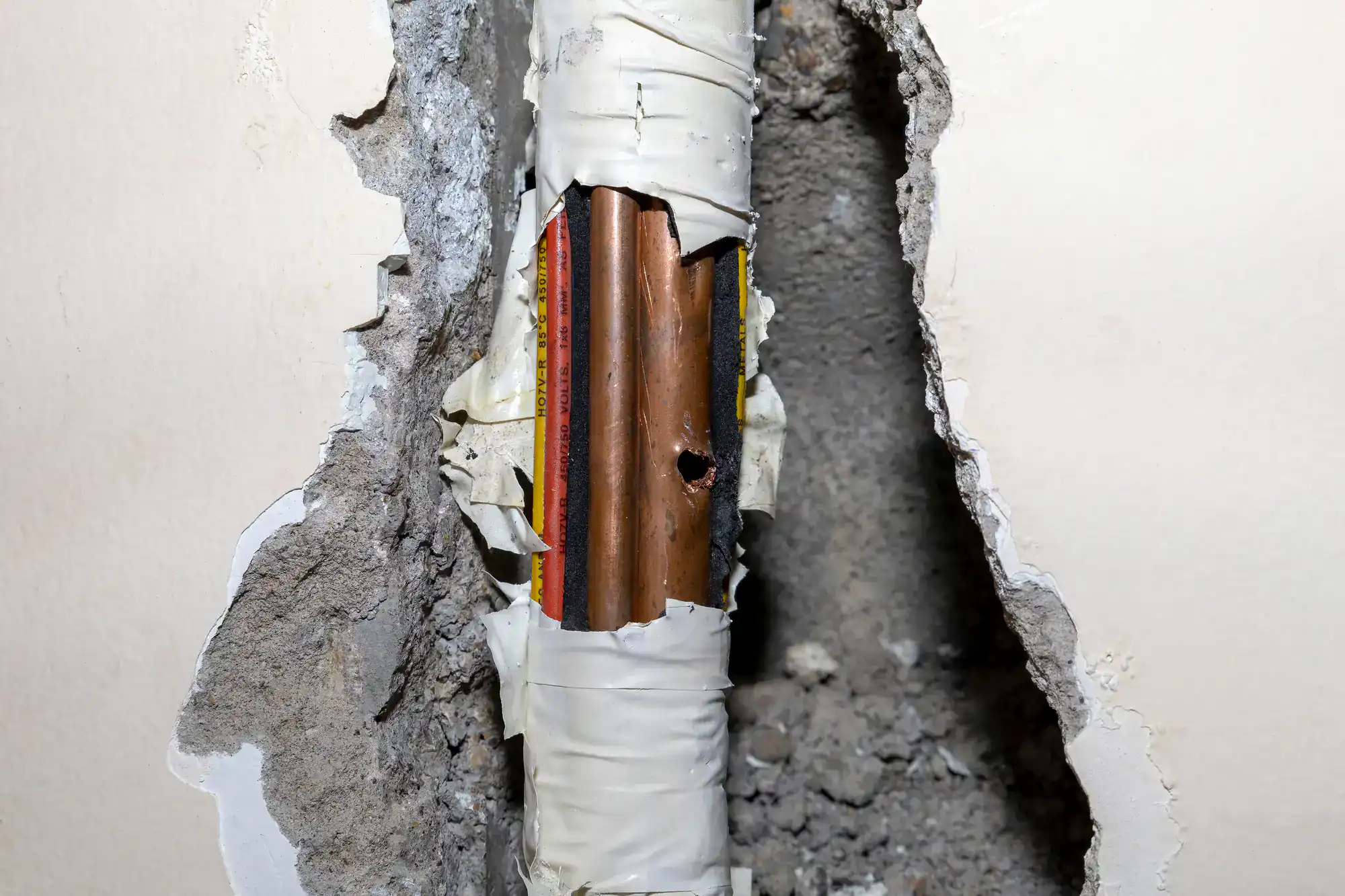
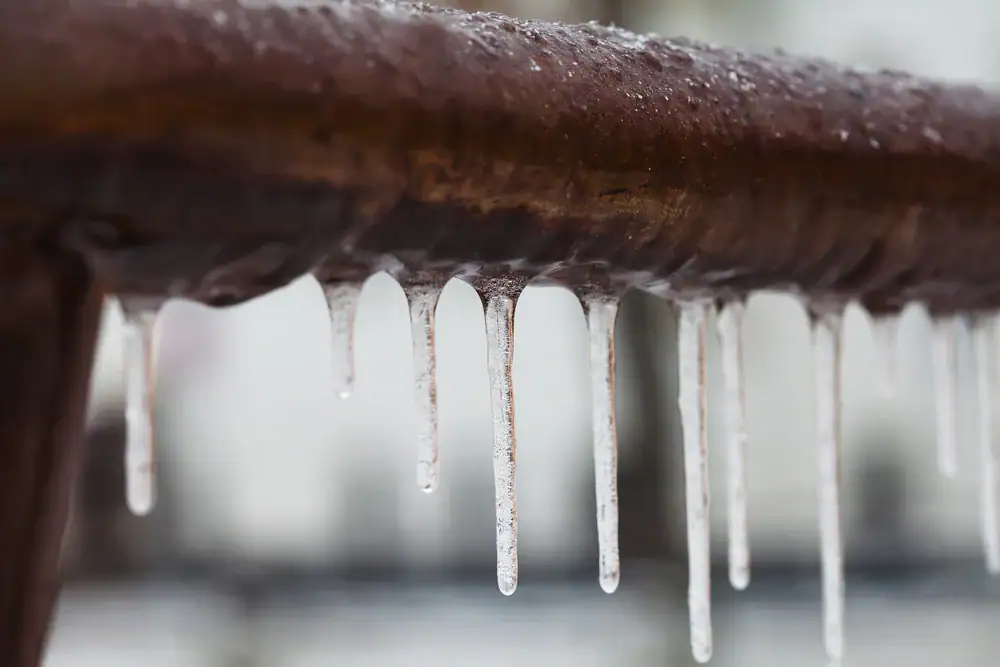
A burst pipe at Tahoe elevation isn’t just an inconvenience it’s a race against the clock. Water flowing into a crawl space or cabin floor at 21°F doesn’t puddle. It freezes solid overnight, and what started as a pipe repair turns into a full structural restoration. Every hour matters. Getting the water stopped fast is the single most important thing that happens after a pipe lets go.
For full-time residents in South Lake Tahoe neighborhoods like Bijou or Pioneer Trail many of them in homes built in the 1950s and 60s with older plumbing systems in uninsulated spaces the freeze risk is real every winter, not just during the big storms. For absentee second-home owners who might be 98 miles away in Sacramento when the alert comes through, the stakes are even higher. You need someone who shows up, handles the full scope, and communicates clearly without requiring you to be standing in the room.
We handle the complete chain: shutting off the water, thawing the line, repairing or replacing the damaged section, extracting standing water, and testing the full system before leaving. One call. One company. One invoice.
We’ve been serving El Dorado County for over 24 years, with deep roots in South Lake Tahoe. The plumbing challenges here high-altitude pressure dynamics, deep freeze conditions, aging cabin stock, TRPA compliance requirements aren’t things you learn from a Sacramento service area. They’re things you learn from showing up in South Lake Tahoe, winter after winter, and doing the work right.
Every technician who comes to your door is licensed under California’s C-36 Plumbing Contractor classification, which requires four years of journeyman-level experience and passage of state trade exams. That’s not a formality it’s the legal and professional standard that protects you, especially in a market where plumbing repairs must comply with California Building Code, City of South Lake Tahoe ordinances, and Tahoe Regional Planning Agency regulations all at once.
We hold a 4.7/5 Google rating based on 93 reviews. Customers consistently note on-time arrival, professional technicians, and final invoices that sometimes came in below the original estimate.
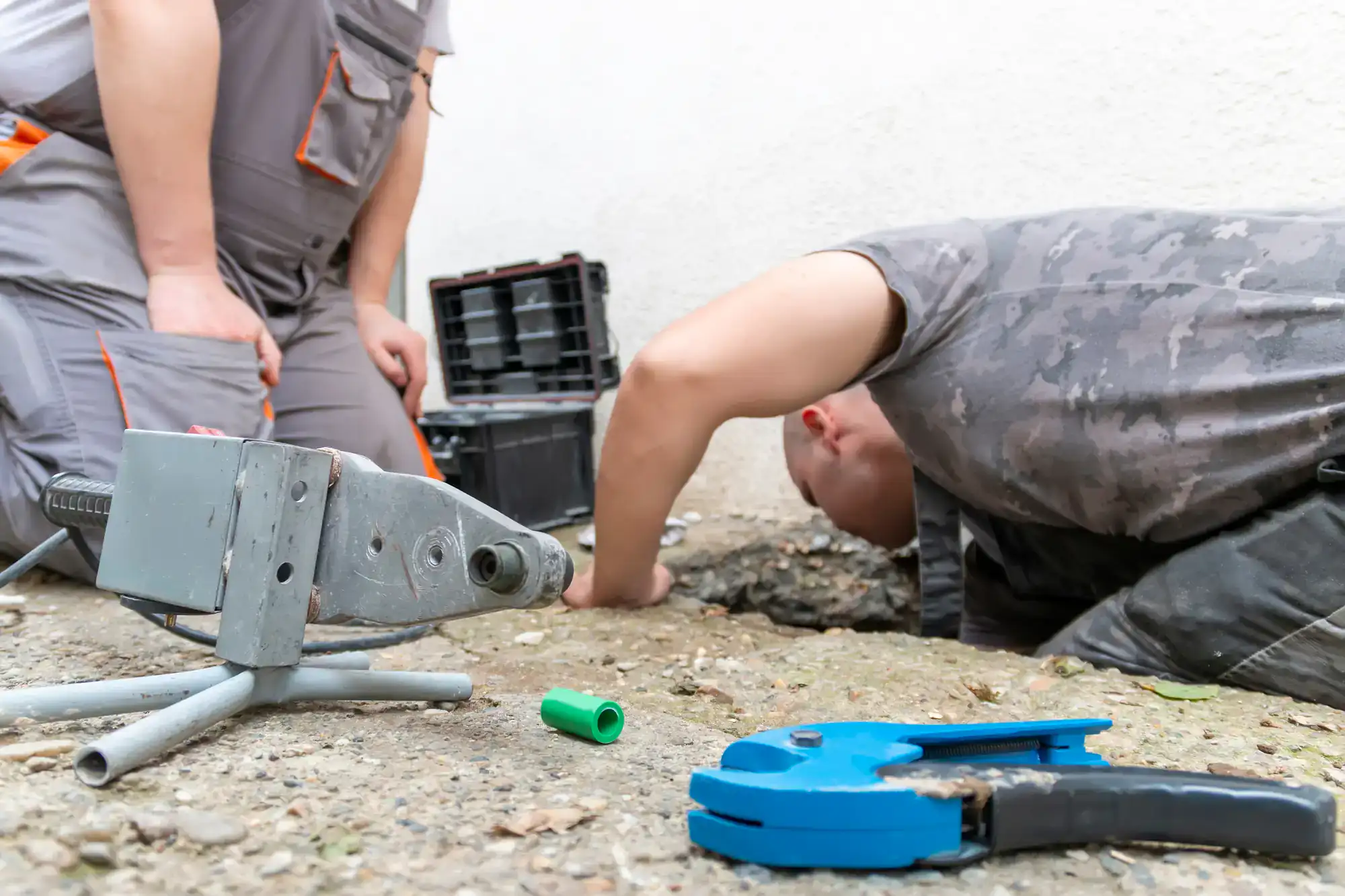
When you call, you reach a real person not a voicemail, not a routing service. You describe what’s happening, and the first priority is getting the water stopped if it hasn’t been already. If you’re an absentee owner who can’t be on-site, that conversation still moves forward. We can coordinate access and work without requiring you to be present.
Once on-site, our technician assesses the full situation not just the visible break. At South Lake Tahoe temperatures, a pipe that survived the last freeze may have developed micro-cracks that won’t hold through the next one. The repair scope is determined before any work begins, and you get the price upfront: $350–$750 for thawing only, $750–$2,500 for burst pipe repair with water extraction, and a clearly stated after-hours emergency premium of $200–$500 if the call comes outside regular hours.
Repairs are performed to California Building Code standards and in compliance with City of South Lake Tahoe municipal code including the local requirement that water supply piping be protected from freezing with a minimum of 42 inches of earth cover. If the work requires a permit, we submit the application to the City’s Building Division by the next business day. After the repair, the full system is tested before the job is considered done.
Ready to get started?
Frozen pipe repair in South Lake Tahoe isn’t a one-size-fits-all job. The Basin has specific conditions that change how this work gets done 142 inches of average annual snowfall, overnight lows that regularly drop below 0°F, a housing stock full of older cabins with uninsulated crawl spaces, and a significant share of properties that sit unoccupied for weeks at a stretch during ski season. All of that shapes what a thorough repair actually looks like here.
Our frozen and burst pipe repair service covers pipe thawing, full pipe section removal and replacement where needed, water extraction from affected areas, and complete system testing before the job is closed out. For vacation rental owners and property managers in South Lake Tahoe areas like Heavenly Village, Tahoe Keys, or Meyers, the service is designed to be handled without requiring the owner on-site clear communication, written estimates, and a documented repair process from start to finish.
All work is performed by C-36 licensed technicians, in compliance with TRPA regulations and South Lake Tahoe’s local plumbing code amendments. We offer emergency service 24/7, including weekends and holidays which matters in a market where ski-season pipe failures don’t wait for Monday morning.
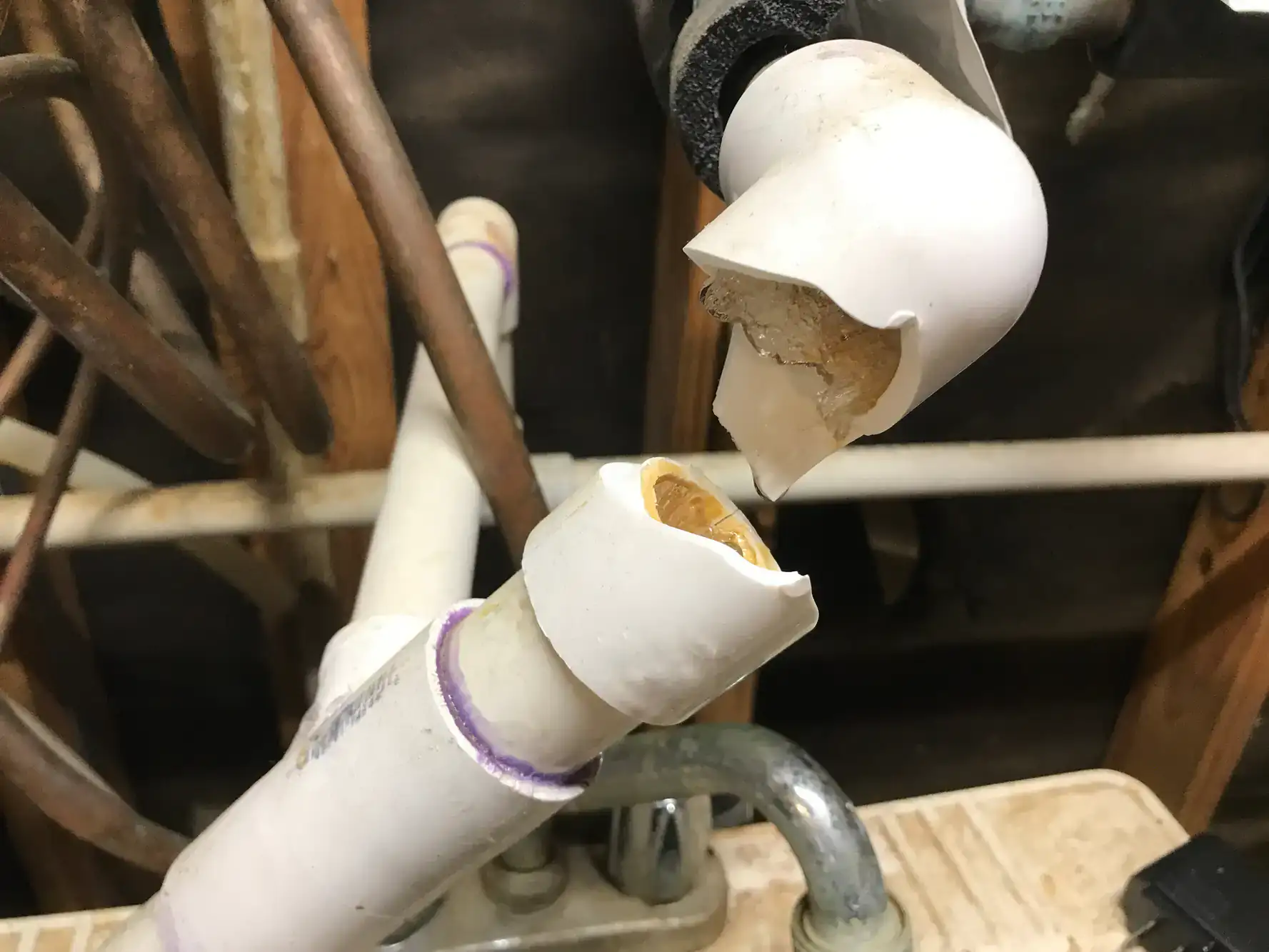
The cost depends on what you’re dealing with. If the pipe is frozen but hasn’t burst, thawing typically runs $350–$750. If the pipe has already burst and there’s water damage to deal with, the repair including water extraction and pipe replacement generally falls in the $750–$2,500 range. After-hours emergency calls carry an additional $200–$500 premium, which we disclose upfront before any work begins.
South Lake Tahoe’s conditions can push jobs toward the higher end of those ranges. Older cabins in neighborhoods like Bijou or North Upper Truckee often have pipes in uninsulated crawl spaces or exterior walls, which means more access work and a higher likelihood that a single freeze event has affected more than one section. The best way to get an accurate number is to call and describe what you’re seeing we’ll give you a real estimate before anyone touches a wrench.
The first thing to do is shut off the main water supply to the property. If you don’t know where the shutoff is, that’s the first question to ask when you call we can walk you through locating it. Stopping the water flow is the single most important step because every minute of active flow adds to the damage total.
Don’t try to thaw a frozen pipe yourself with an open flame or a heat gun aimed at a wall cavity that’s a fire risk, especially in older wood-frame cabins that are common throughout South Lake Tahoe. Once the water is off, call for emergency service. If you’re an absentee owner calling from out of the area, we can coordinate access and begin the repair without requiring you to be on-site. The faster the pipe is addressed, the smaller the damage scope and the stronger your position when you file an insurance claim.
It depends on the scope of the repair. Minor repairs like replacing a short section of pipe may not require a permit, but any work that involves new pipe installation or modifications to the water supply system in South Lake Tahoe is subject to the California Building Code, City ordinances, and Tahoe Regional Planning Agency (TRPA) regulations.
South Lake Tahoe has a local amendment to the California Plumbing Code that specifically requires water supply piping to be protected from freezing with a minimum of 42 inches of earth cover. That’s a detail that matters when a repair involves replacing buried supply lines. For emergency repairs, California code allows work to begin before a permit is pulled but the permit application must be submitted to the City of South Lake Tahoe Building Division by the next business day. We handle this as part of the service, so you’re not left managing paperwork on top of an already stressful situation.
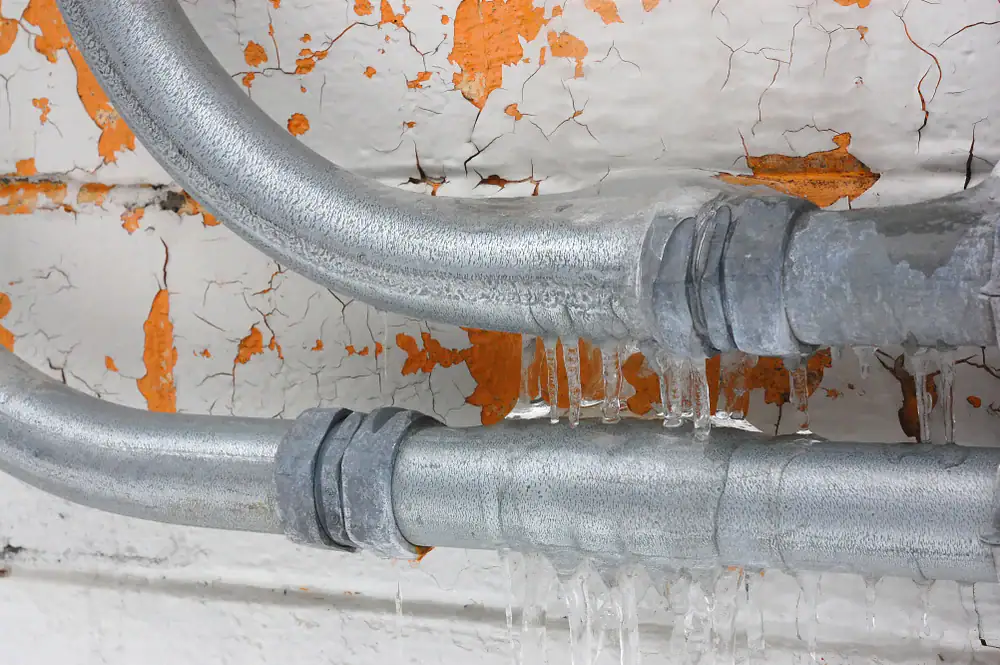
Because South Lake Tahoe sits at 6,225 feet elevation and at that altitude, the cold isn’t seasonal, it’s structural. The city averages overnight lows of 21°F in December and January, with the coldest nights dropping below 0°F. Freezing occurs most nights of the year, and no month is entirely free of frost. That’s a completely different risk profile than Sacramento, Roseville, or even the foothill communities along US 50 below the snowline.
The housing stock compounds the problem. A large share of South Lake Tahoe’s residential properties particularly in older neighborhoods like Bijou, Al Tahoe, and Pioneer Trail were built in the 1950s and 1960s, before modern freeze-protection standards existed. Pipes running through uninsulated crawl spaces or along exterior walls in those homes are exposed to conditions they were never designed for. Add in the number of properties that sit vacant for weeks at a time during ski season with minimal heat running, and the conditions for a burst pipe are almost built into the calendar.
This is one of the most common calls we receive from South Lake Tahoe property owners. You don’t need to be on-site for the repair to move forward. The process starts with a phone call you describe the situation, provide access information or coordinate with a neighbor or property manager, and we take it from there.
Our technician will assess the damage, provide a written estimate before any work begins, and communicate clearly about what was found and what was done. For vacation rental owners in South Lake Tahoe areas like Tahoe Keys, Heavenly Village, or Meyers, that documentation matters both for your own records and for the insurance claim that typically follows a burst pipe event. Most homeowners insurance policies cover sudden water damage from a burst pipe, but the payout is directly tied to how quickly the water was stopped and how well the damage was documented. A fast, professional response with a clear paper trail works in your favor.
The most effective thing you can do before leaving a South Lake Tahoe property for an extended period is to either keep the heat set to at least 55°F or shut the water off entirely and drain the system. A cabin sitting at 45°F with the heat off during a multi-week cold snap is a frozen pipe waiting to happen especially in older homes where pipes run through uninsulated exterior walls or crawl spaces.
Beyond that, pipe insulation and heat tape in vulnerable areas make a real difference for properties that stay occupied through the winter. South Lake Tahoe’s municipal code requires water supply piping to be protected from freezing with a minimum 42-inch earth cover but that standard applies to buried lines, not the pipes inside your walls or under your floor. Those are your responsibility to protect. If your property has a history of freeze issues, or if you’re not sure whether your plumbing is set up to handle Basin winters, a pre-season inspection is worth scheduling before the first hard freeze arrives in November.