
Hear from Our Customers
A properly installed gas line isn’t something you think about after the fact it’s something you stop thinking about entirely. No pressure drops at the outdoor kitchen, no permit headaches when it’s time to sell, no wondering whether the work was done to code. That’s the actual outcome. The job gets done, it passes inspection, and you move on.
In Latrobe, the stakes are a little different than in a Folsom subdivision. Properties here tend to run larger multi-acre lots, detached structures, outbuildings, outdoor living setups that need gas runs spanning real distances across rocky foothill terrain. A longer run requires careful pipe sizing to maintain adequate pressure at the endpoint. Get that wrong and you’ve got a fire pit that barely lights or a generator that won’t carry the load when PG&E cuts power during fire season. That’s not a minor inconvenience out here it’s a real problem.
El Dorado County’s wildfire risk and the PSPS shutoffs that come with it have pushed a lot of rural homeowners toward standby generators. Those generators need a properly sized, permitted gas line not just an electrical hookup. Whether you’re connecting a new appliance, running a line to a detached workshop, or setting up a whole outdoor kitchen near the vineyard, the outcome you’re after is work that performs reliably, holds up under inspection, and doesn’t come back to bite you.
We were founded in 2009 by Ryan Murray, who holds a California C-36 contractor’s license the specific credential the state requires for all gas piping work. That license is verifiable through the CSLB, and it means every installation we complete is legally authorized, code-compliant, and built to pass El Dorado County inspection.
Ryan built this company himself. His name is on every truck, every permit application, and every invoice. That kind of personal accountability matters in a small rural community like Latrobe, where your neighbor probably knows your contractor and word travels fast.
We’ve been serving communities throughout El Dorado County Shingle Springs, Cameron Park, El Dorado Hills, Placerville, and Latrobe for over 15 years. Latrobe is part of our core service area, not an afterthought added to stretch a map. Our team knows the terrain, knows the El Dorado County building department, and knows what it takes to get gas line work permitted and inspected without delays.
It starts with a free estimate. We come out to your Latrobe property, walk the site, assess the route, and give you a clear, written cost breakdown before any work begins. For rural properties in Latrobe, that site visit matters more than it does in a standard suburban setting the distance from your gas supply to the endpoint, the soil conditions, and whether the run crosses any outbuildings or structures all affect how the job gets scoped and priced. You’ll know the full cost upfront, not after the trench is already dug.
Once you’ve approved the scope, we handle the permit application with the El Dorado County Planning and Building Department. That step isn’t optional all gas line work in El Dorado County requires a permit before work begins, and skipping it creates real legal and insurance exposure. Before any excavation starts, an 811 call goes in to mark underground utilities. That’s a legal requirement in California, and it protects your property from unexpected utility strikes during trenching.
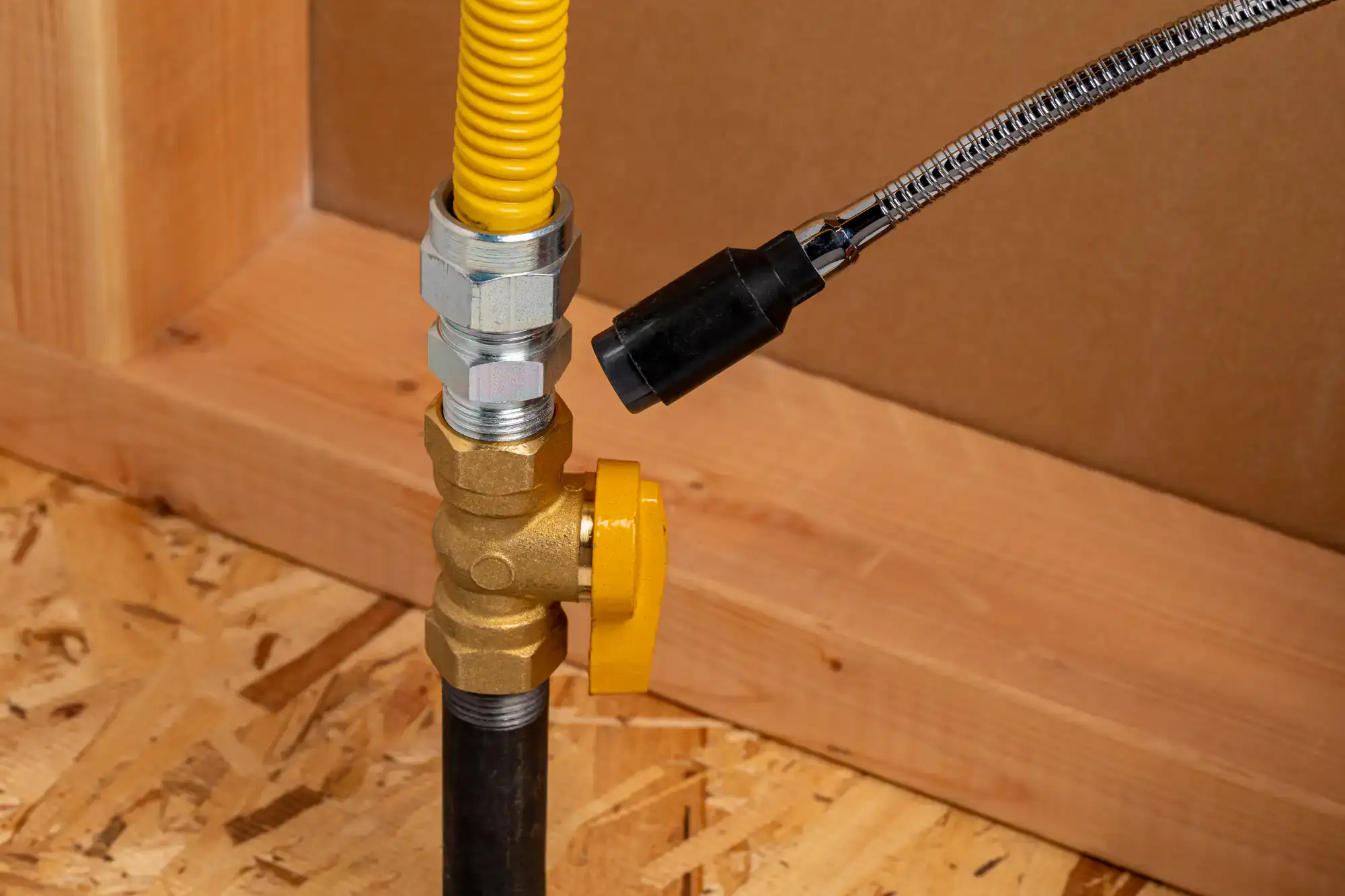
The installation itself follows California Plumbing Code requirements: proper pipe sizing for the run length, approved materials, correct burial depth for any underground sections, and CSST bonding if applicable. When the work is complete, the system gets pressure-tested every connection, every joint before the final inspection is scheduled. El Dorado County inspects the work, signs off, and then gas service is restored. That’s the process, start to finish, with no shortcuts.
Ready to get started?
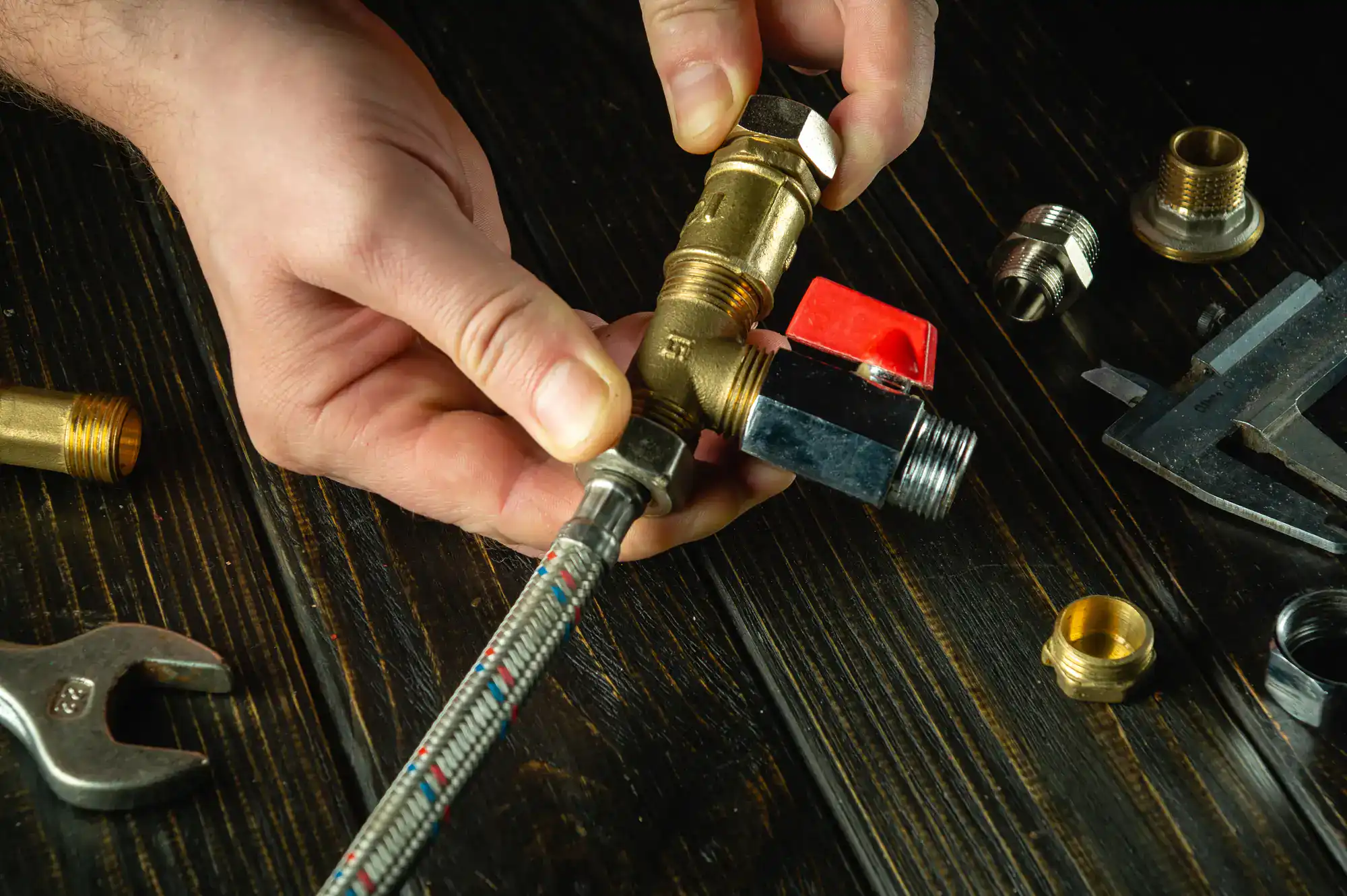
We handle the full range of residential and commercial gas line installation in Latrobe and the surrounding El Dorado County area. That includes new gas line runs for kitchen appliances, dryers, water heaters, and gas fireplaces as well as outdoor installations for fire pits, patio heaters, outdoor kitchens, pool and spa heaters, and standby generators. If your property has a detached structure, a barn, a guest house, or an ADU that needs gas service, that’s part of what we scope and install.
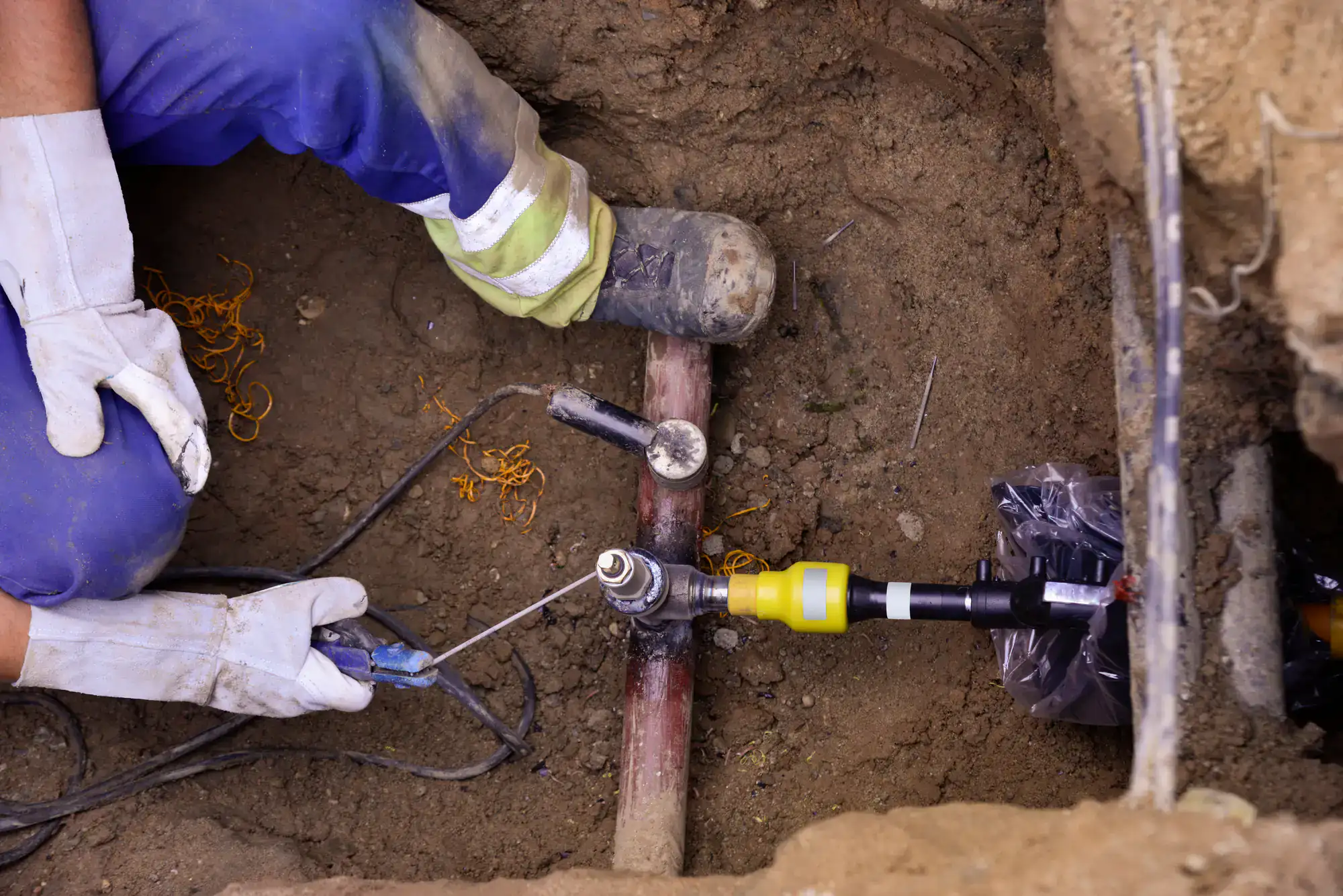
For Latrobe-area properties, underground gas line runs are common. The rocky foothill soil that defines western El Dorado County adds complexity to trenching, and longer runs across large parcels require precise sizing calculations to ensure consistent pressure at every endpoint. We account for all of that in the estimate there’s no separate charge that surfaces after the work starts.
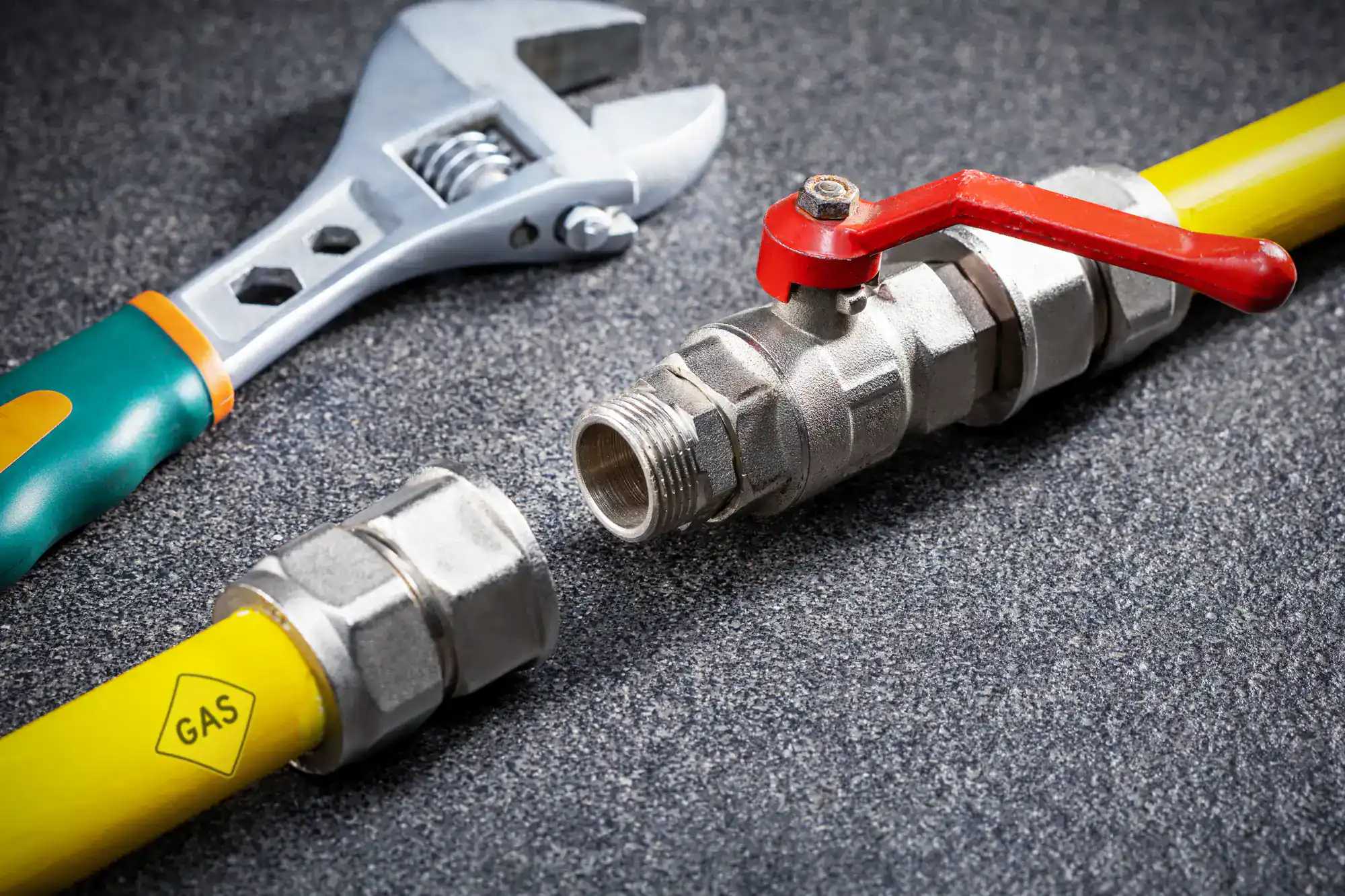
Gas line replacement and leak detection are also part of our service offering. Some properties in the Latrobe area carry older infrastructure black iron pipe that’s corroded over time, connections that predate current seismic code requirements, or systems that haven’t been inspected in years. If your home was built decades ago or you’ve purchased an older rural property, a system assessment is worth having before you assume everything is code-compliant. Whether your property runs on PG&E natural gas or a propane system, we handle the installation either way.
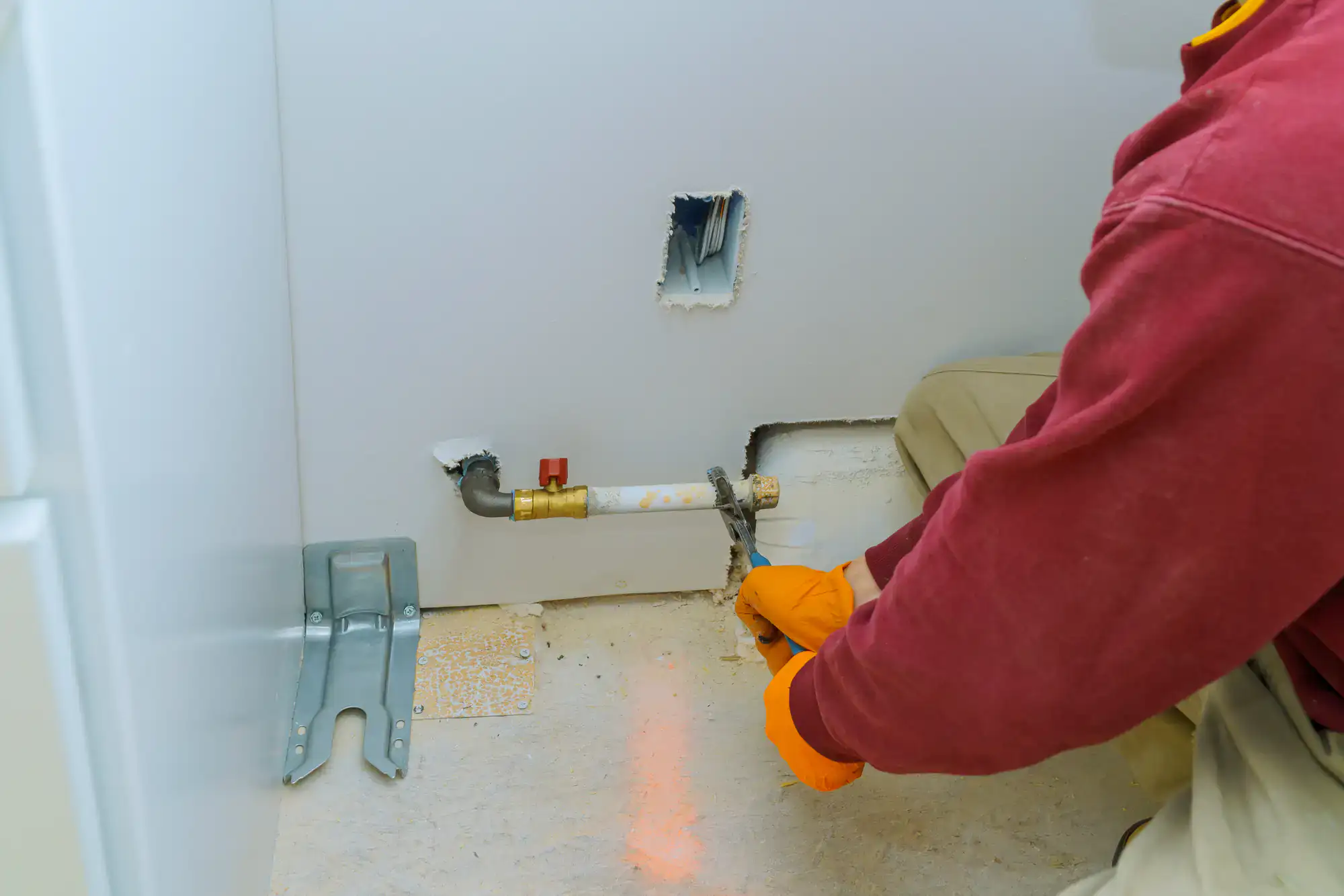
Yes all gas line installation, replacement, or extension work in Latrobe requires a permit from the El Dorado County Planning and Building Department before any work begins. This applies to both new installations and modifications to existing gas systems. El Dorado County adopted the 2025 California Building Code as of January 1, 2025, and those standards govern all gas piping work in the area.
Skipping the permit isn’t just a code violation it creates real problems down the road. Unpermitted gas work voids your homeowner’s insurance coverage for any gas-related incident, and it creates disclosure obligations and potential remediation costs when you sell the property. El Dorado County inspectors require a pressure test and final sign-off before gas service is restored. We handle the permit application and inspection coordination from start to finish, so you’re not navigating that process on your own.
Most residential gas line installations fall somewhere between $271 and $936 based on national averages, with a midpoint around $598. For rural El Dorado County properties like those in and around Latrobe, the actual cost often runs higher and that’s not a bait-and-switch, it’s just the reality of the terrain and property scale here.
Longer runs across multi-acre parcels, underground trenching through rocky foothill soil, and more complex routing around outbuildings or structures all add to the scope. A gas line run to a detached workshop or outdoor kitchen 150 feet from the house is a fundamentally different job than connecting a gas range in a tract home. Projects like those or full generator gas line installations can realistically land in the $1,000 to $3,000 range depending on specifics. The only reliable way to know what your Latrobe project costs is to have someone walk the property and scope it properly. Our estimates are free, written, and the final invoice consistently matches or comes in below what was quoted.
No. California law requires all gas line installation, repair, and modification to be performed by a contractor holding a C-36 plumbing contractor’s license issued by the California Contractors State License Board. This isn’t a local rule specific to El Dorado County it applies statewide, and there are no homeowner exemptions for gas piping work the way there are for some other home improvement projects.
Beyond the legal issue, DIY gas line work creates serious insurance exposure. If a gas-related incident occurs on your property and the work wasn’t performed by a licensed C-36 contractor, your homeowner’s insurance policy is unlikely to cover the claim. The work also can’t pass the mandatory El Dorado County inspection that’s required before gas service is restored which means the system can’t legally be used. The C-36 license exists because gas line work has real safety consequences when it’s done incorrectly. It’s one of the few home systems where hiring a licensed professional isn’t just advisable it’s the law.
For a straightforward appliance connection a new gas range, dryer, or water heater the installation itself is typically a few hours of work. The permit process adds time to the overall timeline, but we handle the El Dorado County permit application as part of the job, so you’re not managing that separately.
For more complex projects underground runs to outdoor kitchens, generator connections, or gas line extensions across larger Latrobe-area parcels the physical installation may take a full day or more depending on the distance and terrain. Rocky foothill soil can slow trenching compared to valley floor conditions. Once the work is complete, a pressure test is conducted before the final inspection is scheduled with El Dorado County. Inspection scheduling timelines vary, but we coordinate directly with the county to keep things moving. The short version: simple connections can be done quickly; larger rural property installs take longer, and the permit process is a real part of the timeline that shouldn’t be rushed or skipped.
The full list covers more than most people expect. On the interior side: gas ranges and cooktops, gas dryers, tankless and traditional water heaters, gas furnaces, and gas fireplaces or inserts. On the exterior side which is where a lot of Latrobe-area projects fall outdoor kitchens with gas burners, fire pits, patio and infrared heaters, pool and spa heaters, and standby generators.
For rural properties in western El Dorado County, generator gas line connections have become one of the more common requests in recent years. After several rounds of PG&E’s Public Safety Power Shutoff events affecting foothill communities, a lot of rural homeowners have invested in standby generators and those units need a properly sized, permitted gas line to run reliably. We also handle gas line installation for detached structures: workshops, barns, guest houses, and ADUs on the same parcel as the main residence. If it needs gas, the installation process is the same free estimate, permit, installation, pressure test, inspection, done.
Leave the property immediately don’t flip any light switches, use your phone inside the house, or try to locate the source yourself. Once you’re outside and at a safe distance, call PG&E’s emergency line (1-800-743-5000) and then call 911 if you believe the leak is active or severe. PG&E will respond to shut off service at the meter. Do not re-enter the property until emergency responders have cleared it.
Once the immediate situation is resolved and PG&E has confirmed it’s safe to return, that’s when you call us. A licensed gas line contractor needs to locate the source of the leak, assess the condition of the surrounding piping, and determine whether a repair or full replacement is needed before service can be restored. In a rural community like Latrobe where the nearest emergency services and utility response may take longer to arrive than in a dense suburban area getting out fast and staying out until professionals clear the scene is the right call. We offer 24/7 emergency response, and a real person answers the phone after hours, not a recording.